A profound, sky-shaking boom echoed across Southeast Texas, leaving residents startled and speculating about its origin. What initially sounded like an explosion was swiftly confirmed by NASA: a celestial visitor, a meteor, had dramatically disintegrated in our atmosphere. This captivating event on a Saturday afternoon caused widespread curiosity, merging the awe of space with an immediate, tangible impact on the ground. From widespread reports of a bright fireball to a surprising account of a meteorite potentially crashing through a roof, the Southeast Texas meteor event captivated a region and highlighted the dynamic interaction between Earth and its cosmic neighbors.
The Sky Explodes: Decoding the Southeast Texas Meteor Event
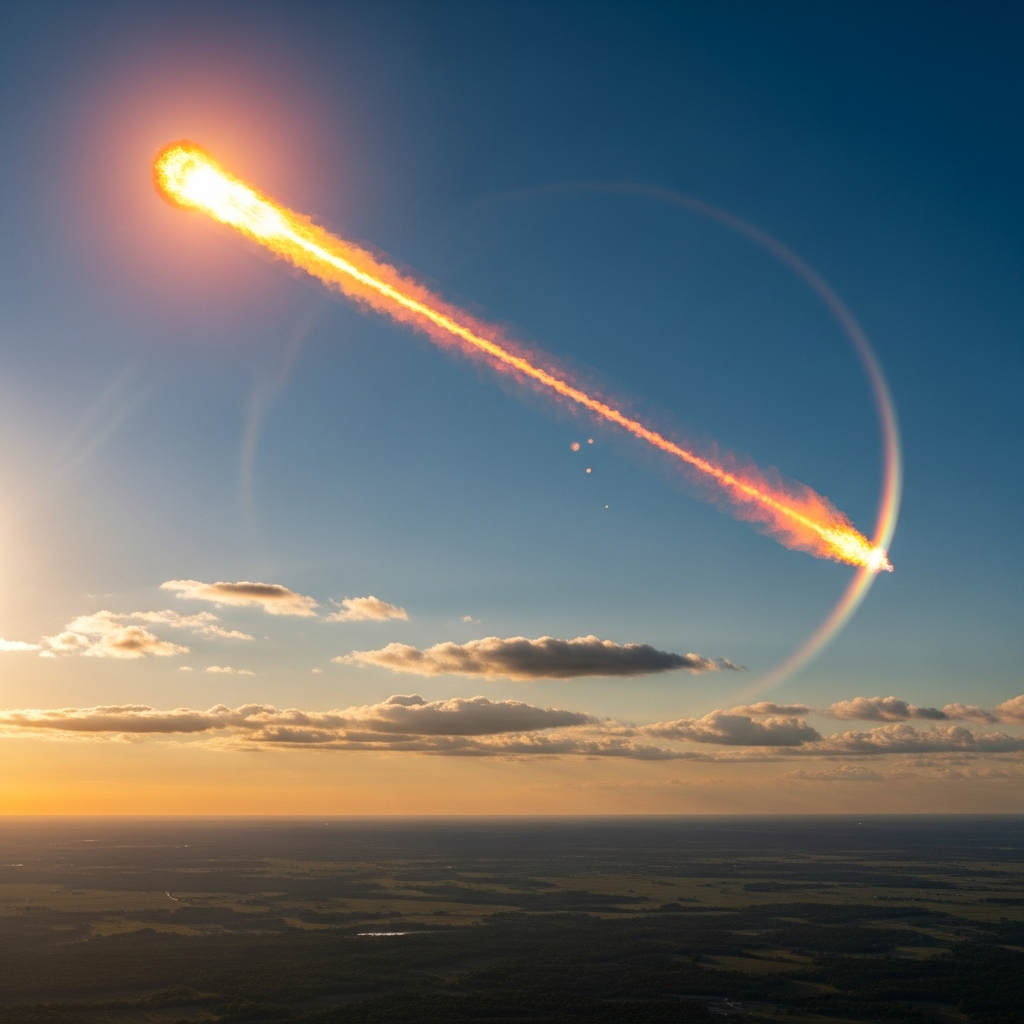
On Saturday, March 21, 2026, at approximately 4:40 p.m. local time, a spectacular fireball streaked across the clear blue skies above Southeast Texas. Eyewitnesses from Houston, Katy, College Station, San Antonio, and Austin reported seeing a dazzling light, quickly followed by a powerful, thunderous sound that rattled homes and sparked immediate discussions on social media. NASA’s Astromaterials Research and Exploration Science division (ARES) swiftly confirmed that the culprit was indeed a meteor, which had fragmented high above the Houston area.
The journey of this space rock was remarkable. It was first observed at an altitude of 49 miles above Stagecoach, northwest of Houston. Traveling at an astonishing speed of nearly 35,000 miles per hour, the meteor then moved southeast. Its dramatic fragmentation occurred at 29 miles above Bammel, a community just west of Cypress Station. This specific event, the Southeast Texas meteor breaking apart, unleashed energy equivalent to 26 tons of TNT, creating the massive pressure wave responsible for the widespread sonic booms. Footage from doorbell cameras, dashboard cams, and even a Little League baseball game vividly captured the fiery descent, painting a clear picture of this rare atmospheric spectacle.
The Science Behind the Boom: Meteor Fragmentation and Sonic Waves
The loud “booms” heard across the Greater Houston area weren’t just sound; they were a direct result of the meteor’s violent atmospheric entry and breakup. When a large object like this meteor plunges into Earth’s atmosphere at hyperspeeds, it generates immense pressure. This pressure, combined with the extreme friction, causes the object to heat up, glow intensely (creating the “fireball”), and often, to violently fragment.
NASA clarified that the widely reported sound was effectively “both” a meteor event and a sonic boom. As the meteor disintegrated, it created a powerful pressure wave that propagated outward, similar to the shockwave produced by an aircraft breaking the sound barrier. This unique phenomenon is why many residents felt their homes shake, mistaking the sound for an earthquake or a localized explosion. Understanding this scientific interplay helps demystify these celestial events, transforming initial confusion into scientific marvel.
A Piece of Space: Meteorites and the Cypress Station Incident
Following the dramatic atmospheric breakup, NASA suggested that potential meteorites, fragments of the original celestial body, may have fallen to the ground. The most likely landing zone for these space rocks was identified as an area north of Houston, specifically stretching between Willowbrook and Northgate Crossing. While most of a meteoroid’s mass burns up during entry, a small percentage can survive to reach Earth’s surface.
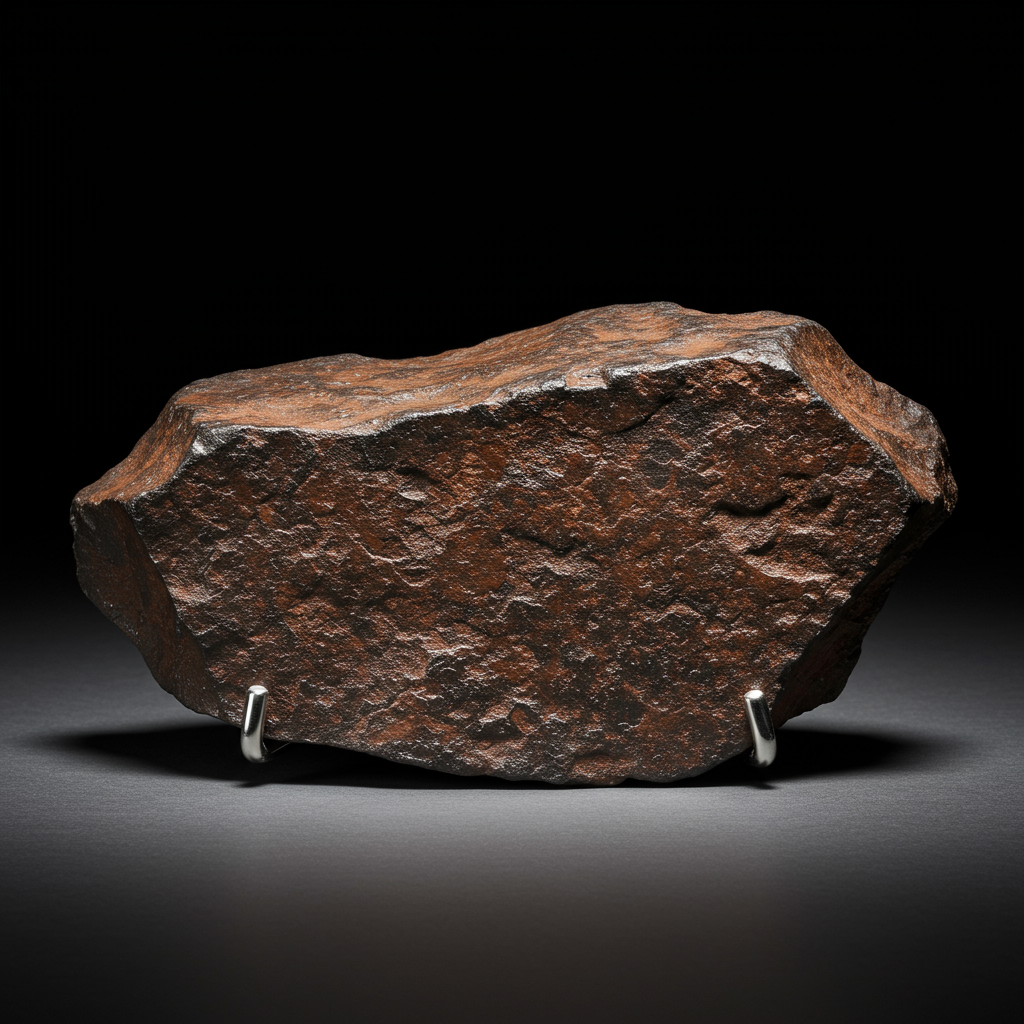
Perhaps the most compelling evidence of a meteorite fall came from Sherrie James, a Houston resident in Cypress Station. Shortly after the loud boom, James reported hearing a distinct “thud” from her daughter’s room. Upon investigation, she discovered a hole in her roof and a dent in the floor, next to her daughter’s bed. Lying there was what she described as a “big, black rock,” roughly the size and weight of a baseball. The Ponderosa Fire Department responded to her call. Fire Captain Tyler Ellingham confirmed inspecting the unusual rock, noting the absence of any nearby construction or trees that could explain its presence. The department concluded the object was likely a piece of the Southeast Texas meteor, marking an extraordinary close encounter with a fragment from space. Fortunately, no injuries were reported from this astonishing incident.
Comparing Celestial Encounters: Texas and Ohio’s Fireballs
The Southeast Texas meteor event occurred just five days after a similar, yet even larger, meteor graced the skies over northeastern Ohio and parts of Pennsylvania. This earlier event on a Tuesday morning (March 17, 2026) saw an asteroid estimated to weigh about 7 tons and measure approximately 6 feet in diameter. Traveling at an even faster speed of 45,000 miles per hour (some reports cited 39,200 mph), it fragmented 50 miles above Lake Erie, generating an enormous amount of energy equivalent to 250 tons of TNT.
Bill Cooke, head of NASA’s Meteoroid Environments Office, provided key insights into both events. While both created spectacular fireballs and widespread sonic booms, the Ohio meteor was significantly larger and released far more energy. Fragments from the Ohio meteor were believed to have scattered across Medina County. These two incidents serve as powerful reminders that while large meteors capable of creating such bright fireballs are rare, they are not entirely uncommon, underscoring the constant bombardment Earth experiences from small space objects.
Hunting for Space Rocks: What to Expect and How to Proceed
The occurrence of meteorite falls, particularly from events like the Southeast Texas meteor, often sparks public interest in finding these cosmic treasures. For those in the designated strewn fields—such as the area between Willowbrook and Northgate Crossing—there are a few key points to consider. Dr. Ralph Harvey, a planetary science professor at Case Western Reserve University, noted that meteorites are typically quite cold upon impact, not “smoking rocks in craters.” They can be safely handled if found.
When searching, look for rocks that appear “out of place.” Meteorites often have a fusion crust—a thin, dark, glassy layer formed by melting during atmospheric entry. They are generally denser than typical Earth rocks and may contain tiny flecks of metal, making them magnetic. While the chances of finding a large, pristine specimen are slim, even small fragments offer invaluable scientific data. If you believe you’ve found a meteorite, it’s best to document its location, take photos, and contact local universities or geological societies for expert identification rather than attempting to clean or alter it.
The Everyday Dance: Earth’s Interaction with Space Debris
While the Southeast Texas meteor and its Ohio counterpart grabbed headlines due to their visible spectacle and audible impact, Earth is continuously bombarded by small space rocks, dust particles, and even old rocket parts. The vast majority of these objects are tiny and burn up harmlessly high in the atmosphere, creating fleeting “shooting stars.”
Advanced technology, such as the Geostationary Lightning Mapper (GLM) typically used to detect lightning strikes, has also proven effective in identifying meteor events. GLM imagery can capture the bright flashes produced by meteors, aiding agencies like the National Weather Service in quickly confirming these celestial occurrences. These sophisticated tools allow scientists to track, analyze, and better understand the constant, dynamic interaction between our planet and the cosmic environment that surrounds it.
Frequently Asked Questions
What caused the loud boom heard across Southeast Texas?
The loud boom heard across Southeast Texas was caused by a meteor that entered Earth’s atmosphere at an estimated speed of 35,000 miles per hour and violently broke apart. NASA confirmed that this fragmentation created a powerful pressure wave, essentially a sonic boom, that propagated to the ground. This event, which occurred on Saturday, March 21, 2026, was widely reported by residents who felt their homes shake, mistaking the sound for an explosion or earthquake.
Where are meteorites from the Texas event most likely to be found?
According to NASA’s analysis, potential meteorites, or fragments of the original meteor from the Southeast Texas event, are most likely to have fallen north of Houston. Specifically, researchers pinpointed an area situated between Willowbrook and Northgate Crossing as the primary “strewn field.” One notable incident involved Sherrie James in Cypress Station, who reported a rock crashing through her roof, which fire officials concluded was likely a piece of the meteor.
What should I do if I think I’ve found a meteorite?
If you believe you’ve found a meteorite from the Southeast Texas event or any other celestial entry, it’s important to handle it correctly. First, document its precise location with coordinates or clear landmarks and take photographs before moving it. Avoid cleaning or altering the rock, as this could contaminate it. Meteorites are often denser than Earth rocks, may have a dark, melted fusion crust, and can be magnetic. Contact a local university’s geology or planetary science department, or a reputable meteorite society, for expert identification and analysis.
Conclusion
The Southeast Texas meteor event stands as a vivid reminder of the incredible forces at play in our solar system. From a bright streak across the afternoon sky to a jarring sonic boom and the potential fall of meteorites, this incident left a lasting impression on countless residents. Thanks to swift analysis from NASA and detailed eyewitness accounts, the scientific explanation behind the spectacle became clear, transforming initial confusion into a moment of collective awe. As our planet continues its cosmic journey, such events underscore the dynamic nature of space and the fascinating, albeit sometimes startling, ways it can connect with our world.