Navigating the complexities of modern urban living often means keeping a finger on the pulse of local headlines. From the bustling streets of Boston to the dynamic avenues of New York City, residents share common aspirations and confront unique challenges. These local urban perspectives offer invaluable insights into what makes a city thrive, highlighting community needs, policy impacts, and the relentless pursuit of a better quality of life. This article delves into recent developments and citizen hopes, exploring how major metropolitan areas are evolving to meet the demands of their populations.
Understanding the Urban Landscape: A Tale of Two Cities
Cities like Boston and New York are economic and cultural powerhouses, yet their daily functions and future trajectories are shaped by a mosaic of local issues. While national news cycles often focus on broader political and technological shifts, the real-time experience of city dwellers revolves around practical concerns. Housing affordability, the reliability of public transportation, and the vibrancy of community spaces consistently emerge as top priorities. Examining these city challenges through the lens of resident sentiment reveals much about the ongoing efforts to enhance metropolitan areas.
Boston’s Aspirations for 2026: Building a Better Tomorrow
In Greater Boston, residents are looking ahead to 2026 with a clear vision for progress, particularly in key areas that directly impact their daily lives. The hopes articulated by citizens reflect a desire for tangible improvements following a year of mixed results in 2025. Despite improvements in the MBTA’s service speed, ever-increasing housing costs continue to cast a shadow over many families. These local headlines paint a vivid picture of a community seeking stability and enhancement.
Tackling Housing Affordability and Policy Innovation
One of the most pressing concerns for Bostonians is the escalating cost of housing. Many residents express a strong desire for more accessible and affordable living options. Leah Wolfe, for instance, hopes for a City Council housing proposal that truly benefits the entire city, indicating a call for effective policy. Similarly, Nick Fernandez simply wishes for “cheaper housing,” a sentiment echoed by countless individuals. Laura Hammond highlights the personal toll of high rents, noting how many people she knows have been forced to leave Massachusetts due to housing expenses. Her priorities include both “affordable housing” and “more greenery,” underscoring a holistic view of urban well-being. These urban perspectives on housing are critical for shaping future development.
Enhancing Public Transportation: The Future of the MBTA
The functionality and expansion of Boston’s public transit system, the MBTA, remain significant points of focus. Citizens are eager for smoother operations and fewer disruptions. Christian Velasco specifically hopes for “less train closures and smoother operations,” especially after a challenging Green Line shutdown. Roberto Castillo points to issues with the Blue Line’s infrequency, advocating for more consistent service. Amelia Zhou envisions a safer Downtown and a more efficient “T,” suggesting an extension of the Orange or Green Lines to the Seaport area to improve connectivity beyond just the Silver Line. Matt Kane also voices hopes for the T to run smoothly, anticipating success from recent improvements. The future of Boston largely depends on robust and reliable public transit.
Cultivating Community and Quality of Life
Beyond essential services, residents also seek enhancements in their everyday living and social environments. Brenna Weber desires “more community events” to foster happiness, particularly during the darker months, encouraging outdoor engagement. Keona Hayes expresses a wish for “better nightlife,” including new venues, while Laura Hammond also looks forward to “more parks” and “more greenery.” Amelia Zhou’s hope for a safer Downtown further emphasizes the desire for a secure and vibrant urban experience. Nathan Burra encapsulates a broader wish for peace and positivity, hoping for “the construction to be done” and for “Peace, love and prosperity” for everyone. Matt Kane reinforces this sentiment, wishing for “anything positive” and for Boston to “just keep being an amazing city.” These collective urban perspectives highlight a deep connection to their city.
New York City’s Ongoing Debates: Congestion Pricing and Street Safety
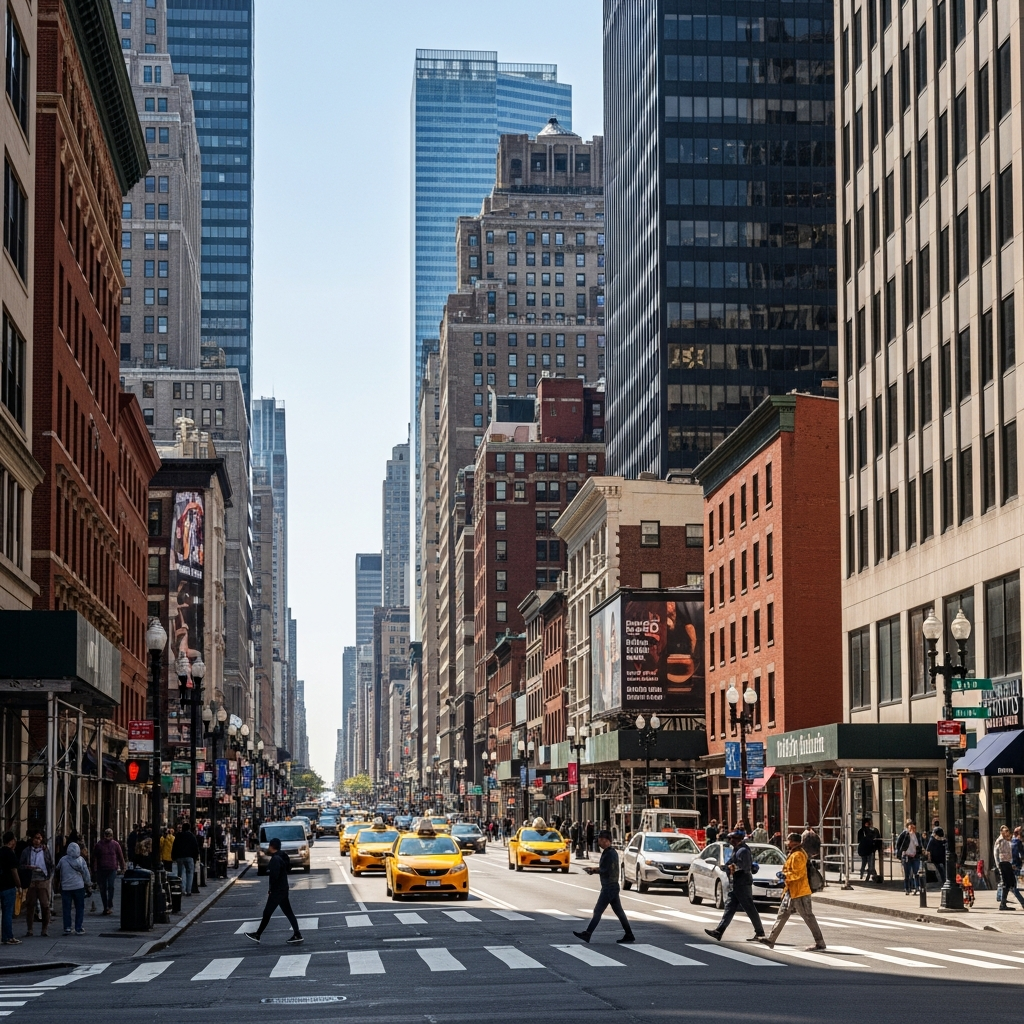
Across the Northeast, New York City faces its own set of prominent city challenges, which frequently make local headlines. From high-stakes legal battles to critical issues of public safety, NYC’s urban pulse beats to a different rhythm, often characterized by contentious policy debates and a strong advocacy for sustainable urban living. The fight over congestion pricing and persistent concerns about traffic safety dominate much of the public discourse.
The Congestion Pricing Showdown: Legal Battles and Urban Planning
A central focus in New York City is the ongoing legal challenge against its groundbreaking congestion pricing plan. A lawsuit initiated by the Trump administration continues to delay implementation, with Federal Judge Lewis Liman scheduling oral arguments for summary judgment by January 28. Streetsblog, a publication known for its pro-transit stance, expresses confidence that Judge Liman will ultimately rule in favor of the Metropolitan Transportation Authority (MTA). This optimism stems from Liman’s previous decision to grant the MTA a preliminary injunction, suggesting the authority was “likely to prevail on the merits.” This contentious issue reflects a broader debate about urban planning and how cities manage traffic and fund public transit.
Addressing Traffic Safety and Pedestrian Vulnerability
New York City’s streets continue to present significant dangers, particularly for pedestrians and those opting for alternative transportation. Recent incidents underscore these risks: a 19-year-old driving a Hummer tragically killed a pedestrian in Chelsea, and a woman lost her life after being struck by a private garbage truck. Another fatality involved a stand-up scooter rider, whose wife noted his preference for sustainable commuting. These incidents prompt critical commentary on how the city often treats individuals who choose non-car dependent transportation options. The push for safer streets remains a crucial part of community development.
Navigating Political Discourse and City Governance
Local governance and political rhetoric also shape NYC’s urban narrative. Governor Hochul recently countered former President Trump’s assertion that “New York is a hellhole” by affirming the city is “full of life,” a sentiment widely shared by residents. On the administrative front, Mayor Mamdani appointed a new FDNY chief from the emergency services sector. Media debates continue, with The New York Post drawing “horror” over a proposed “three-block car-free street party” for Mayor Mamdani’s inauguration, which critics dismissed as an overreaction. Furthermore, a “double deep dive” by The New York Times reportedly painted a negative picture of Mayor Adams’s “legacy,” highlighting the intense scrutiny faced by city leaders. These political developments contribute to the complex fabric of urban perspectives.
Common Threads in Urban Progress and Challenges
While Boston and New York City exhibit distinct local flavors and priorities, there are undeniable commonalities in their urban challenges and aspirations. Both cities grapple with the universal issue of housing affordability, emphasizing the need for innovative policy solutions. Public transportation, whether through MBTA improvements in Boston or congestion pricing debates in NYC, remains a critical component of urban functionality and equity. Moreover, the desire for safer communities, vibrant public spaces, and an enhanced quality of life resonates deeply in both metropolitan areas. The ongoing evolution of cities necessitates a balance between economic growth and community development, ensuring that progress serves all residents.
Effective urban planning often requires integrating diverse urban perspectives from all stakeholders. From advocating for higher minimum wages, as seen in NYC, to organizing more community events in Boston, citizen engagement is a powerful driver of change. The shift towards modern payment systems like OMNY in New York also reflects a broader trend in urban tech integration aimed at improving daily life. Ultimately, the future success of these cities lies in their ability to adapt, innovate, and genuinely respond to the needs and dreams of their inhabitants, transforming challenges into opportunities for growth and prosperity.
Frequently Asked Questions
What are the primary concerns for Boston residents regarding their city’s future?
Boston residents are primarily concerned with housing affordability, aiming for more accessible and cheaper living options, and improvements to the MBTA public transit system, seeking smoother operations and fewer closures. They also express strong desires for enhanced community quality of life through more local events, parks, and safer downtown areas. These urban perspectives highlight a holistic view of city well-being, focusing on both essential services and social vibrancy.
How is New York City addressing its traffic congestion and safety issues?
New York City is addressing traffic congestion through its proposed congestion pricing plan, currently facing a legal challenge. Advocates for sustainable transportation are confident the plan will proceed, aiming to reduce vehicular traffic in key areas. Regarding safety, the city grapples with ongoing pedestrian fatalities and increased NYPD use of force, leading to calls for greater accountability and policies that prioritize non-vehicular forms of transport. These efforts aim to enhance the safety and efficiency of public transit and street use.
What common urban challenges do major metropolitan areas like Boston and NYC share?
Major metropolitan areas like Boston and New York City share several common challenges, including the pervasive issue of housing affordability, which drives many residents to seek policy changes and new solutions. Both cities also heavily rely on and continuously seek to improve their public transit systems. Beyond infrastructure, there’s a shared emphasis on fostering strong community development, enhancing public safety, and improving the overall quality of life for their diverse populations. These issues represent universal urban perspectives that shape city planning.
Conclusion
The vibrant tapestry of urban life is continuously rewoven by the diverse urban perspectives and persistent efforts of its residents. From Boston’s earnest hopes for affordable housing and a smoother MBTA to New York City’s ongoing battles over congestion pricing and street safety, these local headlines are far more than mere news items; they are reflections of collective aspirations and determined civic engagement. As these cities evolve, the synthesis of citizen input with thoughtful policy-making will be crucial. Understanding these complex city challenges and leveraging community insights is key to building more resilient, equitable, and thriving metropolitan areas for all.