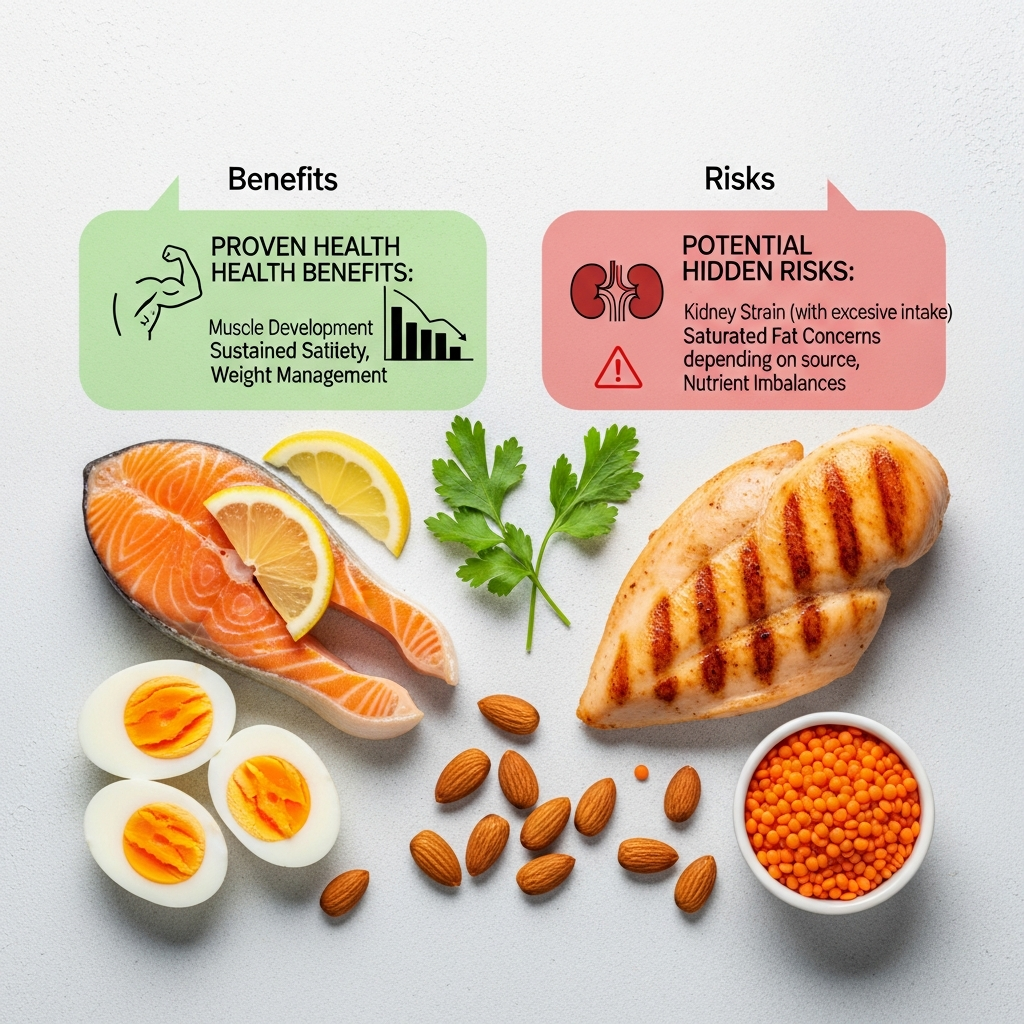
High-protein diets have surged into the spotlight, promising everything from effortless weight loss to enhanced muscle growth. But with so much information circulating, it’s easy to wonder: are these eating plans truly revolutionary, or just another fleeting health trend? This comprehensive guide cuts through the marketing noise, exploring the science-backed benefits, potential dangers, and expert recommendations for smart protein choices.
The allure of protein is undeniable. From fitness influencers to supermarket aisles, “protein-packed” labels adorn an increasing array of foods. The global market for protein-enhanced snacks alone is projected to reach a staggering $101 billion by 2032. This widespread popularity is fueled by a simple, persuasive message: “eat more protein, lose fat, build muscle, stay fuller.” However, genuine nutrition is rarely that straightforward.
Understanding Protein: More Than Just Muscle
Protein is one of the three essential macronutrients, crucial for virtually every bodily function. Unlike carbohydrates and fats, which primarily provide energy, protein is the building block for tissues, muscles, enzymes, and hormones. It’s vital for repairing cells, supporting immune health, and even creating new ones. Composed of amino acids, nine of which are “essential” and must come from our diet daily, protein cannot be stored by the body like other nutrients. This necessitates consistent daily intake to prevent the body from breaking down its own muscle tissue for amino acids.
The Power of Protein: Key Benefits
When consumed thoughtfully, higher protein intake offers several well-documented advantages:
Muscle Growth and Repair
Protein is synonymous with muscle building. For athletes, active individuals, and older adults, adequate protein is critical for repairing muscle fibers after exercise and maintaining strength. Studies, including some noted in Frontiers, consistently show positive outcomes when higher protein intake is combined with regular physical activity.
Satiety and Weight Management
Protein promotes a feeling of fullness, which can significantly aid in weight management. By increasing satiety, it helps reduce overall calorie intake, curb cravings, and prevent overeating or snacking on less healthy options. This makes it a valuable tool for those aiming to lose weight or maintain a healthy body composition.
Blood Sugar Regulation
For individuals managing Type 2 diabetes, higher protein diets have shown promising short-term improvements. Research published in Elsevier indicates that increased protein intake can help with weight loss and better blood sugar control, contributing to overall metabolic health.
Essential for Overall Health
Beyond muscle, protein plays a fundamental role in supporting the immune system, producing crucial hormones, and maintaining tissue integrity throughout the body. Experts like Ms. Kalpana Gupta, HOD of Clinical Nutrition at Max Smart Super Speciality Hospital, Saket, emphasize its major role in these functions. She also points out that many populations, such as Indians, often consume less protein than recommended by guidelines like those from ICMR.
The Downside: Potential Risks of Excessive Protein
While beneficial, the “more is better” philosophy doesn’t apply indefinitely to protein. Once the body’s needs are met, extreme intake can lead to potential health concerns:
Kidney Strain
Very high protein consumption can place an increased burden on the kidneys, which work harder to excrete protein waste products. This risk is particularly elevated for individuals with pre-existing kidney problems or those not on dialysis. It underscores the importance of medical consultation before drastically altering protein intake.
Cardiovascular Concerns
A recent long-term study published in Nutrients linked very high protein consumption to an increased risk of heart problems and other major health events in older adults. This suggests that while protein is important, its source and quantity need careful consideration, especially as we age.
Nutrient Deficiencies and Digestive Issues
Over-relying on protein can inadvertently displace other vital nutrients. If your diet is too protein-heavy, you might miss out on essential fiber, vitamins, and minerals typically found in plant-based foods. This imbalance can lead to digestive problems like constipation and poorer long-term health outcomes, as Ms. Gupta cautions.
Navigating Protein Quality: Beyond the Numbers
The recommended daily allowance (RDA) for protein for most adults is around 0.8 grams per kilogram of body weight (g/kg/d). However, this is primarily a minimum to prevent deficiency, not necessarily an optimal intake for all. Active individuals, athletes, and older adults may benefit from higher amounts, often between 1.2 to 2 g/kg/d, to support muscle repair, growth, and counteract age-related muscle loss. For most healthy people, consuming within this range is generally not associated with adverse effects like kidney failure or cancer.
The “Anabolic Window” Myth
Many fitness enthusiasts once believed in a narrow “anabolic window”—a short period post-workout where protein consumption was supposedly critical for muscle gain. This concept has largely been debunked. Muscles remain sensitive to protein’s muscle-building effects for at least 24 hours after exercise. Prioritizing consistent, adequate daily protein intake is far more impactful than stressing over an immediate post-workout shake.
Source Matters: Plant vs. Animal Protein
The “protein package” is crucial. This means considering not just the protein content, but also the accompanying fats, fiber, and sodium. Plant-based proteins (legumes, soy, nuts, seeds, whole grains) are often linked to a lower risk of chronic diseases and come packed with fiber and beneficial phytonutrients. Animal proteins (meat, fish, eggs, dairy) typically offer a complete profile of essential amino acids and are highly bioavailable. A well-planned, varied diet incorporating both, or exclusively plant-based with strategic choices, can meet all essential amino acid needs. However, processed or fatty animal meats may contribute more saturated fats and other less desirable components.
The Deceptive “High-Protein” Snack Craze
The rising tide of “high-protein” packaged snacks, from chips to candy bars, often presents a misleading picture. Food policy experts like Darin Detwiler and nutrition directors like Stefan Pasiakos note that these “health halo” products frequently leverage protein claims while masking high levels of added sugars, unhealthy fats, sodium, and artificial additives. A snack might boast 5 grams of protein but contain 16 grams of sugar, as seen in some examples.
Becoming a Label-Literate Consumer
Because regulatory standards for “high protein” claims can be less stringent than for “healthy” labels, consumers must become “label-literate.” Don’t just look at the front-of-package claims. Scrutinize the full nutrition facts panel for:
Added Sugars: Aim for less than 10 grams of added sugar per serving.
Sodium: Be mindful of high sodium levels, especially if you consume multiple servings.
Protein-to-Calorie Ratio: To truly gauge if a food is high in protein, multiply the protein grams by 4 (calories per gram of protein) and divide by the total calories. Aim for 30% or more of calories from protein. Alternatively, look for 20% or more of the Daily Value (DV) for protein on the label.
Ingredients List: Be wary of highly processed protein isolates (like soy protein isolate or hydrolyzed collagen) which lack the natural matrix, fiber, and micronutrients of whole foods.
As registered dietitian Clare Parme Miller cautions, “Whatever you do, don’t eat gobs and gobs of protein, even if it says high protein on the label. Protein foods, especially ones that also contain fats, are not calorie free.”
Expert Recommendations for Smart Protein Consumption
To truly benefit from protein, experts universally recommend focusing on whole, minimally processed foods and moderation.
Prioritize Whole Foods: Opt for natural protein sources like lean meats, poultry, fish, eggs, dairy products (Greek yogurt, cottage cheese), legumes (beans, lentils), nuts, and seeds.
Distribute Intake: Instead of consuming a large amount in one sitting, aim to incorporate a protein source into every meal and snack. This could be milk or eggs for breakfast, a serving of dal or chicken for lunch, and nuts or roasted chana as snacks.
Balance Your Plate: A well-rounded meal should include not only a good source of protein but also plenty of vegetables, fruits, and whole grains to ensure adequate fiber and micronutrient intake.
Individual Needs: Remember that protein requirements vary based on age, gender, activity level, and health status.
- Consult a Professional: Before making significant dietary changes or relying heavily on protein supplements, it’s always best to consult a doctor or a qualified nutrition expert. This is especially important if you have underlying health conditions.
- timesofindia.indiatimes.com
- www.npr.org
- nutritionsource.hsph.harvard.edu
- theconversation.com
- news.northeastern.edu
Frequently Asked Questions
What is the optimal daily protein intake for most adults?
While the minimum recommended daily allowance (RDA) for adults is around 0.8 grams per kilogram of body weight, many experts and recent guidelines, like the 2025–2030 Dietary Guidelines for Americans, suggest a higher intake. For optimal health, muscle maintenance, and satiety, especially for older adults or active individuals, consuming 1.2 to 1.6 grams per kilogram of body weight per day is often recommended. For someone weighing 65kg, this could mean between 78g to 104g daily.
Which protein sources are considered best for overall health?
The best protein sources are whole, minimally processed foods from both plant and animal origins. Plant-based options such as lentils, beans, chickpeas, nuts, seeds, and soy products (like tofu or tempeh) are excellent as they also provide fiber and a range of beneficial micronutrients. Lean animal proteins like fish, poultry, eggs, and dairy (Greek yogurt, cottage cheese) offer complete amino acid profiles. The key is to consider the entire “protein package”—including fats, fiber, and sodium—rather than just the protein grams.
Should I rely on high-protein processed snacks for my daily protein needs?
Generally, relying heavily on high-protein processed snacks is not recommended. While convenient, these products often carry a “health halo” that can mislead consumers. They frequently contain high levels of added sugar, unhealthy fats, and sodium, and are typically ultra-processed, stripping them of the natural fiber and micronutrients found in whole foods. It’s far better to meet your protein needs through whole food snacks like Greek yogurt, a handful of nuts, roasted chickpeas, or a boiled egg.
The Smart Path Forward
Protein is undeniably an essential nutrient, crucial for numerous bodily functions. Its role in muscle building, satiety, and overall health is well-established. However, the path to maximizing its benefits is paved with moderation, mindful choices, and an emphasis on quality over sheer quantity. By prioritizing whole food sources, understanding your individual needs, and being discerning about processed “high-protein” products, you can harness protein’s power to support a truly healthy and balanced lifestyle.