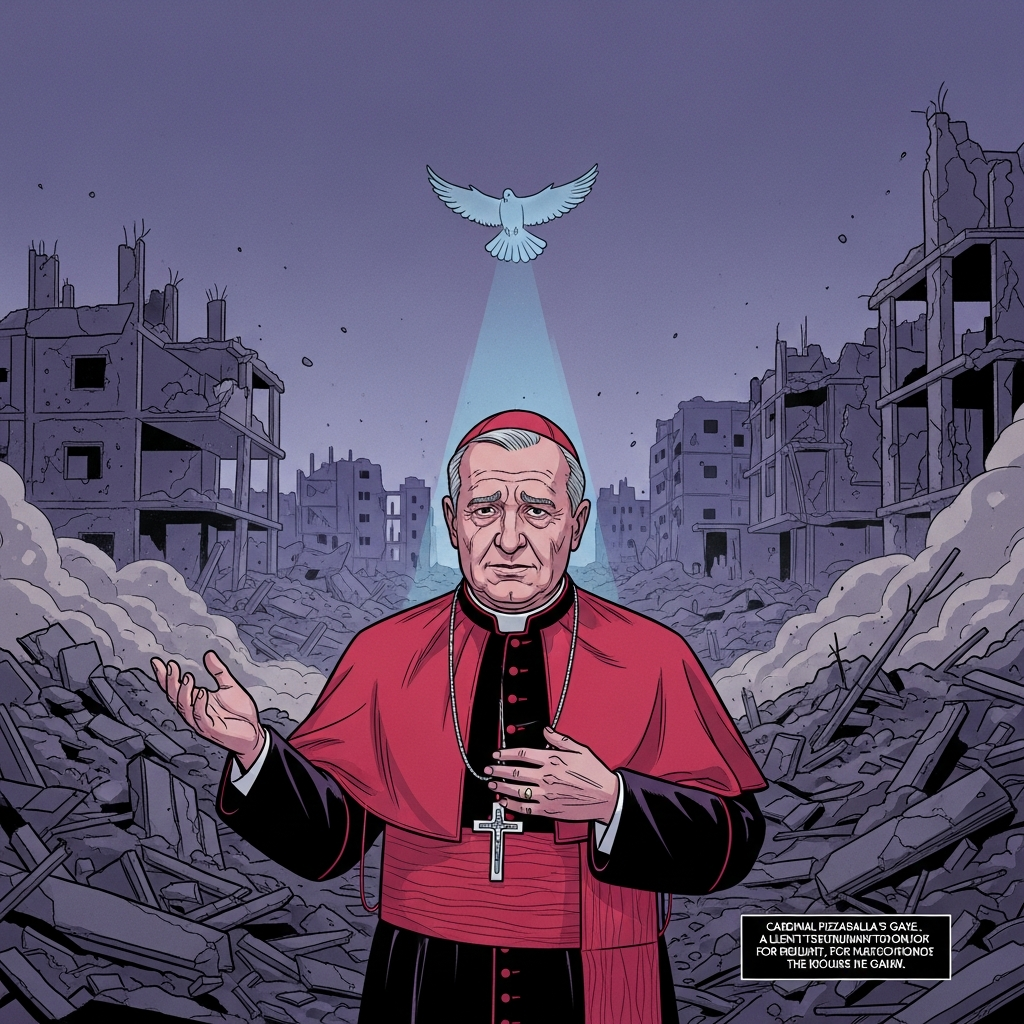
Latin Patriarch of Jerusalem, Cardinal Pierbattista Pizzaballa, recently concluded a significant pastoral visit to the Gaza Strip, marking his second trip in six months and the first since the area’s most recent ceasefire. His assessment paints a stark picture of widespread destruction and humanitarian crisis, yet also reveals a remarkable resilience and an undeniable “desire to return to life” among the exhausted populace. This comprehensive report details the urgent needs in Gaza, the unwavering commitment of the Catholic Church, and the fragile but persistent signs of hope illuminating the path toward recovery.
A Beacon of Hope Amidst Devastation in Gaza
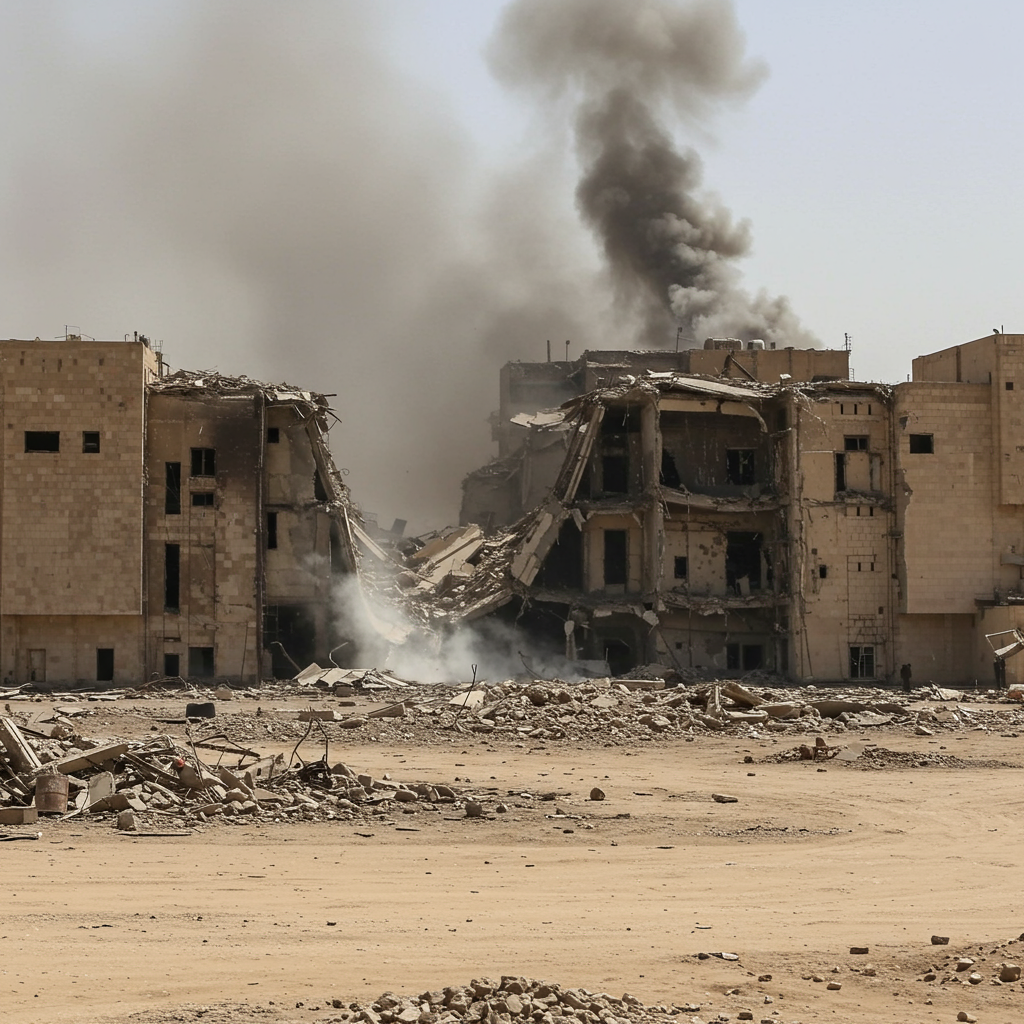
Cardinal Pizzaballa’s December 2025 visit, spanning three days, offered critical pastoral support to the Christian faithful of the Holy Family Parish. He arrived to find a landscape drastically altered by prolonged conflict. His sobering assessment confirms that over 80 percent of Gaza’s vital infrastructure lies destroyed, with many remaining buildings uninhabitable or at risk of collapse. The severe deterioration forces most residents into makeshift tents, where the Cardinal personally experienced the biting cold – a particular concern for the countless children.
Despite this immense adversity, a powerful human spirit prevails. Cardinal Pizzaballa observed a “desire to return to life,” noting rudimentary stalls selling fruit and vegetables emerging in tent camps. While the immediate “situation of famine is behind us” thanks to international humanitarian aid, the economic landscape remains “catastrophic.” With no work or income, the majority of Gazans are entirely dependent on external assistance for their daily sustenance.
The Plight of Gaza’s Children: A Call to Action
The Cardinal was deeply moved by the sheer number of children in the streets, observing that “they should be in school.” The education of Gaza’s youth has become a paramount priority for the Latin Patriarchate, aiming to facilitate the resumption of classes as swiftly as possible. Paradoxically, the children also presented a profound “lesson” in hope. Their enthusiasm, “full of joy, full of life,” left a deep impression, with Cardinal Pizzaballa expressing his belief that “they will save our communities.” This youthful resilience stands as a powerful symbol, especially pertinent during the Christmas season, a time traditionally associated with new beginnings and the innocence of childhood.
The Church’s Unwavering Commitment: Material & Spiritual Aid
The Latin Patriarchate of Jerusalem stands ready to address both the spiritual and material needs of the people of Gaza. The immediate medical needs are dire, with a severe lack of medicines and extensive damage to hospital infrastructure requiring urgent medical equipment. The Church’s role extends beyond immediate relief, emphasizing its duty to “remain Church” by offering consistent spiritual and pastoral support to a community facing profound exhaustion.
During his visit, accompanied by Msgr. William Shomali, the Latin Patriarch confirmed the Church’s deep solidarity with the Christian community and all Gazans. The delegation’s activities underscored this commitment, including visits to Caritas Gaza, a medical clinic, Catholic Relief Services aid distribution points, and other humanitarian institutions. These tours provided direct briefings on prevailing health and humanitarian conditions and ongoing support efforts. The Cardinal’s presence, welcomed warmly with songs by parishioners and children, symbolized an affirmation of the Church’s continued, tangible presence.
Resilience and Faith: The Holy Family Parish Community
The Holy Family Parish, led by Father Gabriel Romanelli, remains a vital hub of refuge and spiritual strength. Approximately 400 people still find shelter within its grounds, a testament to the parish’s role as a sanctuary. The community’s “strong faith” impressed Cardinal Pizzaballa, who described them as a powerful testament to resilience. The visit culminated in a Christmas Mass, a deeply symbolic event featuring the First Communion of nine children and the baptism of baby Marco. These sacraments, particularly baptism, were highlighted by the Cardinal as the “best way to say that we believe in life and in Jesus,” offering a unique perspective of hope amidst destruction. He stressed that “there is no Christmas without baptism,” underscoring these acts as signs of renewed life and faith.
Beyond Gaza: A Broader Call for Peace and Dignity
Cardinal Pizzaballa acknowledged the difficulty in speaking of hope when “the war has stopped, but the conflict is still present.” His concerns extend beyond Gaza to the West Bank, noting tensions between Palestinian villages and Israeli settlements, and the deep exhaustion of Christian communities throughout the region who are “tired from the war.” He urged a crucial shift from a state of opposition to a constructive one, emphasizing that while “we cannot ignore what has happened, nor believe that peace will arrive tomorrow,” proactive steps are essential.
Speaking in Detroit, the Cardinal provided a broader context, describing the “human devastation” in Gaza as leaving a landscape reduced to “a long desert full of ruins.” He condemned the initial Hamas attack of October 7, 2023, as “horrible” and “not acceptable,” but equally criticized the subsequent Israeli retaliation as “an even more difficult answer” and “unacceptable, unjustifiable.” He provided stark figures: an estimated 70,000 killed since the Israeli invasion, over 80% of houses destroyed, and no remaining schools, hospitals, water, or electricity. He noted that nearly 2 million people have been displaced, and the Christian population in Gaza has plummeted from approximately 1,000 to just 541, many succumbing to direct conflict or lack of basic necessities. For a lasting solution, he stressed the imperative of recognizing Palestinians “as people with their dignity and a right of self-determination.”
A Historical Context of Crisis: The 2025 Church Attack
The Church’s commitment to Gaza has been profoundly tested. Just months prior to Cardinal Pizzaballa’s December visit, on July 17, 2025, the Holy Family Church in Gaza, the sole Catholic church in the region, suffered a direct Israeli tank shell strike. This tragic incident resulted in three fatalities and several injuries, including Father Gabriel Romanelli. In response, Pope Leo XIV personally contacted Cardinal Pizzaballa and Israeli Prime Minister Benjamin Netanyahu, condemning the “unjustifiable attack” and reiterating urgent calls for a ceasefire, renewed negotiations, and protection of places of worship and all civilians. Cardinal Pizzaballa, accompanied by Patriarch Theophilos III, immediately traveled to Gaza following the attack, delivering vital humanitarian aid and facilitating the evacuation of injured individuals. This earlier event profoundly underscores the ongoing challenges and the Church’s consistent, active presence amidst extreme danger.
Rebuilding Lives: A Shared Mission of Hope
Cardinal Pizzaballa’s core message revolves around a dual call: to rebuild materially—restoring schools, homes, and essential infrastructure—and spiritually, by healing hearts and fostering hope. He affirmed the community’s deep roots, stating, “We are rooted here, and we will remain here. We want to be a stable and solid reference point in this sea of destruction.” He concluded his Christmas visit by reassuring the community, “You are not alone. Together, we will rebuild everything.”
This mission of rebuilding is rooted in the belief that “only love can build.” The Cardinal’s message of hope is not naive but grounded in faith, emphasizing that “hope needs faith” and is manifested in the selfless actions of individuals from all backgrounds. The Latin Patriarchate, with global support, aims to rebuild “at least one school” and continue providing critical assistance for food, healthcare, and basic necessities. Ultimately, the Church strives to be “the voice of all the poor and of all those who suffer because of war,” dedicated to bringing stability back to Gaza.
Frequently Asked Questions
What is the current humanitarian situation in Gaza according to Cardinal Pizzaballa?
According to Cardinal Pierbattista Pizzaballa’s December 2025 assessment, the humanitarian situation in Gaza is catastrophic. Over 80% of infrastructure is destroyed, with most residents living in tents and experiencing severe cold. While the immediate famine has eased due to international aid, the economy has completely halted, leaving most Gazans without work or income and reliant on assistance. Critical shortages of medicines, damaged hospital infrastructure, and a widespread lack of basic services remain pressing concerns.
Which specific aid and support efforts is the Latin Patriarchate of Jerusalem undertaking in Gaza?
The Latin Patriarchate of Jerusalem is actively engaged in both spiritual and material aid. Spiritually, they provide pastoral support and foster hope, especially during religious seasons. Materially, their efforts include facilitating the delivery of vital humanitarian assistance, such as food and medical supplies, addressing the severe lack of medicines, and supporting the rebuilding of damaged hospital infrastructure. A key priority is also the resumption of children’s schooling, and they are committed to restoring homes and advocating for essential services like water and electricity.
How can international communities best support reconstruction and peace efforts in Gaza?
Cardinal Pizzaballa emphasizes the need for international communities to shift from a state of opposition to a constructive one. This involves not only providing crucial humanitarian aid and supporting organizations like the Latin Patriarchate, Caritas, and Catholic Relief Services, but also advocating for the dignity and self-determination of Palestinians. Specific support for rebuilding initiatives, such as funding for schools and homes, is essential. The Church also calls for a renewed commitment to peace negotiations and ensuring the protection of civilians and places of worship.