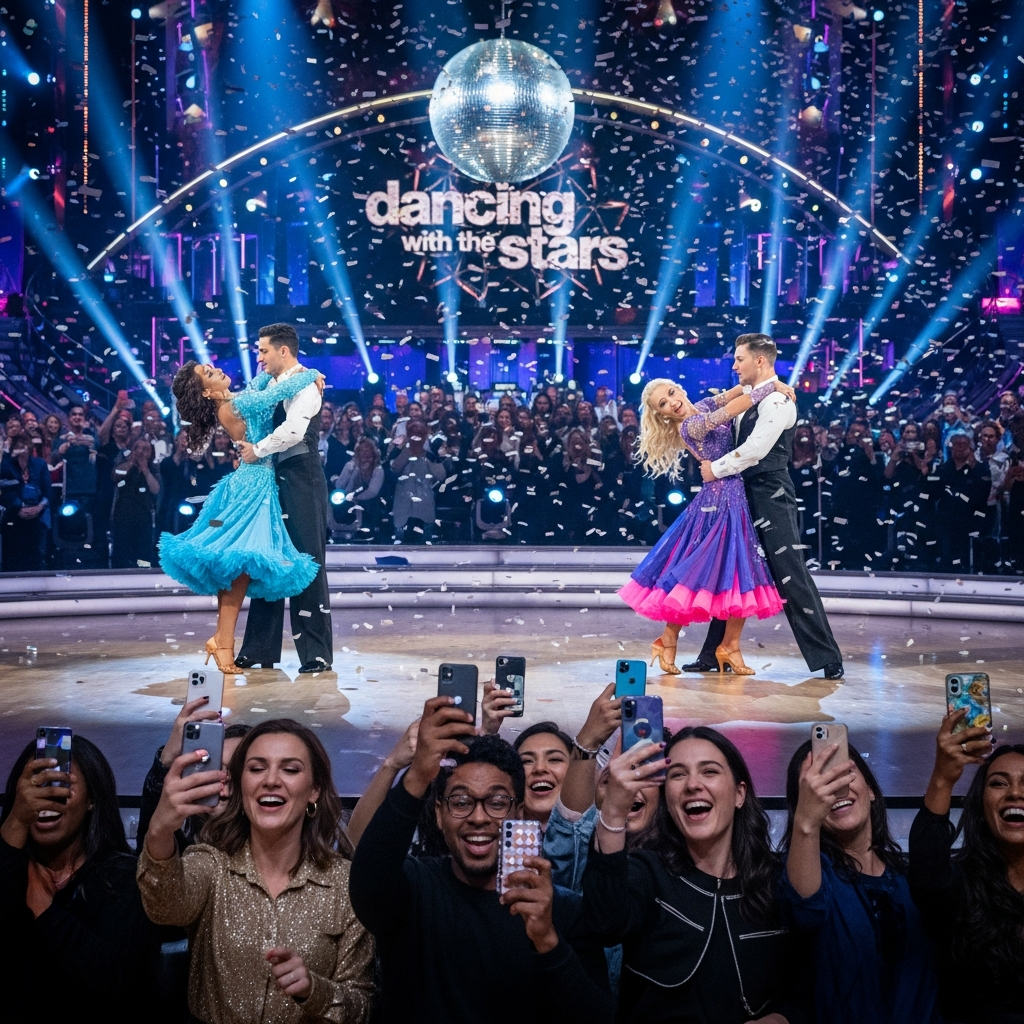
“Dancing with the Stars” (DWTS) has orchestrated a dazzling comeback, captivating a new generation of viewers, particularly Gen Z. Now in its 20th year, the ballroom competition has defied typical reality TV lifecycles, proving that strategic social media engagement and savvy celebrity casting can revitalize even the most established shows. This unprecedented resurgence saw Season 34 break viewership records, attracting millions and sparking conversations across a fragmented media landscape. Experts point to a carefully crafted strategy that redefined “appointment television” for a digitally native audience, seamlessly blending traditional broadcast with an immersive online experience.
The Surprising Comeback of a Reality TV Stalwart
For two decades, “Dancing with the Stars” has been a fixture in reality television. However, like many long-running series, it faced a period where its “novelty wore off,” as entertainment journalist Natalie Jarvey observed. By 2022, New York Times reporter Shivani Gonzalez noted the show’s audience had a median age of 63.5. This demographic trend signaled a need for evolution. The show’s production team recognized the imperative to adapt, ushering in a transformative era that would surprisingly resonate with younger audiences.
The changes initiated around 2022 were nothing short of revolutionary. Instead of a slow decline, DWTS engineered a remarkable ratings climb. Season 34, for instance, saw consistent growth, with its semi-final episode delivering the best performance among 18-34 year olds in a decade. It also shattered voting records, with an astounding 55.9 million votes cast. This triumph wasn’t accidental; it was the result of a deliberate, multi-faceted strategy designed to win over a demographic known for its discerning tastes and digital-first consumption habits. The show returned to ABC while simultaneously leveraging Disney+, creating a simulcast model that made it impossible to miss.
Reimagining Celebrity: The Rise of Viral Stars
One of the most impactful shifts was a complete overhaul of the casting playbook. DWTS redefined what constitutes a “celebrity” in the modern era, actively seeking out internet personalities with massive online followings and high viral potential. This strategic move recognized that today’s stars aren’t solely found on traditional screens.
Key examples highlight this successful pivot:
Charli D’Amelio: The TikTok superstar’s inclusion in Season 31 was a game-changer. She not only brought in a massive younger audience but also used the platform to legitimize herself as a performer. Her eventual win underscored the power of this new casting approach.
Alix Earle: Following D’Amelio’s path, TikTok sensation Alix Earle joined Season 34. Her participation further cemented the show’s commitment to tapping into the influencer ecosystem, ensuring a fresh wave of young, engaged viewers.
Diverse Online Niches: The cast of Season 34 broadened this strategy, featuring a constellation of internet figures. This included “The Traitors” winner Dylan Efron, Olympian Jordan Chiles, and stars from “The Secret Lives of Mormon Wives.” According to Jarvey, this diverse inclusion of online niches created “a magic recipe for success.” Each contestant brought their disparate social media audiences directly to the show.
This approach was mutually beneficial. Not only did DWTS gain younger viewers, but it also offered social media personalities a powerful platform to expand their reach and showcase new talents. The decision to cast popular online personalities “reads very seamlessly,” as Gonzalez pointed out, given the widespread popularity of dance trends on TikTok.
Crafting a Multi-Platform Digital Ecosystem
Historically, DWTS “didn’t really worry itself too much with keeping up with trends,” Gonzalez noted. However, this dramatically changed. The show developed a comprehensive online strategy tailored for a generation that consumes content on their phones. This isn’t just about clips; it’s a fully integrated “ecosystem,” as Gonzalez described it, designed to keep fans engaged throughout the entire week.
The show’s commitment to a TikTok-driven strategy is evident in several key areas:
Abundant Online Content: Between episodes, fans can access full performance videos, behind-the-scenes footage, and trendy clips. This continuous stream of content ensures DWTS remains top-of-mind.
Live TikTok Broadcasts: Season 34 introduced TikTok livestreams during the actual episodes, hosted by professional dancers. This interactive second-screen experience makes viewers feel part of the live event.
Official Podcast: The show launched an official podcast, hosted by Season 33 winner Joey Graziadei, further extending its reach into auditory content consumption.
- Dedicated TikTok Night: DWTS even leaned into its digital inspiration with a full episode dedicated to songs and dances that had trended on TikTok. This directly acknowledged and celebrated the platform that became central to its revival.
- www.cbc.ca
- theankler.com
- likeandsubscribenews.substack.com
- www.cornellsun.com
- www.upworthy.com
The results are staggering. Seven of the top 25 most popular videos of all time on the show’s official YouTube channel are from Season 34, many featuring popular figures like conservationist Robert Irwin. On Instagram and TikTok, content from celebrity contestants, professional dancers, and even musicians routinely garners hundreds of thousands, if not millions, of views. This continuous digital presence fosters “fan culture,” driving deeper engagement and transforming viewership into active participation.
Redefining Fan Engagement and Voting Dynamics
The shift to a younger, more engaged online audience has also reshaped viewer voting behavior. In the past, voting might have been purely about “who I think is best,” Gonzalez explained. Now, it’s increasingly driven by “fan culture.” Viewers are more likely to rally behind their favorite online personalities, transforming the competition into a popularity contest fueled by social media campaigns.
This virality, while incredibly successful, introduces a fascinating trade-off. There’s “probably more of an inclination” to create choreography that is not only compelling for judges but also enticing and replicable for the average viewer, Gonzalez suggested. This focus on “viral potential” might mean “lessen[ing] the difficulty of the choreography a bit,” making dances more accessible and shareable. However, Jarvey emphasizes that “the dance is still the most important piece of this show,” indicating a delicate balance between artistic integrity and mainstream appeal.
Despite these adaptations, a remarkable aspect of this rebrand is its ability to retain long-time fans. Gonzalez noted comments from older viewers expressing surprise and appreciation for new talents like Alix Earle, stating, “I had no idea who Alix Earle was, but she’s a phenomenal dancer.” This intergenerational appeal is rare, demonstrating DWTS’s mastery in evolving without alienating its traditional viewership. It’s a testament to the show’s ability to weave modern trends into its classic format.
The Future of “Appointment Television”
The success of “Dancing with the Stars” in captivating Gen Z offers profound lessons for the future of traditional media. It demonstrates that “appointment television” isn’t dead; it’s merely transformed. Live broadcasts now serve as a cornerstone of a much larger, week-long digital event. The show’s strategic embrace of influencer marketing, coupled with an active, multi-platform social media strategy, has created an immersive experience that resonates deeply with digital natives.
This innovative approach has solidified DWTS’s position as a cultural touchstone. By prioritizing authenticity, transparency, and continuous engagement, the show has proven that even a 20-year-old format can remain fresh and relevant. It successfully navigates the complexities of modern media consumption, showing other traditional programs how to not only survive but thrive in a rapidly evolving digital landscape. The ongoing challenge for DWTS will be to maintain this delicate balance: honoring its ballroom roots while continuing to innovate and connect with new generations of fans.
Frequently Asked Questions
How did Dancing with the Stars specifically attract Gen Z viewers?
“Dancing with the Stars” attracted Gen Z through a dual strategy: reinventing its celebrity casting and developing a robust, TikTok-driven social media ecosystem. The show began featuring viral internet personalities like Charli D’Amelio and Alix Earle, leveraging their pre-existing online fanbases. Simultaneously, DWTS created extensive digital content—including TikTok livestreams, behind-the-scenes videos, and an official podcast—to keep viewers engaged on platforms they frequently use, transforming the weekly broadcast into a continuous, immersive digital experience.
What kind of digital content does DWTS create to engage fans between episodes?
Between episodes, DWTS generates a wide array of digital content to maintain fan engagement. This includes full performance videos, exclusive behind-the-scenes footage, and trendy clips circulated across platforms like YouTube, Instagram, and TikTok. Season 34 specifically introduced TikTok livestreams during broadcasts, hosted by professional dancers, and an official podcast. This multi-platform content strategy ensures that fans have continuous access to show-related material, fostering a strong sense of community and “fan culture.”
What are the key lessons other traditional media can learn from DWTS’s Gen Z strategy?
Other traditional media outlets can learn several key lessons from DWTS’s success with Gen Z. Firstly, redefining “celebrity” to include online influencers can unlock vast, engaged audiences. Secondly, developing a comprehensive, multi-platform digital content strategy, particularly leveraging platforms like TikTok, is crucial for continuous engagement beyond broadcast times. Lastly, traditional shows must embrace “fan culture” and interactive elements to create an immersive, week-long experience, thereby transforming scheduled viewing into a more dynamic and participatory form of “appointment television.”