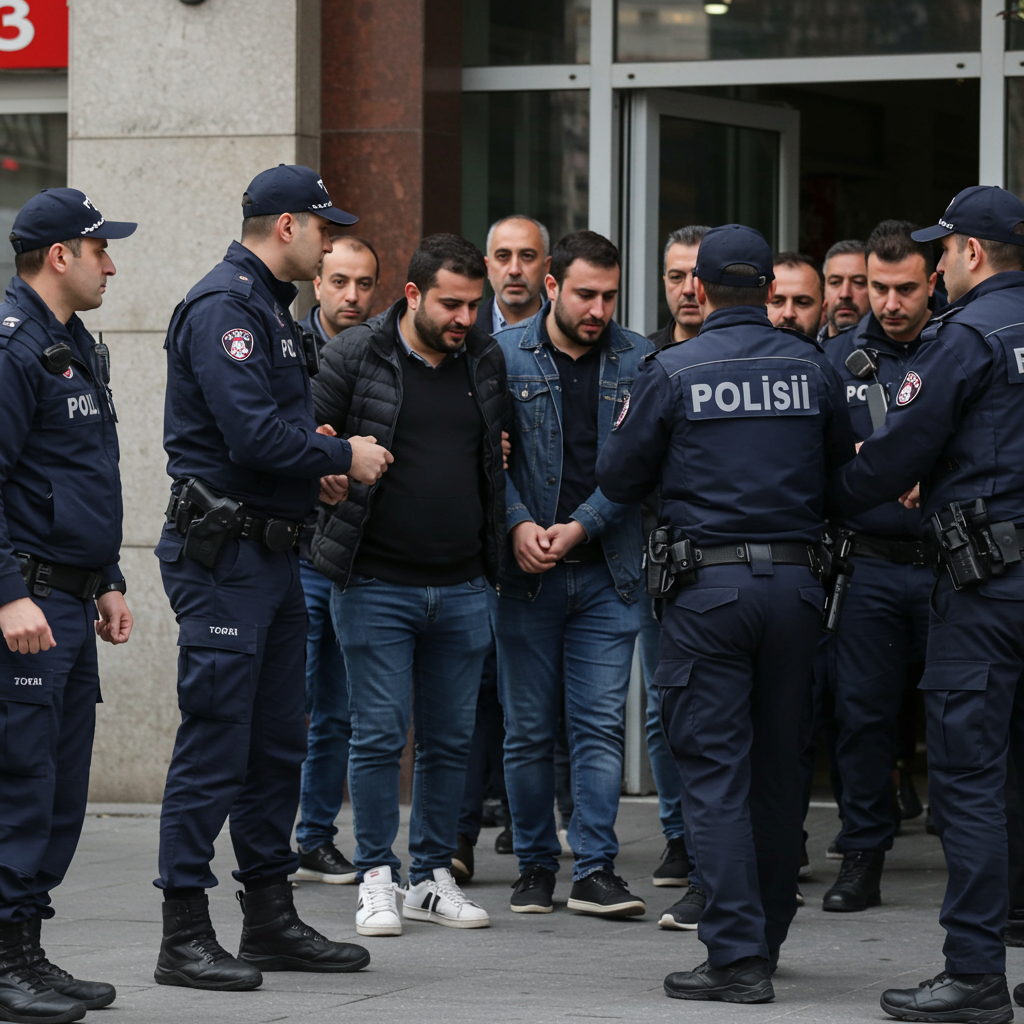
Palestinian activist Mahmoud Khalil now faces a heightened risk of re-arrest and expulsion from the United States following a critical decision by the Board of Immigration Appeals (BIA). The immigration appeals board recently denied Khalil’s latest plea to dismiss his deportation case. This ruling, issued on April 10, 2026, marks a significant setback for the former Columbia University graduate student. His legal team acknowledges the final order of removal, emphasizing the urgent stakes involved in this high-profile case.
A Critical Setback in a High-Stakes Legal Battle
The Board of Immigration Appeals (BIA), which plays a crucial role in setting precedent within the U.S. immigration court system, has issued a final order of removal against Mahmoud Khalil. This decision brings the 31-year-old legal permanent resident one step closer to potential expulsion. Khalil, born in Syria to a Palestinian family and holding Algerian citizenship, has voiced strong concerns over the ruling. He described the decision as “biased and politically motivated.”
His attorneys contend that despite this BIA ruling, Khalil cannot be lawfully detained or deported. They emphasize his ongoing pursuit of a separate legal challenge within the federal court system. The BIA’s rulings are not public, and while a U.S. Department of Justice inquiry regarding this specific case has not been publicly returned, the impact on Khalil’s future is undeniable. His situation underscores the complex interplay between immigration law, civil liberties, and political activism.
The BIA’s Authority and the Immigration System
The Board of Immigration Appeals operates as the highest administrative body for interpreting and applying immigration laws. It is controlled by the Department of Justice. Critics argue that the system has increasingly fallen under the influence of the current administration, leading to concerns about fairness in cases involving politically sensitive issues. This environment may create additional challenges for individuals like Khalil navigating the intricate legal framework.
Mahmoud Khalil’s Journey: Activism, Arrest, and Detention
Mahmoud Khalil’s case gained national attention as he became the first publicly known individual arrested during a federal crackdown. This initiative targeted noncitizens who openly criticized Israel and its actions in Gaza. Khalil’ was a prominent leader in pro-Palestinian protests at Columbia University. He has consistently maintained that his activism is a principled stance against what he describes as “genocide in Palestine.” He stated, “The only thing I am guilty of is speaking out against the genocide in Palestine — and this administration has weaponized the immigration system to punish me for it.”
The government has alleged that Khalil’s efforts were “aligned to Hamas.” However, it has not presented any evidence to substantiate a connection between him and the designated terrorist group. Khalil has adamantly denied all allegations of antisemitism and any ties to Hamas. This lack of presented evidence remains a central point of contention for his legal defense.
A Period of Detention and Personal Hardship
Khalil’s legal struggles began in March 2025 with his initial arrest. He subsequently spent 104 days in an immigration jail, a period during which he tragically missed the birth of his first child. A federal judge in New Jersey eventually ordered his release, highlighting the procedural complexities and humanitarian considerations often present in such cases. This initial release provided a brief reprieve, yet his legal battle was far from over. His continued fight for his status as a legal permanent resident has become a focal point for activist groups nationwide.
The Tangled Web of Federal and Immigration Courts
The path through the U.S. legal system for individuals facing deportation is often convoluted, involving multiple layers of review. Khalil faced a significant setback earlier this year in his federal case. A U.S. appeals panel, in a 2-1 decision, ruled that the New Jersey judge had overstepped his authority by ordering Khalil’s release. This panel determined that existing law generally requires immigration cases to fully advance through the immigration court system before they can be challenged in federal court. This ruling effectively pushed Khalil’s case back into the administrative review process, leading to the BIA’s recent decision.
Ongoing Legal Maneuvers and Ethical Questions
Khalil’s legal team is not deterred by these challenges. They are actively requesting the full appeals panel to reconsider its decision, hoping for a more favorable outcome. Furthermore, earlier this month, his lawyers asked one of the appellate panel’s judges to recuse himself. This request was based on the judge’s previous role as a top Justice Department official involved in investigating student protesters. Such a request raises questions about potential conflicts of interest and the appearance of impartiality in politically charged cases. The outcome of these motions could significantly influence the trajectory of Mahmoud Khalil deportation proceedings.
The Broader Implications: Free Speech and Deportation Fears
The case of Mahmoud Khalil extends beyond individual legal proceedings; it touches upon fundamental issues of free speech, political dissent, and the rights of noncitizens in the United States. His accusation that the administration has “weaponized the immigration system” resonates with many civil liberties advocates. They argue that immigration status should not be used as a tool to silence criticism or suppress activism. The high stakes involved in cases like Khalil’s highlight the precarious position of noncitizen activists, whose ability to speak out may be inextricably linked to their right to remain in the country.
Khalil’s fears about his safety if deported are particularly stark. Given his background, born in Syria to a Palestinian family and holding Algerian citizenship through a distant relative, he has voiced grave concerns. He believes he could be “targeted, and even killed,” if compelled to return to either country. This aspect of his case underscores the profound human impact of deportation decisions, especially when individuals face potential persecution in their countries of origin. His story prompts crucial conversations about international human rights protections.
Frequently Asked Questions
What is the Board of Immigration Appeals (BIA) and what was its recent decision regarding Mahmoud Khalil?
The Board of Immigration Appeals (BIA) is the highest administrative body within the Executive Office for Immigration Review, responsible for reviewing decisions made by immigration judges. On April 10, 2026, the BIA issued a final order of removal against Palestinian activist Mahmoud Khalil, denying his appeal to dismiss his deportation case. This decision significantly advances his case toward potential re-arrest and expulsion from the U.S., though BIA rulings are not publicly disclosed.
What are Mahmoud Khalil’s remaining legal options after the BIA’s final order of removal?
Following the BIA’s final order, Mahmoud Khalil’s legal team is pursuing options within the federal court system. His attorneys are requesting that the full U.S. appeals panel reconsider an earlier 2-1 decision that ruled a New Jersey federal judge overstepped his authority by releasing Khalil. Additionally, his lawyers have sought the recusal of one appellate judge, citing his previous involvement as a top Justice Department official in investigating student protesters. These actions aim to challenge the deportation order through judicial review.
Why is Mahmoud Khalil’s deportation case considered significant in the context of U.S. immigration and activism?
Mahmoud Khalil’s case is significant because it highlights the tensions between free speech, immigration status, and government responses to activism related to international conflicts. He was the first publicly known individual arrested in a federal crackdown targeting noncitizens critical of Israel. Khalil claims the immigration system has been “weaponized” to punish his pro-Palestinian advocacy. The case raises concerns about due process, the potential for political influence in immigration courts, and the severe risks activists with precarious immigration statuses may face, including fears of persecution if deported.
Conclusion
The recent denial of Mahmoud Khalil’s appeal by the Board of Immigration Appeals represents a critical juncture in his complex legal battle. While his attorneys continue to explore avenues within the federal court system, the final order of removal places him one step closer to potential deportation. This case not only determines the fate of a prominent Palestinian activist but also brings into sharp focus broader questions about free speech, the role of political influence in immigration proceedings, and the fundamental rights of noncitizens. As Khalil’s legal fight continues, his situation serves as a powerful reminder of the profound human stakes embedded within the intricate U.S. immigration framework. The unfolding events will undoubtedly have lasting implications for similar cases and the landscape of activism in the United States.