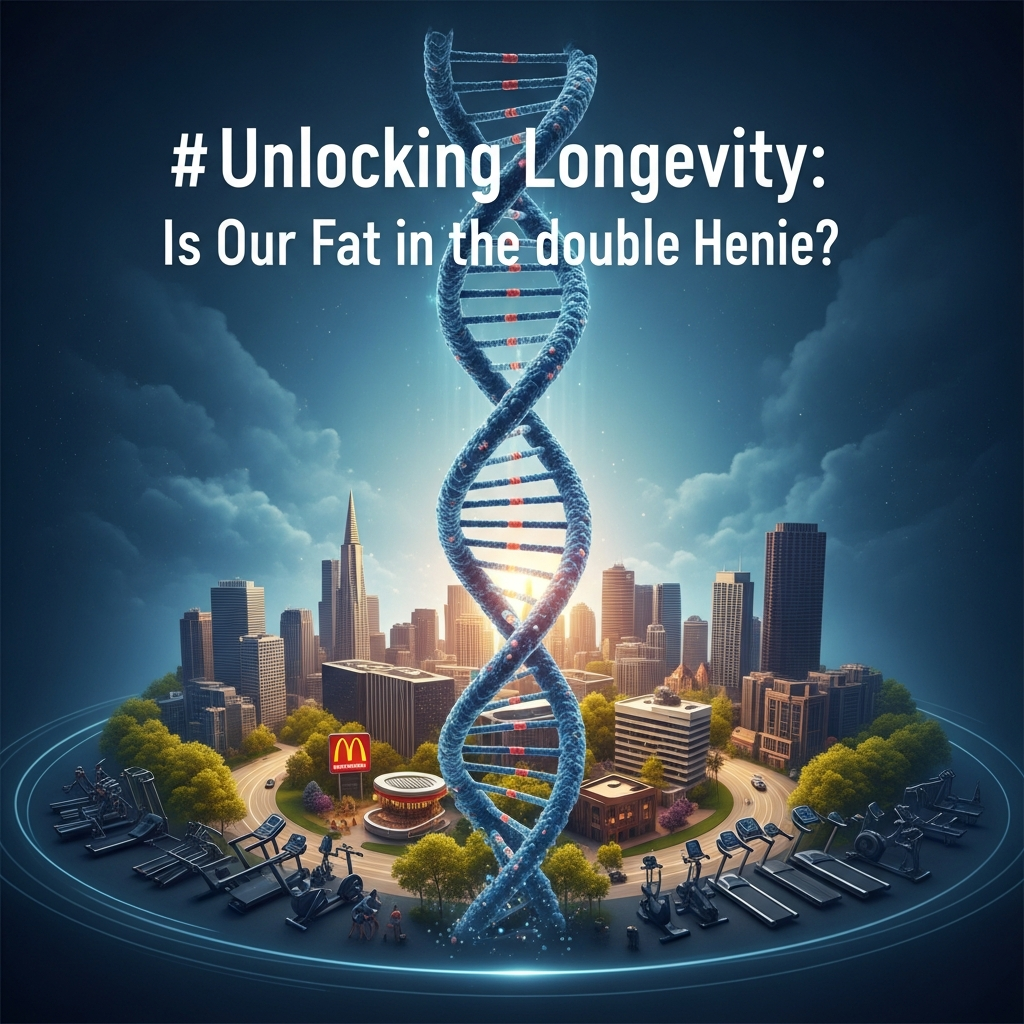
For decades, the age-old question of how long we live seemed to have a clear answer: only about 20-25% was due to our genes, with lifestyle and environment making up the rest. This long-held belief influenced health advice and personal choices, empowering us to feel largely in control of our longevity. However, groundbreaking new research is now challenging this conventional wisdom, suggesting genetics play a far more dominant role than previously imagined.
This pivotal shift in understanding comes from a new study that significantly reframes how we measure the impact of heredity on our lifespan. It pushes the estimated genetic influence from a moderate quarter to potentially more than half of our “intrinsic lifespan.” This means that while diet, exercise, and healthy habits remain crucial, our genetic blueprint might be a much stronger determinant of our ultimate lifespan than many of us thought possible.
The Longevity Riddle: Challenging Decades of Belief
The previous scientific consensus, rooted in influential studies like a famous Danish twin analysis, painted a picture where genes contributed modestly to how long we lived. Scientists like Uri Alon, a systems biologist at the Weizmann Institute of Science, found this statistic perplexing. He questioned why, if genetics were only 20% of the equation, so much focus remained on studying genes for longevity. This puzzle ignited his quest for a deeper understanding.
Unpacking the 20% Myth
For years, the “20-25% genetic influence” became a cornerstone of public health messaging. It implied that roughly three-quarters of our longevity was within our power to modify through daily choices. This encouraged people to focus intensely on external factors: what we eat, how much we move, our sleep patterns, and managing stress. While these factors are undeniably vital for health and quality of life, the new research suggests they might not be the sole arbiters of extreme longevity.
The New Perspective: Intrinsic vs. Extrinsic Mortality
The breakthrough in understanding longevity comes from distinguishing between two critical types of mortality. Intrinsic mortality refers to deaths stemming from the body’s natural aging processes, genetic predispositions, and cellular wear and tear. These are the built-in biological clocks and vulnerabilities that ultimately lead to natural demise.
In contrast, extrinsic mortality encompasses deaths caused by external factors. This includes accidents, infections, preventable diseases, and violence. Think of these as events that cut life short, regardless of an individual’s underlying genetic programming for longevity. The innovative approach of the new study lies in separating these two categories.
Unmasking Genetic Influence: A Deeper Dive
Uri Alon and his team realized that earlier longevity studies inadvertently underestimated genetic heritability. These studies often analyzed populations born in eras where extrinsic mortality was widespread. High rates of infectious diseases, accidents, and other external threats meant many individuals died prematurely, masking their genetic potential for a longer intrinsic lifespan.
How Researchers Recalibrated Heritability
To arrive at a more accurate estimate, Alon’s team developed sophisticated computer simulations of human mortality. They meticulously calibrated these simulations using extensive data from previous twin studies. The key methodological innovation was to theoretically eliminate extrinsic mortality within these simulations. By doing so, they could isolate and observe deaths caused solely by intrinsic aging processes.
This novel approach revealed a dramatic finding: when extrinsic factors were removed, lifespan heritability roughly doubled. This suggested that an individual’s “intrinsic lifespan”—how long they would live if not felled by an external cause—is approximately 55% heritable. This means over half of our natural biological lifespan potential is written in our genes. The researchers also performed a “sanity check,” analyzing twin data from 1900 to 1935. As medical advances reduced premature deaths over these generations, observed heritability consistently increased, supporting their conclusion.
Why 55% Matters Today
Kaare Christensen, an epidemiologist not involved in the study, noted that the 25% and 55% estimates aren’t contradictory. Instead, they measure different aspects of longevity. The real world, he reminds us, involves both intrinsic and extrinsic causes of death. However, Alon argues that the higher 55% figure is “more relevant” for people born today. Given the significant decline in extrinsic mortality over the last century due to better sanitation, medicine, and safety, more people are now living closer to their genetically determined intrinsic lifespan.
This re-evaluation underscores the profound importance of genetics. For generations where extrinsic risks are lower, our inherent biological programming for aging becomes a more prominent factor in determining our lifespan. Understanding this can shift the focus of longevity research and personal health strategies.
Beyond Genes: The Enduring Power of Lifestyle
While the new study highlights the significant role of genetics, it does not diminish the importance of a healthy lifestyle. Even if 55% of our intrinsic lifespan is genetically determined, that still leaves a substantial 45% influenced by our choices and environment. This remaining percentage represents considerable potential for impact.
The Complementary Roles of Nature and Nurture
Think of genetics as setting a potential range for your lifespan. Within that range, your lifestyle acts as a powerful lever. Factors like diet, regular exercise, adequate sleep, and stress management can optimize your health, prevent age-related diseases, and allow you to reach the upper limits of your genetic potential. Research consistently shows that these healthy habits can add a decade or more to a person’s life, improving both longevity and, critically, quality of life.
Many individuals emphasize the importance of living well, even if not to an extreme old age. They value good health, independence, and strong social connections over merely adding years. The synergy between genetics and lifestyle means that while your genes might provide the blueprint, your daily habits construct the strongest possible building.
Actionable Steps for a Longer, Healthier Life
Even with a clearer understanding of genetic predispositions, focusing on modifiable lifestyle factors offers tangible benefits:
Balanced Nutrition: Prioritize whole foods, fruits, vegetables, and lean proteins. Reduce processed foods and excessive sugar intake.
Regular Physical Activity: Aim for a mix of cardiovascular exercise, strength training, and flexibility.
Quality Sleep: Consistent sleep patterns are crucial for cellular repair and overall health.
Stress Management: Practice mindfulness, meditation, or engaging hobbies to mitigate chronic stress.
Social Connection: Maintain strong relationships. Loneliness can negatively impact health and longevity.
Preventative Healthcare: Regular check-ups and screenings can detect and manage health issues early.
These actions can improve your vitality and well-being, irrespective of your genetic makeup, helping you make the most of your intrinsic lifespan.
What This Means for the Future of Longevity Research
The renewed emphasis on genetic influence is invigorating the field of longevity research. Scientists are now more keenly focused on understanding the specific genetic mechanisms that confer exceptional longevity. This opens new avenues for developing therapies that could potentially extend healthy human life.
Unlocking the Secrets of Centenarians
Aging and longevity scientist Sofiya Milman, from the Albert Einstein College of Medicine, views this new estimate as crucial. Her work, for example, centers on understanding the unique biology that protects centenarians from age-related diseases. By identifying specific genetic factors that allow these individuals to live exceptionally long and healthy lives, researchers aim to mimic these advantages. The goal is to develop therapies that can make these advantageous intrinsic genetic factors accessible to a broader population, not just those naturally endowed with them.
The Promise of Genetic Therapies
Understanding the genetic underpinnings of intrinsic lifespan could pave the way for personalized medicine approaches. Future interventions might involve gene-editing technologies, pharmaceuticals that mimic beneficial genetic pathways, or advanced diagnostic tools that predict an individual’s genetic longevity profile. This precision approach could unlock new strategies for preventing age-related diseases and extending the period of healthy living for many more people.
Frequently Asked Questions
What is ‘intrinsic lifespan’ and why is it important to distinguish it?
Intrinsic lifespan refers to the duration an individual lives if they are not affected by external causes of death like accidents or infections. It’s essentially the lifespan determined by biological aging processes and genetic factors. Distinguishing it from extrinsic mortality (deaths from external causes) is crucial because it allows scientists to more accurately measure the true genetic influence on our natural biological lifespan, unskewed by premature deaths due to environmental factors.
How might this new understanding change future longevity research?
This new understanding, which suggests genetics play a much larger role (up to 55% heritability for intrinsic lifespan), will likely intensify research into genetic mechanisms of aging. It encourages scientists to focus more on identifying specific genes and biological pathways that promote exceptional longevity. This could lead to the development of novel therapies, genetic interventions, and personalized medicine strategies aimed at mimicking these beneficial genetic factors to extend healthy human life for a wider population.
Does this mean lifestyle choices like diet and exercise don’t matter as much for a long life?
Absolutely not. While genetics set a significant baseline for your intrinsic lifespan, lifestyle choices still critically influence your health, quality of life, and how close you come to reaching your genetic potential. The study indicates that the remaining 45% of intrinsic lifespan is heavily influenced by factors like diet, exercise, and sleep. A healthy lifestyle can add a decade or more to your life, improve daily well-being, and prevent age-related diseases, regardless of your genetic predispositions.
Conclusion: Empowering Your Lifespan Journey
The revelation that genetics play a significantly larger role in determining our intrinsic lifespan than once thought is a powerful scientific advance. It challenges long-standing assumptions and opens exciting new frontiers in longevity research. This shift doesn’t, however, diminish the incredible power of lifestyle choices. Instead, it offers a more nuanced perspective: genetics may provide the framework, but our daily decisions on diet, activity, and overall well-being are essential for building a long, healthy, and fulfilling life within that framework. By understanding both our genetic inheritance and our lifestyle opportunities, we are better equipped to embark on our personal longevity journey.