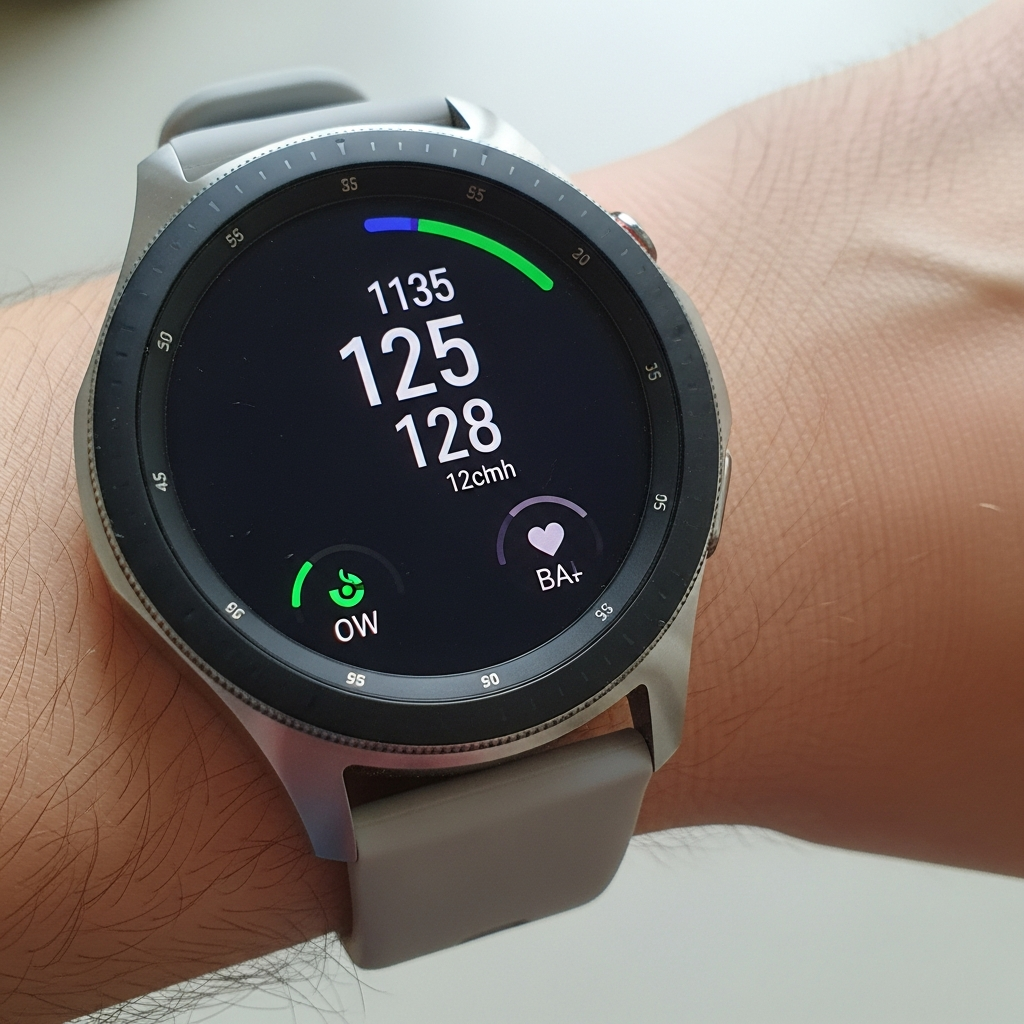
The wait is over for millions of American Samsung Galaxy Watch users! Samsung has officially launched blood pressure monitoring capabilities in the United States. Starting March 31, 2026, select users can begin tracking their blood pressure directly from their wrist. This long-anticipated feature marks a significant step for personal health management. It aligns with Samsung’s vision for an “end-to-end health and wellness platform.” This guide explores how it works, its crucial limitations, and what it means for your daily health routine.
The Long-Awaited Arrival of On-Wrist BP Tracking
Samsung’s blood pressure monitoring feature has finally made its way to the US market. This rollout began on March 31, 2026. It applies to Galaxy Watch4 models and all subsequent versions, including the latest Galaxy Watch8 and Watch8 Classic. Users will access this functionality through the dedicated Samsung Health Monitor app. This app must be paired with a compatible Galaxy phone running Android 12 or higher. The feature has been available internationally since 2020. Its US debut was delayed due to rigorous regulatory processes. This underscores the careful approach required for health features in wearables.
Compatibility and Access
To utilize this new capability, you need:
A Galaxy Watch4 or a newer model (excluding Galaxy Fit).
Watch OS 4.0 or higher.
A Samsung Galaxy phone running Android 12 or higher.
The Samsung Health Monitor app, downloadable once your watch is connected.
The phased rollout means not all eligible users will receive the update instantly. However, it will become broadly available through the Samsung Health Monitor app.
Understanding the “Wellness” Distinction and FDA Policy
Samsung’s Blood Pressure Monitoring feature is categorized as a wellness tool. It is explicitly not intended for medical use. This means it cannot diagnose, treat, or prevent any medical condition. This crucial distinction helps Samsung navigate complex regulatory requirements. The feature aligns with the FDA’s General Wellness: Policy for Low-Risk Devices. Updates to this policy were published in January 2026. These updates specifically focus on consumer wearables.
This classification means the feature is not subject to formal FDA clearance. However, it still required a thorough understanding of US regulations. Samsung emphasizes that users should always consult a physician for medical advice. This is paramount for managing any health concerns. The feature provides valuable personal insights. It does not replace professional medical diagnosis.
How Galaxy Watch BP Monitoring Works
The Galaxy Watch estimates your blood pressure by analyzing pulse wave patterns. It uses internal optical sensors for this measurement. The device tracks changes in blood pressure values. It then uses this data to provide readings. This technology differs significantly from traditional upper-arm cuffs. Those devices physically compress your arm to get a reading.
Essential Calibration for Accuracy
A critical requirement for the Galaxy Watch BP feature is regular calibration. Users must calibrate their smartwatch every 28 days. This process uses a traditional upper-arm blood pressure cuff. The cuff is sold separately. Here’s how calibration works:
- Use a proper medical-grade BP machine.
- Take multiple readings with the cuff.
- Sync these readings with your Galaxy Watch.
- Repeat this process monthly to maintain accuracy.
- On-Demand Readings: Currently, you must manually initiate measurements. Passive trend monitoring is expected later.
- news.samsung.com
- www.androidcentral.com
- www.cnet.com
- 9to5google.com
- www.t3.com
Without this regular calibration, the watch’s data becomes unreliable. This highlights that the smartwatch still depends on an external medical device. This unique requirement ensures readings remain as accurate as possible for wellness tracking. The watch provides both systolic and diastolic blood pressure readings. It also tracks heart rate alongside BP data.
Why This Feature Matters for Americans’ Health
The introduction of on-wrist blood pressure monitoring is highly significant. High blood pressure, or hypertension, is a widespread health issue. According to the Centers for Disease Control and Prevention (CDC), nearly half of US adults suffered from high blood pressure in 2025. This equates to approximately 119.9 million Americans. Unmanaged hypertension is a major risk factor. It can lead to serious conditions like heart disease and stroke. These are leading causes of death in the United States.
Empowering individuals with accessible monitoring tools is crucial. The Galaxy Watch offers a convenient way to track trends. It encourages users to be more proactive about their heart health. This empowers them to make informed lifestyle decisions. It also facilitates more productive conversations with their healthcare providers. Early awareness and consistent tracking can lead to better health outcomes.
Integration into the Samsung Health Ecosystem
The new blood pressure tool enhances Samsung’s robust health ecosystem. Galaxy Watches already offer a suite of advanced health features. Many of these have received FDA authorization or clearance. These include:
ECG readings: The ECG Monitor App identifies irregular heart rhythms. This can suggest Atrial Fibrillation (AFib) in adults 22 and older.
Irregular Heart Rhythm Notifications (IHRN): This feature alerts users to irregular rhythms.
Sleep Apnea feature: This is the first FDA-authorized software-only mobile medical application. It detects signs of moderate-to-severe obstructive sleep apnea.
Samsung is continuously expanding its health offerings. The company plans to introduce passive blood pressure trend monitoring later this year. This will allow users to track changes over time without manual initiation. Devices like the Galaxy Watch8 Classic boast advanced sensor technology. They offer AI-powered experiences. These support a healthier and more connected lifestyle. Samsung Health aims to be a holistic platform. It provides personalized insights and tailored health experiences.
Navigating the Regulatory Landscape: Samsung’s Strategy
The delay in bringing blood pressure monitoring to the US was largely due to regulatory hurdles. Different from some of its FDA-cleared features, this BP monitor aligns with the wellness policy. This allowed its US release. Samsung adopted a conservative yet sustainable approach. They waited to ensure full compliance before launching. This stands in contrast to some competitors. For instance, Whoop faced issues with the FDA regarding its blood pressure feature. It was flagged as an unauthorized medical device.
Competitors like Apple introduced FDA-cleared hypertension alerts in September 2025. These passively monitor and alert users to signs of high blood pressure. Other companies, like Oura, are also working on similar long-term data trend features. The challenge of true on-demand blood pressure readings without external calibration remains. Samsung’s phased approach, with explicit wellness positioning and calibration requirements, reflects careful navigation. It enables them to expand their health ecosystem responsibly.
Getting Started with Your Galaxy Watch Blood Pressure Monitor
Setting up your Galaxy Watch for BP monitoring is straightforward. First, ensure your watch and phone meet the compatibility requirements. Next, connect your Galaxy Watch to your Galaxy phone. Then, download the Samsung Health Monitor app. Inside the app, enable blood pressure tracking. Finally, follow the on-screen calibration steps using your upper-arm cuff.
Once calibrated, you can take on-demand readings from your wrist. These readings display on your watch screen. They are also stored within the companion app. This allows for ongoing tracking and analysis. Remember, regular recalibration every 28 days is key. This ensures the accuracy of your wellness insights.
Important Considerations and Limitations
Not a Diagnostic Tool: The feature is for wellness only. It cannot diagnose, treat, or prevent any disease.
Regular Calibration is Mandatory: You must recalibrate with an upper-arm cuff every 28 days.
Consult Your Doctor: Always seek professional medical advice for health conditions. Do not rely solely on smartwatch readings for medical decisions.
This feature provides foundational knowledge about your health. It empowers you to be proactive. It also encourages important discussions with your doctor.
Frequently Asked Questions
What is the Galaxy Watch’s blood pressure monitoring, and how does it work?
The Galaxy Watch’s blood pressure monitoring is a new wellness feature available in the US. It allows users to track their systolic and diastolic blood pressure from their wrist. The watch uses optical sensors to analyze pulse wave patterns. It then estimates blood pressure readings. To ensure accuracy, the watch must be calibrated every 28 days. This calibration requires a traditional upper-arm blood pressure cuff, which is sold separately. The feature is intended for personal wellness insights, not for medical diagnosis or treatment.
Which Galaxy Watch models and apps are compatible with the BP feature in the US?
The blood pressure monitoring feature is compatible with Galaxy Watch4 models and all newer versions, including the Galaxy Watch8. To use it, your watch needs Watch OS 4.0 or higher. It must be paired with a Samsung Galaxy phone running Android 12 or higher. The feature operates through the Samsung Health Monitor app. This app becomes available for download once your compatible Galaxy Watch is connected to your Galaxy phone. It is not available for Galaxy Fit trackers or non-Samsung Android phones.
How accurate is Galaxy Watch blood pressure monitoring, and can it replace a medical device?
While designed to provide accurate wellness insights, the Galaxy Watch’s blood pressure monitoring relies heavily on regular calibration. Users must recalibrate their watch every 28 days using a medical-grade upper-arm blood pressure cuff to maintain its accuracy. Samsung explicitly states that this feature is for wellness purposes only. It is not intended to diagnose, cure, mitigate, treat, or prevent any disease. Therefore, it cannot and should not replace a traditional medical device or professional medical advice from a doctor.
Conclusion
The arrival of blood pressure monitoring on Samsung Galaxy Watches in the US is a notable enhancement. It offers American users a convenient tool for proactive health management. While not a medical diagnostic device, it provides valuable insights. These insights can empower individuals to better understand their heart health. Remember the importance of regular calibration and professional medical consultation. This feature is a powerful addition to Samsung’s growing health ecosystem. It supports a future where personal wellness is more accessible than ever before. Stay informed and use your Galaxy Watch to unlock new levels of personal health awareness.