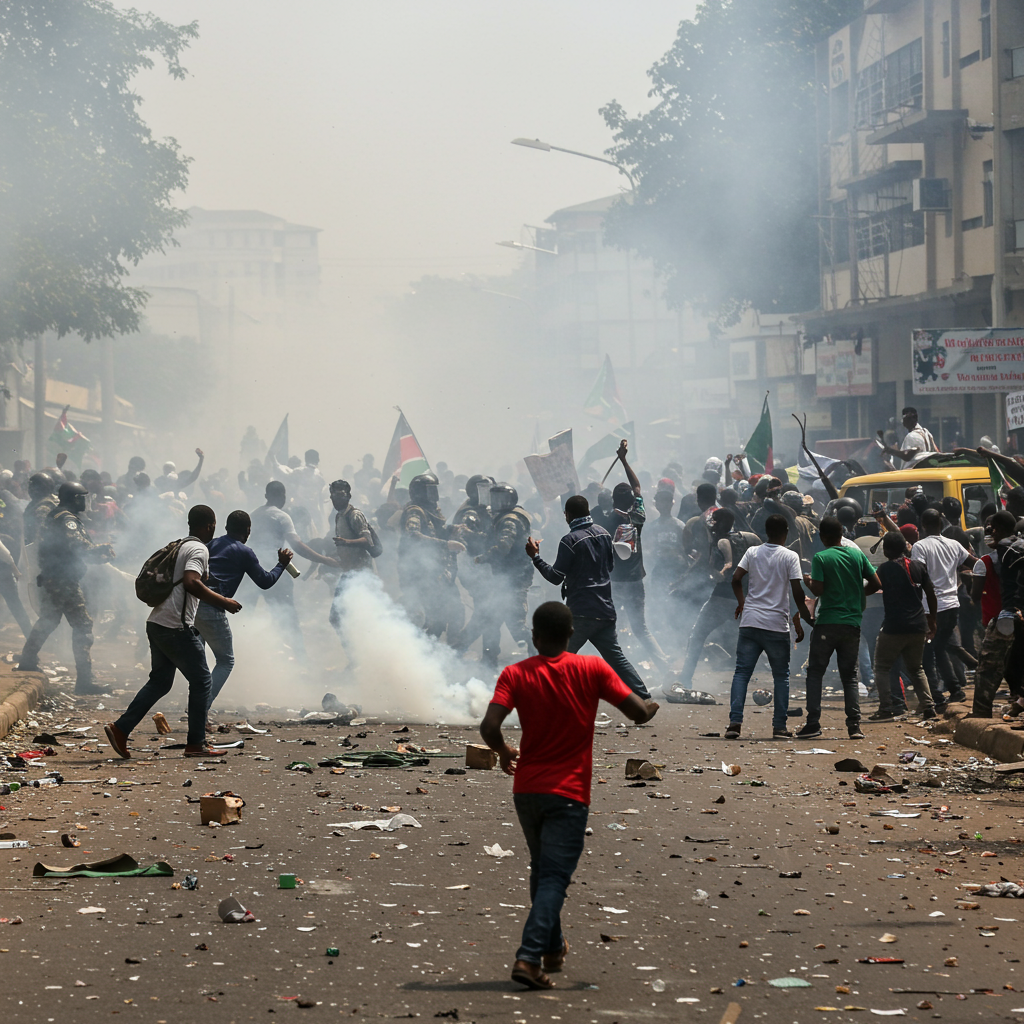
From humanity’s return to the moon to the raw realities of international conflict and local community battles, our world is a tapestry of unfolding stories. Staying informed means looking beyond mere headlines to grasp the intricate perspectives shaping our present and future. This article delves into a spectrum of urgent global headlines, offering unique insights into major developments in space exploration, geopolitical tensions, urban planning disputes, and the evolving landscape of media integrity.
Humanity’s Next Giant Leap: The Artemis II Mission Prepares for Launch
Fifty-three years after Apollo, humanity is once again preparing for a journey to the moon. NASA’s ambitious Artemis II mission is currently in its final countdown, marking a significant milestone in space exploration. This mission is historic for several reasons, not least for its diverse crew, which includes a woman, a person of color, and a non-U.S. citizen. Pilot Victor Glover, who is Black, emphasized the importance of this representation, hoping to inspire young people and pave the way for a future where such “firsts” become commonplace.
The 32-story Space Launch System (SLS) rocket, a marvel of modern engineering, is set for a Wednesday evening launch. The mission involves a nearly 10-day flight, orbiting Earth before the Orion capsule propels the crew around the moon. Following a quick U-turn, the journey will conclude with a splashdown in the Pacific Ocean. Importantly, this mission does not include a lunar landing. Despite facing several delays—initially due to hydrogen fuel leaks and later a clogged helium pressurization line—NASA managers have confirmed the rocket’s excellent performance after recent repairs. Weather forecasts also look favorable for the launch, with a launch window open for the first six days of April. This pioneering flight aims to push the boundaries of human spaceflight, setting the stage for future lunar missions and beyond.
The Staggering Cost of Conflict: Voices from the US-Iran War
Beyond the headlines, the human toll of conflict often remains unseen. A sobering commentary by Abel Sayre from Los Alamos High School sharply criticizes the ongoing US-Israeli war against Iran, highlighting the devastating impact on civilians. Sayre recounts a specific, tragic incident: the bombing of an all-girls school in Minab, Iran, which claimed 168 lives, mostly children. Witnesses described horrific scenes, with body parts and blood scattered across classrooms. Both the U.S. and Israel have yet to claim accountability for this strike.
Sayre argues that American media often sanitizes such massacres, reducing them to “headlines and numbers” and effectively shielding the public from the gruesome reality. This commentary suggests a deliberate obfuscation of the war’s true impact and purpose from the public eye. Across Iran, nearly 1,500 civilians, including over 200 children, have reportedly been killed. Residents in Tehran fear official casualty counts vastly underestimate the reality. An estimated 3.2 million people are now internally displaced, having fled major cities. The conflict has also claimed the lives of 13 U.S. soldiers.
Diplomatic Deadlock Amidst Escalating Tensions
The political landscape surrounding the US-Iran conflict remains fraught with mistrust. Iranian Foreign Minister Abbas Araghchi emphatically stated that Iran sees “no reason why we should talk with Americans.” This directly refutes President Trump’s earlier assertions that Iran was desperate for a deal to end the conflict. Araghchi firmly declared, “we never asked for a ceasefire, and we have never asked even for negotiation.”
He characterized the conflict as a “war of choice by President Trump and the United States,” arguing that lives are being lost “only because President Trump wants to have fun.” Araghchi dismissed any notion that the conflict threatens Iran’s government, stressing the nation’s stability and strength. Iran’s reluctance to negotiate stems from past negative experiences, particularly when the U.S. and Israel launched strikes while talks were already underway. “There is no good experience talking with the Americans,” he concluded, questioning the utility of re-engaging in dialogue. While President Trump claimed communication was ongoing, Araghchi confirmed that previous concessions, such as Iran’s offer to dilute enriched uranium, are “nothing on the table right now.” Everything, he implied, depends on future developments. The economic repercussions are also significant, with the war draining American resources, causing rising gas prices, and costing billions daily. Sayre contrasted this spending with the potential to improve domestic infrastructure, echoing Dwight Eisenhower’s 1953 “Cross of Iron” speech, which warned against the true cost of war.
Local Battles for Breath: The Cross Bronx Expressway Expansion
While global events unfold, critical local issues demand attention. In New York City, South Bronx advocates are fiercely opposing Governor Hochul’s proposed $900 million project to widen the Cross Bronx Expressway. This proposed expansion, aiming to add shoulder lanes, faces strong resistance from communities already suffering from severe air pollution. Norma Saunders, President of the Bronx River Houses Resident Association, extended an urgent invitation to Governor Hochul to personally tour the affected area.
Saunders underscored the critical importance of the Governor engaging directly with residents before the March 10 deadline for finalizing construction plans. The health and well-being of the community, she stressed, will be “massively impacted.” Residents report that air pollution from the existing expressway is so severe they “cannot safely open our windows.” NYS DOT’s own renderings reveal the proposed expansion extending “practically to our doorstep,” threatening to worsen an already dire environmental and health crisis.
Advocates, including Saunders, recognize the undisputed need for repairing the expressway’s aging bridges. However, they question the wisdom of expanding them. “No one knows the Cross Bronx better than Bronxites,” Saunders asserted, advocating for a “standard bridge repair” as the safest and most appropriate option. This local struggle highlights the tension between infrastructure development and environmental justice. This plan resurfaces after an even more ambitious highway expansion was previously shelved, indicating a persistent push despite community resistance.
Beyond the Expressway: Other NYC Headlines
The urban landscape offers a mosaic of other global headlines at the local level. Recent news from New York included a Department of Sanitation supervisor’s suspension following a fatal crash, a search for a second individual in the 2024 killing of cyclist Amanda Servedio, and disappointment over Mayor Mamdani’s budget for parks and libraries. On a positive note, a police parking lot is being converted into affordable housing, and East River bridge cyclist numbers hit an all-time high in 2025. Other notable events included the cleanup of tourist garbage on the Brooklyn Bridge, the release of ICE-arrested counterfeit goods sellers, a Long Island Rail Road executive’s retirement amid a nepotism scandal, and injuries sustained in a bus collision in Coney Island. These varied events reflect the dynamic and complex nature of urban life.
Media Under Fire: Impartiality, Labor, and Public Trust
The media landscape itself is undergoing significant shifts, facing challenges related to impartiality, labor rights, and public trust. In Australia, the ABC has found itself at the center of a political storm. Liberal Senator Sarah Henderson and News Corp outlets fiercely criticized ABC’s Americas editor, John Lyons, demanding his “shut down” over his live analysis of the Australian government’s response to US and Israeli airstrikes on Iran. Henderson, a former ABC reporter, even called for an “urgent independent inquiry into the ABC’s impartiality failures.”
The ABC defended Lyons, citing his extensive experience, including his past role as The Australian’s Middle East correspondent. Crucially, an ABC ombudsman investigation found that Lyons’ analysis did not breach the ABC’s impartiality or harm and offense standards. This report concluded that the ABC presented the news with “due impartiality.” This conflict underscores the ongoing debate about media bias and the role of public broadcasters.
Labor Disputes and PR Controversies
Adding to the ABC’s challenges, a potential 24-hour strike by the Media, Entertainment and Arts Alliance (MEAA) and the Community and Public Sector Union (CPSU) looms. This would mark the first ABC strike in 20 years, threatening significant disruptions to news bulletins. Unions are demanding better pay and conditions, having narrowly rejected a previous offer. Management hopes a new enterprise bargaining offer, including a $1,000 sweetener, will avert the strike.
Further illustrating the complexities of public information, a crisis PR firm, Orizontas, faced controversy regarding its co-founder Vanessa Liell’s planned discussion at Mumbrella CommsCon. Liell intended to speak about countering “misinformation” that threatened the Unesco world heritage listing of the Murujuga rock art. However, Raelene Cooper, a traditional owner and leader of the Save Our Songlines group, which had contested the listing due to concerns about industrial developments, accused Liell of “gaslighting” and misrepresenting scientific evidence. Following Cooper’s complaint, Mumbrella removed the term “misinformation” from conference materials. This incident highlights the sensitive nature of information control and the critical importance of respecting indigenous perspectives in public discourse. Separately, the government abandoned a proposed expansion of SBS production facilities to Western Sydney, citing the “current fiscal environment,” despite it originating as a Labor election promise.
Frequently Asked Questions
What is the significance of NASA’s Artemis II mission for future space exploration?
NASA’s Artemis II mission is a monumental step, marking humanity’s first return to the moon in over five decades. While it won’t land on the lunar surface, the nearly 10-day flight around the moon will test critical systems and procedures for future deep-space missions. Its crew is historically diverse, including a woman, a person of color, and a non-U.S. citizen, setting a new precedent for inclusivity in space exploration and aiming to inspire a broader generation. This mission paves the way for the longer-term goal of establishing a sustainable human presence on the moon and eventually, Mars.
How do local communities advocate against urban development projects like highway expansions?
Local communities, like those opposing the Cross Bronx Expressway widening, primarily advocate through direct appeals to government officials, organized protests, and public awareness campaigns. They emphasize the direct impact on residents’ health, environmental quality, and overall well-being. By inviting officials to tour affected areas and highlighting concerns like severe air pollution and proximity of proposed expansions to homes, they seek to provide firsthand accounts and propose alternative, less disruptive solutions, such as standard bridge repairs over widening. Their sustained efforts aim to ensure that community health and environmental justice are prioritized over potentially harmful development plans.
What are the current challenges impacting media impartiality and labor relations in news organizations?
Contemporary news organizations face increasing scrutiny over impartiality, often fueled by political figures and competing media outlets, as seen with the ABC’s Americas editor. This pressure can lead to calls for inquiries into perceived biases. Simultaneously, many news organizations, including public broadcasters like the ABC, grapple with labor disputes as staff advocate for better pay and working conditions, sometimes escalating to potential strikes that threaten news delivery. These challenges, coupled with controversies surrounding public relations firms and the handling of “misinformation,” underscore a complex environment where maintaining public trust and fair labor practices is paramount.
Navigating a World of Diverse Perspectives
From the boundless ambition of space travel to the profound humanitarian crises of conflict, the determined efforts of local activists, and the intricate ethics of media reporting, our world presents a rich tapestry of global headlines. These stories, though seemingly disparate, are often interconnected, reflecting universal themes of progress, struggle, human impact, and the constant quest for truth and justice. Understanding these events requires more than just skimming the surface; it demands a willingness to engage with multiple perspectives and appreciate the nuanced complexities that shape our collective future. Stay informed, stay critical, and continue to explore the diverse voices defining our modern era.