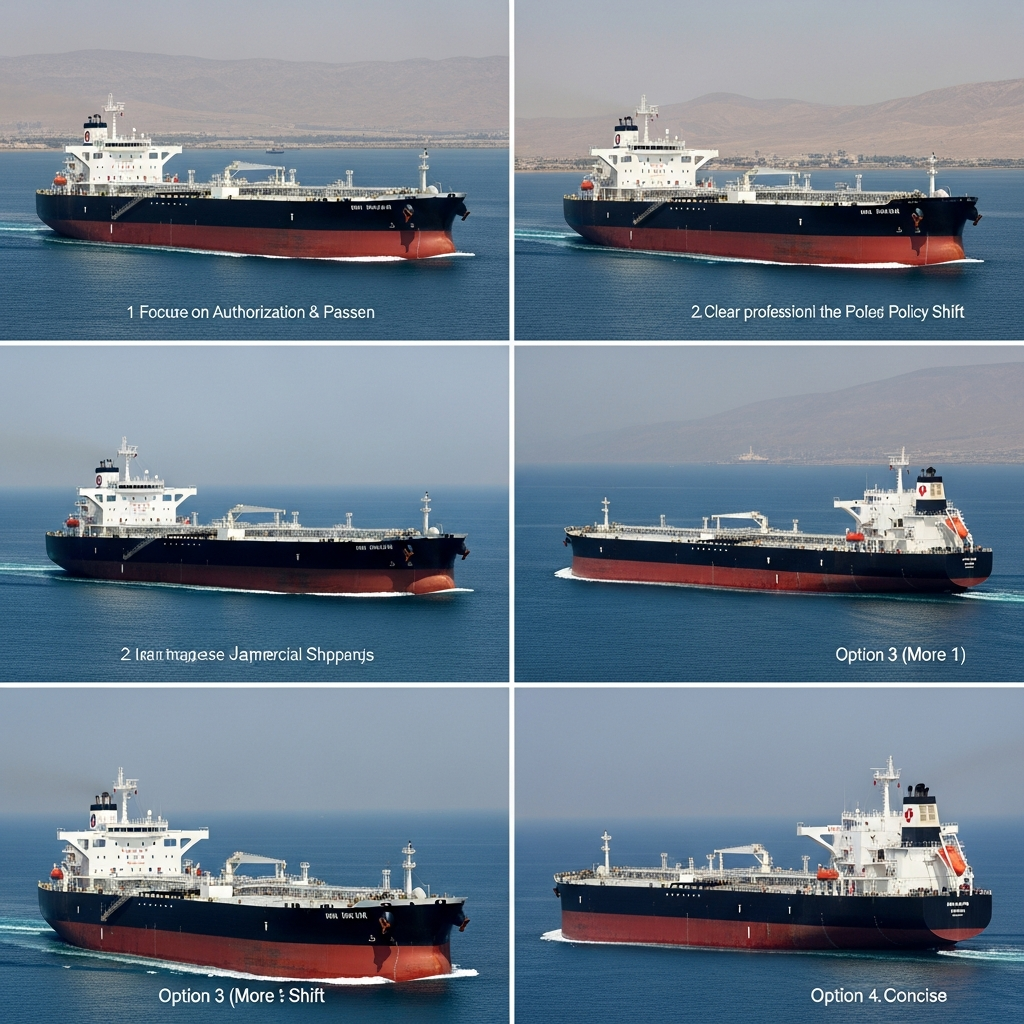
The geopolitical landscape surrounding the critical Strait of Hormuz is undergoing a significant transformation. Iran has signaled a crucial policy shift, announcing it will permit Japanese vessels to transit the strategic waterway. This development, nearly three weeks into an escalating regional conflict, indicates a move toward a selective blockade rather than a complete closure, offering a potential lifeline for Japan’s energy security and global shipping.
Japan, a nation heavily dependent on Middle Eastern oil, sources over 90% of its crude imports via the Strait of Hormuz. The recent “war on Iran,” initiated by attacks from the United States and Israel on February 28, had previously led to a de facto closure of the strait, bringing maritime traffic to a near standstill and sparking global concern. Now, Tehran’s adjusted stance could alleviate some of the immediate pressures on international energy markets.
Iran’s Strategic Shift on Strait of Hormuz Shipping
Iranian Foreign Minister Abbas Araghchi clarified Tehran’s position to Japan’s Kyodo News, asserting that the Strait of Hormuz remains open. “We have not closed the strait. In our opinion, the strait is open. It is closed only to ships belonging to our enemies, countries that attack us. For other countries, ships can pass through the strait,” Araghchi stated. This represents a significant toning down of earlier rhetoric from Iran’s Islamic Revolutionary Guard Corps (IRGC), which had initially threatened to “set ablaze” any vessels attempting passage.
Tehran’s Conditional Passage Offer for Japan
Tehran’s offer of safe passage is not unconditional. Araghchi indicated that Iran is “ready to provide them with safe passage. All they need to do is contact us to discuss how this route will be.” This selective approach grants Iran considerable geopolitical leverage, allowing it to differentiate between perceived adversaries and nations with which it maintains diplomatic ties. Japan’s foreign minister, Toshimitsu Motegi, had previously expressed deep concern over numerous Japanese vessels stranded in the Gulf, underscoring the urgency of these negotiations. This direct engagement is seen by Japanese officials as the most effective path to securing access, despite the delicate balance required to avoid provoking the United States.
Japan’s Energy Lifeline and Diplomatic Efforts
For Japan, the Strait of Hormuz is more than just a shipping lane; it is a critical energy lifeline. With over 90% of its crude oil imports transiting this waterway, maintaining access is paramount to its national economy. Japan has actively engaged in diplomatic efforts, including a joint statement with France, Germany, Italy, the Netherlands, and the United Kingdom, all expressing readiness to contribute to ensuring safe passage. These discussions, following direct talks between Araghchi and Motegi, highlight Japan’s proactive approach to mitigating the impact of regional instability on its vital energy supply chain.
The Evolving Dynamics of Maritime Passage
The shift in Iran’s policy has led to evolving maritime practices within the strait. Lloyd’s List, a leading shipping and maritime information service, has reported on at least 10 ships successfully navigating the waterway by adhering to a new, emerging “safe corridor” close to Iran’s coastline. One notable instance involved a Greek bulk carrier that transited near Iran’s Larak island, broadcasting the message “Cargo Food for Iran,” suggesting a deliberate strategy to signal non-hostile intent.
“Safe Corridor” Emerges Amidst Tensions
The emergence of this “safe corridor” indicates that while the strait is not fully open, passage is possible under specific, Iran-approved conditions. Lloyd’s List also noted that the IRGC is actively developing a more coordinated vetting and registration system for future transits, moving beyond a case-by-case approval process. This structured approach could bring a degree of predictability to an otherwise volatile shipping environment. Japan is poised to join a small cohort of countries, including China, India, and Pakistan, whose vessels have already been granted approval by Iranian authorities.
International Response and Calls for Open Access
The broader international community has reacted with a mix of condemnation and diplomatic engagement. A coalition of 22 nations, including Australia and the UAE, has strongly denounced Iran’s partial blockade, aiming to diplomatically isolate Tehran. These nations, including major European powers, have collectively expressed their “readiness to contribute to appropriate efforts to ensure safe passage through the Strait.” However, the United States, while acknowledging allied engagement, has stressed that the Strait “will have to be guarded and policed, as necessary, by other Nations who use it,” indicating a reluctance to solely shoulder the burden of protecting international shipping.
Escalating Regional Conflict and Global Implications
The backdrop to these developments is a rapidly escalating and complex regional conflict. The “war against Iran” has entered its fourth week, following the initial attacks on February 28. Iran maintains that these were “illegal, unprovoked acts of aggression” initiated while it was engaged in negotiations with the United States.
Iran’s Stance: Unprovoked Aggression and Lasting Peace
Iran’s newly installed Supreme Leader, Mojtaba Khamenei, succeeding his father after his death on the war’s first day, has reiterated a firm stance of resistance. Araghchi has also made it clear that Iran is seeking “not a cease-fire, but a complete, comprehensive and lasting end to the war,” and demands compensation for the aggression. This position underscores Iran’s resolve and suggests that the selective passage policy is a calculated maneuver within its broader conflict strategy. The conflict has also seen reciprocal attacks, including Iranian strikes on an oil refinery in Kuwait and a natural gas field in Qatar, alongside Israeli attacks on Iranian officials and government facilities.
US Military Presence and Allied Concerns
In response to the escalating tensions, the US military has significantly bolstered its presence in the Middle East. Thousands of additional troops, including 2,500 Marines and the amphibious assault ship USS Boxer, have been deployed. The Pentagon reports extensive US strikes against Iranian targets, including 7,000 targets inside Iran and dozens of mine-laying vessels and submarines. Despite calls for contributions to maritime security, Japanese Prime Minister Sanae Takaichi highlighted her nation’s constitutional limitations, allowing the use of force overseas only if Japan’s survival is directly threatened.
Global Energy Markets and Supply Chain Vulnerabilities
The ongoing instability in the Strait of Hormuz, a conduit for approximately one-fifth of global oil and liquefied natural gas supplies, has severe repercussions for international energy markets. The initial “de facto closure” and subsequent selective passage policy have already triggered a spike in global oil prices.
Impact on Oil Prices and Strategic Reserves
The Federal Reserve Bank of Dallas highlights that a complete halt of oil exports from the Gulf region would remove “close to 20 percent of global oil supplies from the market,” with approximately “80 percent of which is shipped to Asia.” Such an event would have catastrophic economic consequences, far beyond the current price increases. Nations like Japan have already begun releasing oil from their strategic reserves to mitigate the immediate impact. The delicate balance between ensuring safe passage and avoiding further conflict remains a critical challenge for global economic stability.
Frequently Asked Questions
What is Iran’s current policy regarding Strait of Hormuz passage?
Iran has shifted from a complete blockade to a selective one. While the Strait of Hormuz is declared open, passage is restricted for vessels belonging to countries Iran considers “enemies” or those involved in attacks against it. Other nations, such as Japan, can gain passage by coordinating directly with Iranian authorities to arrange a safe route, signaling a diplomatic opening for specific countries.
How can ships gain safe passage through the Strait of Hormuz under current conditions?
According to reports, ships seeking passage through the Strait of Hormuz must contact Iranian authorities to discuss routing and coordination. A “safe corridor” close to Iran’s coastline has emerged for approved vessels. The Islamic Revolutionary Guard Corps (IRGC) is reportedly developing a more coordinated vetting and registration system, moving beyond case-by-case approvals, which suggests a structured process will soon be in place for authorized transits.
What are the economic implications of the Strait of Hormuz tensions for global energy?
The tensions in the Strait of Hormuz, a vital channel for global oil and gas supplies, have already caused a significant spike in global oil prices. Experts warn that a full closure of the strait could remove nearly 20% of global oil supplies from the market, with a majority destined for Asia, leading to severe economic repercussions and long-term energy shortages. This vulnerability has prompted countries like Japan to release oil from strategic reserves.
In conclusion, Iran’s decision to permit Japanese ships through the Strait of Hormuz marks a critical, albeit conditional, opening in a tense geopolitical standoff. While providing a vital reprieve for Japan’s energy security, this selective policy underscores Iran’s strategic leverage in the ongoing conflict. The evolving “safe corridor” and the international coalition’s diplomatic efforts highlight the complex dynamics at play, with global energy markets remaining highly sensitive to any further escalation. The long-term stability of this crucial waterway hinges on sustained diplomatic engagement and a lasting resolution to regional hostilities.