The digital development landscape is buzzing with a new controversy. Apple has recently clamped down on updates for several popular “vibe-coding” applications in its App Store. This move targets platforms like Replit and Vibecode, which leverage advanced artificial intelligence to transform natural language descriptions into functional software. While Apple cites long-standing App Store guidelines concerning security and code execution, many industry experts and developers are voicing strong criticism. They argue Apple’s actions are a strategic defense against innovation and competition, rather than a genuine security concern.
What Exactly Are Vibe-Coding Apps?
Vibe-coding apps represent a groundbreaking shift in software development. These platforms empower users to create applications and websites simply by describing their desired functionality in plain, everyday language. Utilizing sophisticated AI models, such as OpenAI Codex or Anthropic’s tools, these apps generate the underlying code automatically. This innovative approach, popularized by AI researcher Andrej Karpathy, has immense potential. It can democratize app development, allowing individuals without traditional coding expertise to build their own software. For seasoned developers, these tools accelerate workflows, freeing them to focus on more complex, intricate tasks. Platforms like Replit, for instance, boast over 50 million users and an estimated valuation of $9 billion, underscoring the rapid adoption and significant impact of this technology.
Apple’s Stated Rationale: Adhering to Guideline 2.5.2
Apple’s official justification for blocking these updates centers on App Store Guideline 2.5.2. This rule prohibits apps from downloading, installing, or executing code that introduces or alters the app’s features or functionality after its initial review. Essentially, Apple mandates that apps remain self-contained. The company asserts this policy is crucial for maintaining platform security and ensuring that every application running on an iPhone has undergone thorough vetting.
The core of the dispute lies in how vibe-coding apps preview and run the software they generate. Applications like Replit often render these newly created programs within an embedded web view inside their own iOS client. Apple’s App Review team interprets this as the host app transforming into a platform for running arbitrary code. This, in Apple’s view, effectively changes the app’s core functionality post-approval and bypasses the essential App Store gatekeeping process. Apple maintains that this is routine enforcement of existing rules, not a new or targeted crackdown.
The Deeper Conflict: Control, Revenue, and Competition
Despite Apple’s emphasis on policy enforcement, developers and analysts widely believe the company’s actions are driven by deeper strategic concerns. This intervention aligns with a historical pattern of Apple tightly controlling its ecosystem, prioritizing its business model and proprietary environment.
Threat to Revenue Streams and the App Store Model
Vibe-coding tools pose a direct challenge to Apple’s lucrative App Store commission model, which typically takes a 15-30% cut from app sales and in-app purchases.
Revenue Loss: By enabling the creation and distribution of software outside the App Store framework, these tools directly threaten Apple’s commission-based income.
Shift to Web Apps: Many vibe-coding platforms facilitate the development of web-based applications and Progressive Web Apps (PWAs). These applications entirely circumvent the App Store, reducing Apple’s influence over the app economy and its ability to monetize software distribution.
Competition for Apple’s Developer Tools
Furthermore, platforms like Vibe Code and Replit offer simpler, more accessible development alternatives. This puts them in direct competition with Apple’s own integrated development environment, Xcode. Apple, a company known for fostering a closed ecosystem, has consistently pushed developers towards its proprietary tools and platforms. The rise of easy-to-use AI development environments challenges that long-standing strategy.
A History of Ecosystem Control
Apple’s actions fit into a well-established pattern. The company has a history of clashes with any technology or service that attempts to bypass its App Store. Past instances include:
Tencent and WeChat Mini-apps: Disputes over WeChat’s mini-app ecosystem, which allowed functionalities similar to native apps outside Apple’s control.
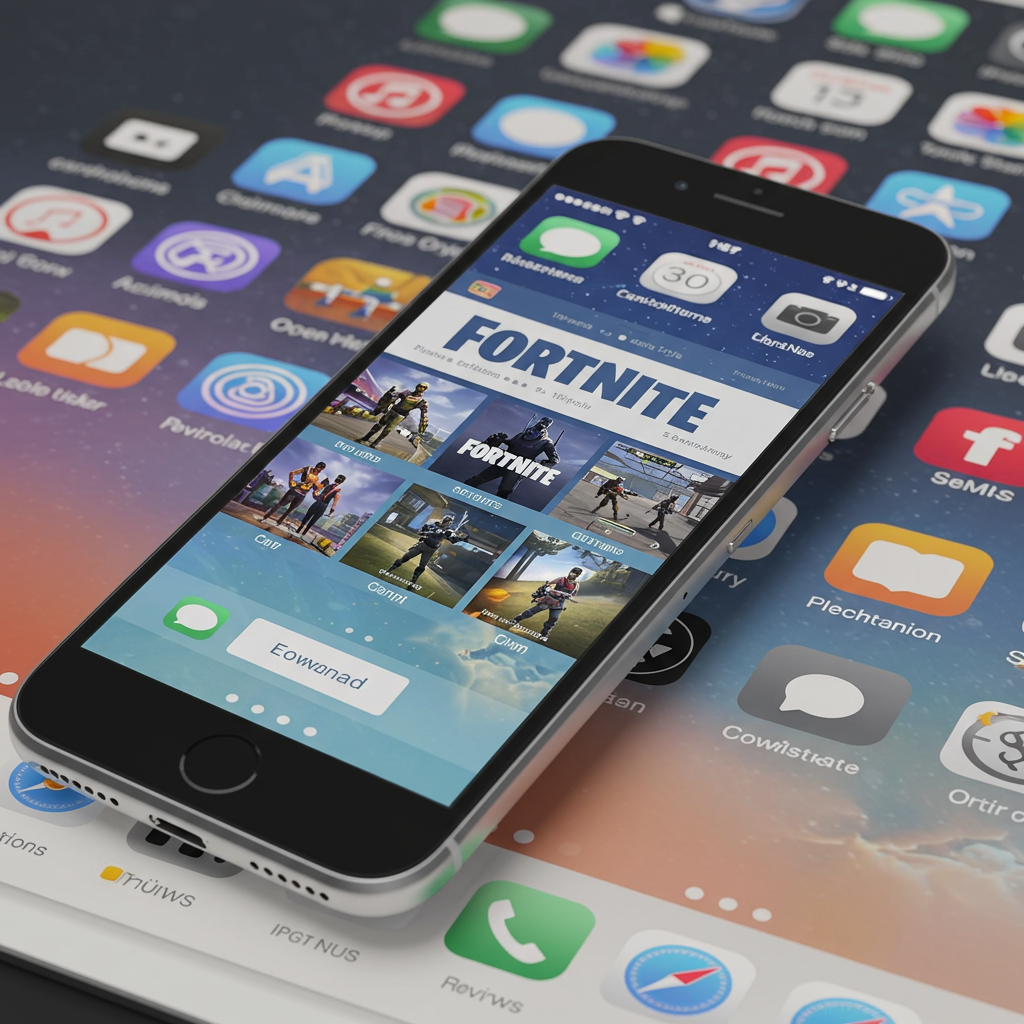
Epic Games Antitrust Battle: A high-profile legal battle over in-app purchase mechanisms, where Epic sought to bypass Apple’s payment system.
Antitrust Investigations: Numerous regulatory investigations and fines in Europe concerning Apple’s App Store policies and perceived anti-competitive practices.
Critics argue these examples demonstrate Apple’s consistent prioritization of platform control and revenue protection over fostering an open and broadly innovative ecosystem.
The “Dual Approach” Controversy: Apple’s Own AI Strategy
A particularly unique and contentious aspect of this situation is Apple’s own internal AI strategy. While restricting third-party AI tools like vibe-coding platforms, Apple is simultaneously integrating advanced AI features into its proprietary Xcode developer platform. Recent updates, like Xcode 26.3, incorporate agentic coding capabilities, utilizing models from OpenAI and Anthropic. These features allow AI agents to create files, build projects, run tests, and inspect visual output directly within Apple’s own development environment.
This “dual approach” raises significant concerns about fairness and anti-competitive behavior. On one hand, Apple limits the capabilities of independent developers and smaller companies leveraging similar AI technology on mobile. On the other hand, it champions and integrates these very same underlying technologies into its own desktop developer tools. Apple distinguishes its Xcode features by noting that Xcode is a developer tool on macOS that produces apps ultimately submitted through its rigorous App Review process. However, the practical effect is a restriction on third-party tools that democratize app creation on mobile, while Apple integrates similar technology into its proprietary toolchain.
Impact on Developers and Future Innovation
The implications of Apple’s restrictions are far-reaching, directly impacting the developer community and the broader pace of innovation.
Developer Frustration: Many developers express deep frustration over Apple’s restrictive policies and the often-slow app review processes, which handle over 3,000 submissions daily. These hurdles hinder rapid iteration and innovation.
Stifling Learning: AI-assisted coding tools are incredibly valuable for teaching programming to beginners. Limiting their functionality on iOS could impede the next generation of developers from easily accessing and learning new coding paradigms.
Regulatory Scrutiny: Apple’s stance risks attracting increased scrutiny from regulators in the U.S. and E.U. This could potentially lead to new antitrust investigations or substantial fines, especially given its history of such issues.
Navigating Compliance: A Rocky Road Ahead
Apple has provided potential paths for affected developers to bring their apps into compliance. For Replit, a suggested solution involves opening generated applications in an external browser instead of an in-app view. For Vibecode, Apple’s review team reportedly indicated approval would be likely if the app removed its capability to generate software specifically for Apple devices.
However, these proposed workarounds are far from ideal for developers. They view such solutions as inconvenient and cumbersome for users, potentially degrading the user experience by requiring constant switching between applications and browsers. The inability to publish updates has already had tangible consequences; Replit’s iOS app, for instance, has dropped from the top position to third place in Apple’s free developer tools rankings since its last update in January. This decline is attributed, in part, to the update blockade. The situation underscores the difficult choices developers face between complying with stringent requirements that limit mobile app functionality or shifting their user base to platforms where Apple exerts less control.
Frequently Asked Questions
What exactly are vibe-coding apps, and why is Apple blocking their updates?
Vibe-coding apps like Replit and Vibecode allow users to generate functional software from natural language descriptions, leveraging advanced AI. Apple is blocking their updates due to alleged violations of App Store Guideline 2.5.2. This rule prohibits apps from downloading, installing, or executing code that alters their features or functionality post-installation. Apple argues that these apps, by rendering generated applications within an in-app web view, effectively transform into platforms for running arbitrary code, bypassing the App Store’s vetting process and potentially impacting security.
What steps can developers take to comply with Apple’s App Store guidelines for AI code generation?
Apple has suggested workarounds for affected developers. For applications like Replit, the proposed solution involves opening generated applications in an external browser rather than displaying them within an in-app web view. For apps generating Apple-specific software, such as Vibecode, Apple has advised removing this capability for updates to be approved. However, developers find these solutions inconvenient for users and detrimental to the user experience, as they necessitate switching between apps and browsers, hindering seamless interaction.
Does Apple’s stance on vibe coding signal a broader threat to AI-driven development on iOS?
Apple’s actions highlight a significant tension. While it restricts third-party AI coding platforms on iOS, it simultaneously integrates advanced AI code generation capabilities into its own Xcode developer platform for macOS. This “dual approach” raises concerns about anti-competitive behavior and fairness within the ecosystem. It suggests Apple is willing to embrace AI-driven development, but primarily through its own controlled channels. This could indeed signal a broader challenge for independent developers creating powerful, AI-assisted tools that democratize app creation outside Apple’s immediate purview on iOS.
The Future of App Development in Question
Apple’s current stance is clearly a defensive strategy aimed at safeguarding its deeply entrenched ecosystem and significant revenue streams. However, this approach may not be sustainable given the rapid and transformative evolution of AI-driven development tools. The company is likely to face increasing pressure from its developer community, its vast user base, and international regulators. Apple’s decisions in navigating this delicate balance between maintaining platform integrity and fostering genuine innovation will significantly shape the future of app development in an increasingly AI-driven technological landscape. The unfolding situation with vibe-coding apps is not merely a policy dispute; it is a critical battle for the soul of the digital creation economy.