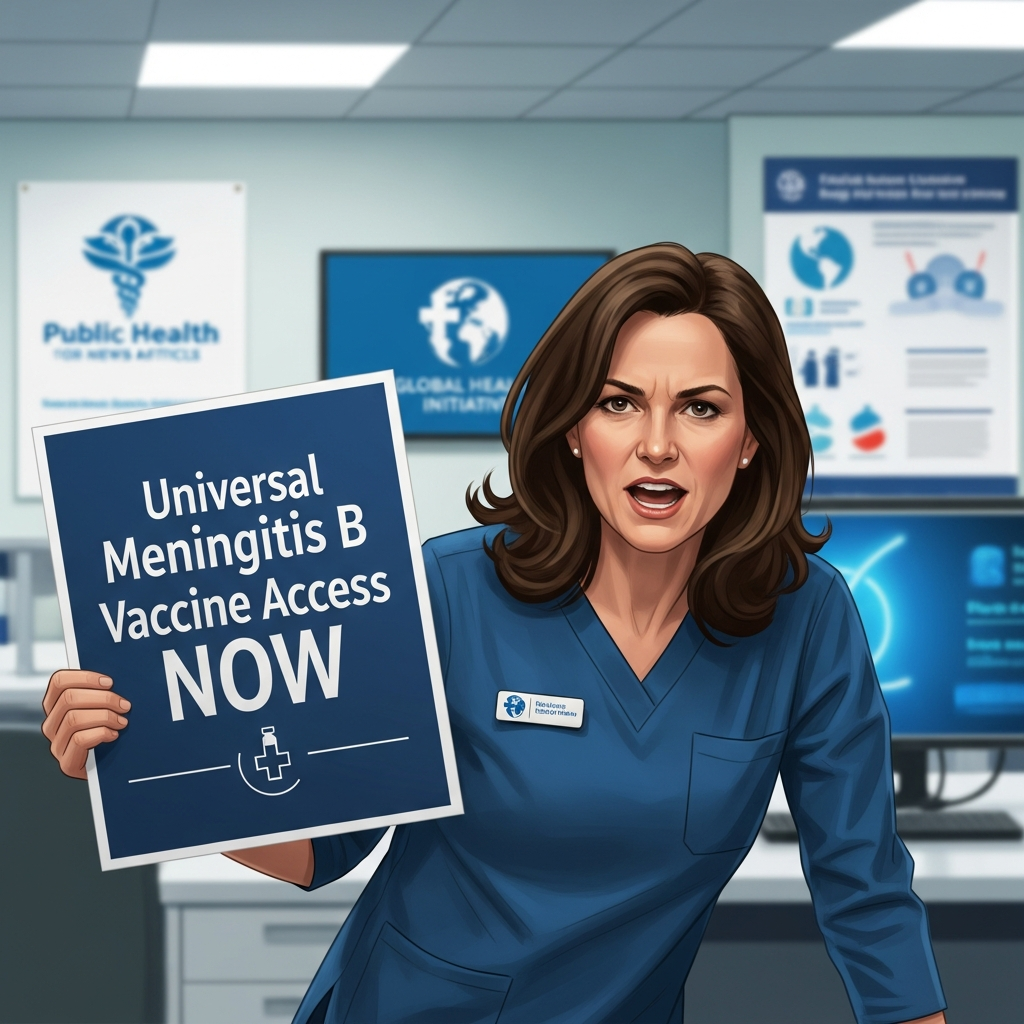
A heartbroken mother in Kent is leading a vital campaign for universal access to the Meningitis B (MenB) vaccine following a recent outbreak that tragically claimed two lives in the county. Sue Gray’s impassioned plea stems from her own devastating loss, with her 21-year-old son Matthew dying from meningitis in 2023, while her younger son Zak bravely survived the infection last year. This urgent call highlights critical gaps in vaccine availability and advocates for a stronger public health approach to preventable diseases, alongside a groundbreaking push for a “Duty of Care” law.
The Tragic Shadow of Meningitis B in Kent
The Kent community has been grappling with a serious meningitis outbreak, with the UK Health Security Agency (UKHSA) confirming 15 cases. Disturbingly, four of these have been identified as Meningitis B, a severe bacterial infection for which routine vaccination is not currently extended to all age groups in the UK. This policy has left a vulnerable cohort, particularly older teenagers and young adults, unprotected.
Sue Gray, from Sheppey, understands this vulnerability intimately. Her son Matthew was just 21 when he succumbed to meningitis in April 2023. “I don’t want anyone else to lose their life to something which I know can be prevented,” Gray stated, her grief fueling a determined fight for change. Her personal tragedy underscores the dire need for immediate action and wider vaccine access.
Why Wider MenB Vaccine Access is Crucial
The MenB vaccine was integrated into the routine immunization schedule in 2015. While this protects younger children, it means that individuals born before this rollout, including many older teenagers and young adults like Matthew, never received the crucial jab. The current system offers a stark choice: pay approximately £220 for a full two-dose course at a high street pharmacy, or remain unprotected.
Gray passionately argues that this financial barrier is unacceptable. “Why is it important to the government to be providing jabs for some diseases and illnesses, and not others? Especially when this is a preventable disease.” Her son Zak, who survived meningitis, echoed concerns about the outbreak’s severity. He noted that many people “glaze past” meningitis, failing to grasp its potential for rapid and devastating impact.
In a positive development, Health Secretary Wes Streeting has confirmed a vaccination program will soon begin for students residing in halls at the University of Kent. Crucially, he also announced a re-evaluation of the general eligibility criteria for the MenB vaccine, offering a glimmer of hope for a more inclusive policy. This review could mark a significant step towards closing the current protection gap and safeguarding more lives.
Understanding Meningitis and Its Severity
Meningitis is an inflammation of the membranes surrounding the brain and spinal cord, typically caused by bacterial or viral infection. Bacterial meningitis, particularly Meningitis B, is extremely serious and can be life-threatening. It progresses rapidly, often leading to severe brain damage, hearing loss, or limb amputation in survivors. Early diagnosis and treatment are critical, but prevention through vaccination remains the most effective defense. The symptoms can be subtle at first, often resembling a common cold or flu, making public awareness and swift action vital.
The Overlooked Threat to Young Adults
The concentration of current cases, including those affecting university students, highlights a particular vulnerability among young adults. This age group often lives in close quarters, such as dormitories, increasing the risk of infectious disease transmission. The lack of routine MenB vaccination for this demographic, combined with their susceptibility, creates a dangerous public health blind spot that campaigners like Sue Gray are striving to illuminate. Expanding eligibility to encompass this at-risk population could significantly reduce the incidence of this often-fatal disease.
Beyond the Vaccine: Advocating for a “Duty of Care” Law
Sue Gray’s tireless advocacy extends beyond vaccine access. She is also spearheading a campaign for a groundbreaking “Duty of Care” law in the UK. This proposed legislation would legally obligate anyone present during a medical emergency to call for help. This second campaign is deeply personal, stemming directly from the circumstances surrounding Matthew’s death. He fell ill at a flat with others who, for reasons unknown, delayed seeking medical assistance for two full days.
Gray believes that the absence of such a legal requirement has robbed her of answers and justice. “Because of their blatant refusal [to get help] I am now sitting here, a mum who’s grieving the loss of her 21-year-old son when he had so much life to give.” Her petition for a Duty of Care law has garnered nearly 80,000 signatures, reflecting widespread public support for this crucial legal reform. This law could transform how medical emergencies are handled, potentially preventing countless avoidable tragedies.
Public Health and Preventative Measures
The dual campaigns led by Sue Gray bring into sharp focus broader discussions about public health policy and preventative care in the UK. The emphasis on “prevention is better than cure” resonates deeply with healthcare professionals and the public alike. Ensuring equitable access to essential vaccines, regardless of age or ability to pay, is a cornerstone of a robust public health system. Similarly, establishing a legal framework that encourages immediate assistance in emergencies can profoundly impact patient outcomes. These initiatives collectively underscore the need for proactive strategies to safeguard community well-being.
Frequently Asked Questions
What is Meningitis B and why is vaccination crucial for specific age groups?
Meningitis B is a severe bacterial infection causing inflammation of the brain and spinal cord, often leading to life-altering complications or death. Vaccination is crucial as it offers the most effective protection against this rapidly progressing disease. While routinely given to infants, older children, teenagers, and young adults (like Matthew Gray, who died at 21) may not have received the MenB jab due to the 2015 rollout criteria, leaving a significant gap in population immunity.
How can individuals check their Meningitis B vaccine eligibility or get the jab in the UK?
Currently, routine MenB vaccination is primarily for infants. Older individuals not covered by this program can inquire about their eligibility with their GP, especially if they are in an at-risk group or attending university in an affected area like Kent. For those not eligible for a free NHS vaccine, a full course of two doses is available for approximately £220 from many high street pharmacies, requiring a private consultation.
What is the ‘Duty of Care’ law campaign, and how does it aim to prevent future tragedies?
The ‘Duty of Care’ law campaign, championed by Sue Gray, seeks to introduce legislation that would legally oblige individuals present during a medical emergency to call for help. This campaign was spurred by the tragic death of Gray’s son, Matthew, who did not receive timely medical assistance. By making it a legal requirement, the campaign aims to prevent future avoidable deaths by ensuring that critically ill individuals promptly receive the medical attention they need.
A Persistent Fight for Change
The devastating impact of meningitis on families in Kent and across the UK underscores the critical importance of Sue Gray’s advocacy. Her fight for widely available Meningitis B vaccination and a “Duty of Care” law is more than a personal quest; it is a movement for improved public health and greater accountability. As the government re-examines vaccine eligibility and public support for the Duty of Care law grows, there is a tangible hope that Matthew’s legacy will lead to lasting change, protecting countless lives from preventable tragedies. Continued public awareness and engagement are vital to sustain this momentum and ensure that “prevention is better than cure” becomes a guiding principle in all aspects of healthcare.