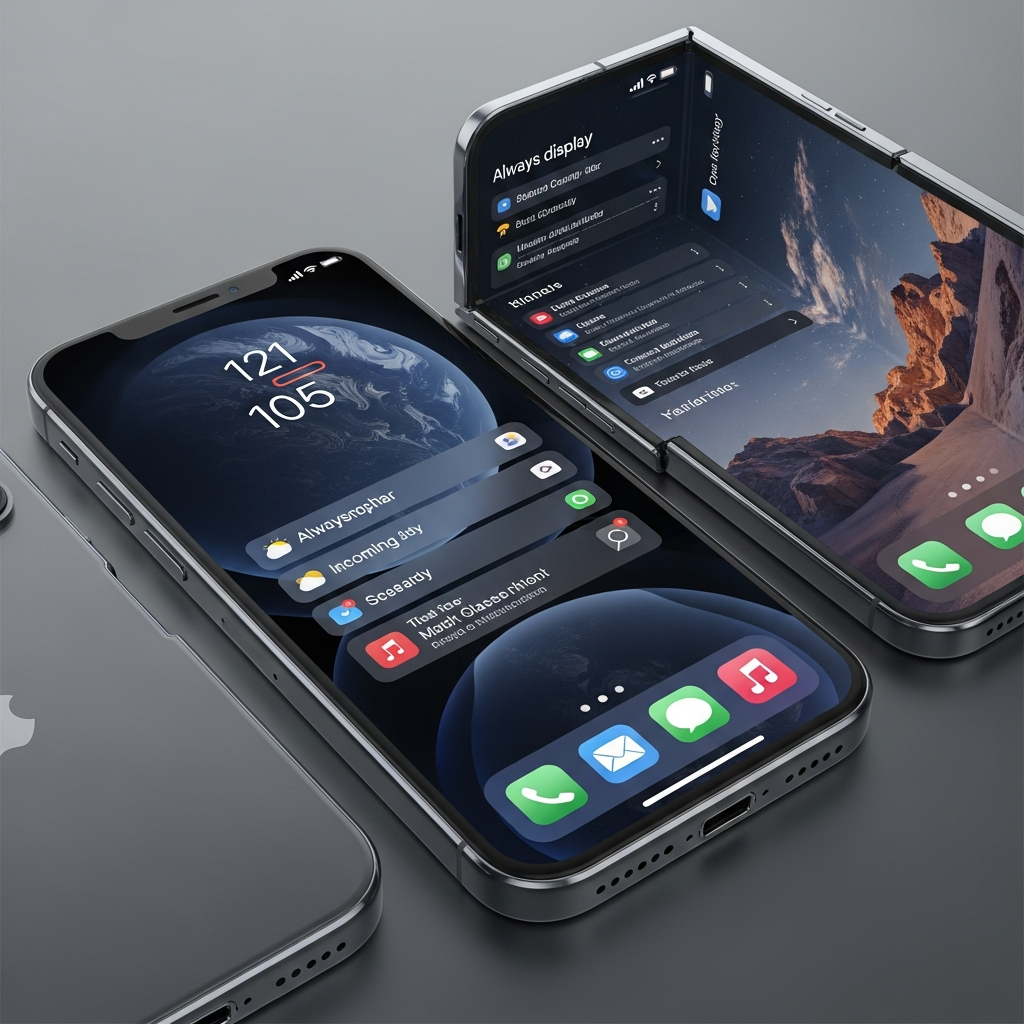
Apple is poised to redefine the iPhone experience, leveraging advanced Low-Temperature Polycrystalline Oxide (LTPO) display technology to bring premium features like always-on screens and ultra-smooth ProMotion refresh rates to a wider range of its future iPhones. This strategic shift, encompassing everything from upcoming models like the iPhone 17 series to speculative devices like the iPhone 19e and a foldable iPhone, promises greater power efficiency and dynamic visual performance across the lineup. Understanding Apple’s evolving display strategy is key to anticipating the capabilities of your next device.
The Dawn of Advanced Displays: LTPO’s iPhone Evolution
At its core, LTPO is a sophisticated backplane technology for OLED displays that offers significantly lower power consumption compared to traditional Low-Temperature Polycrystalline Silicon (LTPS) panels. Unlike LTPS, which has a fixed refresh rate, LTPO thin-film transistors can dynamically adjust the display’s refresh rate down to as low as 1Hz when idle, and up to 120Hz for fluid interactions. This flexibility is the secret sauce behind some of Apple’s most coveted display features.
The immediate benefits of LTPO are twofold: enabling truly efficient always-on display capabilities and powering the incredibly smooth 120Hz ProMotion refresh rate. While Apple’s Pro models have long enjoyed these advantages, the technology is now rapidly expanding.
iPhone 17: LTPO for Everyone?
Exciting rumors suggest a significant leap for the upcoming iPhone 17 series, anticipated for launch in September 2025. Reports indicate that all four rumored models – the standard iPhone 17, iPhone 17 Pro, iPhone 17 Pro Max, and a new slim iPhone Air model – are expected to feature LTPO OLED panels. This would democratize the 120Hz ProMotion refresh rate across the entire 2025 iPhone lineup, a feature previously exclusive to Pro devices. While always-on display functionality is a natural extension of LTPO, its inclusion across all iPhone 17 models remains to be fully confirmed. This widespread adoption marks a pivotal moment, making premium display performance accessible to a broader user base.
Looking Ahead: iPhone 18, 19e, and Beyond
Apple’s display ambitions extend far beyond the immediate horizon. The iPhone 18 series, rumored for 2026, is expected to continue this LTPO evolution. Leaks suggest that both the standard iPhone 18 and a rumored iPhone Air 2 will feature 120Hz LTPO displays, while the iPhone 18 Pro and Pro Max could push boundaries further with under-screen Face ID technology, enabling a truly full-screen experience without visible cutouts. Display sizes for these models are rumored to range from 6.3 inches for the standard and Pro models to 6.9 inches for the Pro Max, with a 6.5-inch iPhone Air 2 also in the mix.
Further into the future, speculation hints at an iPhone 19e by 2028, potentially featuring a more advanced LTPO+ technology specifically to enable an always-on display on this entry-level variant. This long-term vision underscores Apple’s commitment to eventually bringing its most advanced display features to all its devices, ensuring consistent user experience across price points.
The Strategic Shift: Why Apple is Spreading LTPO
Apple’s accelerated push to integrate LTPO across its entire iPhone family is a calculated strategic move, likely driven by several key factors. One major benefit is the ability to offer better technology to entry-level iPhones. By giving these models their own spotlight, potentially through a split release schedule, Apple can introduce compelling upgrades without them being overshadowed by the Pro versions.
Another critical advantage is the alleviation of supply chain constraints. High-demand, advanced components like LTPO panels, especially those enabling 120Hz ProMotion, can be challenging to produce in vast quantities initially. A staggered release, where premium models launch first followed by base models a few months later, allows Apple to manage component availability more effectively. This could be a primary reason why features like ProMotion have historically been Pro-exclusive. Furthermore, an annual “e” model, offering frequent updates for budget-conscious consumers, would benefit immensely from this component management strategy. This ensures that when a new iPhone is purchased, it’s always relatively fresh within its release cycle, boosting buyer satisfaction.
Navigating the Supply Chain Landscape
While Apple aims for widespread LTPO adoption, navigating the global display supply chain is not without its challenges. The company often relies on key partners like Samsung Display and LG Display, but also seeks diversification, including from manufacturers like BOE. However, this diversification can hit roadblocks.
A recent preliminary ruling by the US International Trade Commission (ITC) highlighted potential complications involving Chinese display manufacturer BOE. The ruling suggested BOE violated US trade law by allegedly misappropriating Samsung Display’s confidential OLED technology. This could impact the import of infringing OLED panels and existing iPhones (like the iPhone 15, 16, and 16e series) that use BOE-supplied displays. While Apple stated it was “not a party to this case” and that the ruling had “no impact on any Apple products,” the situation underscores the complexities of securing advanced display components. For the iPhone 17 series, BOE reportedly planned to supply LTPO displays for certain Pro models, particularly for the Chinese market, but these apparently failed to meet performance benchmarks, illustrating the high quality standards Apple demands.
The Next Frontier: Foldables and CoE Technology
Beyond current and near-future iPhone models, Apple is actively exploring next-generation display technologies for entirely new product categories. Rumors suggest a foldable iPhone could arrive as early as 2026, marking a significant entry into a nascent but rapidly growing market segment. LTPO technology will be absolutely crucial for foldable devices, enabling power-efficient displays that can withstand frequent folding and unfolding while maintaining high visual fidelity.
Additionally, Apple is reportedly investigating Color Filter On Encapsulation (CoE) display technology. This innovative approach could first debut in these foldable devices, offering further advancements in display quality, thickness, and efficiency. The integration of such cutting-edge technologies signals Apple’s long-term commitment to leading the industry in mobile display innovation.
Frequently Asked Questions
What is LTPO display technology and why is it important for iPhones?
LTPO (Low-Temperature Polycrystalline Oxide) is an advanced OLED display backplane technology that allows for dynamic adjustment of the screen’s refresh rate, from as low as 1Hz to 120Hz. This capability significantly reduces power consumption, especially for static content, making it crucial for features like always-on displays. For iPhones, LTPO is vital because it enables both the power-efficient always-on screen and the ultra-smooth 120Hz ProMotion refresh rate, enhancing user experience without compromising battery life.
Which upcoming iPhones will feature LTPO displays?
LTPO is rapidly expanding across the iPhone lineup. The iPhone 17 series, expected in September 2025, is rumored to feature LTPO OLED panels with 120Hz ProMotion across all models (standard, Pro, Pro Max, and the new iPhone Air). Beyond that, the iPhone 18 series (2026/2027) will also integrate LTPO, even on non-Pro models, to support features like 120Hz refresh rates. Further out, an iPhone 19e by 2028 is expected to receive LTPO+ for an always-on display, signifying its eventual presence on all entry-level devices.
How might Apple’s new release strategy impact iPhone buyers?
Apple is rumored to be adopting a split release schedule starting with the iPhone 18 series in 2026, launching premium models in the fall and entry-level models in the spring. This strategy aims to bring better technology to base iPhones by giving them a dedicated launch. For buyers, it means there’s “always a good time to buy” an iPhone, as a device purchased in the summer would be only a few months old, not nearly a year. It also helps Apple manage supply chain constraints for advanced components like LTPO, ensuring broader availability over time.
Conclusion
Apple’s aggressive embrace of LTPO display technology represents a pivotal shift in its iPhone strategy, moving premium display features from exclusive to ubiquitous. From the anticipated widespread adoption of LTPO across the iPhone 17 lineup in 2025, bringing 120Hz ProMotion to all, to the long-term vision for always-on displays on entry-level models like the iPhone 19e by 2028, the future of iPhone displays promises greater efficiency, fluidity, and immersion. Coupled with strategic release changes and an eye towards revolutionary foldable devices and CoE technology, Apple is not just enhancing its current offerings but laying the groundwork for the next generation of mobile experiences. As these advancements roll out, users across all price points can expect a significantly upgraded visual and interactive experience from their iPhones.