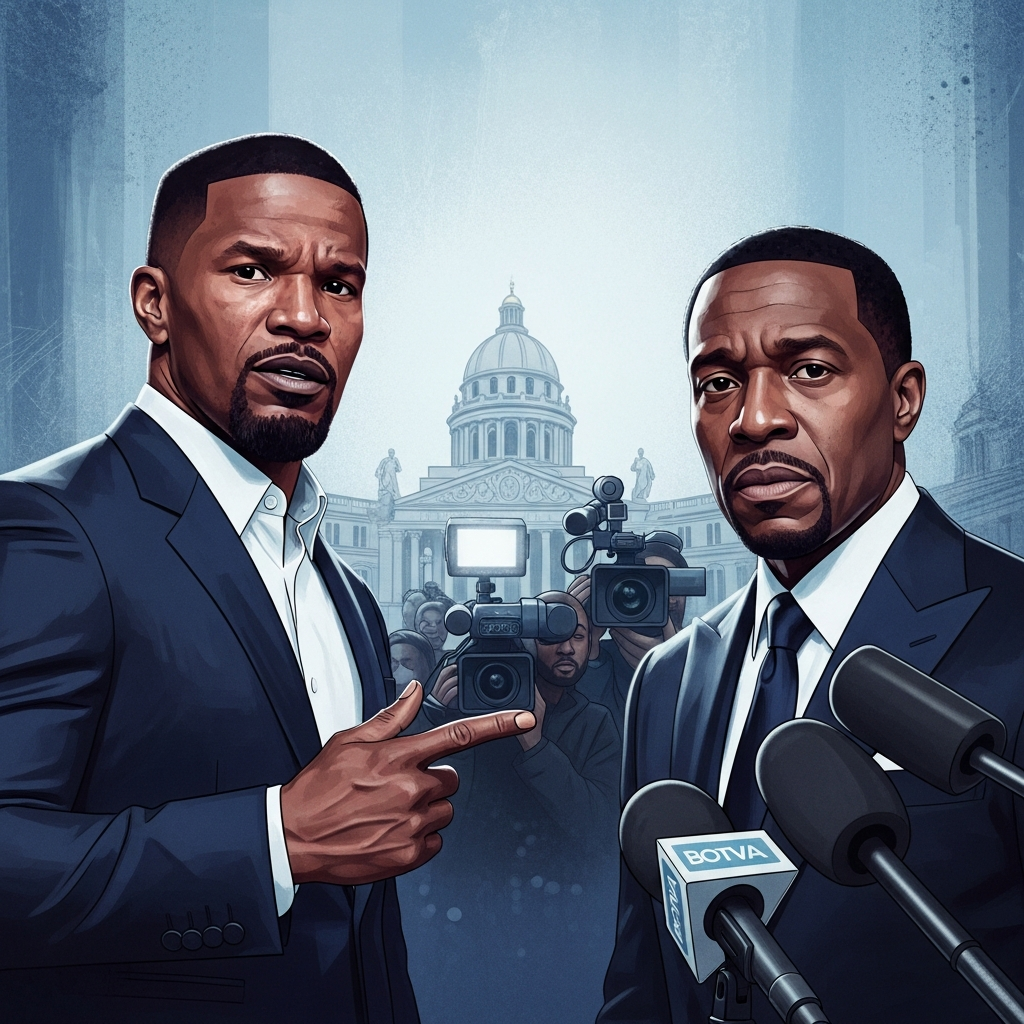
The 2026 Academy Awards unfolded as a highly charged spectacle, transcending mere celebration of cinema to become a prominent platform for political statements and fervent activism. Spanish actor Javier Bardem stood at the forefront of this expression, delivering a pointed condemnation of what he termed “another illegal war” – a direct challenge to the policies of President Donald Trump and Israeli Prime Minister Benjamin Netanyahu. His outspoken protest resonated across the red carpet and throughout the evening, underscoring a prevailing sentiment of dissent within Hollywood.
Javier Bardem’s Bold Stand Against Conflict
Javier Bardem’s appearance at the 2026 Oscars carried a powerful echo from the past. He arrived wearing a “No a la Guerra” patch, identical to one he donned in 2003 to protest the Iraq War. This symbolic gesture highlighted his consistent stance against military conflicts. Speaking to reporters on the red carpet, Bardem was unequivocal. “We are here, 23 years after, with another illegal war, created by Trump and Netanyahu with another lie,” he declared, referencing the conflict with Iran. This statement firmly placed him as a central figure in the Javier Bardem Oscars protest.
Beyond the “No to War” patch, Bardem further amplified his advocacy for Palestine. He proudly displayed a pin depicting Handala, the iconic 10-year-old Palestinian cartoon character created by Naji al-Ali, symbolizing the Palestinian right of return. Later, while presenting the award for Best International Feature Film, Bardem received cheers for his direct address: “No to war, and free Palestine.” This consistent and vocal advocacy follows his established history of criticizing Israel’s war and supporting Palestinians, including earlier strong condemnations at the San Sebastian Film Festival where he labeled Israel’s current government as “the most radical” and accused it of “crimes against humanity” for its actions in Gaza. He has consistently called for the US and UK to reassess their support for these policies.
A Night Steeped in Political Commentary
Bardem’s protest was far from an isolated incident. The entire Academy Awards ceremony reflected a pervasive political atmosphere. Host Conan O’Brien, while generally circumspect, acknowledged the “storm clouds over the capital.” His opening monologue included sharp quips about Jeffrey Epstein and the month’s “culture war” surrounding the Super Bowl. O’Brien also offered a somber note on “chaotic and frightening times,” suggesting the Oscars’ global artistry provided a rare sense of optimism.
Jimmy Kimmel, taking his turn as MC, adopted a more direct comedic approach. He aimed jokes at figures like Melania Trump and criticized CBS, drawing parallels to countries that restrict free speech. The political current extended to the winners’ podium. Director David Borenstein, whose documentary Mr. Nobody Against Putin secured an Oscar, spoke powerfully. He stressed that a country is lost through “countless small, little acts of complicity,” urging individuals to confront moral choices and affirming that “even a nobody is more powerful than you think.” These varied expressions cemented the 2026 Oscars political landscape.
Films Reflecting Real-World Tensions
The political nature of the evening wasn’t limited to speeches and red carpet pins. Many of the nominated films themselves carried potent social and political messages. Paul Thomas Anderson’s One Battle After Another, which clinched both Best Director and Best Picture, was described as an “Antifa-inflected fever dream.” This epic film depicted left-wing activists battling an authoritarian government suppressing immigrants and dissidents. Sean Penn won Best Supporting Actor for his “go-for-broke” performance in this film, adding another layer of political resonance. Penn, a known critic of the Trump administration and advocate for progressive causes, has a history of using his platform for activism, including offering to smelt his Oscars if the Academy failed to provide a platform for Ukraine’s president.
Ryan Coogler’s Sinners, a horror film set in the Jim Crow South, also contributed significantly to the evening’s political atmosphere, with its star Michael B. Jordan winning Best Actor. Another poignant example was The Voice of Hind Rajab, a film depicting the killing of a five-year-old Palestinian girl and her family in Gaza. Its cast arrived wearing “permanent ceasefire” pins, crafted by Artists4Ceasefire in collaboration with Shepard Fairey. These pins called for an end to violence and displacement across multiple regions, including “Palestine, Lebanon, Iran, Venezuela and everywhere.” The cast also highlighted that Palestinian actor Motaz Malhees could not attend due to Trump’s travel ban, amplifying the evening’s Palestine advocacy Hollywood presence.
The Enduring Debate Over Celebrity Activism
Despite the visible activism, a debate persists in Hollywood regarding the efficacy of celebrity political endorsements. There’s a prevailing sense in Los Angeles that overt political expressions might have “fallen out of favor” during Trump’s second term. A 2024 poll, conducted after Taylor Swift endorsed Kamala Harris, indicated that only 11 percent of Americans would reconsider a political stance due to celebrity influence. Even fewer stated they would vote based on a celebrity’s preference.
However, the “increasingly high stakes of American politics” continue to compel many stars to speak out, even risking career backlash or public eye-rolls. Pins protesting Trump’s immigration crackdown have become a recurring feature on awards season red carpets. President Trump himself, despite not commenting directly on this year’s telecast as it aired, has a history of expressing outrage over past politically charged Oscar content, labeling Parasite and The Apprentice as “politically disgusting hatchet jobs” and criticizing past ceremonies as “politically correct.” As the 2026 Oscars aired, Trump was reportedly traveling on Air Force One and took to Truth Social, demanding media outlets be charged with “TREASON” for their Iran war coverage, highlighting his intense focus on political narratives surrounding the conflict.
Heightened Security Amidst Global Anxieties
The palpable tension from global conflicts, including the war in Iran and domestic attacks, translated into unprecedented security measures at the Dolby Theater in Los Los Angeles. Already a “heavily guarded fortress” since 9/11, security was drastically ramped up from its high baseline. An LAPD source confirmed a one-mile security perimeter around the venue, with the air around the awards even monitored for “potential hazards, including radiation.” This extraordinary level of precaution reflected viral reports of vague warnings about potential Iranian drone attacks on Los Angeles from the Pacific.
An LAPD spokesperson confirmed “layered security perimeters, traffic management plans, and a highly visible police presence.” Despite the underlying anxieties, the ceremony proceeded without incident. Conan O’Brien even lightened the mood with a joke about the tight security, quelling nerves and subtly acknowledging the extraordinary circumstances. This showcased the dual nature of the event: a glamorous escape tempered by the harsh realities of the world.
Frequently Asked Questions
What was Javier Bardem protesting at the 2026 Oscars?
Javier Bardem protested an “illegal war” with Iran, directly attributing its creation to President Donald Trump and Israeli Prime Minister Benjamin Netanyahu. He wore a “No a la Guerra” patch, reminiscent of his 2003 stance against the Iraq War, and also sported a Handala pin, symbolizing Palestinian rights. During the ceremony, he explicitly called for “free Palestine,” reinforcing his long-standing advocacy for the Palestinian cause and criticism of Middle East conflicts.
How did other celebrities and films address political issues at the 2026 Oscars?
The 2026 Oscars featured numerous political statements beyond Bardem. Host Conan O’Brien made veiled comments about national “storm clouds,” while Jimmy Kimmel offered sharper satire on figures like Melania Trump. Director David Borenstein spoke against “acts of complicity.” Politically charged films like Paul Thomas Anderson’s One Battle After Another and Ryan Coogler’s Sinners received nominations. The cast of The Voice of Hind Rajab wore “permanent ceasefire” pins, and many stars displayed ICE pins protesting immigration policies.
Why do celebrities continue to make political statements at events like the Oscars despite public polls?
Despite polls indicating that celebrity endorsements have limited impact on public opinion (a 2024 poll suggested only 11% of Americans reconsider a political stance due to a celebrity), many stars persist in making political statements. This is largely driven by the “increasingly high stakes of American politics” and global conflicts. For many, the Oscars provide an unparalleled platform to raise awareness for causes they deeply believe in, even if it risks career backlash or public criticism. Their activism demonstrates a commitment to using their visibility for broader social and political commentary.
In sum, the 2026 Academy Awards was a unique intersection of artistic achievement and profound political discourse. From Javier Bardem’s unwavering condemnation of war and advocacy for Palestine to the nuanced humor of the hosts and the potent narratives of the nominated films, Hollywood’s biggest night became a mirror reflecting the turbulent global landscape. It underscored the enduring role of artists in challenging power and raising awareness, even amidst heightened security and the complexities of public opinion.