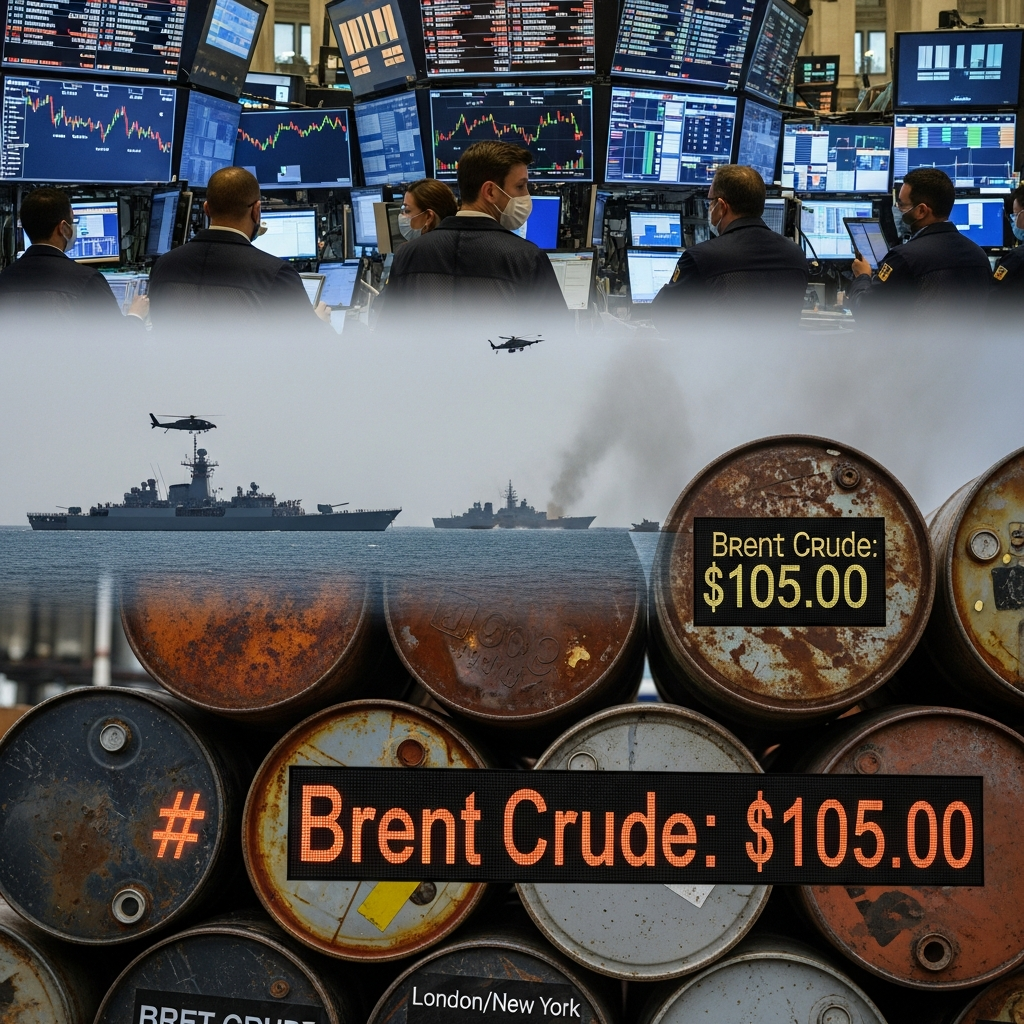
Global energy markets are on high alert as Brent crude oil prices climb towards the significant $105 per barrel mark. This sharp ascent is directly linked to escalating geopolitical tensions in the critical Gulf region, where reports indicate a concerning uptick in attacks attributed to Iran. As the cost of the world’s benchmark crude oil jumps, the ripple effect is already being felt across global stock markets, leaving investors grappling with mixed signals and heightened uncertainty. Understanding the underlying causes and potential broader implications of this volatile situation is crucial for businesses, policymakers, and consumers alike.
The Geopolitical Crucible: Iran’s Actions and Oil Market Volatility
The Middle East remains a nexus of global energy supply, and any instability quickly translates into price swings. Recent reports of Iranian attacks targeting strategic assets in the Gulf region have ignited fears of significant supply disruptions. This isn’t just a regional issue; the Strait of Hormuz, a narrow waterway connecting the Persian Gulf with the open sea, is a chokepoint through which a substantial portion of the world’s oil supply passes daily. Any threat to this passage immediately sends shockwaves through the market, driving prices upward.
Understanding Brent Crude as a Global Benchmark
Brent crude is more than just a type of oil; it serves as a crucial global benchmark for light sweet crude oil. Its price reflects the supply and demand dynamics, as well as the perceived geopolitical risks, predominantly in Europe, Africa, and the Middle East. When Brent crude prices surge, it signals a broader expectation of increased costs for oil globally, impacting everything from gasoline prices at the pump to the operational expenses of industries reliant on petroleum. This current climb past $100 is a significant psychological and economic barrier.
Escalating Tensions in the Gulf
The recent escalation of hostilities attributed to Iran in the Gulf targets adds a substantial risk premium to oil prices. While the exact nature and targets of these attacks are crucial for detailed analysis, the mere presence of such activity creates immense uncertainty for the safe transit of oil. Shipping companies and insurers begin to factor in higher risks, which in turn pushes up the cost of transporting oil. This directly contributes to higher Brent crude oil prices, fueling concerns about global energy security and economic stability.
The Domino Effect: How Oil Prices Ripple Through Global Economies
A rapid increase in oil prices rarely remains isolated to the energy sector. It acts as a powerful inflationary force, impacting various aspects of the global economy. Businesses face higher input costs, which are often passed on to consumers. This can lead to reduced purchasing power and a slowdown in economic growth, particularly in nations heavily reliant on imported oil.
Inflationary Pressures and Consumer Impact
One of the most immediate and tangible effects of rising oil prices is on inflation. Higher fuel costs directly impact transportation, manufacturing, and even food production. This means consumers pay more for goods and services, eroding disposable income. Central banks often monitor oil prices closely as a key indicator for potential inflationary trends, which can influence decisions regarding interest rates and monetary policy. The current surge in Brent crude could exacerbate existing inflationary pressures globally.
Sectoral Winners and Losers in the Stock Market
While the overall stock market reaction might be “mixed” as initially observed, a closer look reveals distinct winners and losers. Energy companies, especially those involved in oil exploration and production, often see their stock prices rise as their primary commodity becomes more valuable. Conversely, industries with high transportation costs or significant energy consumption, such as airlines, logistics firms, and manufacturing, tend to suffer. This divergence creates a complex landscape for investors seeking to navigate the volatility. Diversification across different sectors becomes even more critical during such periods.
Beyond the Headlines: Broader Economic Implications
The interplay between geopolitical events and commodity prices has far-reaching consequences. Governments and international bodies are often forced to react, implementing policies to stabilize economies or secure alternative energy sources. The current situation around Brent crude is no exception, demanding careful consideration from multiple perspectives.
Central Bank Dilemmas and Monetary Policy
Rising oil prices present a significant dilemma for central banks. On one hand, they need to combat inflation, which soaring energy costs fuel. On the other hand, aggressive interest rate hikes to curb inflation could stifle economic growth, especially if the oil price shock is severe. Navigating this tightrope requires careful analysis and strategic policy adjustments. The current environment adds another layer of complexity to an already challenging global economic outlook.
Energy Security and Strategic Reserves
Nations worldwide prioritize energy security, aiming to ensure a stable and affordable supply of energy. Events like the current escalation in the Gulf highlight the vulnerability of global supply chains. Countries may consider tapping into strategic petroleum reserves to mitigate immediate price shocks, though such measures are typically temporary. Long-term strategies involve diversifying energy sources, investing in renewables, and strengthening diplomatic ties to secure stable supplies. The situation underscores the ongoing importance of robust energy policies.
Navigating Volatility: Strategies for Investors and Businesses
Periods of high market volatility, driven by geopolitical events, can be unsettling. However, they also present opportunities for those who are prepared and informed. For investors and businesses, a proactive approach and a clear understanding of risk are paramount.
Diversification and Risk Management
For investors, a diversified portfolio can help mitigate the impact of market shocks. While energy stocks might see gains, other sectors could experience downturns. Spreading investments across various asset classes and geographies can reduce overall risk. Businesses, too, should review their supply chains for vulnerabilities related to energy costs and consider hedging strategies to lock in prices. Understanding geopolitical risks is a core component of sound financial planning.
Long-Term Outlook for Energy Markets
While short-term fluctuations in Brent crude oil prices are often driven by immediate geopolitical events, the long-term outlook involves broader trends. The global transition towards cleaner energy sources, advancements in drilling technologies, and shifts in demand patterns will continue to shape the energy landscape. However, as the current situation demonstrates, traditional fossil fuels will likely remain a critical component of the global energy mix for the foreseeable future, making geopolitical stability in oil-producing regions perpetually important.
Frequently Asked Questions
Why are Brent crude prices rising due to tensions in the Gulf?
Brent crude prices are increasing because escalating attacks attributed to Iran in the Gulf region raise fears of oil supply disruptions. The Gulf is a vital area for global oil transit, especially through the Strait of Hormuz. Any perceived threat to this shipping lane creates uncertainty and drives up the risk premium, causing a sharp rise in the price of crude oil as traders and markets anticipate potential shortages or increased costs for transport and insurance. This direct correlation makes geopolitical events in the region a primary driver of oil market volatility.
How do rising Brent crude prices typically affect the global economy and stock markets?
Rising Brent crude prices significantly impact the global economy by fueling inflation. Higher oil costs increase expenses for transportation, manufacturing, and energy-intensive industries, which are often passed on to consumers. This can reduce purchasing power and slow economic growth. For stock markets, the effect is typically mixed: energy sector stocks (e.g., oil producers) may benefit from higher commodity prices, while industries heavily reliant on fuel (e.g., airlines, logistics) may see their profits and stock values decline. Central banks also face dilemmas, potentially needing to balance inflation control with supporting economic growth.
What should investors consider during periods of high oil price volatility?
During periods of high oil price volatility, investors should prioritize diversification across their portfolios to mitigate risk. While energy stocks might offer short-term gains, other sectors could be negatively impacted. It’s crucial to understand how different industries react to rising energy costs. Investors might also consider reviewing their exposure to inflation-sensitive assets and potentially explore hedging strategies. Staying informed about geopolitical developments and their potential impact on energy supply and demand is essential for making well-informed decisions.
Conclusion
The surge in Brent crude oil prices towards $105 per barrel, driven by heightened geopolitical tensions and attacks in the Gulf region, underscores the delicate balance of global energy markets. This volatility is not merely a trading statistic; it represents a significant economic challenge with far-reaching implications for inflation, consumer spending, and the stability of global stock markets. As events unfold, the need for vigilance and adaptive strategies from policymakers, businesses, and investors remains paramount. The ongoing situation serves as a stark reminder of how interconnected geopolitical stability is with our daily economic realities.