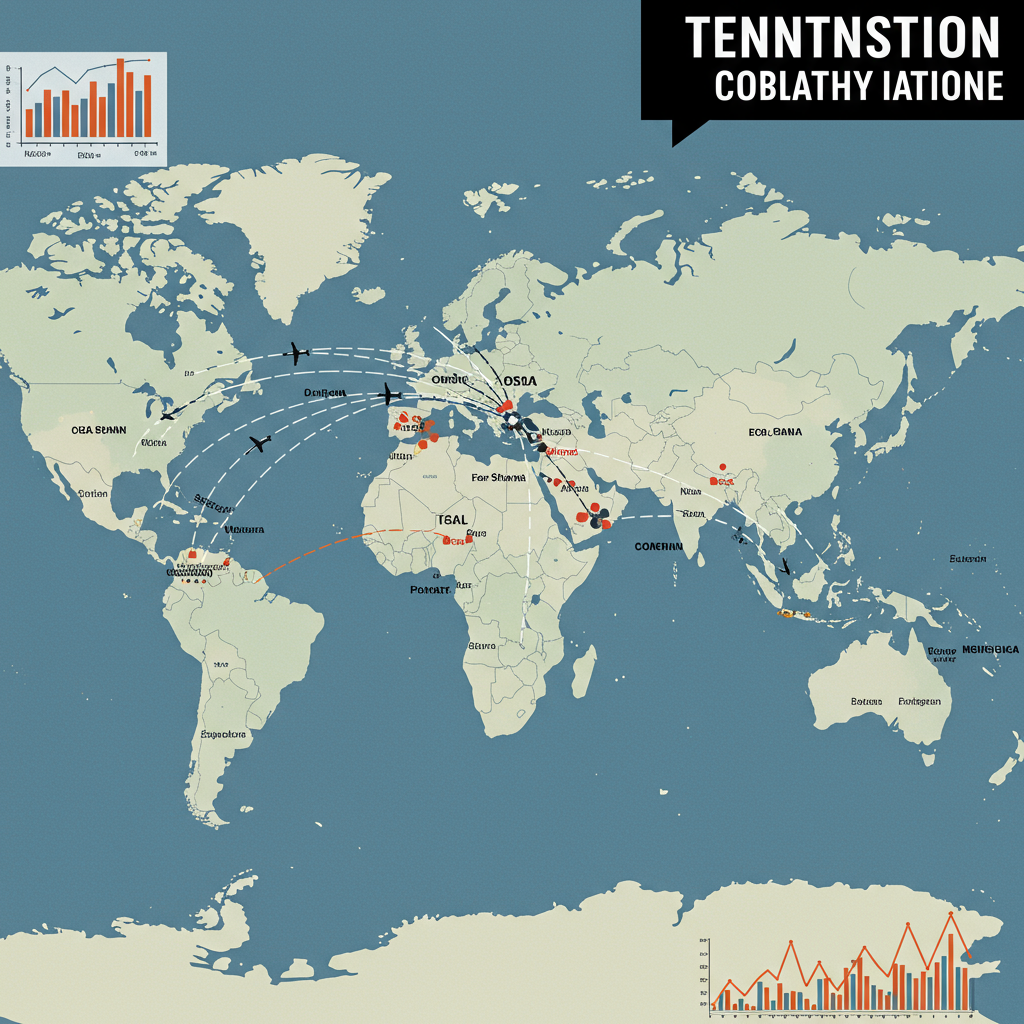
Recent U.S. military strikes on Kharg Island have brought renewed global attention to Iran’s islands in the Persian Gulf, highlighting their immense strategic and economic significance. These seemingly small landmasses, particularly Kharg, Qeshm, Abu Musa, and the Greater and Lesser Tunb, are far more than mere territorial markers; they are critical choke points for global energy, vital economic lifelines for Iran, and enduring flashpoints in a volatile region. Understanding their role is essential to grasping the complex dynamics of the ongoing conflict and its potential worldwide repercussions.
Unpacking the Geopolitical Significance of Iran’s Islands
The islands scattered across the Persian Gulf, extending towards the critical Strait of Hormuz, are central to Iran’s national security and economic viability. Despite their modest size, their geographic placement bestows upon them an outsized geopolitical importance. These islands are not only home to crucial oil infrastructure but also serve as strategic military outposts, making them integral to Iran’s regional influence and its capacity to exert leverage over international shipping lanes.
The Nexus of Conflict: Kharg Island’s Vital Role
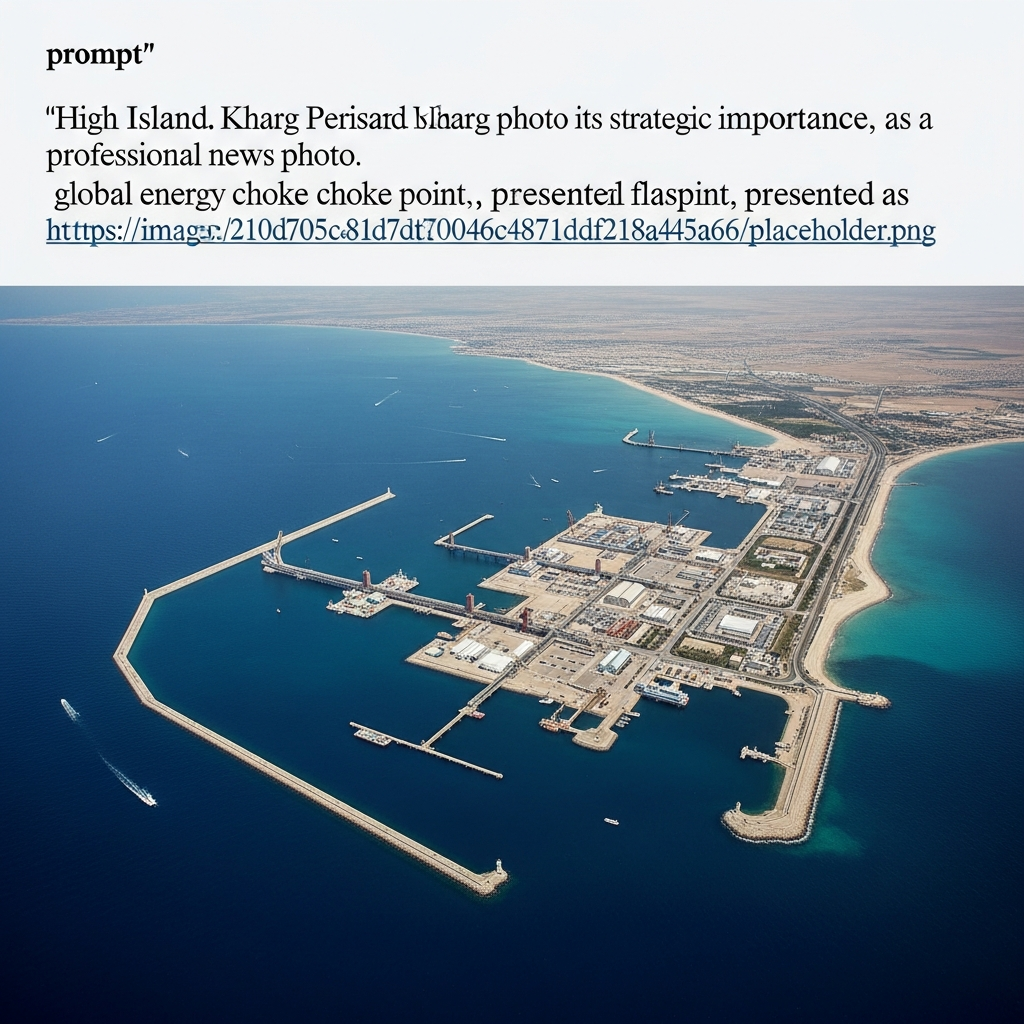
Kharg Island, a small coral outcrop located approximately 21 miles (33 kilometers) off Iran’s coast, stands as the undeniable centerpiece of Iran’s economic infrastructure. This island serves as the primary terminal through which nearly all of Iran’s crude oil exports pass, making it an indispensable asset for the nation’s revenue generation. Pipelines from Iran’s largest oil fields converge here, feeding vast storage tanks capable of holding tens of millions of barrels before giant Very Large Crude Carriers (VLCCs) transport the oil to international markets, with China being a primary buyer.
Following a U.S. strike on Kharg Island in March 2026, which reportedly destroyed military sites but left the critical oil infrastructure intact, global attention focused intently on the island. The U.S. Central Command confirmed these were “large-scale precision strikes” targeting over 90 Iranian military sites, including air defenses, a naval base, an airport control tower, and a helicopter hangar. Iranian media, while acknowledging more than 15 explosions, reported no damage to the oil facilities.
Kharg: Iran’s Economic Lifeline and Global Energy Hub
The financial implications of Kharg Island are staggering. It is estimated that approximately 90% of Iran’s crude oil exports are processed and shipped from this single location. Energy researchers, such as Petras Katinas from the Royal United Services Institute, emphasize Kharg’s critical role in funding Iran’s government and military. Katinas notes that if Iran were to lose control of Kharg, the country’s ability to function would be severely hampered, regardless of the ruling regime. JPMorgan’s global commodity research team has also warned of major economic implications should strikes impact the island’s oil infrastructure.
Since the war began, Iran has reportedly exported 13.7 million barrels of oil, with satellite imagery showing multiple tankers loading at Kharg. This continuous flow of oil, primarily to countries like China, underpins a significant share of Iran’s national revenue. Housing for thousands of workers, refineries, and depots coexist with natural wildlife, underscoring Kharg’s multifaceted identity as both a sensitive economic asset and a populated area.
The Threat of Disruption: Strait of Hormuz and International Response
Adjacent to these crucial islands lies the Strait of Hormuz, a narrow maritime chokepoint through which approximately one-fifth of the world’s oil passes daily. Its strategic importance cannot be overstated. Following the strikes on Kharg, President Donald Trump issued a stern warning: while military targets were “totally obliterated,” he had “chosen NOT to wipe out the Oil Infrastructure on the Island.” However, he threatened to “immediately reconsider this decision” if Iran or any other entity interfered with the “Free and Safe Passage of Ships” through the Strait of Hormuz.
Iran, in turn, has historically threatened to close the strait, with its supreme leader previously suggesting it could be used as leverage. Amidst the recent escalation, Iran’s foreign minister claimed the strait was closed only to “those who are attacking us and their allies,” further intensifying global energy market fears. Trump subsequently called for international naval support from allies like China, France, Japan, South Korea, and the U.K. to ensure the strait remained “open and safe,” a plea that saw the U.K. confirm discussions on “a range of options.” Iran’s joint military command has also reiterated threats to target U.S.-linked “oil, economic and energy infrastructures” in the region if its own facilities are attacked.
Other Critical Islands: Abu Musa, Tunbs, and Qeshm
While Kharg Island dominates the economic spotlight, other Iran’s islands in the Persian Gulf also carry profound strategic weight, contributing to the region’s complex web of alliances and disputes.
Historical Flashpoints: Abu Musa and the Tunbs
The three tiny islands of Abu Musa and the Greater and Lesser Tunb have long represented a significant source of tension between Iran and Gulf states allied with the United States. Iranian forces seized these islands in November 1971, just days after the United Kingdom withdrew from the Gulf and immediately before the formation of the United Arab Emirates. Today, Iran maintains military assets and garrisons on these islands, and the territorial dispute over their sovereignty remains one of the Gulf’s most persistent flashpoints. Their location near key shipping lanes adds to their strategic value, making them potential points of naval confrontation.
Qeshm Island: Civilian Infrastructure and Strategic Claims
Qeshm Island, the largest island in the Persian Gulf, is home to approximately 150,000 residents and sits strategically near the Strait of Hormuz. In a significant development, Iranian Foreign Minister Abbas Araghchi claimed that the U.S. struck a desalination plant on Qeshm on March 8, a claim Washington has not acknowledged. Araghchi vehemently condemned this alleged attack, warning that “attacking Iran’s infrastructure is a dangerous move with grave consequences” and accusing the U.S. of setting a dangerous precedent. The desalination plant in question is crucial, supplying water to about 30 local villages, underscoring the potential humanitarian impact of such strikes. In a related incident, Bahrain’s Interior Ministry reported material damage to a desalination plant there the following day, caused by an Iranian drone, though water supplies were not disrupted.
Escalating Tensions and Future Implications
The recent strikes and counter-claims paint a picture of rapidly escalating tensions that could have far-reaching regional and global consequences. The conflict, now in its third week, extends beyond direct military engagements, impacting diplomatic relations and global markets.
The Broader Regional Ripple Effect
Iran has publicly accused the U.S. of using “ports, docks and hideouts” in the UAE, specifically Ras Al-Khaimah and an area “very close to Dubai,” to launch strikes on Kharg Island. While providing no evidence, Iran’s foreign minister warned of potential retaliation, leading to calls for people to evacuate three major UAE ports: Dubai’s Jebel Ali, Abu Dhabi’s Khalifa, and Fujairah. Hours later, debris from an intercepted Iranian drone hitting an oil facility caused a fire at Fujairah port. Meanwhile, Iran has launched hundreds of missiles and drones at its Arab Gulf neighbors, consistently asserting these attacks target U.S. assets, even when civilian infrastructure is hit. Separately, Israel reported its own wave of strikes in Iran, hitting over 200 targets in 24 hours, including missile launchers, defense systems, and weapons production sites. The conflict’s regional ripple effects have also included a missile strike on the U.S. Embassy compound in Baghdad.
International Reactions and Future Outlook
The U.S. is rapidly increasing its military presence in the Middle East, deploying 2,500 additional Marines from the 31st Marine Expeditionary Unit and the amphibious assault ship USS Tripoli. This buildup contributes to the largest U.S. military presence in the region in decades, signaling a robust posture. While these units are capable of diverse operations, their deployment underscores the gravity of the situation. The international community, facing soaring oil prices and the threat of broader conflict, is grappling with diplomatic solutions while preparing for potential further escalation. The future trajectory of this conflict hinges significantly on the actions surrounding Iran’s islands and the Strait of Hormuz.
Frequently Asked Questions
Why is Kharg Island so vital to Iran’s economy?
Kharg Island is Iran’s primary oil export terminal, handling approximately 90% of the country’s crude oil shipments. It features extensive storage tanks and is connected by pipelines to Iran’s largest oil fields. The revenue generated from oil exports via Kharg is crucial for funding the Iranian government and military, making it an indispensable economic lifeline. Disruptions to its operations would severely impact Iran’s financial stability and its capacity to function.
Which other Iranian islands are key to Persian Gulf stability?
Beyond Kharg, Qeshm Island, Abu Musa, and the Greater and Lesser Tunb are also strategically significant. Qeshm, the largest island in the Persian Gulf, is home to a substantial population and important civilian infrastructure, such as desalination plants, making it a critical hub. Abu Musa and the Tunbs are militarily strategic, serving as persistent flashpoints due to long-standing territorial disputes with the United Arab Emirates, contributing to regional tensions and potential for conflict.
What are the potential global impacts if the Strait of Hormuz is disrupted?
A disruption to the Strait of Hormuz would have severe global economic repercussions. As a vital maritime chokepoint, it facilitates the passage of roughly one-fifth of the world’s daily oil supply. Closure or significant interference with shipping in the strait would lead to a drastic surge in global oil and gas prices, fueling inflation, potentially causing energy shortages, and destabilizing international markets. This could trigger a global economic crisis, affecting supply chains and consumer costs worldwide.
Conclusion
The recent U.S. strikes on Kharg Island have forcefully reminded the world of the outsized importance of Iran’s islands in the Persian Gulf. These islands are not merely geographical features but pivotal economic hubs, strategic military outposts, and enduring sources of regional contention. Kharg Island, as the primary artery for Iran’s oil exports, is an irreplaceable economic lifeline, directly impacting global energy markets. Meanwhile, islands like Qeshm, Abu Musa, and the Tunbs underscore the complex geopolitical landscape and the potential for wider conflict. As tensions continue to mount and international diplomacy strains to contain the crisis, the fate of these islands and the unimpeded passage through the Strait of Hormuz remain central to regional stability and global economic security.