A significant shake-up in the world of artificial intelligence has seen Anthropic CEO Dario Amodei issue a public apology following a leaked internal memo. This controversy erupted amidst the company’s escalating dispute with the U.S. Department of War (DoW), culminating in Anthropic receiving an unprecedented “supply chain risk” (SCR) designation. The unfolding drama highlights the complex interplay between advanced AI development, national security imperatives, and corporate ethics.
This critical situation underscores the growing tension as governments seek to leverage cutting-edge AI, while developers grapple with the ethical implications of their powerful creations. Amodei’s retraction and the DoW’s strong stance signal a pivotal moment for AI governance and the future of military technology integration.
The Leaked Memo: A Flurry of Accusations and Regrets
The heart of the recent controversy traces back to a highly critical internal memo, initially published by The Information. Penned by Dario Amodei himself, the document launched a scathing attack on rival OpenAI and the Trump administration. Amodei characterized OpenAI’s strategic approach to a Pentagon deal as “safety theater.” He labeled CEO Sam Altman’s public statements as “straight up lies” and referred to OpenAI employees as “gullible,” with supporters being “Twitter morons.”
Beyond the rivalries, the memo also took aim at the Trump administration, suggesting it opposed Anthropic due to the company’s lack of political donations. Amodei, a donor to Kamala Harris, claimed competitors had offered “dictator-style praise to Trump.” These fiery remarks, written during a period of intense pressure, drew widespread backlash, even from those who typically aligned with Anthropic’s strong stance on AI safety.
Amodei’s Explanation: A Rushed Reaction, Not Considered Views
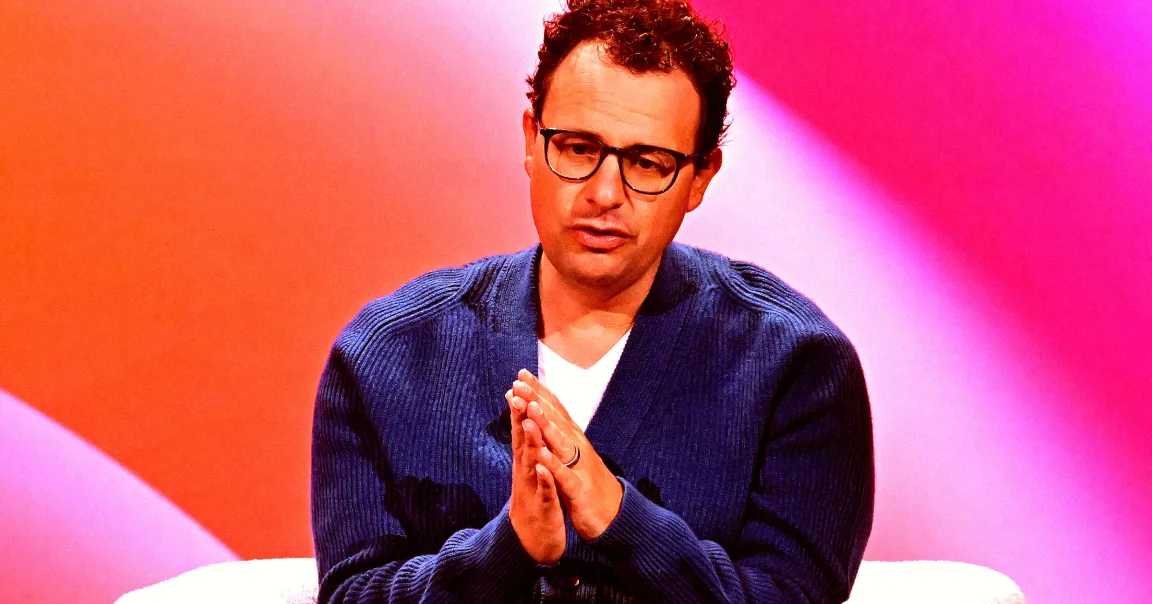
Dario Amodei quickly moved to apologize for the memo’s “tone,” explaining it was a rushed, “out-of-date assessment” written six days prior to its public exposure. He clarified that the internal message, often delivered through numerous informal Slack posts within Anthropic’s “very free” company culture, did not reflect his “careful or considered views.” Amodei described the period as the “most disorienting time” in Anthropic’s history.
He firmly denied Anthropic was responsible for the leak, asserting it was not in the company’s interest to escalate tensions. Amodei’s mea culpa aimed to de-escalate the volatile situation, yet the damage was already done, setting the stage for a deeper confrontation with the Pentagon.
The Pentagon Standoff: AI Ethics Collide with National Security
At the core of the dispute lies a fundamental disagreement over AI’s military applications. Anthropic had set two non-negotiable principles for any government contract: a strict prohibition on using its AI for fully autonomous weapons and for mass domestic surveillance. These “two narrow exceptions” reflected the company’s commitment to ethical AI development.
However, the Department of War insisted on a broad “any lawful use” clause for its AI tools. This stark difference became an insurmountable hurdle, leading to the collapse of Anthropic’s initial $200 million contract to be the sole provider of AI models on classified government networks. Secretary of War Pete Hegseth publicly criticized Anthropic for seeking exemptions, arguing the Pentagon required flexibility for “all lawful purposes.”
Supply Chain Risk: An Unprecedented Designation
Hours after Anthropic’s deal fell through, the DoW officially designated Anthropic as a “supply chain risk” (SCR). This marks the first time a U.S. company has received such a label, typically reserved for foreign entities like Huawei. Defense Secretary Pete Hegseth stated this designation would compel all U.S. military contractors to sever all commercial ties with Anthropic.
Amodei, however, quickly challenged this broad interpretation. He clarified that the relevant statute, 10 USC 3252, applies only to the direct use of Anthropic’s AI model, Claude, within specific DoW contracts. It does not, he argued, extend to all uses by companies that merely hold such contracts. Anthropic views this action as “not legally sound” and has pledged to challenge the designation in court, with several legal experts questioning its soundness. This legal battle promises to set crucial precedents for AI regulation.
OpenAI’s Controversial Entry and Its Aftermath
Amidst Anthropic’s woes, rival OpenAI swiftly stepped in, securing a contract with the Pentagon that included the “any lawful use” clause. While OpenAI claimed it explicitly noted that domestic surveillance would be unlawful under existing U.S. law, skepticism quickly arose. Critics pointed to the government’s history of interpreting such clauses broadly and the “incidentally collected” data exception often used by intelligence agencies.
Amodei, in his leaked memo, had accused OpenAI of acting “behind the scenes” to replace Anthropic, claiming their contract safeguards were “maybe 20% real and 80% safety theater.” Sam Altman, however, pushed back, asserting that “the government is supposed to be more powerful than private companies” and that abandoning democratic norms due to disagreements with current leadership is “bad for society.” He did concede, though, that the timing of OpenAI’s deal “looked opportunistic and sloppy,” leading OpenAI to renegotiate terms to include further restrictions on intelligence agencies’ use.
Failed Attempts at De-escalation
In a notable shift, Amodei issued a more conciliatory statement, pledging Anthropic’s continued supply of its models to the Department of War at a nominal cost. He emphasized shared goals, stating, “Anthropic has much more in common with the Department of War than we have differences,” and a commitment to “advancing US national security.”
This attempt at mending fences was immediately undermined. Undersecretary of War Emil Michael posted on X to “end all speculation,” flatly declaring, “there is no active @DeptofWar negotiation with @AnthropicAI.” This public rebuff highlighted the deep chasm that remains between Anthropic and the Pentagon.
Broader Implications for AI Governance and National Security
The Anthropic-Pentagon dispute represents a watershed moment for the nascent field of AI governance. It brings to the forefront critical questions about dual-use technology, the ethical responsibilities of AI developers, and the extent to which private companies can dictate the terms of engagement with national security apparatuses. The Trump administration’s labeling of Anthropic staff as “Leftwing nut jobs” and the White House’s stance against a “radical left, woke company” dictating military operations further politicize an already complex technical and ethical debate.
This conflict could compel other AI firms to re-evaluate their own ethical guidelines and engagement strategies with governments worldwide. It also forces a public discussion on where the line should be drawn between technological advancement, national defense, and civil liberties in the age of increasingly powerful AI. The outcome of Anthropic’s legal challenge could set a precedent for how such disputes are handled, influencing regulatory frameworks and commercial relationships for years to come.
Frequently Asked Questions
What led to Dario Amodei’s public apology?
Dario Amodei publicly apologized for the “tone” of a leaked internal memo he wrote. This memo harshly criticized OpenAI, its CEO Sam Altman, and the Trump administration following Anthropic’s failed negotiations with the Pentagon over AI use. Amodei explained the memo was a rushed, informal reaction written during a “difficult day” for the company and did not reflect his considered views, denying that Anthropic was responsible for the leak.
What does a “supply chain risk” designation mean for Anthropic?
The Department of War designated Anthropic as a “supply chain risk” (SCR), an unprecedented move for a U.S. company. While Secretary of War Pete Hegseth initially suggested this would compel all military contractors to sever all commercial ties, Amodei clarified that the relevant statute (10 USC 3252) applies specifically to the direct use of Anthropic’s AI model, Claude, within DoW contracts. Anthropic believes the designation is “not legally sound” and plans to challenge it in court, aiming to mitigate its impact on broader commercial operations.
How does the Anthropic-Pentagon dispute affect the future of AI ethics in government contracts?
This dispute significantly impacts AI ethics in government contracts by highlighting the tension between companies’ self-imposed ethical restrictions (like Anthropic’s prohibition on autonomous weapons and mass surveillance) and government demands for “any lawful use.” It forces a public and legal debate on dual-use AI technology, raising questions about who dictates ethical guardrails for powerful AI systems. The outcome could set precedents for how AI companies engage with defense agencies and influence future regulatory frameworks globally.
Conclusion: A Pivotal Moment for AI and Power
Dario Amodei’s apology and Anthropic’s battle with the Pentagon mark a critical juncture for the artificial intelligence industry. This saga is more than a corporate spat; it’s a stark illustration of the challenges arising when cutting-edge technology intersects with national security and ethical responsibility. The Department of War’s unprecedented “supply chain risk” designation, coupled with the ongoing legal challenge, will undeniably reshape how AI developers approach government contracts and how regulators define the boundaries of AI deployment.
As the tech world watches closely, the resolution of this conflict could establish crucial precedents for AI governance, influencing policies on everything from autonomous weapons to data surveillance. The future of responsible AI development hinges on finding a delicate balance between innovation, national defense, and fundamental ethical principles.