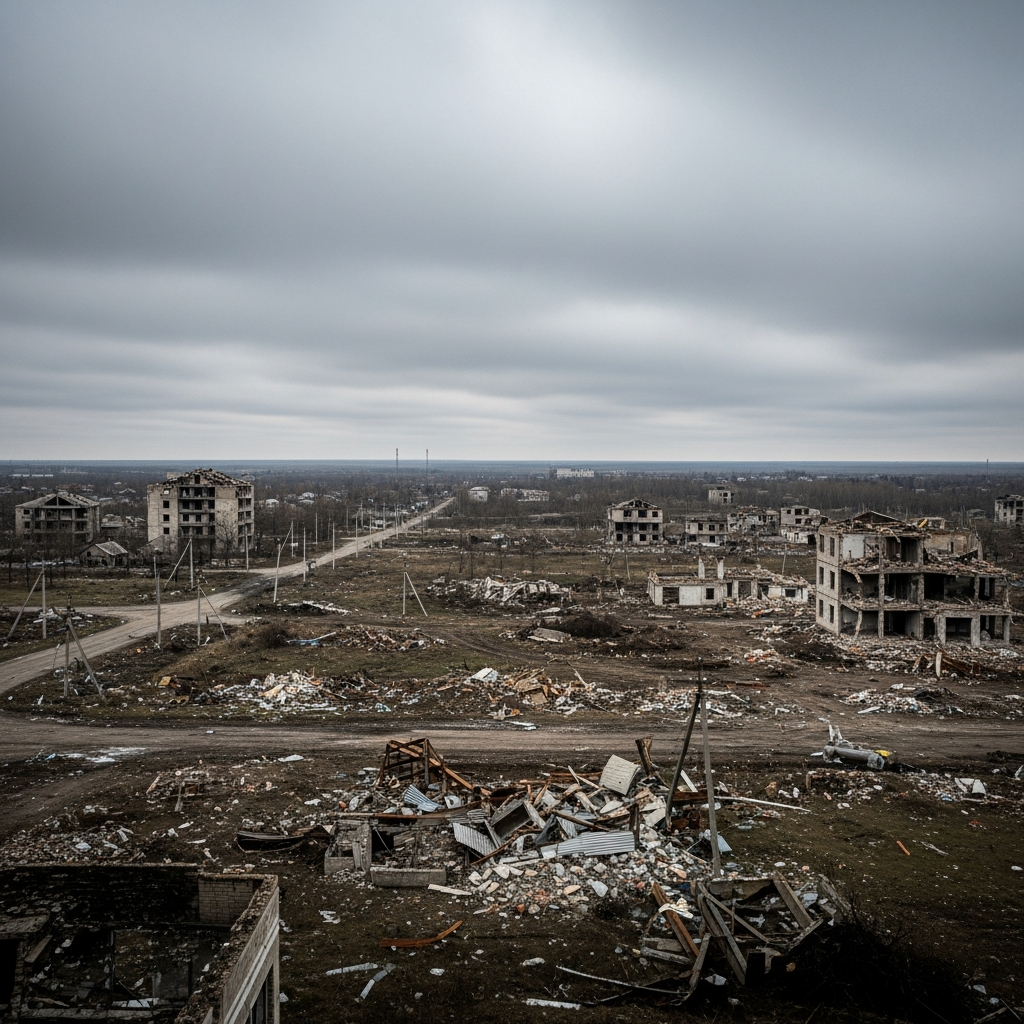
Four years into what was intended as a swift “special military operation,” the full-scale conflict in Ukraine has tragically escalated into Europe’s largest land war since World War II. As of early 2026, the human cost continues to mount, reshaping geopolitical landscapes and inflicting immeasurable suffering. Independent analyses and intelligence estimates reveal a grim reality: Russia is enduring significantly heavier military casualties than Ukraine, while achieving minimal territorial gains. This deep dive uncovers the staggering toll on both sides, examining military and civilian fatalities, the evolving battlefield, and the broader societal impacts of this enduring struggle.
The Staggering Toll: A Deep Dive into Military Casualties
The exact numbers of military deaths, wounded, and missing remain fiercely guarded state secrets for both Russia and Ukraine, making independent verification profoundly challenging. However, a consensus among intelligence agencies and research institutions paints a stark picture of massive losses. The Center for Strategic and International Studies (CSIS) estimates the combined military casualties for both nations could reach an astonishing 2 million by early 2026, including those killed, wounded, or missing. This figure underscores the unprecedented scale of the conflict.
Russia’s Unprecedented Losses
Russia’s military casualties are particularly staggering. CSIS projects Russia has suffered approximately 1.2 million casualties between February 2022 and December 2025, with as many as 325,000 troop deaths. This grim statistic represents the largest number of troop deaths for any major global power in any conflict since World War II. For context, Russian battlefield fatalities in Ukraine are estimated to be:
More than 17 times greater than Soviet losses in the 1980s Afghan war.
11 times higher than Russia’s first and second Chechen wars combined.
Over five times greater than all Russian and Soviet wars combined since World War II.
Independent Russian media outlets like Meduza and Mediazona, analyzing Russia’s National Inheritance Registry, estimate between 200,000 and 220,000 Russians had been killed by mid-2025. This figure excludes foreign nationals and those without official death certificates. Daily Russian losses notably surged in 2025, climbing from an average of 200–250 in 2024 to roughly 300 during the peak of their offensives that year. When accounting for irrecoverable losses—killed and severely wounded unable to return to duty—Russia’s total stands cautiously estimated at 440,000 to 650,000 people by mid-2025. The Kremlin, however, dismisses such reports as “not credible,” last releasing official figures in January 2023, which reported just over 6,000 military deaths – a number widely contested by independent analysts.
Ukraine’s Valiant Stand: Facing Immense Sacrifice
Ukraine, too, has faced immense human sacrifice. CSIS estimates Ukraine’s military casualties at 500,000 to 600,000, with up to 140,000 deaths. While Ukrainian President Volodymyr Zelenskyy stated that 55,000 Ukrainian troops have died, with many more missing, independent analysts find verifying these figures equally challenging. Some studies suggest that the number of soldiers killed on each side is roughly comparable, particularly when examining more reliably recorded categories like officer deaths.
The ratio of Russian to Ukrainian casualties is estimated at roughly 2.5:1 or 2:1. While Russia sustains higher absolute losses, Ukraine’s significantly smaller population means it has a more limited capacity to absorb prolonged losses and mobilize new troops. This demographic disparity presents a bleak outlook for Ukraine in a protracted conflict.
The Elusive Truth: Why Figures Differ
The vast discrepancies in casualty figures stem from several factors:
State Secrecy: Both nations treat casualty data as highly sensitive.
Methodology: Independent groups use diverse methods, from open-source intelligence (OSINT), satellite imagery, and intercepted communications to analyses of public registries (like Russia’s inheritance registry) and funeral records.
Definitions: “Casualty” can mean killed, wounded, or missing, leading to varying interpretations. “Killed” figures can exclude foreign fighters or those dying from wounds later.
Battlefield Control: Russia’s predominant control over much of the battlefield has allowed its military burial teams to recover remains from both sides. This contributes to a significant imbalance in body exchanges, with Russia returning thousands of bodies while Ukraine returns only dozens.
Beyond the Battlefield: The Devastating Civilian Impact
The war’s devastation extends far beyond the military front lines, deeply impacting Ukraine’s civilian population. The United Nations Human Rights Monitoring Mission in Ukraine (HRMMU) has consistently highlighted the immense suffering.
Surging Civilian Deaths and Injuries
Since the full-scale invasion, the HRMMU has recorded a total of 53,006 civilian casualties, including 14,534 deaths, as of late 2025. This, they acknowledge, is likely a significant underestimate. The year 2025 marked a particularly grim period for civilians, with 2,514 deaths and 12,142 injuries, representing a 31% increase in civilian casualties compared to 2024. Shockingly, the first ten months of 2025 alone recorded 12,062 casualties, already exceeding the total for the entire year of 2024 (9,112). At least 763 children have been killed since the invasion began.
Frontline communities bear the brunt of this violence, experiencing 65% of all deaths and injuries, primarily from long-range missile and drone strikes. Regions such as Kherson, Kharkiv, and Donetsk are particularly devastated by the ongoing conflict.
Healthcare Under Attack
Ukraine’s healthcare infrastructure has also become a deliberate target. The World Health Organization (WHO) documented 2,881 Russian attacks affecting medical care in Ukraine since February 2022. Alarmingly, 2025 saw a nearly 20% increase in such attacks compared to 2024, with at least 2,347 strikes on healthcare facilities and additional attacks on vehicles and medical supplies storage. These assaults critically undermine the ability to provide essential care to a population already suffering from trauma and injury.
The Silent Crisis: Displacement and Refugees
The war has triggered one of the largest displacement crises in recent history. Approximately 5.9 million Ukrainian civilians have fled the country, with about 5.3 million seeking refuge across Europe. Within Ukraine, an additional 3.7 million people are internally displaced, uprooted from their homes but remaining within national borders. This mass displacement places immense pressure on host communities and humanitarian aid efforts, leaving millions vulnerable and in need of support.
Shifting Sands: Territorial Control and Military Aid Dynamics
Despite the immense human cost and the “maximalist demands” regarding Ukrainian territory, Russia’s territorial gains have been remarkably minimal over the past year.
Minimal Gains, Maximum Cost
According to the Institute for the Study of War (ISW), Russia currently occupies 19.4% of Ukrainian land. However, significant costs in troops and armor have yielded little strategic advantage. Over the past year (leading up to early 2026), Russia secured only an additional 0.79% of Ukraine’s territory. Data from the Ukrainian monitoring group DeepState indicates that Russian forces captured a mere 152 square kilometers of Ukrainian territory between January 1 and 25, 2026 – marking the slowest rate of advance since March 2025. CSIS characterizes Russia’s average advance rate during its most prominent offensives as just 15 to 70 meters a day, “slower than almost any major offensive campaign in modern warfare.” This highlights a grinding war of attrition with limited, costly gains.
The Evolving Landscape of International Support
The flow of international support to Kyiv has experienced significant shifts. Foreign military aid to Ukraine decreased by 13% in 2025 compared to the annual average between 2022 and 2024. This decline is largely attributed to a halt in American weapons shipments, which saw European countries substantially increase their military aid by 67% in 2025 to compensate for the U.S. shortfall. Additionally, foreign humanitarian and financial aid to Ukraine saw a 5% drop in 2025 compared to the preceding three-year average, raising concerns about sustained support.
A War of Attrition: Army Strength, Tactics, and Fatigue
As the conflict stretches into its fifth year, both armies face persistent challenges related to manpower, evolving tactics, and widespread fatigue.
Comparing Army Strength and Manpower
Precise estimates of army strength at the front are difficult. While Russia’s authorized combat unit strength is estimated to be 10-15% higher than Ukraine’s, and Russia possesses a far larger number of supporting formations, the actual strength on the ground varies. Overall, Russia’s forces in Ukraine are estimated to outnumber Ukrainian troops by at least one-third. However, Ukraine’s fighting force, though smaller, is not dramatically so. Russia has attempted to replenish its ranks through incentives like generous pay, benefits, and the recruitment of foreign nationals from Asia, South America, and Africa. Ukraine, conversely, faces challenges mobilizing sufficient troops, with President Zelenskyy resisting calls to lower the mobilization age below 25.
New Tactics and Escalating Cross-Border Probing
Recent developments highlight evolving Russian tactics. Since December 2025, Russia has intensified small-scale cross-border probing attacks in previously dormant areas of the Sumy and Kharkiv regions. These assaults, often involving small infantry groups without heavy equipment, aim to:
Propaganda: Claim progress and project strength amid a stalled front.
Stretch Resources: Force Ukraine to disperse its already outnumbered forces.
Buffer Zone: Attempt to mitigate Ukrainian shelling and drone strikes into Russian border regions.
Long-range attacks by Russia also continue, with numerous missile and drone strikes recorded, extending to western Ukrainian regions like Lviv, Volyn, Ivano-Frankivsk, and Khmelnytskyi. These strikes consistently target critical infrastructure, especially energy facilities, resulting in widespread blackouts and emergency power outages across the country.
The Burden of Prolonged Conflict: War Fatigue
Both armies show clear signs of “war fatigue,” largely driven by the indefinite nature of front-line service. This is evidenced by a growing number of deserters: over 50,000 Ukrainian deserters prosecuted, with an additional 235,000 unauthorized absences, compared to approximately 20,000 prosecutions for desertion or AWOL in Russia. This pervasive weariness underscores the immense psychological and physical toll on soldiers and their families.
Frequently Asked Questions
What is the estimated total military casualty count for Russia and Ukraine?
Independent analyses, notably by the Center for Strategic and International Studies (CSIS), estimate combined military casualties for both Russia and Ukraine could reach 2 million (killed, wounded, or missing) by early 2026. Specifically, CSIS projects Russia has suffered approximately 1.2 million casualties, including up to 325,000 deaths, while Ukraine’s casualties are estimated at 500,000 to 600,000, with up to 140,000 deaths. These figures highlight Russia’s significantly higher losses in absolute terms, estimated at a ratio of 2:1 or 2.5:1 compared to Ukraine.
Where are civilian casualties most concentrated in Ukraine?
Civilian casualties in Ukraine are most heavily concentrated in frontline communities and regions exposed to frequent long-range missile and drone strikes. According to the UN Human Rights Monitoring Mission in Ukraine (HRMMU), these areas experience 65% of all civilian deaths and injuries. Specifically, regions like Kherson, Kharkiv, and Donetsk are particularly affected by the ongoing violence and persistent targeting of residential areas and critical infrastructure.
How has the international community’s military aid to Ukraine evolved?
International military aid to Ukraine has seen significant shifts over the past year. In 2025, overall foreign military aid decreased by 13% compared to the annual average of the preceding two years, largely due to a halt in American weapons shipments. In response, European countries substantially increased their military aid by 67% in 2025 to compensate for the U.S. shortfall. This rebalancing of support underscores the dynamic nature of international assistance and the critical role European allies are playing.
The Path Forward: Unending Conflict and Its Echoes
As the Russia-Ukraine war continues into its fifth year, the human cost remains an overwhelming tragedy. The staggering losses, particularly among Russian forces, challenge historical precedents, while Ukraine valiantly defends its sovereignty against an aggressor with superior numerical strength. The devastating impact on civilians, from rising casualties to targeted infrastructure attacks and mass displacement, underscores the urgent need for a cessation of hostilities. With peace talks showing no sign of breakthrough and both sides facing immense challenges from troop mobilization to widespread war fatigue, the conflict’s echoes will undoubtedly resonate for generations, leaving an indelible mark on global security and human lives.