India’s retail landscape is undergoing a remarkable transformation, driven by an explosion in budget fast fashion. Brands like Zudio and Reliance Trends are rapidly capturing the hearts and wallets of value-conscious yet aspirational consumers, particularly in small-town India. This shift signifies more than just new shopping habits; it represents a powerful economic and cultural phenomenon. For millions, these organized retail outlets offer an unprecedented blend of contemporary style, affordability, and a vastly improved shopping experience that was once the exclusive domain of urban centers.
The Dawn of a New Retail Experience in India
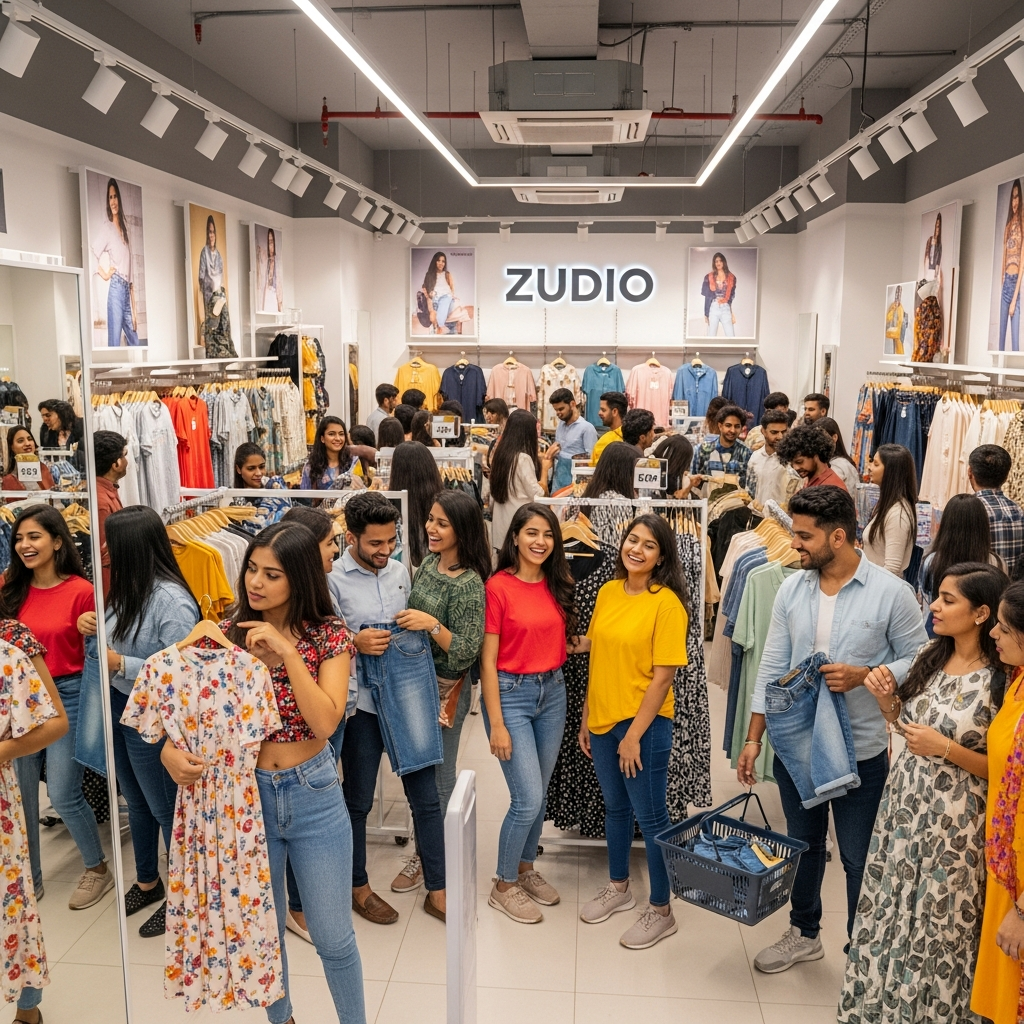
Imagine the bustling bazaars of India, where bargaining is ritual and unbranded goods are the norm. Now, picture Alka, a geriatric care worker in her late 50s from Sangli, a town in western India. She is browsing a gleaming, air-conditioned Reliance Trends store, meticulously searching for a baby pink kurta with a dull gold paisley motif for her daughter. This is a stark contrast to her lifelong habit of hunting for bargains in street-side markets. For Alka, and countless others like her, the comfort of trial rooms, attentive staff, and discount scratch cards on future purchases represents a refreshingly modern retail journey.
These stores are not just about clothes; they offer a complete lifestyle package. Racks brim with everything from funky printed T-shirts and weathered jeans to formal wear, in-house ethnic labels, make-up kits, sneakers, handbags, and costume jewellery. This holistic approach makes branded fashion accessible and appealing to a broad demographic, significantly elevating the shopping experience from traditional unorganized retail.
Zudio’s Unstoppable Ascent: The Billion-Dollar Brand
At the forefront of this budget fast fashion revolution is Tata’s Zudio. Its growth trajectory is nothing short of phenomenal, dramatically outpacing both global titans like Zara and H&M, and even Tata Group’s own mid-to-premium brand, Westside. Consider the dramatic shift: in 2018, Zudio operated a mere seven stores nationwide, generating $12 million in revenue. Westside, by comparison, boasted 125 stores and revenues around $220 million.
Today, the tables have completely turned. Zudio’s footprint has expanded exponentially to 765 stores, with revenues projected to soar past $1 billion by mid-2025. This makes it the first Indian clothing brand to achieve such a milestone. While Westside has also grown, doubling its stores and tripling revenue, its pace pales in comparison to Zudio’s explosive expansion. This success, often described as a “classic bottom-of-the-pyramid strategy,” hinges on “going big by going mass,” particularly appealing to tier-2 and tier-3 towns where affordable fashion, despite its low price point, is still viewed as a luxury.
Reliance Trends and the Ambani Legacy
Not to be outdone, Reliance Trends, part of the retail empire led by Isha Ambani, also plays a pivotal role in this transformation. Like Zudio, Trends offers a similar value proposition: contemporary designs at price points comparable to bazaars, typically between $4 and $15. This blend of aspirational branding and affordability is key to its widespread appeal, tapping into the growing desire among Indians to wear branded clothing without breaking the bank. The strategic expansion by conglomerates like Reliance and Tata underscores the immense potential they see in India’s burgeoning mass-market fashion segment.
The “Wallet Shift”: Redefining Consumer Spending
This surge in spending might seem counterintuitive given India’s recent economic context of a weak job market and moderate wage growth. However, experts like Kushal Bhatnagar of Redseer Strategy Consultants identify this not as a massive increase in overall consumption, but rather a significant “wallet-shift.” Consumers aren’t necessarily buying much more; instead, they are redirecting their purchases from unorganized mom-and-pop stores and street vendors to these new, organized branded outlets.
This shift is a direct result of aggressive market penetration by budget brands. By strategically opening stores in previously underserved zip codes, they bring the convenience, comfort, and aspirational appeal of organized retail closer to millions. Brands like Zudio and Max have pioneered the “trendification” of affordable fashion, meticulously tracking global fads from Paris and Milan to appeal directly to Gen-Z and young millennial buyers who are increasingly exposed to global trends through social media.
The Zara Playbook: Speed as the Ultimate Advantage
A crucial factor behind Zudio’s rapid success lies in its operational agility. An early partnership between Zudio’s parent, Trent, and Spanish fast-fashion giant Zara, allowed Zudio to adopt a similar highly efficient inventory management playbook. Zudio boasts an incredibly swift inventory turnaround of just 15 days. This is a significant competitive edge when compared to the 45-60 days typically taken by rivals. In the dynamic world of fashion, “the speed of inventory is everything,” as Kotak Securities analyst Pankaj Kumar notes. Rapid style replenishment means more frequent store visits, higher customer engagement, and ultimately, greater sales.
A Shifting Retail Landscape: Impact and Opportunities
While the rise of organized budget fast fashion offers immense benefits to consumers, it undeniably impacts traditional retail. Local mom-and-pop stores and street-side bazaars face formidable competition, not only from physical budget brand outlets but also from rapidly expanding e-commerce platforms like Meesho, which aggregates sellers and ships cheap goods across India, growing its bottom line by 35-40% year-on-year. As India’s GDP per capita continues to rise, the gravitation towards branded goods and online shopping becomes a natural progression in its retail evolution.
Despite this, the overall Indian apparel market, currently estimated between $70 billion and $100 billion, still “underspends” compared to countries like China, the US, or even Indonesia. Analysts highlight the critical need for a “consumption uplift” — a genuine growth in market size beyond just a wallet-shift. In recent years, market growth has often remained below 10%, falling short of the typical 12-15% expected in a robust economy.
Embracing Digital and Conscious Consumerism
The broader Indian fashion industry is also experiencing deeper shifts. With over 850 million internet users, digital disruption has blurred the lines between browsing and buying. This has fueled the rise of Direct-to-Consumer (D2C) fashion brands like Snitch and Bewakoof, which leverage data and social media to connect directly with customers, often restocking based on real-time engagement rather than seasonal calendars.
Simultaneously, a powerful counter-current of conscious consumerism is emerging. Especially among Millennials and Gen Z, there’s a growing demand for sustainable and ethically produced brands. Surveys indicate that a significant percentage of urban Indian Gen Z consumers actively seek out brands prioritizing organic fabrics, low-waste processes, and artisan empowerment. This trend, seen in brands like No Nasties and Okhai, challenges fast fashion to rethink its supply chains and embrace transparency. While style and savings currently trump sustainability for many new fast-fashion adopters, this conscious shift represents a vital future force in the market.
The Environmental Footprint of Fast Fashion
The explosive growth of fast fashion, while economically transformative, carries a significant environmental cost. India’s textile industry is the third-largest contributor to dry municipal solid waste, trailing only plastics, and paper and cardboard. Alarmingly, only a quarter of this textile waste is recycled. Globally, less than 1% of used clothing is recycled into new garments, according to Deloitte.
While some brands are making efforts to embed sustainability into their supply chains, large-scale systemic change remains a distant goal. The rapid production cycles and emphasis on affordability often prioritize speed and cost over environmental impact. For a country rapidly embracing fast fashion, the challenge of managing textile waste and promoting sustainable practices will become increasingly critical in the years to come.
Frequently Asked Questions
How are brands like Zudio and Trends revolutionizing retail in small-town India?
Zudio and Reliance Trends are revolutionizing retail by offering an elevated shopping experience at bazaar-level prices. They provide modern, air-conditioned stores with trial rooms, organized displays, and customer service, replacing the traditional street-side bazaar experience. This accessibility to branded, contemporary designs within local communities allows value-conscious yet aspirational consumers in tier-2 and tier-3 towns to access high-street fashion, fostering a “wallet-shift” from unorganized to organized retail.
What strategies have propelled Zudio’s rapid growth compared to its competitors?
Zudio’s explosive growth is driven by a “bottom-of-the-pyramid strategy” focused on mass affordability and swift operational efficiency. By pricing most merchandise between $4 and $15, Zudio makes branded fashion attainable for a broad consumer base. Crucially, it boasts an incredibly fast inventory turnover of just 15 days, ensuring new styles are constantly on shelves, which encourages frequent customer visits. This, combined with aggressive store expansion in smaller towns and leveraging a Zara-inspired playbook, has allowed Zudio to outpace competitors significantly.
What are the environmental concerns associated with the rise of fast fashion in India?
The rapid expansion of fast fashion in India raises significant environmental concerns, primarily related to textile waste. The textile industry is the third-largest contributor to dry municipal solid waste in India, with only about a quarter of it being recycled. The fast production cycles, often driven by quick trend adoption and affordability, result in immense volumes of clothing that frequently end up in landfills. While some brands are exploring sustainable practices, widespread change is needed to mitigate the ecological impact of this booming sector.
The Future of Indian Fashion: Balancing Growth with Conscience
India’s fashion retail landscape is at a critical juncture. The incredible growth of budget fast fashion, led by powerhouses like Zudio and Reliance Trends, is undeniably empowering millions of Indians with access to contemporary style and an improved shopping experience. This “wallet shift” signifies a formalization of the value fashion market and a testament to the evolving aspirations of small-town consumers.
However, the industry faces an imperative to balance this rapid expansion with responsible practices. The looming environmental concerns, coupled with the need to achieve a broader “consumption uplift” beyond mere wallet reallocation, will shape the next decade. As India’s youthful and digitally-savvy population becomes more conscious, the future will likely see a blend of mass-market appeal, innovative digital strategies, and a growing demand for sustainable and ethically produced fashion. India has a unique opportunity to lead, not just imitate, global fashion trends by scaling responsibly, celebrating its rich artisanal heritage, and responding to a generation that shops for both style and values.