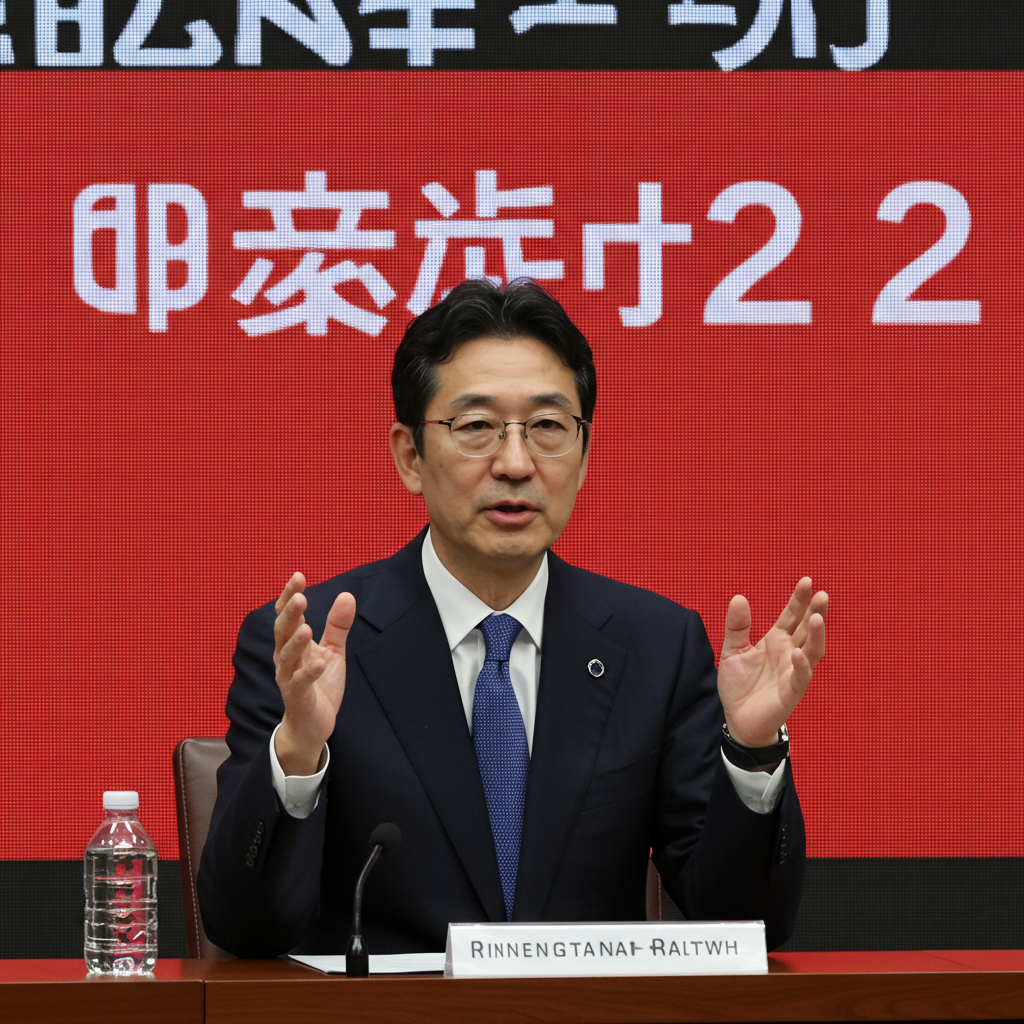
A significant leadership upheaval is reshaping Microsoft Gaming, as Asha Sharma steps in as the new Executive Vice President and CEO. This pivotal announcement marks the retirement of long-standing Xbox head Phil Spencer, signaling a bold new era for the gaming giant. With Sharma’s appointment, alongside Matt Booty’s promotion to Chief Content Officer and the departure of Xbox President Sarah Bond, Microsoft is poised to redefine its strategy amidst a rapidly evolving global gaming landscape.
This generational shift, effective February 20, 2026, positions gaming at the core of Microsoft’s future consumer ambition. The company aims to integrate its vast gaming empire with its broader push into AI-driven experiences. This strategic move from Microsoft’s Redmond, Washington headquarters reflects a commitment to innovation and expansion for the next 25 years of Xbox.
A New Era for Microsoft Gaming: Asha Sharma Takes the Helm
Microsoft CEO Satya Nadella publicly announced Asha Sharma’s appointment, highlighting her extensive experience. Sharma joins the gaming division after two years at Microsoft, most recently as President of the CoreAI product. Before her tenure at Microsoft, she held prominent leadership roles, including Chief Operating Officer at Instacart and Vice President at Meta. This background showcases her profound capabilities in building and scaling services that reach billions of people. Her expertise extends to managing thriving consumer and developer ecosystems, aligning business models for long-term value, and operating at a global scale. Nadella emphasizes these qualities as critical for leading Microsoft Gaming into its next phase of growth.
Sharma will directly report to Nadella, underscoring the strategic importance of gaming to Microsoft’s overall vision. She steps into a massive operation, overseeing a gaming business that encompasses nearly 40 studios and serves over 500 million monthly active users. This vast portfolio includes renowned entities like Xbox, Bethesda, Activision Blizzard, and King. These studios are home to beloved franchises such as Halo, The Elder Scrolls, Call of Duty, World of Warcraft, Diablo, Candy Crush, and Fallout. Sharma’s initial priorities include understanding and protecting the core strengths that have made the gaming division successful, while simultaneously driving innovation.
Phil Spencer’s Enduring Legacy
The leadership transition also marks the retirement of Phil Spencer, a figure synonymous with Xbox’s modern identity. After an extraordinary 38-year career at Microsoft, with 12 years dedicated to leading Gaming, Spencer announced his decision to step back the previous fall. His tenure is widely celebrated for transforming Xbox from a struggling console brand into a powerful cross-platform system. Spencer is credited with expanding Xbox’s reach across PC, mobile, and cloud platforms, and nearly tripling the size of the business.
Under his leadership, Microsoft made pivotal acquisitions, notably Activision Blizzard ($69 billion in 2023), ZeniMax (Bethesda), and Mojang (Minecraft). These strategic moves significantly expanded Microsoft’s gaming content portfolio. Spencer’s unwavering commitment to players, creators, and his team helped rebuild Xbox’s culture and strengthened its global footprint. He will continue in an advisory role through the summer to ensure a seamless handoff to Asha Sharma.
Strategic Promotions and Departures
Alongside Sharma’s appointment, Matt Booty receives a significant promotion to Executive Vice President and Chief Content Officer. Reporting directly to Sharma, Booty will now oversee the creative production across all 40 studios. His career reflects a lifelong dedication to games and game developers. Nadella praised Booty’s ability to foster coordination across Microsoft’s immense first-party content portfolio. Both Sharma and Booty possess a crucial combination of consumer product leadership and gaming depth. This dynamic duo is expected to propel the platform’s innovation and content pipeline forward.
However, the reshuffle also includes another notable departure. Sarah Bond, who served as Xbox President, has decided to leave Microsoft. Spencer acknowledged her instrumental contributions during a defining period for Xbox, particularly her role in shaping platform strategy, expanding Game Pass and cloud gaming, and guiding new hardware launches. Her exit marks another significant change in the division’s leadership structure.
Asha Sharma’s Vision: Games First, Ethical AI, and Global Reach
Asha Sharma arrives with a clear strategic outlook, emphasizing a “Games First” mentality. Her vision centers on several key pillars designed to navigate the industry’s rapid changes:
Great Games: Sharma prioritizes the creation of unforgettable characters, emotionally resonant stories, innovative gameplay, and creative excellence. She pledges to empower studios, invest in iconic franchises, and back bold new ideas. Taking calculated risks and exploring new categories and markets are also part of this commitment, always grounded in player value.
The Return of Xbox: Reaffirming commitment to core Xbox fans and developers is crucial. Sharma plans a renewed focus on the console, recognizing it as the foundational pillar of the Xbox community. While celebrating its roots, Xbox will also expand seamlessly across PC, mobile, and cloud. The goal is to break down barriers, enabling developers to build once and reach players everywhere without compromise.
- Future of Play: Sharma envisions inventing new business models and ways to play. This involves leveraging existing iconic teams, characters, and worlds, but not merely for static monetization. Instead, the focus will be on building shared platforms and tools that empower both developers and players to create and share their own stories.
- deadline.com
- www.technetbooks.com
- www.jagranjosh.com
- insider-gaming.com
- www.windowscentral.com
Crucially, Sharma holds a firm stance on artificial intelligence. Despite her background leading CoreAI at Microsoft, she asserts “no tolerance for ‘bad AI’.” She emphasizes that games are and always will be art, crafted by humans. While AI has a long history in gaming and will continue as a growth engine, it must serve to enable human creativity, not overshadow it. This commitment ensures that technological advancements will not lead to “soulless AI slop,” but rather enhance the artistic process.
Navigating a Challenging Industry Landscape
These leadership changes arrive at a pivotal, often turbulent, time for the traditional video game sector. The industry faces significant challenges from the disruptive influence of mobile and casual gaming, which have impacted traditional business models. Major publishers are finding the market increasingly difficult. For instance, the latest versions of Xbox consoles have lagged in sales compared to rivals like Sony’s PlayStation and Nintendo’s revitalized Switch.
Microsoft’s gaming segment has also seen recent financial challenges. Revenue from video games declined by 10% in the October-to-December quarter when compared to the same period the previous year. This contrasted with Microsoft’s overall total revenue, which increased by 16% during the same timeframe. The company also disclosed an unspecified impairment charge related to its gaming operations.
Despite these hurdles, Microsoft remains “long on gaming.” Nadella reiterates the company’s unwavering commitment to Xbox’s hardware roadmap, first-party content development, and ecosystem strategy. With a strong pipeline of established franchises, new bets, and clear player demand, the organization is confident in its ability to adapt and deliver. Asha Sharma’s expertise in large-scale consumer platforms and Matt Booty’s content leadership are expected to merge business models effectively. This strategy aims to satisfy dedicated console users while aggressively pursuing growth in the mobile and cloud gaming markets.
Frequently Asked Questions
What are the key leadership changes at Microsoft Gaming?
Microsoft Gaming has announced a significant restructuring, effective February 20, 2026. Asha Sharma has been appointed as the new Executive Vice President and CEO, taking over from the retiring Phil Spencer. Additionally, Matt Booty has been promoted to Executive Vice President and Chief Content Officer, reporting directly to Sharma. Xbox President Sarah Bond has also departed from the company. These changes aim to usher in a new era for Xbox, focusing on growth and innovation.
What is Asha Sharma’s strategic vision for Xbox’s future?
Asha Sharma’s vision for Xbox centers on a “Games First” philosophy. She plans to prioritize great games, empower studios, and invest in iconic franchises while taking calculated risks. She also commits to strengthening the core Xbox console experience while seamlessly expanding across PC, mobile, and cloud. Furthermore, Sharma aims to invent new business models and foster a shared platform for creators, emphasizing ethical AI integration that supports human artistry rather than creating “soulless slop.”
How might these leadership changes impact Xbox players and game development?
These leadership changes are expected to bring a renewed focus on core Xbox fans and game development quality. Players can anticipate a strong commitment to innovative, engaging games and a continued investment in beloved franchises. Developers may benefit from Sharma’s vision for a seamless, barrier-free platform across devices, allowing them to reach wider audiences. Her stance against “bad AI” also signals a commitment to preserving human creativity in game design, ensuring that future titles maintain artistic integrity.
Defining the Next Chapter
The leadership transitions at Microsoft Gaming signify a decisive pivot for the Xbox brand. With Asha Sharma at the helm, supported by Matt Booty’s content leadership, Microsoft is embarking on a strategic journey to redefine its gaming presence. This new chapter promises a renewed commitment to core Xbox values, an innovative approach to platform expansion, and a steadfast dedication to human-centric creativity in the age of AI. As Xbox celebrates its 25th year, the future of play looks set for dynamic and transformative changes under its new leadership.