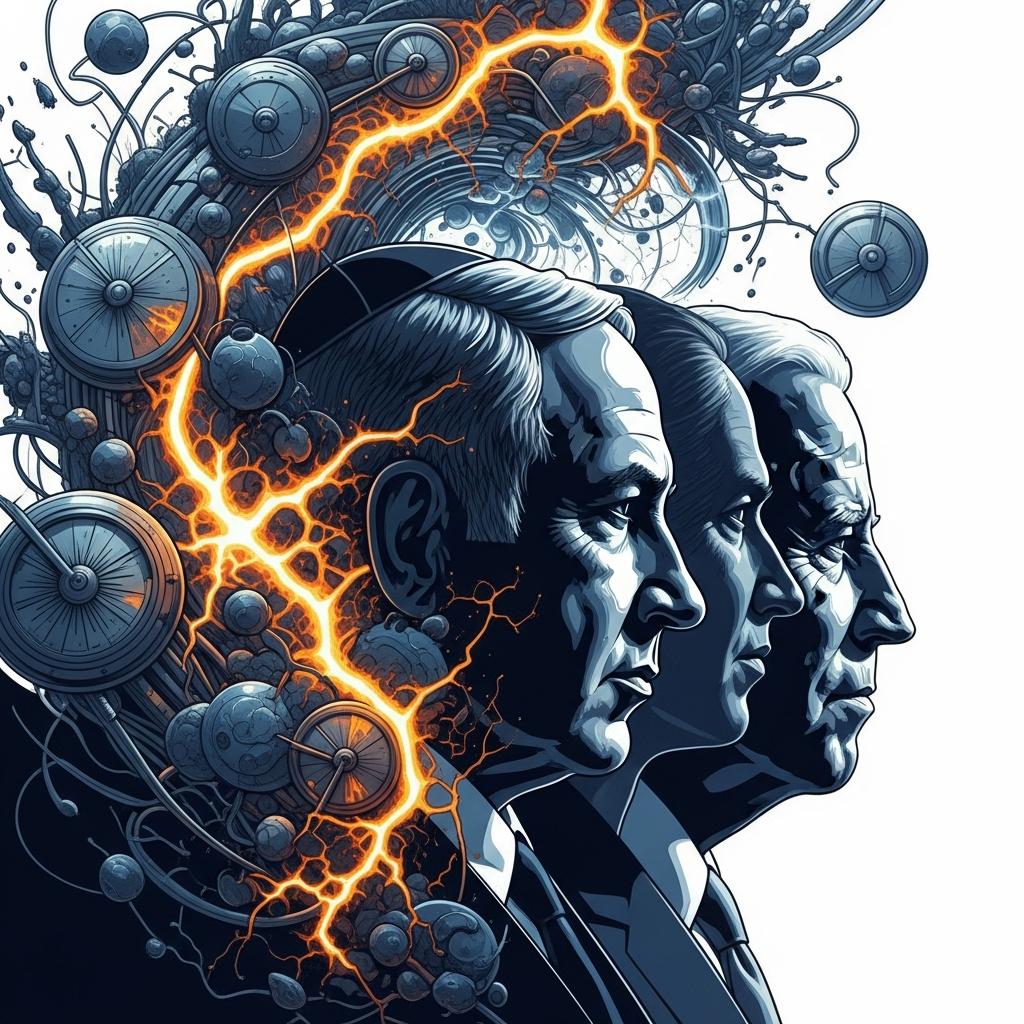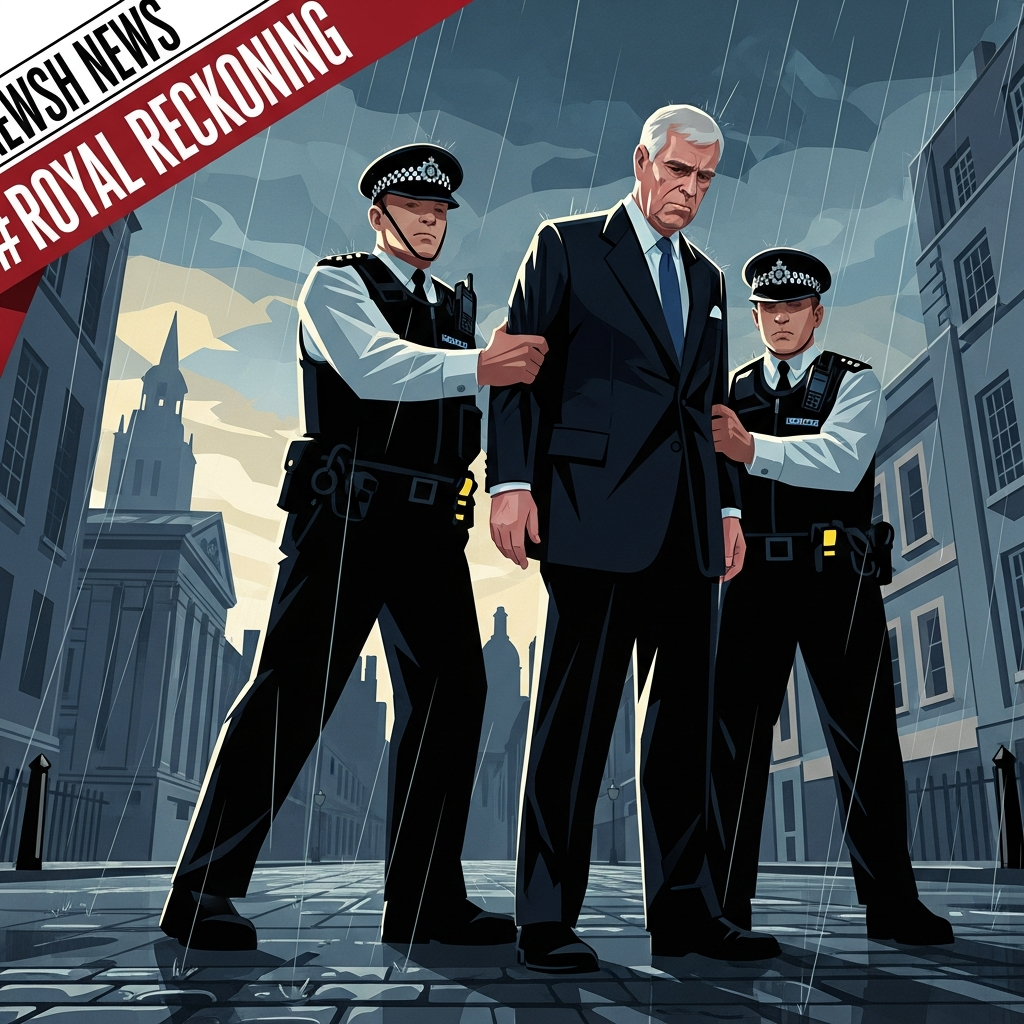
The British monarchy faces one of its gravest modern crises. Andrew Mountbatten-Windsor, formerly known as Prince Andrew, was arrested on Thursday, February 19, 2026. The 66-year-old royal, brother to King Charles III, was apprehended on suspicion of misconduct in public office. This dramatic development stems directly from the ongoing revelations within the newly released Jeffrey Epstein files. The arrest marks a shocking turn in the Duke of York’s long and controversial association with the late convicted sex offender.
This unprecedented event unfolded at approximately 8 a.m. at Wood Farm, part of the King’s private Sandringham Estate in Norfolk. Thames Valley Police confirmed the arrest of “a man in his sixties from Norfolk.” Simultaneously, officers conducted searches at residences in both Berkshire and Norfolk. These included Andrew’s current home and his former residence, Royal Lodge, near London. Following questioning, Mountbatten-Windsor was released “under investigation,” indicating inquiries are still underway without formal charges yet being laid.
Shocking Allegations: Misconduct in Public Office
The specific charge driving this arrest is misconduct in public office. This serious offense carries a potential maximum sentence of life imprisonment in Britain. The allegations center on Andrew’s tenure as Britain’s special envoy for international trade in 2010. During this period, he allegedly shared highly sensitive government information with Jeffrey Epstein.
Evidence supporting these claims reportedly emerged from U.S. Justice Department documents released in January. Emails within these files reveal disturbing exchanges. In November 2010, Andrew Mountbatten-Windsor allegedly forwarded official reports on his trade visits to Singapore, Hong Kong, and Vietnam to Epstein. This transfer occurred just minutes after he received them from his special adviser.
Confidential Intelligence Shared with Epstein
Further details from the Epstein files reveal even more concerning activity. A subsequent email exchange, reportedly from Christmas Eve 2010, shows Andrew sharing a “confidential brief.” This document concerned potential investment opportunities in the reconstruction of southern Afghanistan’s Helmand Province. At the time, British forces were actively deployed in this region, and the UK government funded related projects. Andrew reportedly stated he shared these documents to seek Epstein’s “comments, views or ideas as to whom I could also usefully show this to attract some interest.”
The catalyst for this police action was a formal call from the anti-royal organization, Republic. They urged authorities to investigate the documents hinting at Andrew’s sharing of confidential government intelligence with Epstein. The revelations have intensified scrutiny on the former prince.
A Monarchy Under Scrutiny: Royal Reactions and Broader Implications
The arrest of a senior royal is a seismic event for the British monarchy. King Charles III responded swiftly, issuing a statement expressing his “deepest concern.” He affirmed that “the law must take its course” and pledged the royal family’s “full and wholehearted support and co-operation” to the investigation. The King also stated he would offer no further comment, emphasizing the monarchy’s commitment to legal process and duty.
British Prime Minister Keir Starmer, when questioned, underscored that “nobody is above the law.” Former U.S. President Donald Trump described the situation as “a shame” and “very sad” for the royal family. Buckingham Palace had previously indicated its readiness to cooperate with police inquiries if approached.
Historically, this marks the first arrest of a senior British royal in nearly 400 years, since King Charles I. Modern comparisons include the abdication of King Edward VIII in 1936 and the death of Diana, Princess of Wales, in 1997. This recent development places immense pressure on the institution and raises questions about its future.
Andrew’s Tumultuous Past with Jeffrey Epstein
This arrest is the latest chapter in Andrew Mountbatten-Windsor’s contentious relationship with Jeffrey Epstein. Their connection, facilitated by Ghislaine Maxwell, dates back to 1999. Even after Epstein’s 2008 conviction for sex offenses, Andrew was photographed with him in 2010. While Andrew claimed this meeting was to sever ties, the newly unearthed emails suggest otherwise.
Andrew resigned from his trade envoy role in 2011 amid growing criticism of his association with Epstein. His highly criticized 2019 BBC “Newsnight” interview saw him deny ever meeting Virginia Giuffre. Giuffre, who tragically died by suicide in April 2025, had accused Andrew of sexual assault when she was underage. Despite his denials, Andrew settled Giuffre’s civil lawsuit in 2022 for an undisclosed sum, reportedly around $16 million, without admitting liability.
In October 2025, King Charles III stripped Andrew of his royal titles and honors. He also ordered him to vacate Royal Lodge for the King’s private Norfolk estate. This followed revelations that Andrew’s relationship with Epstein had persisted longer than previously claimed. Importantly, this latest arrest for misconduct in public office is separate from the past sexual abuse allegations, though both controversies intertwine through the figure of Jeffrey Epstein.
The Legal Road Ahead: What Happens Next?
Being released “under investigation” means the inquiry is active, but Andrew Mountbatten-Windsor is not currently charged. Thames Valley Police are now empowered to conduct further searches of his properties and formally question him. Under U.K. law, a suspect can be held for up to 24 hours without charge, extendable to 96 hours in serious cases. He would undergo standard police procedures, including a formal interview, where he has the right to legal counsel and to remain silent.
The next critical phase involves police consulting with lawyers from the Crown Prosecution Service (CPS). They will assess whether there is sufficient evidence to formally charge Andrew. The CPS employs a two-stage test: first, whether there’s a realistic prospect of conviction, and second, if a prosecution is in the public interest. This process could take weeks. Should charges be brought, the case would be symbolically known as “R v Mountbatten-Windsor,” or “the King against the King’s brother.”
Detectives are not solely relying on publicly known emails. They are expected to seek further communications from the government and the Royal Palace, which has already pledged cooperation. Furthermore, investigators are conducting a comprehensive examination of the three million documents in the Epstein files. They have also requested unredacted copies from the FBI or the US Department of Justice, with assistance from the National Crime Agency. This indicates a deep and broad investigation beyond initial public disclosures.
Broader Implications and Parallel Investigations
The fallout from the Epstein files extends beyond Andrew. Former British Ambassador to the United States Peter Mandelson is also under investigation by the London Metropolitan Police for similar allegations. These concern sharing confidential government information with Epstein. Andrew’s former wife, Sarah Ferguson, has also faced scrutiny regarding her own dealings with Epstein. The revelations highlight a disturbing pattern of powerful figures associating with a convicted sex offender, potentially compromising national security.
The tragic death of Virginia Giuffre in April 2025 and the subsequent posthumous publication of her memoir, “Nobody’s Girl,” have kept the spotlight on Epstein’s network. Her siblings welcomed Andrew’s arrest, stating, “At last, today, our broken hearts have been lifted at the news that no one is above the law, not even royalty.” Maria Farmer, another survivor of Epstein’s abuse, echoed this sentiment, calling the arrest “just the beginning of accountability.”
Frequently Asked Questions
What specific allegations led to Andrew Mountbatten-Windsor’s arrest for misconduct?
Andrew Mountbatten-Windsor was arrested on February 19, 2026, on suspicion of misconduct in public office. The allegations stem from his time as a UK special trade envoy in 2010. Documents from the Jeffrey Epstein files reportedly show he forwarded confidential government trade reports, including details of visits to Asian countries and a brief on investment opportunities in Afghanistan’s Helmand Province, to Epstein shortly after receiving them. These actions form the basis of the “misconduct” charge.
What is the legal process following Andrew Mountbatten-Windsor’s arrest in the UK?
Following his arrest, Andrew Mountbatten-Windsor was questioned by Thames Valley Police and subsequently released “under investigation.” This means he is not currently charged, but the police inquiry is active. Authorities are empowered to conduct searches of his properties and formally interview him. The next step involves police consulting with the Crown Prosecution Service (CPS) to determine if there is sufficient evidence for a formal charge. If charged, the case would proceed to court, with a potential maximum sentence of life imprisonment for misconduct in public office.
What are the historical implications of this royal arrest for the British monarchy?
The arrest of Andrew Mountbatten-Windsor marks a deeply significant and historically rare event for the British monarchy. It is the first arrest of a senior British royal in nearly 400 years, comparable in modern times only to major crises like King Edward VIII’s abdication in 1936 or the death of Princess Diana. The incident significantly impacts the monarchy’s image and public standing, with King Charles III publicly acknowledging the seriousness by affirming that “the law must take its course” and pledging cooperation.
Conclusion
The arrest of Andrew Mountbatten-Windsor signals a profound and ongoing period of challenge for the British monarchy. Driven by the relentless revelations from the Jeffrey Epstein files, this development highlights the principle that even royalty is subject to the law. The allegations of sharing confidential government information as a UK trade envoy underscore a serious breach of public trust. As the investigation by Thames Valley Police continues, the world watches to see how this unprecedented royal scandal will unfold. The legal proceedings ahead, potentially culminating in a trial, will not only shape Andrew’s future but also have lasting implications for the very fabric of the monarchy and its standing in the modern era.