The financial world is abuzz following the release of the Federal Reserve’s January meeting minutes, which unveiled a significant and unexpected shift in monetary policy sentiment. Far from signaling imminent rate cuts, a surprising number of policymakers are now openly discussing the possibility of future interest rate hikes if inflation proves more stubborn than anticipated. This hawkish turn has sent ripples through global markets, causing particular volatility in cryptocurrencies like Bitcoin. For investors, businesses, and consumers alike, understanding this evolving stance from the U.S. central bank is crucial for navigating the economic landscape ahead.
A Pivotal Shift in Fed Stance: Beyond Rate Cuts
The January FOMC Minutes: A Hawkish Turn
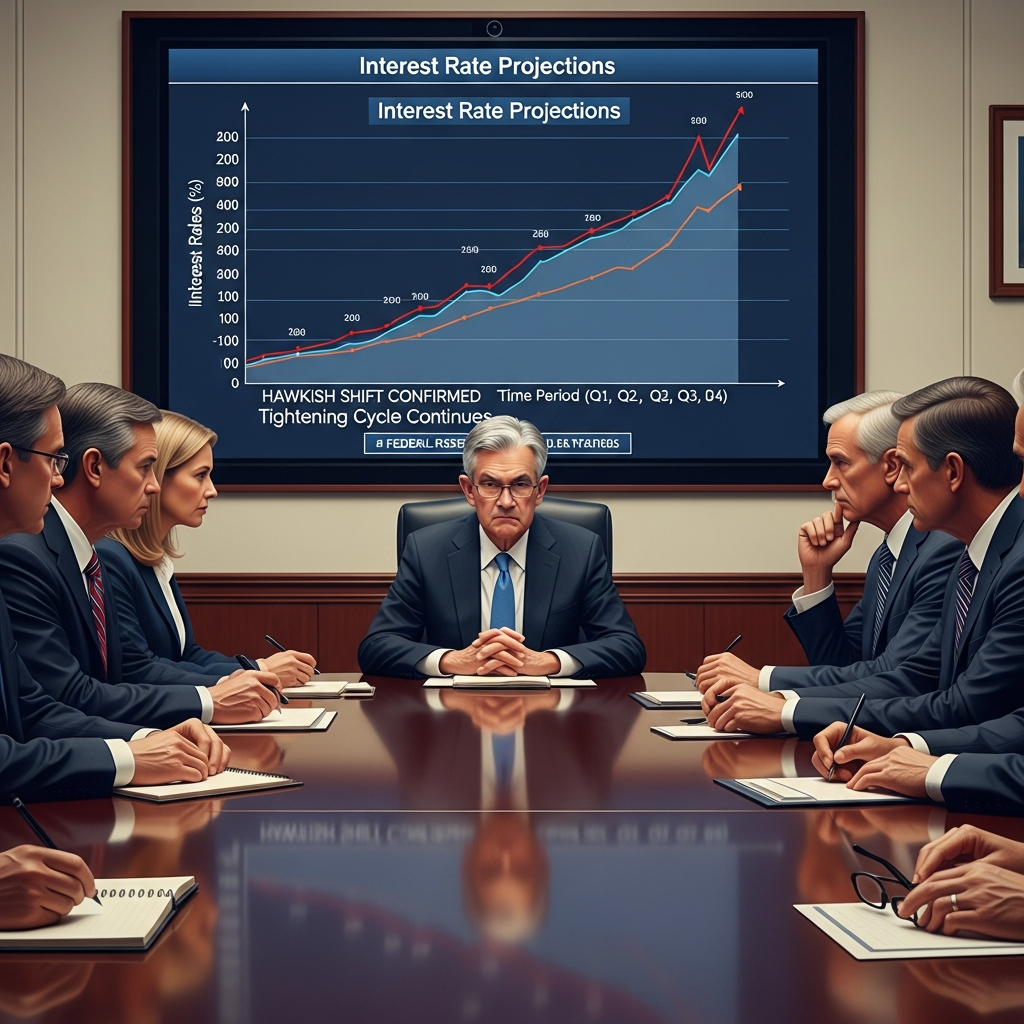
The Federal Open Market Committee (FOMC) convened on January 27-28, ultimately voting 10-2 to maintain the federal funds rate within its existing range of 3.5%-3.75%. This decision followed a series of three consecutive rate cuts in late 2025. However, the true surprise lay within the minutes, released on February 18, 2026. These detailed notes revealed a distinct “hawkish tilt,” indicating a growing reluctance to ease monetary policy further.
Governors Christopher Waller and Stephen Miran were the dissenting voices, advocating for a quarter-point rate reduction. Their concern centered on perceived vulnerabilities in the labor market. Yet, the broader committee adopted a remarkably cautious posture. Several participants voiced apprehension that additional easing, especially amid persistently elevated inflation, could undermine the Fed’s steadfast commitment to its 2% inflation target. Most strikingly, some officials even proposed including language in the post-meeting statement that would reflect the potential for “upward adjustments” to the federal funds rate – a direct reference to possible rate hikes. The minutes explicitly stated, “Most participants cautioned that progress toward the Committee’s 2% objective might be slower and more uneven than generally expected.”
Why the Fed is Pondering a Rate Hike
Several key factors underpinned this surprising shift. Policymakers noted that the labor market weakness observed throughout 2025, which had initially prompted rate cuts, appeared to be fading by late January. This assessment was further bolstered by a robust January employment report released after the meeting. The report revealed payrolls increased by 130,000 jobs, the most in over a year, and the unemployment rate unexpectedly fell to 4.3%. This signaled a resilient U.S. labor market at the start of 2026.
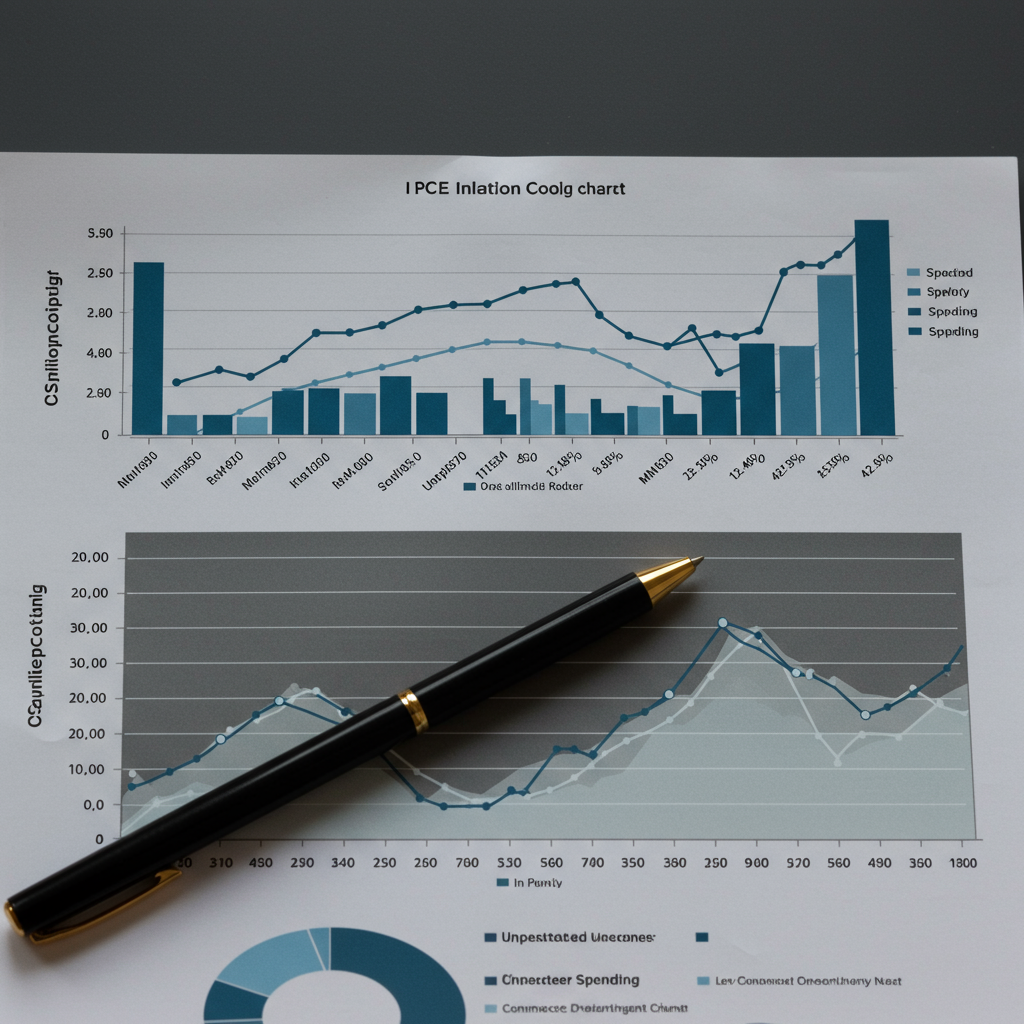
Inflation remains a primary concern for the Federal Reserve. Despite some prior cooling, the Fed’s preferred inflation gauge, the Personal Consumption Expenditures (PCE) Price Index, is widely anticipated to re-accelerate in the coming months. The Consumer Price Index (CPI) also showed a modest rise in January. This potential re-acceleration of inflation, coupled with the strength in the labor market, provides the Fed with flexibility. It allows them to prioritize their inflation fight and consider a more patient, or even aggressive, approach to interest rates.
Market Reactions and Geopolitical Currents
Bitcoin’s Volatile Response
Financial markets reacted swiftly to the Federal Reserve’s hawkish revelations. Bitcoin, often sensitive to shifts in global monetary policy and risk appetite, experienced a sharp decline. The digital asset began its slide during U.S. afternoon trading after the minutes were released. It fell from approximately $68,300 to below $66,500 by early Asian morning hours, marking a 1.6% decline in 24 hours. This selloff highlights how increased macroeconomic uncertainty can quickly temper investor enthusiasm for risk assets.
Broader Market Implications
The impact extended beyond cryptocurrencies. The hawkish Fed outlook, combined with escalating geopolitical tensions between the U.S. and Iran, pushed oil prices up by over 4%. This confluence of factors further dampened overall risk appetite across global markets. Futures traders have also recalibrated their expectations for interest rate adjustments. They are now pricing in the next potential rate cut no sooner than June, with subsequent cuts potentially delayed until September or October. This revised timeline suggests markets are absorbing the Fed’s cautious stance and preparing for a prolonged period of higher interest rates.
Navigating Political Winds and Economic Crosscurrents
Fed Independence Under Scrutiny
This hawkish stance from the Federal Reserve creates potential friction with the U.S. political landscape. President Donald Trump has consistently advocated for lower interest rates. His nomination of former Fed Governor Kevin Warsh as the next Fed Chair, whose term concludes in May, further complicates the situation. The White House has asserted that recent data showed inflation as “cool and stable,” directly contrasting the Fed’s cautious assessment. This divergence sets up a potential “collision course” between the central bank and the executive branch, testing the Fed’s critical independence.
The Complex Role of Tariffs in Inflation
Another layer of complexity stems from the economic effects of tariffs. A recent analysis by the Federal Reserve Bank of San Francisco, led by Oscar Jorda and Fernanda Nechio, revealed tariffs’ surprising and evolving impact on inflation and unemployment. Initially, tariffs often create a “negative demand shock.” This leads to higher unemployment and a temporary decline in inflation as consumers and businesses reduce spending and delay investments.
However, this effect is not permanent. The study indicates that after the initial shock, unemployment tends to stabilize or even decrease. Crucially, inflation, which initially dipped, begins to pick up and reaches its peak approximately three years after the tariff implementation. The economists cautioned that applying these historical findings to the current environment is “somewhat fraught.” The magnitude and scope of recent tariffs, with the average U.S. tariff rate rising to an unprecedented 18%, are far greater than anything in their historical dataset. Nevertheless, the long-term inflationary potential of tariffs is another factor the Fed must weigh as it assesses future price stability.
What This Means for Your Financial Future
The Federal Reserve’s recent hawkish shift has significant implications across the financial spectrum. For those looking to borrow, higher interest rates translate directly to increased costs for mortgages, car loans, and credit card debt. Savers, however, might see slightly better returns on their deposits, though often not enough to fully offset inflation.
Investors, especially those in growth stocks and other risk assets, may face a more challenging environment. The prospect of sustained higher rates typically makes safer assets, like bonds, more attractive. This can lead to capital rotation away from riskier ventures. Therefore, a careful reassessment of investment portfolios, focusing on diversification and assets resilient to rising rate environments, becomes even more critical.
Frequently Asked Questions
What key factors influenced the Federal Reserve’s hawkish shift in January 2026?
The Federal Reserve’s January 2026 meeting minutes revealed a hawkish shift driven by several factors. Policymakers expressed concerns about persistent inflation, particularly the anticipated re-acceleration of the Personal Consumption Expenditures (PCE) Price Index. Additionally, a strong January employment report indicated a resilient labor market, suggesting the economic weakness of 2025 was fading. This robust economic backdrop, combined with a desire to reinforce the Fed’s commitment to its 2% inflation target, led officials to consider the possibility of rate hikes rather than further cuts.
Where can individuals track future Federal Reserve interest rate predictions?
Individuals can track future Federal Reserve interest rate predictions through several key sources. The most direct insights come from official FOMC statements, economic projections, and transcripts of speeches from Fed officials. Futures markets, such as the CME FedWatch Tool, provide real-time probabilities of future rate changes based on derivatives trading. Additionally, reputable financial news outlets, economic research firms, and central bank websites (like the Federal Reserve’s own) offer comprehensive analyses and updates on monetary policy.
How might the Federal Reserve’s stance on interest rates impact investment strategies?
The Federal Reserve’s hawkish stance on interest rates can significantly impact investment strategies. Higher rates generally increase borrowing costs for companies, potentially slowing corporate earnings and making equity investments less attractive. They also make fixed-income assets, like bonds, more appealing as their yields rise, drawing capital away from riskier assets like stocks and cryptocurrencies (as seen with Bitcoin’s recent drop). Investors might consider rebalancing portfolios towards less interest-rate-sensitive sectors, focusing on dividend-paying stocks, or increasing allocations to cash and short-term bonds.
Conclusion: An Uncertain Path Ahead
The Federal Reserve’s surprising pivot towards a potentially hawkish stance marks a crucial juncture for the global economy. The shift, driven by persistent inflation concerns and a resilient labor market, signals a prolonged period of cautious monetary policy. While market reactions, particularly in volatile assets like Bitcoin, have been immediate, the broader implications for borrowing costs, investment decisions, and economic growth will unfold over the coming months. As political pressures mount and economic crosscurrents, including the complex effects of tariffs, continue to evolve, staying informed about the Fed’s decisions will be paramount for all economic participants.