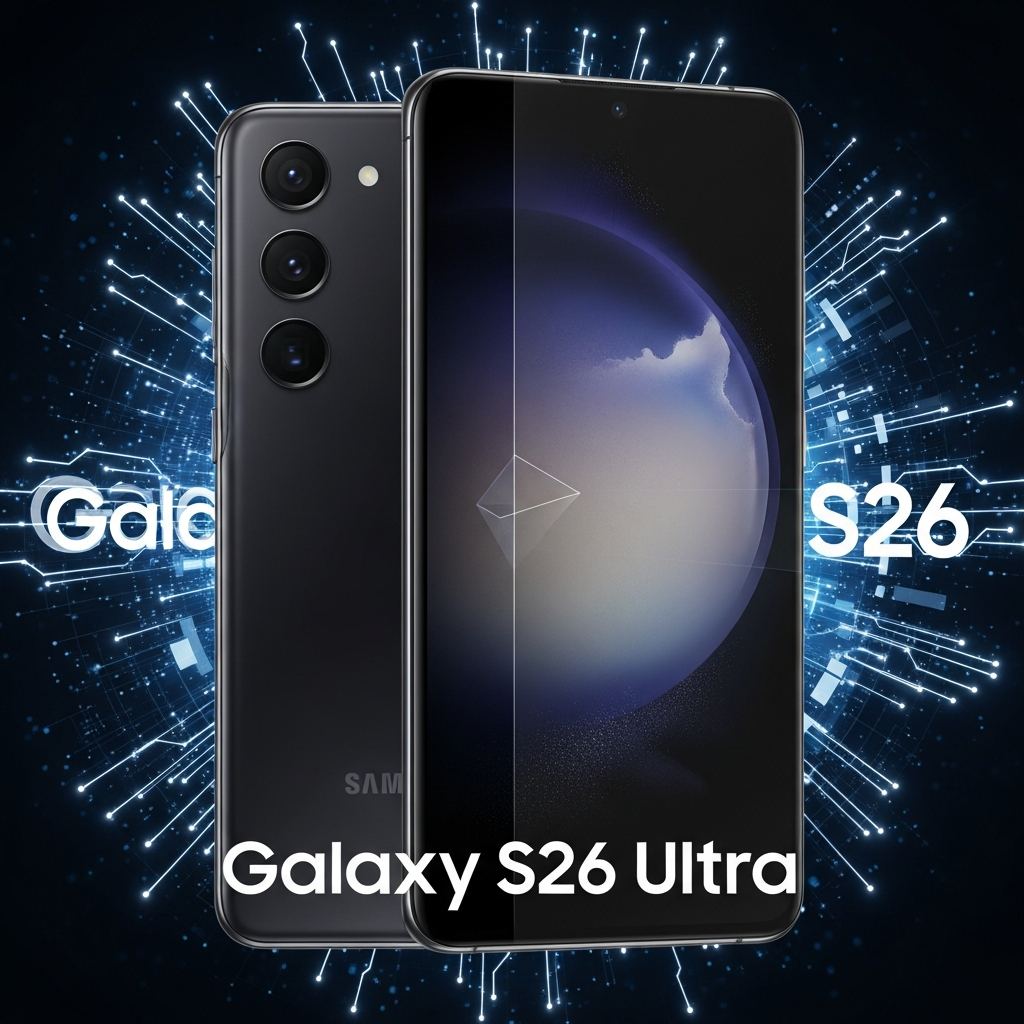
As we step into 2026, the technology world is already buzzing with whispers about Samsung’s next-generation flagship. While the Galaxy S26 Ultra is just around the corner, promising incremental updates, all eyes are rapidly shifting to the distant, yet incredibly exciting, Galaxy S27 Ultra. Early leaks suggest that this upcoming device could finally usher in a significant shake-up in Samsung’s mobile photography strategy, moving beyond the iterative changes seen in recent years. For enthusiasts and casual photographers alike, the Galaxy S27 Ultra camera is shaping up to be a compelling focal point.
Industry tipster @UniverseIce has unveiled the first concrete details, indicating a potential major overhaul for the S27 Ultra’s imaging capabilities. After a period where Samsung was criticized for a “lazy” approach to camera hardware, relying on existing sensors, the S27 Ultra appears poised to address these concerns head-on. This article delves into what these early leaks mean for the future of Samsung smartphone photography, blending leaked specifications with expert analysis and industry context.
The Heart of the Beast: A New 200MP Primary Sensor
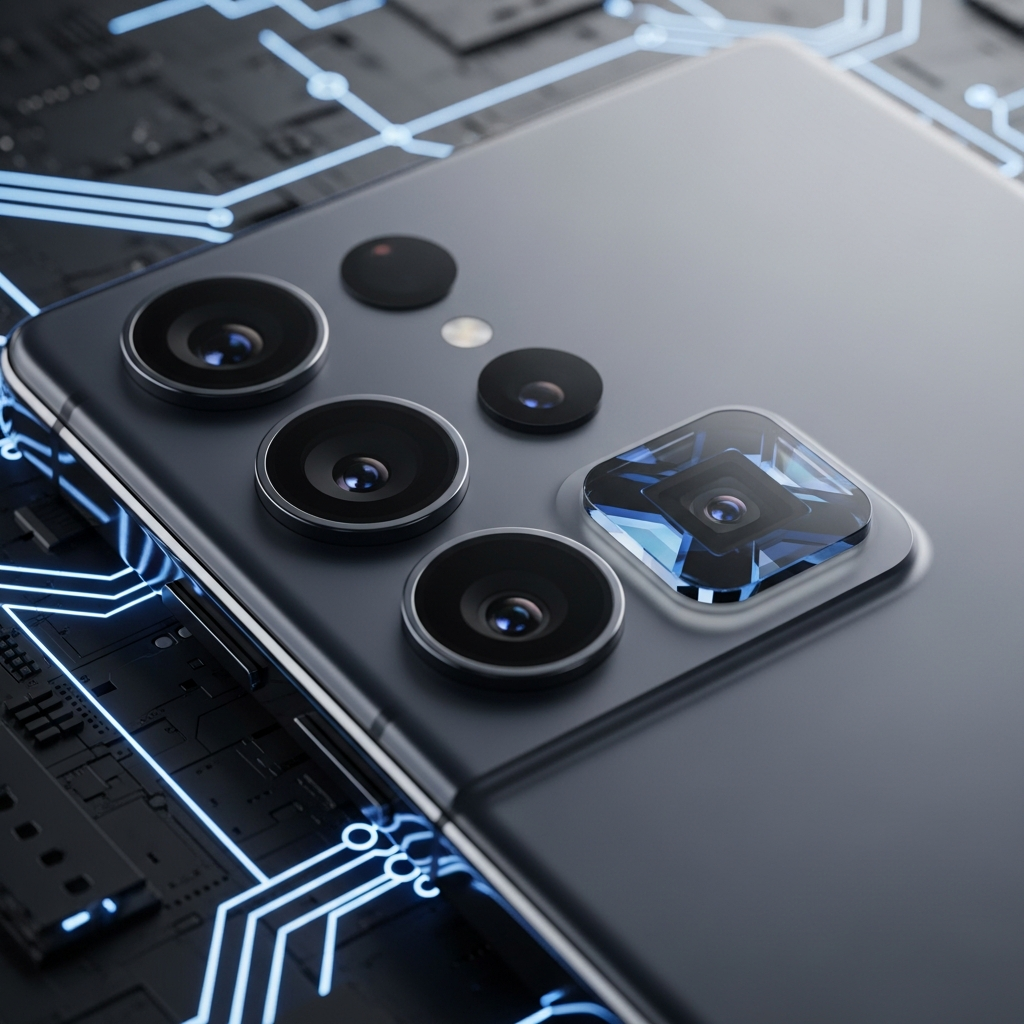
The most significant revelation concerns the Galaxy S27 Ultra camera primary sensor. According to reports, Samsung is slated to introduce a brand-new ISOCELL HP6 sensor for its main rear-facing camera. This powerhouse sensor is tipped to retain the impressive 200-megapixel resolution that has become a hallmark of Samsung’s Ultra series since 2023.
Interestingly, while the resolution remains consistent, the ISOCELL HP6 is expected to maintain a 1/1.3-inch optical format. This size is quite similar to the ISOCELL HP2 sensor found in the Galaxy S25 Ultra. However, the crucial difference lies in the integration of “newer technologies” within the HP6. These advancements are specifically designed to deliver enhanced image and video quality, even without a dramatic increase in physical sensor dimensions. This suggests Samsung is focusing on internal optimizations and processing power to push performance boundaries.
Navigating Sensor Size: Samsung’s Strategic Choice
The decision to stick with a 1/1.3-inch sensor for the Galaxy S27 Ultra camera is a strategic one, especially when compared to rivals. Some competitors, notably from Chinese manufacturers, are already incorporating larger 1/1.12-inch or even 1-inch style primary camera sensors (like Sony’s 200MP LYT-901). Leaks suggest Samsung had considered a larger 1/1.1-inch 200MP sensor but ultimately abandoned the plan due to “pricing constraints.”
This indicates a calculated balance by Samsung. Instead of pursuing the absolute largest sensor size at potentially prohibitive costs, the company appears to be investing in proprietary “new features” and improved output/processing speeds within a familiar footprint. This approach could allow for better integration within the phone’s design, maintain a sleeker profile, and potentially offer a more balanced photographic experience across all lenses. The emphasis shifts from raw sensor size to the overall optimization of the imaging pipeline, from capture to processing.
Beyond the Main Lens: Comprehensive Camera System Upgrades
The innovations for the Galaxy S27 Ultra camera aren’t limited to the primary sensor alone. Samsung is reportedly planning a more holistic upgrade to the entire camera system. This includes significant attention to the supporting lenses, which have also faced criticism for incremental improvements.
Enhancing the Ultrawide and Zoom Capabilities
Reports suggest that the ultrawide camera on the Galaxy S27 Ultra will receive a much-needed upgrade. This could mean a higher-resolution sensor, improved light-gathering capabilities, or advanced distortion correction, leading to more expansive and detailed wide-angle shots.
The mid-zoom and telephoto cameras are also in line for substantial enhancements. The Galaxy S26 Ultra is expected to continue using a 10MP/12MP sensor with 3x optical zoom, a specification that many feel is due for an overhaul. For the S27 Ultra, there’s a strong push for Samsung to upgrade this to a 50MP or even a 200MP sensor. This would dramatically improve detail retention at optical zoom levels and offer greater flexibility for cropping without loss of quality. Furthermore, the periscope zoom camera could receive a wider aperture, allowing it to capture more light and perform better in challenging low-light conditions when zooming in.
Pushing Video Boundaries and Front Camera Innovation
The future of mobile videography looks bright with the Galaxy S27 Ultra. Suggested upgrades include support for 8K 60fps video recording. This would be a significant leap, offering incredibly detailed and smooth footage, providing creators with more options for professional-grade content directly from their smartphone.
The front camera is also rumored to see innovation, with a potential shift to a “square sensor.” While specific details are scarce, this could imply a new approach to selfie capture, perhaps offering unique aspect ratios, improved low-light performance, or advanced computational photography features for the front-facing lens. A general upgrade to the front camera sensor is also anticipated, promising clearer and more detailed self-portraits and video calls.
Broader Innovations: 3D Face Scanning and S Pen Rumors
Beyond the impressive camera enhancements, the early leaks for the Galaxy S27 Ultra hint at broader technological advancements. Samsung appears to be exploring cutting-edge features that could redefine user interaction and security.
Reports claim that the S27 Ultra could introduce advanced 3D face scanning for biometric authentication. This system, identified as Metalenz’s Polar ID, would utilize Samsung’s own ISOCELL Vizion 931 sensor. This would offer a more secure and robust facial recognition system, potentially rivaling or surpassing current solutions on the market. Such technology could enable more sophisticated augmented reality applications and enhance privacy features.
Another significant, albeit controversial, rumor swirling around the Galaxy S27 Ultra is the potential removal of the built-in S Pen. While the S Pen has been a hallmark of the Ultra series since its integration, its removal could free up valuable internal space. This space could then be utilized for larger batteries, more advanced camera components, or improved cooling systems, leading to better overall performance and user experience. This strategic shift would mark a notable departure for Samsung’s flagship design philosophy.
Why These Leaks Matter for Samsung’s Future
The early surfacing of Galaxy S27 Ultra camera details, over a year before its anticipated launch, signifies a critical juncture for Samsung. After facing increasing pressure from competitors, particularly in the rapidly evolving smartphone camera space, these leaks suggest Samsung is preparing a robust response. The emphasis on “newer technologies” within existing sensor sizes, coupled with upgrades across the entire camera array, points to a strategy focused on computational photography and refined hardware integration.
While these are still early whispers, and developments are subject to change, the sheer volume and specificity of the leaks indicate serious planning is underway. Samsung appears intent on delivering a flagship camera experience that not only competes but also sets new benchmarks for mobile photography in the years to come. The Galaxy S27 Ultra camera could indeed be the “wake-up call” many critics have been hoping for, signaling a renewed commitment to innovation from the tech giant.
Frequently Asked Questions
What is the rumored primary camera sensor for the Galaxy S27 Ultra?
The Samsung Galaxy S27 Ultra is tipped to feature an entirely new primary camera sensor, likely named the ISOCELL HP6. This sensor is expected to boast a 200-megapixel resolution and maintain a 1/1.3-inch optical format, similar to the ISOCELL HP2 used in the Galaxy S25 Ultra. Despite the similar physical size, the HP6 is rumored to integrate “newer technologies” to deliver enhanced image and video quality, focusing on internal optimizations and processing advancements rather than just raw sensor size.
Will the Galaxy S27 Ultra camera be a significant upgrade over previous models?
Yes, early indications suggest the Galaxy S27 Ultra camera will be a significant upgrade, especially when compared to the Galaxy S26 Ultra which is expected to have minor camera improvements. While the primary sensor size remains familiar, the ISOCELL HP6 will feature advanced internal technologies. Moreover, comprehensive upgrades are anticipated across the ultrawide, mid-zoom, and telephoto lenses, potentially introducing higher megapixel counts (e.g., 50MP or 200MP for mid-zoom) and wider apertures for better light capture.
Beyond the main camera, what other photographic enhancements are expected for the S27 Ultra?
The Galaxy S27 Ultra is rumored to bring several photographic enhancements beyond its primary sensor. These include a planned upgrade for the ultrawide camera and a strong recommendation for significant improvements to the mid-zoom camera, potentially to a 50MP or 200MP sensor. Suggested future-looking features also include support for 8K 60fps video recording, a larger sensor for the 5x optical super telephoto camera, and a unique “square sensor” for the front-facing camera.
Conclusion
The early leaks surrounding the Galaxy S27 Ultra camera paint a promising picture for the future of Samsung’s flagship smartphones. While the device is still a considerable time away, the insights gleaned from reputable tipsters like @UniverseIce suggest a strategic shift is underway. Samsung appears ready to move beyond incremental updates, focusing on new sensor technologies, comprehensive system upgrades, and advanced computational photography. This renewed commitment to camera innovation, coupled with other potential groundbreaking features like 3D face scanning and a redesigned form factor, positions the Galaxy S27 Ultra as a device that could truly redefine the mobile experience. As we eagerly await further details, the anticipation for this next-generation flagship continues to build, promising an exciting future for smartphone enthusiasts.