Prepare for a dazzling start to the new year as the January 2026 Wolf Supermoon graces our skies. This celestial spectacle is more than just a beautiful lunar display; it’s a powerful astronomical event packed with cultural significance and profound astrological influence. Kicking off 2026, this full moon is particularly notable as it marks the last in a rare sequence of four consecutive supermoons. Join us as we explore what makes this lunar event special, how to best observe it, and its deep energetic impact.
Understanding the January 2026 Wolf Supermoon
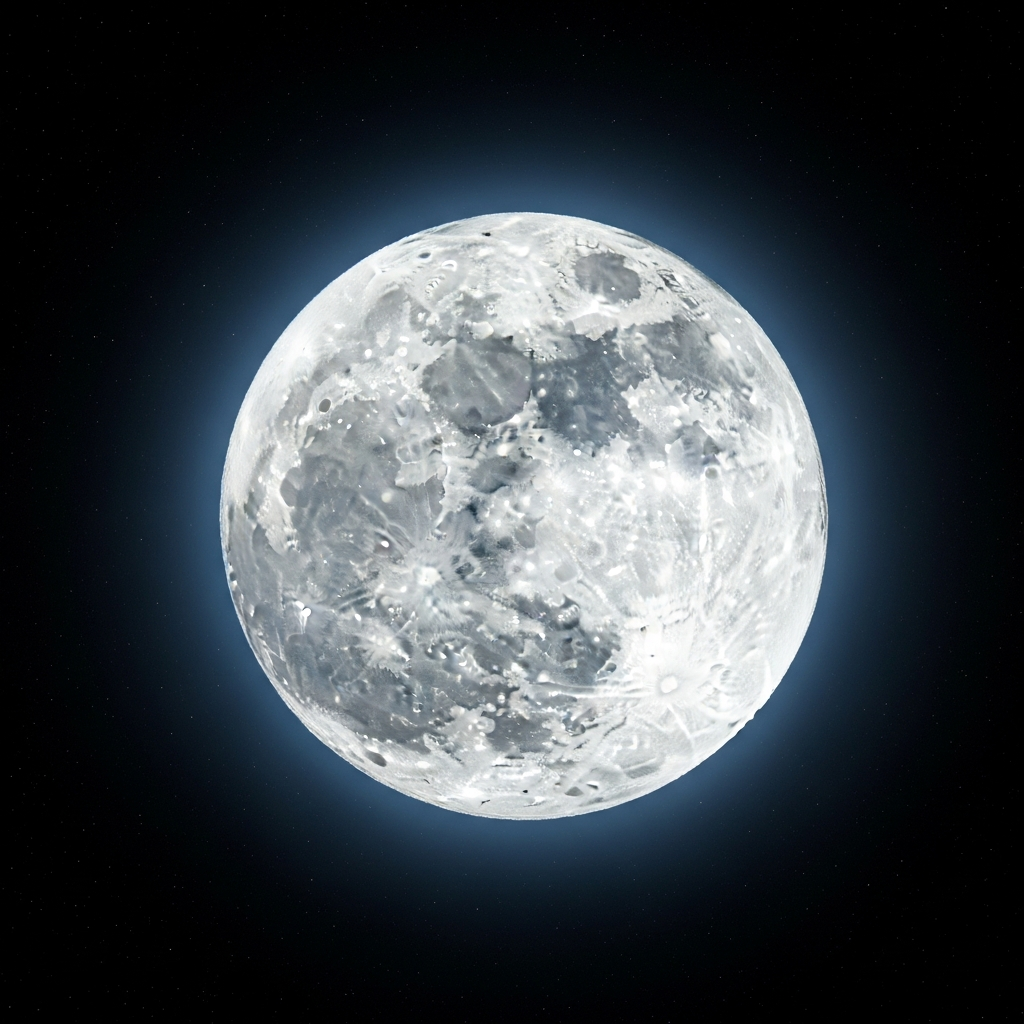
The first full moon of 2026, known popularly as the “Wolf Moon,” reaches its peak illumination on Saturday, January 3, at 5:03 a.m. ET (10:03 GMT). This isn’t just any full moon; it’s also a “supermoon.” A supermoon occurs when the moon is at its closest point to Earth in its elliptical orbit, a position known as perigee. This close proximity makes the moon appear significantly brighter and larger to observers on Earth. Expect it to look up to 14% larger and shine 30% brighter than the year’s faintest full moon. This enhanced visual makes it an unforgettable experience for skywatchers.
Why is it Called the Wolf Moon?
The evocative name “Wolf Moon” has roots in ancient traditions, particularly among Native American cultures. During the long, cold winter nights of January, hungry wolves were often heard howling outside villages. This tradition led to the moon adopting the name we use today. While the legend often linked these howls to hunger, modern understanding, supported by institutions like the Smithsonian, clarifies that wolves primarily howl as a form of social communication. They use it as a rallying call, to signal the start of a hunt, or to mark territorial boundaries.
Beyond the “Wolf Moon,” this January full moon carries other fascinating names from various cultures:
Moon After Yule: A traditional Anglo-Saxon name.
Severe Moon: Used by the indigenous Dakota people, reflecting the harsh winter.
Center Moon: Named by the Assiniboine people, signifying its place in the heart of the cold season.
Stay Home Moon and Quiet Moon: Celtic names emphasizing introspection.
Astrological Significance: A Cancer Full Moon
Beyond its astronomical beauty, the January 2026 Wolf Supermoon holds significant astrological weight, occurring in the sensitive sign of Cancer. Astrologers believe the intense power of a supermoon is felt more profoundly on Earth, and this Cancer full moon is set to deeply ignite emotions and trigger a strong sense of nostalgia. According to astrologer Renee Watt, this celestial event arrives after the busy holiday season, encouraging introspection and a natural retreat inward. It shifts our focus from social engagements to more personal and sensitive internal matters.
Navigating Emotional Currents and Relationships
The alignment of Venus and Mars in Capricorn, opposing this Cancer lunation, will compel individuals to address and resolve underlying issues. This applies to both internal struggles and conflicts with others. The Nodes of Destiny also present a powerful opportunity for emotional healing. This period encourages moving forward from past experiences with care and compassion. Forgiveness may come easily, but forgetting the lessons learned might prove more challenging. Watt emphasizes that this is a prime time for significant epiphanies, especially concerning family dynamics or identifying personal triggers within relationships. She advises patience in correcting unhealthy cycles and fostering positive evolution, recommending time alone at home to recharge, gain clarity, and prepare for the year ahead.
Impact on Cardinal Zodiac Signs
The four cardinal signs – Aries, Cancer, Libra, and Capricorn – are expected to feel this lunar energy most intensely. Astrologer Lisa Stardust provides specific insights:
Aries: This moon calls for a deep connection with core values. Embrace vulnerability to forge natural, profound connections. Express your true sentiments and proactively strengthen friendships through intimate interactions. In romance, patience and responsibility are key to finding partners aligned with your long-term goals.
Cancer: The primary focus is your relationship with yourself. Evaluate if your individuality is truly valued by your partner and whether your efforts, enthusiasm, and needs are reciprocated. This lunar energy offers a nurturing yet exciting push, facilitating insightful conversations with romantic partners and bringing clarity on future steps. It’s also ideal for reorganizing passion projects or reconnecting with old friends.
Libra: Expect a career “glow up” with opportunities to fulfill professional aspirations. However, personal or family circumstances might present challenges. Resist the urge to rush into plans. Trust the process, as no one is ever fully ready. Focus on planning and mapping out your goals rather than immediate action.
Capricorn: This period signals a communicative and dynamic shift, moving away from your usual “strong and silent” approach. Embrace new experiences, take advantage of social outings, and be open to meeting new connections. Seek intellectually stimulating romantic atmospheres. While shared values are important, be more accepting of minor differences, viewing them as sparks for debate and mental connection.
Prime Time for Skygazers: How to View the Wolf Supermoon
For optimal viewing of this spectacular January Wolf Supermoon, plan to look towards the eastern horizon at dusk on January 2. The moon will appear practically full to the casual observer on the nights immediately surrounding its peak on January 3rd. Specific local moonrise and moonset times will vary, so check local astronomy guides. For instance, in the UK, moonrise will be around 15:51 in Oxford.
When the moon is low on the horizon, it often appears particularly large due to a phenomenon known as the “moon illusion.” This optical trick can make low-hanging moons seem oversized, an effect potentially amplified by the supermoon’s natural brilliance. Additionally, when close to the horizon, the moon might take on a beautiful orange-yellow hue. This color change occurs because its light travels a longer path through Earth’s atmosphere, scattering shorter, bluer wavelengths and allowing longer, redder wavelengths to pass through. For the best experience, find a spot away from city lights, and remember to dress warmly, as January nights are cold.
As an added bonus, the bright planet Jupiter will be visible less than 4 degrees to the right of the lunar disk on January 3rd. This distance is roughly equivalent to the width of three middle fingers held at arm’s length in the night sky. Jupiter will also be at its brightest all year in January, reaching its full phase as it aligns with Earth and the sun, making it an excellent month for observing the gas giant.
Beyond the Wolf Moon: Other 2026 Celestial Events
While the January 2026 Wolf Supermoon is a highlight, 2026 offers a wealth of other celestial spectacles. The Quadrantids meteor shower, one of the best annual meteor showers, peaks on January 3rd-4th. However, the brightness of the supermoon will unfortunately challenge visibility for all but the brightest meteors. The Quadrantids are known for producing vivid fireball meteors, with potential rates of 60 to 200 per hour.
Looking further into 2026, the year will feature an unusual 13 full moons. This includes a “Blue Moon” in May, when two full moons occur within the same month. Other notable full moons throughout the year include the Snow Moon (Feb 1), Worm Moon (Mar 3), Pink Moon (Apr 1), Flower Moon (May 1), Strawberry Moon (Jun 29), Buck Moon (Jul 29), Sturgeon Moon (Aug 28), Corn Moon (Sep 26), Hunter’s Moon (Oct 26), Beaver Moon (Nov 24), and Cold Moon (Dec 23). Mark your calendars for the next supermoons of 2026, scheduled for November 24th and December 23rd.
Eclipses in 2026
The year also brings exciting eclipse events:
Total Lunar Eclipse: March 2nd-3rd. This “blood moon” will see the moon pass through Earth’s shadow, appearing reddish-orange. It will be broadly visible from western North America to Australia, New Zealand, and East Asia, though visibility will be limited in Florida.
Total Solar Eclipse: August 12th. This will span across Greenland, western Iceland, and northern Spain, unfortunately not visible from most of the United States.
- Partial Lunar Eclipse: August 27th-28th. This event will be visible across North America, including Florida, with approximately 93% of the moon expected to be in Earth’s shadow.
- www.today.com
- www.space.com
- www.providencejournal.com
- www.floridatoday.com
- www.bbc.com
Embracing the Lunar Energy: Practical Takeaways
The January Wolf Supermoon offers a unique blend of scientific wonder and spiritual guidance. Acknowledge its powerful energy by taking time for introspection and self-care. Use the Cancer moon’s influence to reflect on your emotional landscape and nurture your closest relationships. Practice patience, especially when working through interpersonal dynamics. For those impacted directly by the cardinal signs, heed the specific astrological advice to guide your path in love, career, and self-discovery. Capture its beauty through observation, and allow its glow to illuminate your intentions for the year ahead.
Frequently Asked Questions
What makes the January 2026 Wolf Supermoon special?
The January 2026 Wolf Moon is special for several reasons. It is the first full moon of the year, occurring on January 3rd at 5:03 a.m. ET. It’s also a “supermoon,” meaning the moon is at its closest point to Earth (perigee), making it appear up to 14% larger and 30% brighter than average. Notably, this particular event marks the last in a rare sequence of four consecutive supermoons that began in the previous year, making it a significant astronomical milestone before the next supermoon in November 2026.
How can I best view the January 2026 Wolf Supermoon?
To best view the January 2026 Wolf Supermoon, look towards the eastern horizon at dusk on January 2nd or the evening of January 3rd. When the moon is low on the horizon, it often appears larger due to the “moon illusion.” Find a location away from city lights for optimal visibility. You might also notice an orange-yellow hue when it’s low, caused by light scattering in the atmosphere. Remember to dress warmly as January nights are cold. As an added bonus, the bright planet Jupiter will be visible less than 4 degrees to the right of the moon on January 3rd.
What is the astrological significance of the January 2026 Wolf Supermoon in Cancer?
Astrologically, the January 2026 Wolf Supermoon in Cancer profoundly ignites emotions and triggers nostalgia. It encourages introspection and retreating inward after the busy holiday season, focusing on personal and sensitive matters. This moon prompts resolution of internal and external problems, offering a chance for emotional healing and moving forward with compassion. For cardinal signs like Aries, Cancer, Libra, and Capricorn, it offers specific guidance on relationships, career, and self-discovery, emphasizing patience, communication, and self-evaluation. It’s a powerful time for personal epiphanies.