The geopolitical landscape of the Taiwan Strait has entered a new phase of heightened tension as China’s People’s Liberation Army (PLA) launched extensive live-fire military drills around Taiwan. These exercises, code-named “Justice Mission 2025,” explicitly simulate a full blockade of the self-governing island’s major ports, including strategic hubs like Keelung in the north and Kaohsiung in the south. Beijing frames these actions as a “stern warning” to “Taiwan independence” separatist forces and external powers perceived as interfering in its sovereignty claims over Taiwan.
Taipei has swiftly condemned these large-scale maneuvers, characterizing them as a significant escalation of regional tensions and a direct threat to peace and navigational safety. The drills underscore the intensifying standoff as China continues its rapid military modernization, aiming for invasion capabilities by 2027, according to US intelligence assessments. While Beijing promotes “peaceful reunification,” its approach increasingly relies on coercive military posturing, which Taiwan’s populace and government firmly reject, choosing instead to bolster its own defense capabilities.
Beijing’s “Justice Mission 2025”: Objectives and Deployment
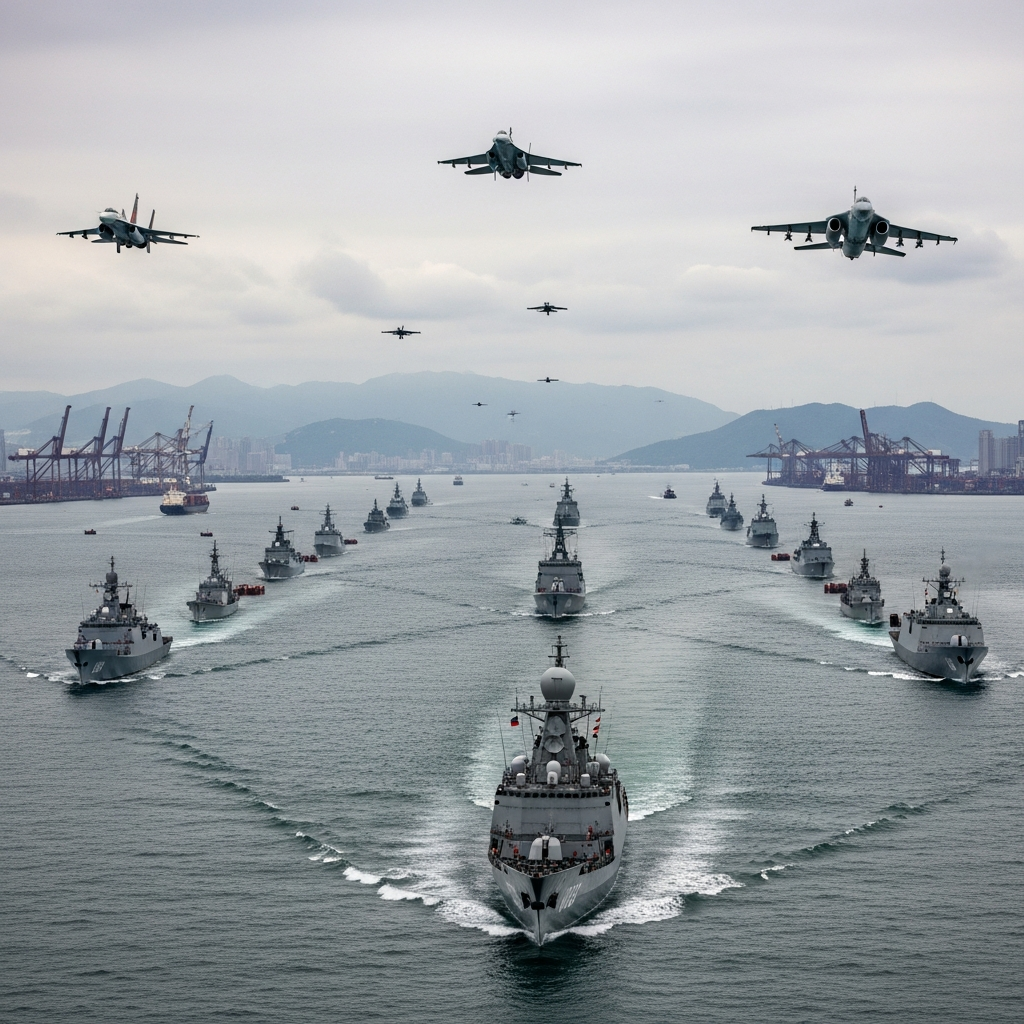
The “Justice Mission 2025” drills commenced on a Monday, involving a formidable deployment of China’s military assets across naval, air force, and rocket forces. The PLA’s Eastern Theater Command reported that these exercises are designed to encircle Taiwan, testing capabilities in rapid maneuvers, forming an all-dimensional posture, and executing systemic blockade and control. Chinese coast guard vessels also conducted “law enforcement inspections” around Taiwan’s outer islands, further asserting Beijing’s jurisdictional claims.
Key objectives of the drills include:
Simulated Blockade: Practicing the encirclement and sealing off of vital deep-water ports, crucial for Taiwan’s economy and international trade.
Targeting Maritime Assets: Conducting precise target hunting and neutralization exercises, including attacks on submarines and other naval targets.
Deterring External Interference: Explicitly practicing strategies to repel international involvement, sending a clear message to Taiwan’s unofficial allies like the United States and Japan.
Integrated Control: Focusing on “sea-air combat readiness patrol, joint seizure of comprehensive superiority, and all-dimensional deterrence outside the island chain.”
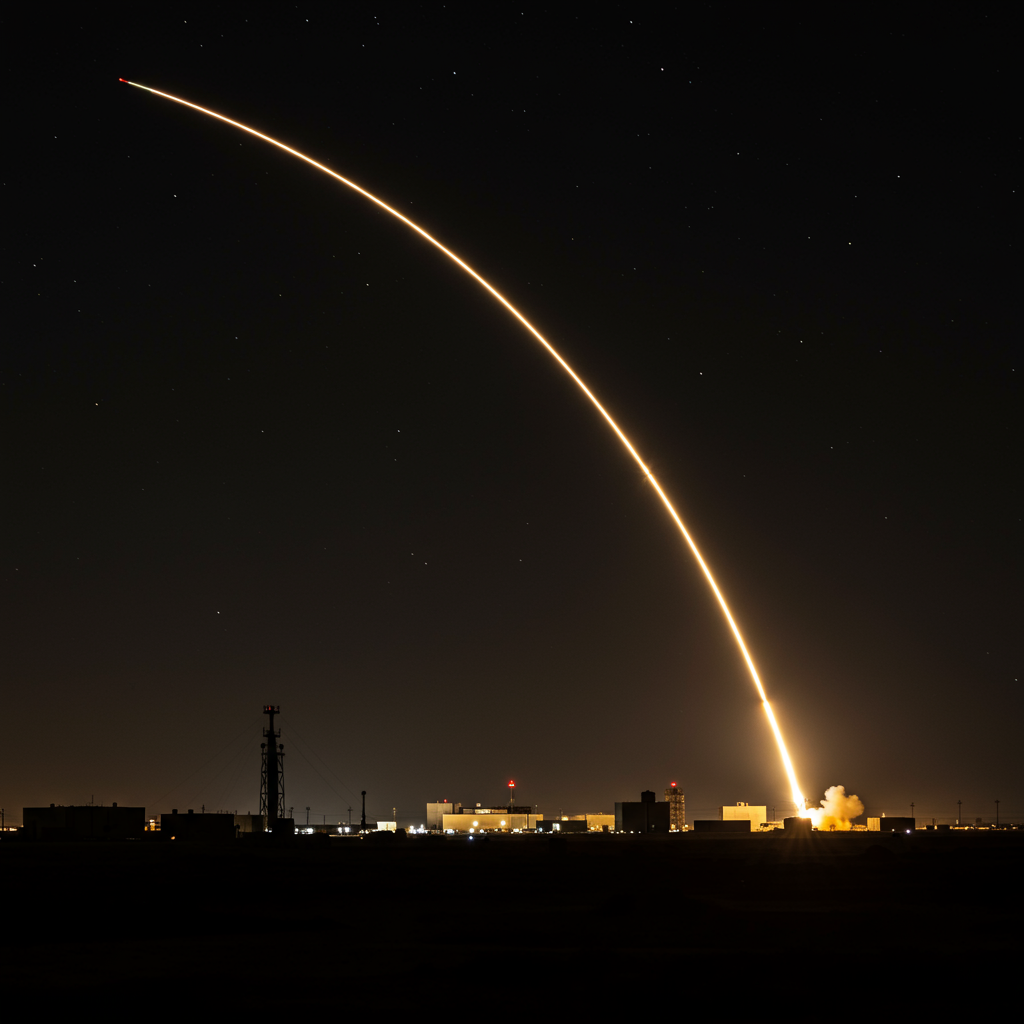
The PLA deployed a comprehensive array of hardware, including destroyers, frigates, fighters, bombers, drones, and long-range missiles. Propaganda materials accompanied the announcement, featuring stylized videos and maps demarcating large no-go zones around Taiwan’s southern, northern, and north-western points. One stark state media poster depicted flaming “arrows of justice” shot from China, piercing “green bugs” (representing separatist forces) on Taiwan’s outline, with a foreign warship “fleeing.” This imagery reinforces Beijing’s narrative of justified action against perceived threats.
Taiwan’s Resolute Response to Military Intimidation
Taiwan’s defense ministry immediately activated a robust response system, dispatching “appropriate forces” and initiating counter combat-readiness exercises. Taipei strongly condemned the drills, with a presidential office spokesperson urging China to cease its “irresponsible provocations” and avoid misjudging regional stability. The ministry affirmed that “defending democracy and freedom is no provocation,” and the existence of the Republic of China (Taiwan’s formal name) is not an excuse for aggression.
Taiwan’s military reported observing multiple Chinese military aircraft and ships operating near the island. In response, Taiwan’s armed forces are maintaining high alert, prepared for “rapid response exercises” should the Chinese drills escalate. Taiwan’s coast guard also deployed large vessels to counter Chinese coast guard activity, coordinating with the military to mitigate the impact on critical maritime routes and fishing areas. Authorities are working to identify alternative flight paths due to China designating a “temporary danger zone” in Taipei’s airspace for the live-fire exercises. The island’s defensive capabilities, including US-made HIMARS rocket systems with a 300km range, are showcased as a deterrent against potential coastal targets in China’s Fujian province.
Escalating Tensions: Triggers and Geopolitical Context
These “Justice Mission 2025” exercises mark the sixth major set of PLA military drills targeting Taiwan since 2022, notably following the visit of then-US House of Representatives Speaker Nancy Pelosi. This latest round of maneuvers follows a series of recent events that have significantly ratcheted up tensions in the region:
Japan’s Stance: Japanese Prime Minister Sanae Takaichi’s statement suggesting potential Japanese military involvement if China were to attack Taiwan drew furious condemnation from Beijing, prompting demands for retraction and the summoning of Tokyo’s ambassador.
US Arms Sales: The US government’s approval of an $11 billion weapons sale to Taiwan, its primary security guarantor, ignited strong protests from Beijing, which subsequently imposed sanctions on 20 US defense-related companies and 10 executives.
- Taiwanese Resolve: Recent speeches by Taiwan’s President Lai Ching-te, vowing to boost the island’s defenses and achieve a “high level of combat preparedness” by 2027, further fueled Beijing’s ire. President Lai emphasized that “peace can only be secured through strength” and that Taiwan must continually increase the cost of aggression.
- www.theguardian.com
- www.aljazeera.com
- www.cbsnews.com
- focustaiwan.tw
- www.yahoo.com
Analysts, including William Yang of the International Crisis Group, note the unusual scale and proximity of these drills to Taiwan’s main island. Significantly, this is believed to be the first time the PLA has explicitly stated that these exercises aim to deter foreign military intervention, a “very strong signal” to Taiwan’s allies. The visibility of numerous PLA aircraft on radar platforms signals China’s deliberate declaration of its enhanced “anti-access/area denial” (A2/AD) capabilities, demonstrating its upgraded ability to rapidly deploy diverse military assets to strategic positions. Beijing is expected to closely monitor the international response, particularly from the US, to inform its future military operations.
Frequently Asked Questions
What are the main goals of China’s ‘Justice Mission 2025’ drills?
The “Justice Mission 2025” drills are designed by China’s People’s Liberation Army (PLA) with several key objectives. Primarily, they simulate a complete blockade of Taiwan’s major ports, such as Keelung and Kaohsiung. The exercises also focus on targeting maritime assets and demonstrating capabilities to deter “external interference” from international forces. Beijing states these drills serve as a “stern warning” against “Taiwan independence” movements and foreign support for them, asserting China’s sovereignty claims over the island.
How do China’s Taiwan drills affect international shipping and flight paths?
China’s live-fire drills around Taiwan significantly impact international shipping and flight paths by designating “temporary danger zones” that vessels and aircraft must avoid for safety. These zones, strategically located around Taiwan’s southern, northern, and north-western points, disrupt normal maritime routes and aviation corridors. Taiwan’s coast guard and aviation authorities actively work to identify alternative paths and coordinate with the military to mitigate the threat posed to navigational safety and the operational rights of local fishermen, highlighting the drills’ broader economic and logistical implications for the region.
What is the global reaction to China’s blockade simulation around Taiwan?
The global community, particularly the United States and Japan, is closely monitoring China’s blockade simulation around Taiwan. Taiwan itself has strongly condemned the drills, calling them “irresponsible provocations” that undermine regional peace. International analysts view these exercises as a clear demonstration of China’s growing military capabilities and its resolve to assert claims over Taiwan, explicitly aimed at deterring foreign military intervention. The drills add another layer of complexity to already strained diplomatic relations, following recent US arms sales to Taiwan and Japan’s statements on potential military involvement.
Conclusion
The “Justice Mission 2025” drills represent a formidable display of China’s military might and its unwavering resolve regarding Taiwan. By simulating a blockade of key ports and explicitly practicing the deterrence of international involvement, Beijing sends a potent message to Taipei and its allies. These escalating military maneuvers underscore the fragility of regional peace and the immense geopolitical stakes involved. As tensions continue to mount, the international community remains focused on the Taiwan Strait, where military posturing by China and resolute defense preparations by Taiwan converge, shaping the future of security and stability in the Asia-Pacific. The implications of these drills extend beyond military tactics, influencing global supply chains, international diplomacy, and the delicate balance of power.