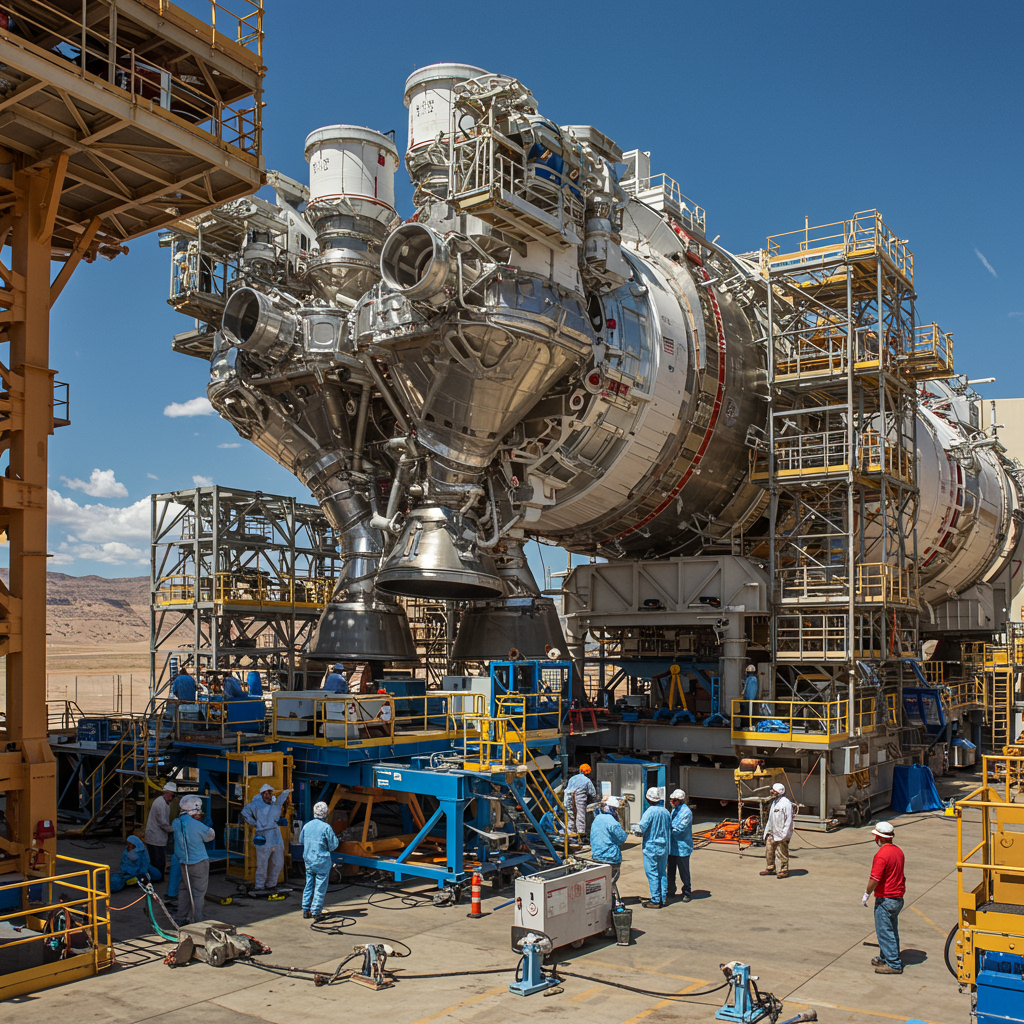
SpaceX’s Starlink constellation is rapidly transforming global internet access, leveraging a vast network of satellites launched frequently into low Earth orbit. These SpaceX Starlink launches are not just routine rocket events; they represent a bold push to connect the unconnected and deliver high-speed, low-latency internet where traditional broadband falters. This comprehensive guide delves into the intricate world of Starlink launches, exploring the technology, the impact, and what the future holds for this ambitious space internet service.
Unpacking the Starlink Mission: Internet from Above
Starlink is a satellite internet constellation operated by SpaceX, designed to provide global internet coverage. Its primary goal is to deliver broadband internet to underserved areas worldwide, bridging the digital divide and offering a viable alternative to terrestrial internet providers. Unlike traditional geostationary satellites that orbit much higher, Starlink’s satellites operate in low Earth orbit (LEO). This closer proximity significantly reduces latency, making the service more responsive and suitable for activities like online gaming and video calls. Each SpaceX Starlink launch adds dozens of new satellites to this growing constellation, expanding its reach and capacity.
The Engineering Behind Each SpaceX Starlink Launch
At the heart of every Starlink mission is the Falcon 9 rocket, SpaceX’s workhorse orbital launch vehicle. Known for its reusability, the Falcon 9 is pivotal to the economic viability and rapid deployment of the Starlink constellation. Each launch typically carries 23 Starlink satellites, sometimes more depending on the specific mission profile and satellite generation. The process is a ballet of precision and power:
Liftoff: The Falcon 9 ignites its nine Merlin engines, ascending from launch pads at sites like Cape Canaveral in Florida or Vandenberg Space Force Base in California.
Stage Separation: Minutes after liftoff, the first stage detaches and performs a groundbreaking feat – a controlled return to Earth, landing either on a drone ship at sea or at a landing zone ashore. This reusability dramatically lowers launch costs and accelerates mission frequency.
Second Stage Ignition: The second stage continues its ascent, carrying the Starlink payload to its deployment orbit.
Satellite Deployment: Once in the target LEO, the satellites are precisely released from the second stage. They then use their onboard ion thrusters to gradually raise themselves to their operational altitudes and spread out within the constellation.
This streamlined and often spectacular deployment process has become a hallmark of SpaceX Starlink launches, demonstrating an unprecedented pace in satellite deployment.
The Global Impact of Starlink Internet
The deployment of Starlink has profound implications for global connectivity. It has brought high-speed internet to remote villages, disaster zones, and maritime vessels where traditional infrastructure is non-existent or unreliable. Farmers in rural areas can access real-time market data, students in isolated communities can participate in online learning, and emergency responders can maintain critical communication links. This global reach is a testament to the vision behind the SpaceX Starlink launch program. However, the sheer volume of satellites has also sparked debate. Astronomers voice concerns about light pollution, as the satellites, especially shortly after launch, can interfere with astronomical observations. SpaceX has responded by developing darker coatings and sunshades for newer satellite generations, aiming to mitigate their visibility.
Tracking Future Starlink Missions
For enthusiasts and potential customers alike, tracking upcoming SpaceX Starlink launches is a popular activity. SpaceX provides frequent updates on its official website and social media channels. Dedicated spaceflight tracking websites and apps also offer real-time launch schedules, live streams, and post-launch orbital tracking. These resources allow you to witness the marvel of aerospace engineering unfold live, from the fiery ascent of the Falcon 9 to the precise deployment of dozens of satellites. Keeping an eye on these schedules can also inform potential users about when service might expand in their region.
The Evolution: Starlink’s Future and Starship’s Role
The Starlink constellation is continuously evolving. SpaceX is already developing and launching Gen2 Starlink satellites, which are larger, more capable, and designed to significantly increase network capacity and speed. These next-generation satellites are crucial for scaling the service to millions of users worldwide. Looking further ahead, the development of Starship, SpaceX’s fully reusable heavy-lift launch system, promises to revolutionize Starlink deployment even further. Starship will be capable of launching hundreds of Starlink satellites in a single mission, drastically accelerating the expansion of the constellation and making future SpaceX Starlink launches even more impactful. This ambitious vehicle is designed to carry more payload to orbit at a lower cost per launch, a game-changer for large-scale projects like Starlink.
Addressing Challenges and Enhancing Service
While Starlink offers incredible promise, addressing concerns about orbital debris and managing spectral interference are ongoing challenges. SpaceX actively works to ensure its satellites can de-orbit safely at the end of their lifespan, contributing to the long-term sustainability of space. Furthermore, the company continuously refines its ground infrastructure, including user terminals and ground stations, to improve network reliability and user experience. The commitment to innovation ensures that each SpaceX Starlink launch not only adds satellites but also pushes the boundaries of satellite technology and internet connectivity.
Frequently Asked Questions
What makes SpaceX Starlink launches different from other satellite launches?
SpaceX Starlink launches primarily utilize the reusable Falcon 9 rocket, which significantly reduces the cost and increases the frequency of missions. Unlike traditional satellite launches that send single, large satellites into geostationary orbit, Starlink missions deploy dozens of smaller, interconnected satellites into low Earth orbit (LEO) at once. This strategy is crucial for building a massive constellation designed to provide low-latency, high-speed internet globally, a distinct departure from previous satellite internet approaches.
How can I track upcoming SpaceX Starlink launches and get live updates?
You can track upcoming SpaceX Starlink launches by visiting the official SpaceX website, which provides a comprehensive launch schedule and often features live webcasts. Additionally, reputable spaceflight news outlets and dedicated tracking websites like Spaceflight Now or Everyday Astronaut offer detailed mission information, real-time updates, and post-launch analysis. Social media channels for SpaceX and Elon Musk are also excellent sources for breaking news and announcements regarding these missions.
Is Starlink a viable internet option for everyone, and how do I sign up?
Starlink aims to be a viable internet option, particularly for individuals and businesses in rural or underserved areas where traditional broadband is slow, unreliable, or unavailable. Its high-speed, low-latency service makes it competitive in these regions. However, it may not be the most cost-effective option for those with access to fiber or cable internet. To sign up, visit the official Starlink website and enter your service address to check availability and place an order. Availability is constantly expanding with each new SpaceX Starlink launch, so it’s worth checking back regularly if service isn’t yet offered in your area.
The Future is Connected
The ongoing series of SpaceX Starlink launches represents a monumental leap in global connectivity. From the reusable rockets of today to the promise of Starship for tomorrow, SpaceX is rapidly deploying a network that is literally reshaping how the world connects. While challenges remain, the commitment to innovation and expansion ensures that Starlink will continue to play a pivotal role in democratizing internet access across the globe. Stay tuned for the next mission; the future of global broadband is launching right before our eyes.