The Kennedy Center Honors stand as a paramount celebration of American artistic achievement, designed to transcend fleeting political landscapes and honor enduring cultural contributions. In a uniquely scrutinized year, the event unfolded with a clear intention: to place the spotlight firmly on the honorees’ remarkable legacies. Despite a highly charged political atmosphere, the 2017 Kennedy Center Honors, hosted by then-President Donald Trump, successfully navigated these complexities, ensuring that profound tributes to artistic brilliance remained center stage. This article delves into how the event upheld its tradition of unifying the nation through art, deliberately sidelining political discourse to celebrate shared cultural heritage.
A Decades-Old Tradition Meets Modern Times
For over four decades, the Kennedy Center Honors have recognized a select group of artists annually for their lifetime contributions to American culture. These prestigious awards, bestowed in Washington D.C., acknowledge excellence across various performing arts disciplines. A hallmark of the tradition involves the sitting President of the United States and the First Lady hosting a White House reception, followed by their attendance at the star-studded gala. This presidential involvement historically underscores the national significance of the arts and their role in American identity.
However, the political climate of the late 2010s presented unique challenges to this long-standing tradition. Cultural institutions, like many facets of American society, found themselves at the intersection of robust public debate. Ensuring the Honors remained a beacon of non-partisan celebration required deliberate effort and a renewed commitment to its founding principles. The 2017 event aimed to reaffirm that artistic achievement transcends political divides.
Honoring Artistic Brilliance: The Heart of the Gala
At its core, the Kennedy Center Honors celebrate extraordinary individuals whose work has profoundly shaped the nation’s cultural fabric. Recipients range from legendary musicians and actors to groundbreaking choreographers and playwrights. The selection process, conducted by the Kennedy Center’s Board of Trustees, emphasizes merit, impact, and lasting influence. This commitment to pure artistic recognition is the bedrock upon which the entire event is built. By highlighting the diverse contributions of the honorees, the event inherently promotes unity. It reminds attendees and viewers alike of the shared human experiences and emotions art can evoke, irrespective of individual political beliefs. The focus remained steadfastly on the power of creative expression.
The White House Reception: A Moment of Deliberate Unity
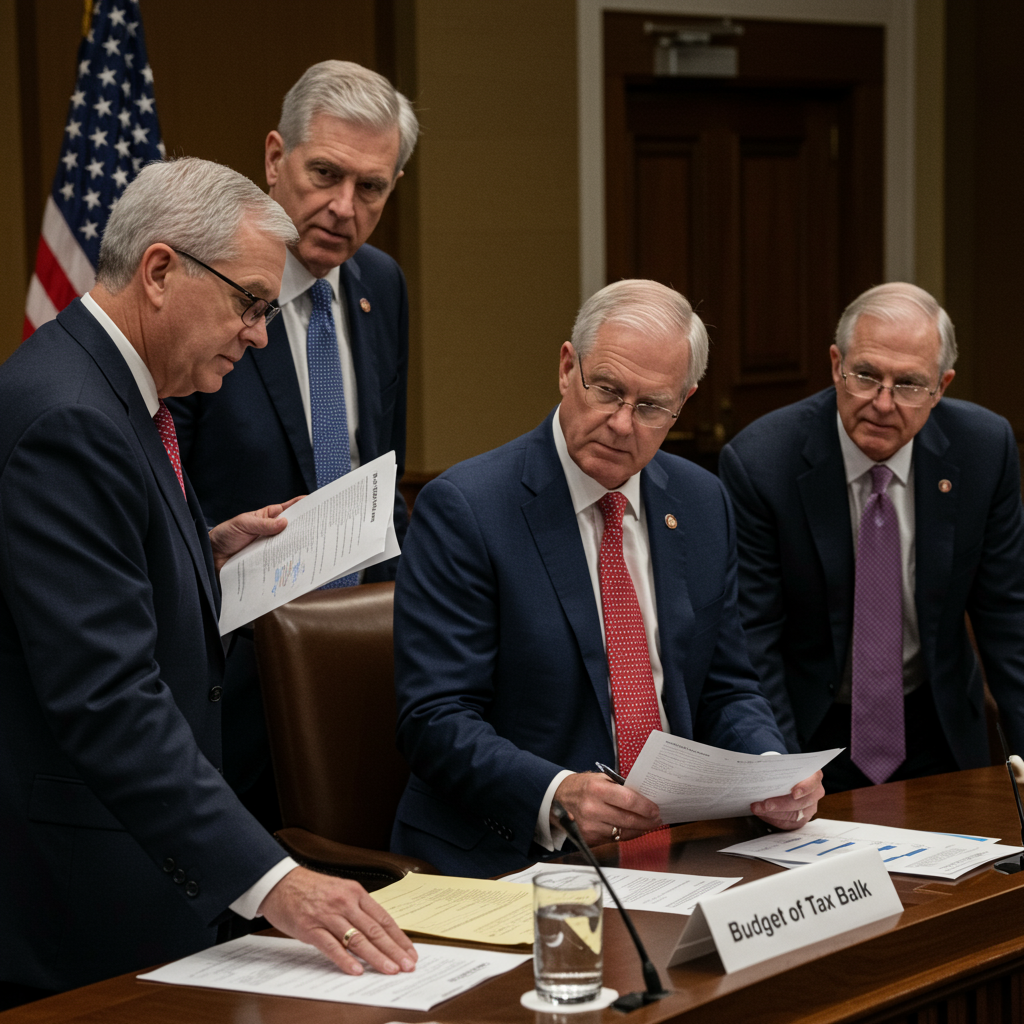
The pre-gala reception at the White House is traditionally a unique opportunity for honorees to be personally acknowledged by the nation’s leader. In 2017, President Trump hosted this reception, signaling a conscious effort to participate in the cultural recognition process. The atmosphere was carefully managed to emphasize shared national pride in the arts. Conversations focused on artistic journeys, creative processes, and the impact of the honorees’ work, rather than current political events.
This deliberate pivot from partisan discussions towards a celebration of common ground was pivotal. Organizers and attendees alike understood the importance of creating a space where the arts could genuinely bridge divides. The reception served as a powerful visual reminder that despite ideological differences, there are fundamental cultural achievements that unite Americans. It showcased a temporary truce in the political discourse.
The Gala Performance: A Tribute to Enduring Talent
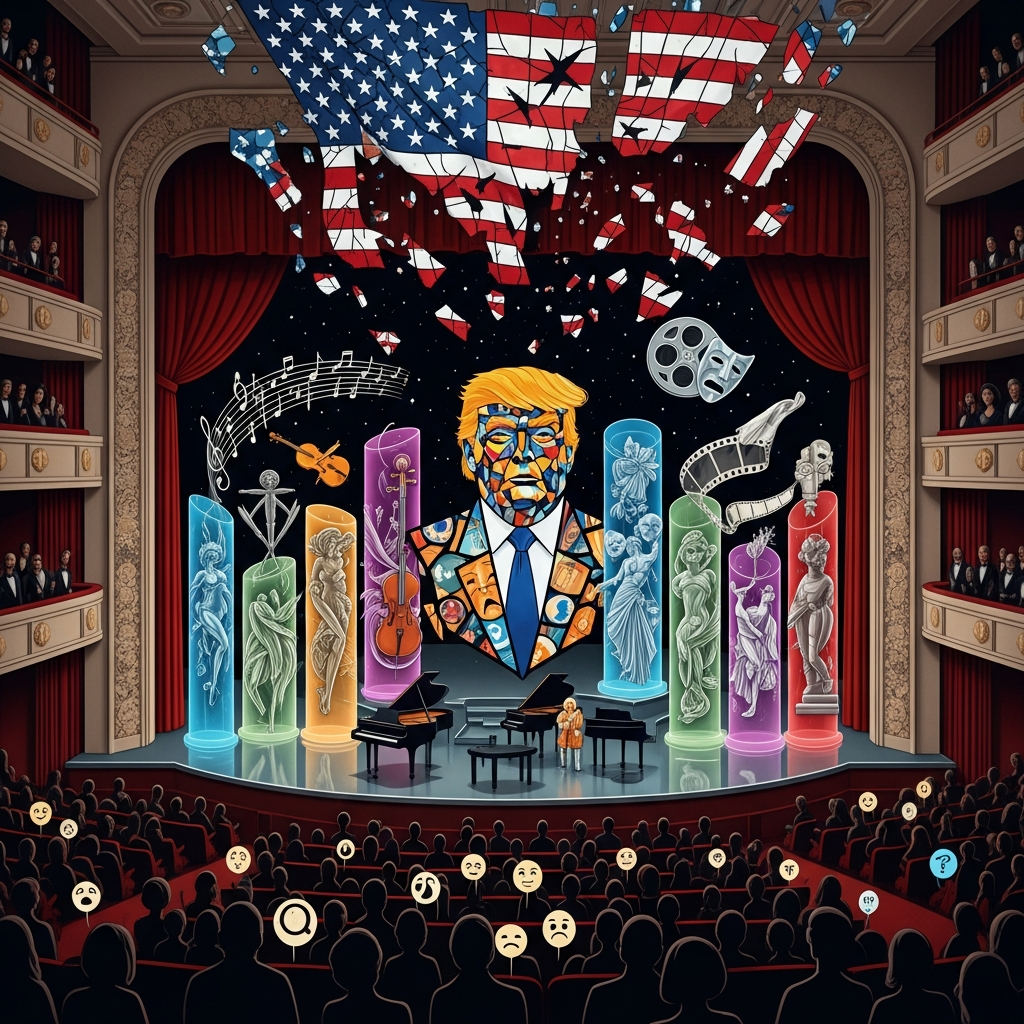
The main event, held at the majestic Kennedy Center Opera House, unfolded as a spectacular showcase of tributes. Renowned performers and public figures took the stage to honor each recipient through performances, anecdotes, and heartfelt testimonials. The gala is a meticulously produced spectacle, designed to immerse the audience in the legacies of the honorees. Every song, dance, and spoken word segment reinforced the theme of enduring artistic contribution.
The evening’s program was crafted to be an immersive experience, allowing the audience to appreciate the profound impact of each honoree. The focus was entirely on artistic excellence. The carefully selected tributes highlighted the profound influence these individuals have had on American culture. This celebratory atmosphere served as a powerful counter-narrative to the often-divisive political headlines of the time, reinforcing the idea that art truly has the capacity to unite.
The Power of Presence: Presidential Acknowledgment
President Trump’s presence at the event, fulfilling the traditional role of host, provided a significant endorsement of the Kennedy Center Honors’ mission. His attendance at both the White House reception and the gala itself conveyed a powerful message: the arts are important enough to warrant presidential acknowledgment, even amidst a turbulent political landscape. This visible participation helped to solidify the event’s status as a national treasure. It showed that, at least for one evening, the highest office in the land was dedicated to celebrating culture. The optics of the Commander-in-Chief honoring artists at such a prestigious event underscored the value placed on creative expression.
Navigating the Cultural-Political Divide
The success of the 2017 Kennedy Center Honors in maintaining its focus on tributes, rather than politics, was a testament to the resilience of cultural institutions. It demonstrated a deliberate effort by all involved to safeguard the non-partisan nature of the awards. Organizers worked diligently to create an environment where artistic merit could shine brightest. This careful balancing act highlighted the crucial role institutions like the Kennedy Center play in fostering national unity. They provide platforms where diverse voices and perspectives can converge under the banner of shared cultural appreciation.
This event served as a case study in how public figures and institutions can consciously choose to elevate culture above political fray. By focusing on common ground – the universal appeal and power of art – they reinforced the idea that cultural celebrations can, and should, remain spaces for collective enjoyment and admiration. It underscored the importance of protecting such spaces from undue political influence.
Beyond the Headlines: The Lasting Impact of Cultural Recognition
The enduring appeal of the Kennedy Center Honors lies in its ability to inspire. By publicly recognizing individuals who have dedicated their lives to artistic excellence, the awards encourage future generations of artists and patrons alike. They reinforce the idea that pursuing creative endeavors is a valuable and respected path. The event also strengthens America’s cultural identity, reminding citizens of the rich tapestry of artistic talent within its borders.
The “tributes, not politics” narrative of 2017 reinforced a vital message: art provides a powerful, often therapeutic, escape from daily anxieties and divisions. It offers a common language and shared experiences that transcend ideological barriers. The recognition bestowed by the Kennedy Center Honors ensures these contributions are etched into the nation’s history, celebrated for their intrinsic value and unifying power. These moments of collective admiration contribute significantly to the national spirit.
Frequently Asked Questions
What is the primary focus of the Kennedy Center Honors?
The Kennedy Center Honors primarily focus on celebrating individuals for their lifetime contributions to American culture through the performing arts. This includes fields like music, dance, theater, opera, and film. The event aims to recognize artistic excellence and the lasting impact these individuals have had on the nation’s cultural landscape. It deliberately emphasizes artistic merit over any political or social affiliations, striving to be a non-partisan tribute to creativity.
Who typically hosts the Kennedy Center Honors, and what is their role?
Traditionally, the President of the United States and the First Lady host a reception at the White House for the honorees prior to the main gala. Their role is to acknowledge the honorees’ significant cultural contributions on behalf of the nation, lending the event a sense of national prestige and importance. This presidential involvement underscores the value placed on the arts within American society, symbolizing a unity of government and culture in celebrating excellence.
Why was the emphasis on “tributes, not politics” particularly significant at this event?
The emphasis on “tributes, not politics” was especially significant for the 2017 Kennedy Center Honors due to the highly polarized political environment of the time. It represented a deliberate effort to create a space where national unity and cultural appreciation could take precedence over partisan divisions. This focus allowed the event to reaffirm the power of art to bridge societal gaps and reminded everyone that shared artistic heritage can be a unifying force, even when political discourse is contentious.
The 2017 Kennedy Center Honors stand as a powerful example of how cultural events can successfully navigate complex political environments. By prioritizing the profound impact of artistic achievement and deliberately fostering an atmosphere of non-partisan celebration, the event upheld its sacred tradition. It demonstrated that even in times of division, the unifying language of art can rise above the din, reminding us of our shared humanity and the enduring legacies that shape our collective story.