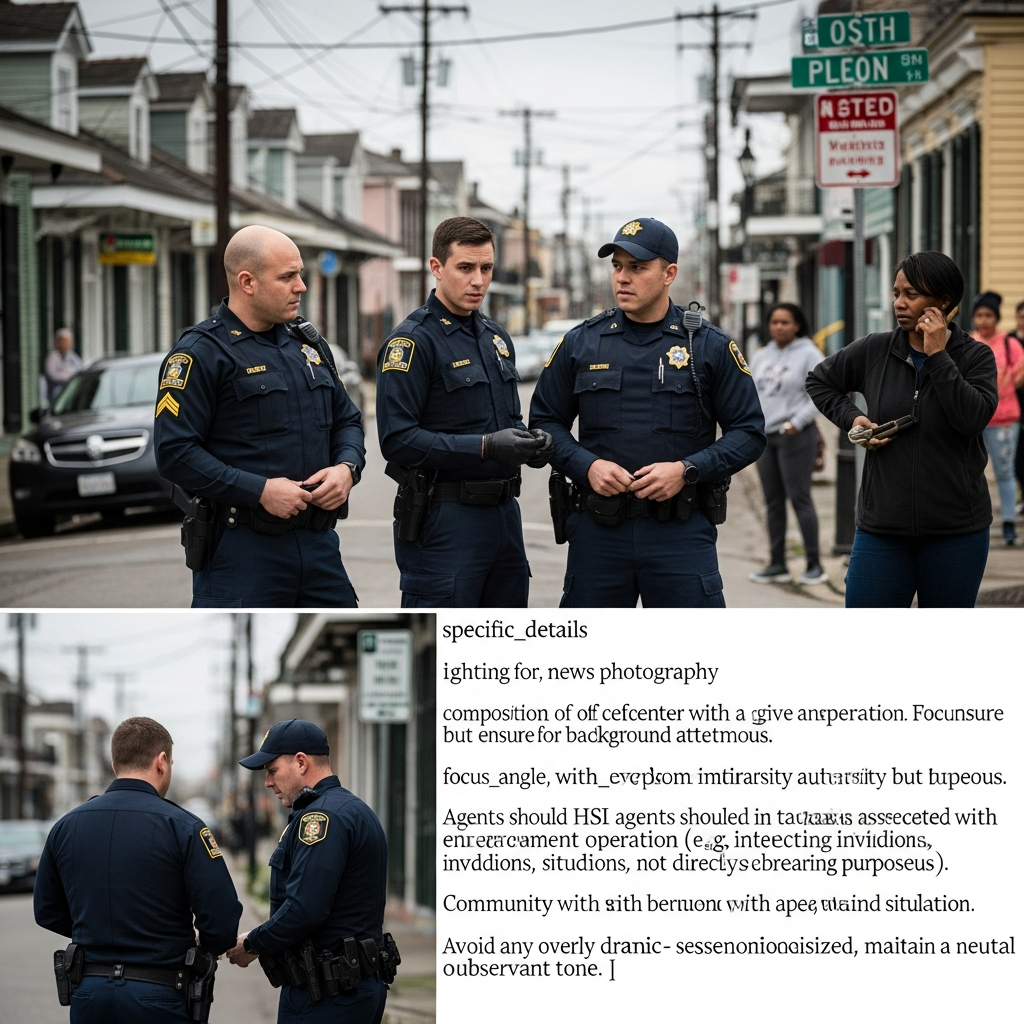
The Department of Homeland Security (DHS) has initiated an immigration enforcement operation in New Orleans, sparking immediate attention and concern within the community. While specific details of the “sting” remain limited, the announcement signals a heightened period of immigration enforcement activity in the region. This operation, often involving agencies like Immigration and Customs Enforcement (ICE) and Homeland Security Investigations (HSI), typically targets individuals suspected of violating immigration laws, potentially leading to arrests, detention, and deportation proceedings.
For residents and advocates in New Orleans, understanding the implications of such an operation is crucial. Immigration stings can encompass a range of tactics, from targeted arrests in homes and workplaces to increased scrutiny in public areas. The city, known for its diverse population and vibrant cultural tapestry, now faces the potential for widespread uncertainty among its immigrant communities.
Understanding DHS Immigration Operations
A “DHS immigration sting” is a broad term for targeted enforcement actions conducted by various components of the Department of Homeland Security. These operations aim to identify, apprehend, and process individuals who are in the country without authorization or who have violated the terms of their visas. The scale and focus of these operations can vary significantly.
Common Tactics in Immigration Enforcement
Immigration enforcement agencies employ several tactics during such operations. These might include:
Workplace Raids: Officials may visit businesses suspected of employing undocumented workers, leading to mass arrests.
Targeted Home Arrests: Based on intelligence, officers may apprehend specific individuals at their residences.
Traffic Stops and Checkpoints: Though less common in recent years, these can also lead to immigration arrests if individuals are found to be in violation.
Interviews and Questioning: Officers may approach individuals in public places to ascertain their immigration status.
These operations are often planned with a specific objective, such as disrupting criminal networks, apprehending individuals with outstanding deportation orders, or enforcing employer compliance with immigration laws. The nature of the current sting in New Orleans, however, has not been fully disclosed by DHS, leaving many to speculate about its precise focus.
Why New Orleans? Local Context and Impact
New Orleans, like many other urban centers, has a significant immigrant population that contributes greatly to its economy and culture. The city’s post-Katrina rebuilding efforts, in particular, saw a substantial influx of immigrant labor. This demographic reality often makes cities like New Orleans points of interest for federal immigration enforcement.
An immigration sting can have far-reaching effects on a local community. Beyond the direct impact on those arrested, there is often an increase in fear and anxiety among immigrant families, regardless of their legal status. This can lead to:
Reduced Trust: Diminished trust between immigrant communities and law enforcement agencies.
Economic Disruption: Impacts on local businesses, especially those reliant on immigrant labor.
Social Fragmentation: Fear can lead to people withdrawing from public life, affecting school attendance, healthcare access, and community engagement.
The specific reasons behind choosing New Orleans for this particular operation are likely multifaceted. They could stem from intelligence gathered about specific individuals or groups, a focus on particular industries, or broader policy shifts in immigration enforcement priorities.
Know Your Rights: Essential Information for Immigrants
During any interaction with immigration officials, knowing and asserting your rights is paramount. Understanding these protections can significantly impact the outcome of an encounter. Legal experts consistently advise immigrants to be aware of their constitutional rights, regardless of their immigration status.
Your Rights During an Encounter
If you encounter immigration officials (ICE, HSI, CBP, Border Patrol, etc.), remember these key rights:
Right to Remain Silent: You are not required to answer questions about your immigration status, nationality, or how you entered the country. You can simply state, “I wish to remain silent.”
Do Not Open Your Door Without a Warrant: Officials generally need a warrant signed by a judge to enter your home. They cannot force entry without one. If they claim to have a warrant, ask them to slide it under the door or hold it up to a window for inspection. A warrant for arrest is different from a search warrant.
Do Not Sign Anything: Do not sign any documents without consulting an attorney. Signing documents can waive your rights or lead to voluntary deportation.
You Have the Right to an Attorney: If you are arrested, state clearly that you wish to speak with an attorney.
Record the Encounter (if safe): If you are in a public place, you generally have the right to record law enforcement officers, but do not interfere with their operations.
Carry Identification, but Not False Documents: Always carry valid identification, but never carry false documents.
It’s critical to note that these rights apply to everyone in the United States, citizens and non-citizens alike. Remaining calm and assertive while exercising your rights is crucial.
Seeking Legal Assistance and Community Support
Following an immigration enforcement action, access to reliable legal counsel and community support becomes vital. Several organizations in New Orleans and across Louisiana are dedicated to providing assistance to immigrants.
Resources for Affected Individuals
Immigration Lawyers: Seek out attorneys specializing in immigration law. They can advise on deportation defense, asylum claims, and other legal pathways.
Non-Profit Legal Aid Organizations: Many non-profits offer free or low-cost legal services to immigrants. These organizations often have deep connections within the community and understand local issues.
Community Advocacy Groups: Local groups often provide ‘know your rights’ workshops, rapid response networks, and emotional support for families affected by enforcement actions.
- Consulates: If you are a foreign national, your country’s consulate can provide certain forms of assistance, though not legal representation in U.S. courts.
It is advisable to create an emergency plan with your family, including designating a trusted contact person, compiling important documents, and knowing how to access legal help. This preparedness can significantly reduce distress should an enforcement action occur.
The Broader Landscape of Immigration Enforcement
The recent DHS operation in New Orleans is part of a broader, ongoing federal effort to enforce immigration laws across the United States. Enforcement priorities can shift based on political administrations and national security concerns. Generally, priorities often include individuals with criminal convictions, those who pose a national security risk, or recent border crossers.
However, the definition of these priorities can be wide-ranging, and anyone without legal status can technically be subject to apprehension. The current political climate often sees cycles of increased enforcement, followed by periods of adjustment or reform proposals. These operations are a stark reminder of the complexities and human impact of immigration policies.
Frequently Asked Questions
What typically happens during a DHS immigration sting operation?
A DHS immigration sting typically involves coordinated efforts by agencies like ICE or HSI to apprehend individuals violating immigration laws. This can include targeted arrests at homes or workplaces, sometimes based on intelligence regarding outstanding deportation orders or suspected illegal employment. Individuals apprehended are usually transported to detention centers, processed, and then enter deportation proceedings. The primary goal is to enforce federal immigration statutes, but the specific focus can vary from disrupting criminal networks to broader efforts to increase deportations.
Where can immigrants find legal assistance in New Orleans after an enforcement action?
Immigrants in New Orleans seeking legal assistance after an enforcement action can turn to several resources. Non-profit legal aid organizations specializing in immigration law, such as the New Orleans Workers’ Center for Racial Justice (NOWCRJ) or Catholic Charities Archdiocese of New Orleans, often provide free or low-cost services. Additionally, private immigration attorneys in the Greater New Orleans area are available for consultations and representation. It’s crucial to seek counsel promptly to understand rights and available legal options.
What are the essential rights immigrants should know during an encounter with immigration officials?
During an encounter with immigration officials, immigrants should remember key constitutional rights. You have the right to remain silent and are not obligated to answer questions about your immigration status. You should not open your door to officials without a warrant signed by a judge. If arrested, you have the right to speak with an attorney and should explicitly state this desire. Do not sign any documents without understanding them fully and ideally, without legal counsel, as signing can have significant consequences for your case.
Conclusion
The DHS immigration sting in New Orleans underscores the dynamic and often challenging landscape of immigration in the United States. While the full scope of this operation is still unfolding, its launch serves as a potent reminder of the importance of community awareness, legal preparedness, and advocacy. For those in New Orleans and beyond, understanding one’s rights and knowing where to find support is more critical than ever. Remaining informed and connected to reliable resources can help navigate these uncertain times and ensure that vulnerable populations receive the protection and assistance they need.