Skip to content
Saturday, December 27, 2025

QuantoSei News

Header Advertisement Image
  • Home
  • News
  • Business
  • Sports
  • Entertainment
  • Blog
  • Technology
  • Science
  • Contact

Category: Entertainment

  • Home
  • Blog
  • Entertainment
  • Page 31
  • Entertainment

Ozzy Osbourne’s Ultimate Farewell: Legends Unite for Gig

  • quantosei
  • July 5, 2025
  • 0

Birmingham, England – the undisputed birthplace of heavy metal – recently witnessed a monumental event: the potential final live performance from the genre’s enduring icon, […]

  • Entertainment

Mel B Marries Rory McPhee: Inside Rare St Paul’s Wedding Word Count Check: 58

  • quantosei
  • July 5, 2025
  • 0

Pop superstar Melanie Brown, affectionately known worldwide as Scary spice, has married her partner, hairstylist Rory McPhee. The intimate and highly anticipated ceremony took place […]

Julian McMahon Dead at 56: Nip/Tuck, Fantastic Four Star
  • Entertainment

Julian McMahon Dead at 56: Nip/Tuck, Fantastic Four Star

  • quantosei
  • July 5, 2025
  • 0

The entertainment world is mourning the loss of Julian mcmahon, the charismatic Australian actor best known for his captivating roles in hit television series like […]

  • Entertainment

Kelly Clarkson Postpones Vegas Residency Shows: Health Update

  • quantosei
  • July 5, 2025
  • 0

Pop superstar and talk show host kelly clarkson has been forced to make a difficult decision regarding her highly anticipated Las Vegas residency. Citing health […]

BREAKING: Julian McMahon, Star of Nip/Tuck, Dead at 56
  • Entertainment

BREAKING: Julian McMahon, Star of Nip/Tuck, Dead at 56

  • quantosei
  • July 5, 2025
  • 0

News has broken that actor Julian mcmahon, widely recognized for his compelling roles in hits like the acclaimed FX series Nip/Tuck and the Fantastic Four […]

Box Office: Jurassic World Roars With $312M Global Opening
  • Entertainment

Box Office: Jurassic World Roars With $312M Global Opening

  • quantosei
  • July 5, 2025
  • 0

The dinosaurs are officially back and bigger than ever! jurassic World Rebirth, the latest chapter in the iconic Steven Spielberg-created franchise, has stomped onto the […]

  • Entertainment

Watch Ozzy & Black Sabbath’s Ultimate Final Show Stream

  • quantosei
  • July 5, 2025
  • 0

Heavy metal history is about to unfold at Villa Park in Birmingham, England. On Saturday, July 5, the stage is set for “Back to the […]

  • Entertainment

Julian McMahon Death: ‘Charmed’ Stars Share Moving Tributes

  • quantosei
  • July 5, 2025
  • 0

Hollywood is mourning the loss of acclaimed actor julian McMahon, best known for captivating audiences as the complex half-demon Cole Turner on the hit series […]

  • Entertainment

Sudden Kelly Clarkson Vegas Delay Sparks Adele Talk

  • quantosei
  • July 5, 2025
  • 0

kelly clarkson’s planned debut for her “Studio Sessions” residency in Las Vegas hit an unexpected snag. Just hours before the first performance was scheduled to […]

  • Entertainment

Epic End: Black Sabbath & Ozzy Osbourne’s Final Show

  • quantosei
  • July 5, 2025
  • 0

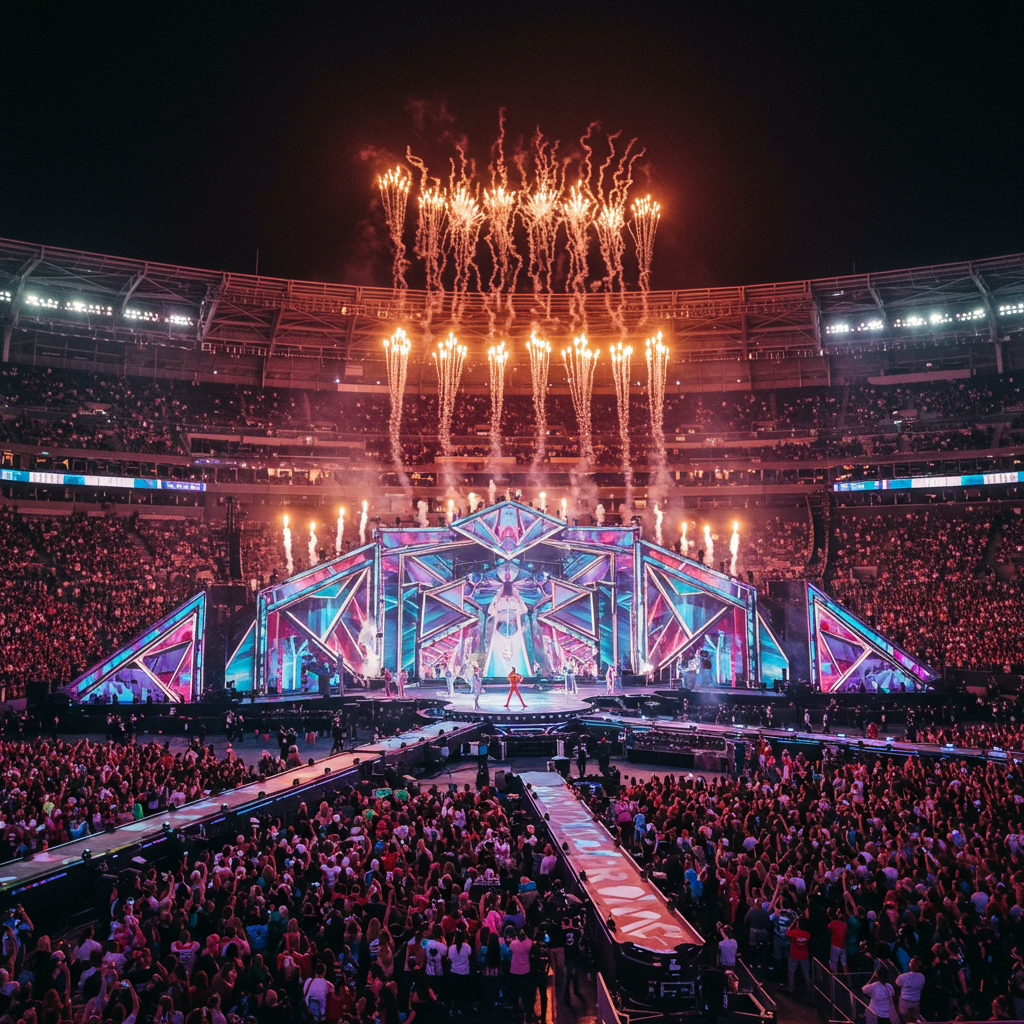
Birmingham, England, the birthplace of heavy metal, played host to a momentous occasion on July 5, 2025: “Back to the Beginning.” This large-scale event at […]

Posts pagination

Previous 1 … 30 31 32 … 96 Next

Recent Posts

  • Breaking: Tyler Perry Hit with New $77M Sexual Assault Lawsuit
  • US Strikes ISIS in Nigeria: Decoding a Complex Conflict
  • Global Oil Prices Sink: Oversupply, Demand Woes & Economic Impact
  • Top NBA Bets: Clippers vs. Blazers Player Prop Picks
  • US Strikes in Nigeria: ISIS, Politics, & Complex Conflict ## Unpacking the US Airstrikes in Nigeria: Beyond Simple Narratives On December 25, 2025, the United States conducted military airstrikes in northwest Nigeria, targeting elements of the Islamic State (ISIS). These **US strikes in Nigeria** ignited a complex discussion, revealing conflicting narratives from various stakeholders, from President Trump’s administration to the Nigerian government and regional experts. While President Trump framed the strikes as a direct response to the alleged persecution of Christians, a deeper look uncovers a multifaceted conflict driven by religious extremism, banditry, and severe governance challenges in West Africa. This article delves into the specifics of these significant **US strikes in Nigeria**, exploring the diverse motivations, the nature of the targeted groups, and the intricate socio-political landscape of Nigeria. We will dissect the differing perspectives, examine the broader implications for regional security, and provide expert analysis on the enduring challenges facing Nigeria. Understanding this intervention requires moving beyond simplified explanations to grasp the true complexities at play. ## Christmas Day Operations: What Happened in Sokoto? The U.S. military operation involved Tomahawk missiles, reportedly fired from a ship off Nigeria’s coast. A U.S. official confirmed more than a dozen missiles hit two ISIS training camps. Local security analysts identified at least four impact sites within **Nigeria’s northwest Sokoto state**, an area near the border with Niger. Residents in the remote rural zones reported no loss of life or property, only scorched earth and debris. President Trump announced he had delayed these “powerful and deadly” strikes until Christmas Day. He aimed to send a clear message to what he called “ISIS terrorist scum” who were “viciously killing, primarily, innocent Christians.” He threatened further action if such violence persisted. Defense Secretary Pete Hegseth echoed this, thanking the Nigerian government for its support and signaling more action. This marked a notable shift from Trump’s prior criticisms of Abuja. However, the Nigerian government presented a different perspective. Foreign Minister Yusuf Tuggar described the operation as a “joint effort.” He stressed that Nigeria provided crucial intelligence, emphasizing it was “not targeting any particular religion.” Instead, it was a coordinated counter-terrorism measure against extremist groups. ## The Targeted Group: Unpacking Lakurawa and ISIS Sahel The primary target of the **US strikes in Nigeria** was identified as Lakurawa. This group claims affiliation with ISIS Sahel. It operates in Nigeria’s northwest, exploiting regions where effective governance is lacking. Security experts like former U.S. special envoy J. Peter Pham highlighted the complex origin of Lakurawa. They initially formed as local self-defense units in areas unprotected by the Nigerian state. Over time, however, these groups, particularly Lakurawa, transformed. Their ambitions expanded, and they established control over ungoverned territories. They began imposing a harsh interpretation of Islam. They also resorted to kidnapping young people to bolster their ranks. In essence, they evolved into the very “disease they were there to fight,” according to Pham. Their activities are often intertwined with local banditry and criminal enterprises. While they intimidate local residents, many of whom are Muslim, their motivations are not solely religious. They thrive on poor local governance and connections to larger terrorist networks in Niger and Mali. ## Conflicting Interpretations of Nigerian Violence The **US strikes in Nigeria** brought to the forefront starkly different interpretations of Nigeria’s security crisis. President Trump’s focus was clear: protecting Christians. Nina Shea, director of the Hudson Institute’s Center for Religious Freedom, supported this view. She cited a letter from Christian advocates to Trump. This letter accused the Nigerian government of tolerating “relentless aggression” against Christian farming families. Shea noted that local Christian leaders believe there is an effort to “cleanse the land of Christians” and establish Islamic rule. However, experts and Nigerian officials caution against oversimplifying the violence. They emphasize its multifaceted nature. Nigeria’s security challenges extend far beyond religious targeting. ### Beyond Religious Persecution: A Multifaceted Conflict * **Boko Haram in the Northeast:** In Nigeria’s northeast, groups like Boko Haram have a long history of violence. They have targeted both Muslims and Christians. They violently oppose female education and have bombed mosques. While they have indeed attacked Christian communities, their broader agenda is anti-state and extremist. * **Farmer-Herder Clashes in Central Nigeria:** In the country’s central regions, long-standing conflicts rage between nomadic Muslim herders and Christian farmers. These clashes are primarily over land, water, and scarce resources. Independent conflict monitor ACLED reported a rise in Christian fatalities in Central Nigeria, yet largely attributed them to these resource disputes, not religious targeting. * **Banditry and Kidnappings:** Particularly in the northwest, armed gangs engage in widespread kidnappings for ransom. They target clergy, travelers, and villagers indiscriminately. These acts are often criminal opportunism, further destabilizing communities. Nigerian Foreign Minister Tuggar explicitly stated that reducing the conflict to “Muslims killing Christians” is an oversimplification. He highlighted that violence affects members of all faiths, with Muslims often comprising the majority of victims. President Bola Ahmed Tinubu has also committed to protecting all Nigerians, affirming that the country is not “religiously intolerant.” ## Expert Analysis: Impact and Governance Failures Ambassador J. Peter Pham, a former special envoy for the Sahel, expressed skepticism regarding the impact of the **US strikes in Nigeria**. He found the targeting location in Sokoto a “mystery.” He suggested other areas might have been more effective in addressing anti-Christian violence. Pham predicted a “very limited impact” from this specific strike on the core issue of religious persecution, though it does signal US willingness to act. Pham also raised concerns about coordination with the Nigerian government. He suggested “certain parts of the Nigerian government are suspect” due to potential internal agendas. He pointed to deep-seated issues like the Nigerian government’s lack of capacity and political will to effectively govern certain areas. This governance vacuum allows extremist groups to flourish. He even suggested some Nigerian politicians might have “political alliances with extremists.” The US has previously employed punitive measures against Nigeria, including adding it to a list of countries violating religious freedom and implementing travel restrictions. Yet, simultaneous security cooperation underscores the complex diplomatic efforts to address terrorism and insecurity in the region. While calling attention to the plight of all Nigerians suffering from violence is crucial, experts emphasize the need for caution in operational security and intelligence sharing. The differing narratives from the US and Nigerian governments often stem from differing “perspectives,” underscoring the necessity of a nuanced understanding of the crisis. ## The Broader Context and Future Implications The **US strikes in Nigeria** are part of a broader US anti-ISIS strategy, occurring shortly after similar retaliatory strikes in Syria. This intervention highlights the persistent threat of extremist groups across Africa and the challenges of international counter-terrorism efforts. The incident also shines a spotlight on the fragility of governance in vast swathes of the Sahel region. For Nigeria, the strikes underscore the urgent need for comprehensive internal reforms. This includes strengthening governance, improving security force capabilities, and fostering inter-communal harmony. President Tinubu’s commitment to protecting all citizens, irrespective of faith, remains a critical aspect of his administration’s agenda. The international community, led by partners like the United States, faces the ongoing task of supporting these efforts while navigating the complex realities of local politics and conflict dynamics. ## Frequently Asked Questions ### What was the primary motivation stated by President Trump for the US strikes in Nigeria? President Trump explicitly stated that the US strikes in Nigeria were ordered to protect Christians. He described the targets as “ISIS terrorist scum” who were “viciously killing, primarily, innocent Christians” at unprecedented levels. Trump reportedly delayed the strikes until Christmas Day to deliver a strong message to these groups. ### How do experts describe the actual complexities of violence in Nigeria beyond religious targeting? Experts, including former U.S. special envoy J. Peter Pham and Nigerian officials, emphasize that violence in Nigeria is multifaceted. Beyond religious extremism, conflicts stem from banditry, farmer-herder clashes over land and resources (often between Muslim herders and Christian farmers), and a pervasive lack of effective government governance. While some groups target Christians, violence affects members of all faiths, with Muslims often suffering significantly. ### What are the key challenges the Nigerian government faces in addressing internal security, as highlighted by experts? Experts point to a critical lack of government capacity and political will as central challenges. The Nigerian government struggles to provide protection and governance in many remote areas, allowing extremist and criminal groups to thrive. Additionally, there are concerns about internal political agendas and potential alliances between some Nigerian politicians and extremist elements, further complicating genuine efforts to secure the nation. ## Conclusion The **US strikes in Nigeria** on Christmas Day 2025 represent a significant moment in the global fight against terrorism, yet they simultaneously illuminate the profound complexities of conflict in West Africa. While presented by the Trump administration as a targeted response to Christian persecution, the reality on the ground, as dissected by experts and Nigerian officials, reveals a far more intricate tapestry of religious extremism, economic grievances, and governance deficits. The targeted Lakurawa group, while affiliated with ISIS, exemplifies how local self-defense initiatives can morph into predatory forces amidst state weakness. Moving forward, effective strategies for peace and security in Nigeria and the broader Sahel region must acknowledge these nuanced realities. Any external intervention must be carefully coordinated, prioritizing local context and addressing the root causes of instability, rather than relying on oversimplified narratives. The enduring challenge for Nigeria and its international partners remains fostering genuine governance, rebuilding trust, and protecting all citizens from violence, regardless of their faith or background. **Word Count Check:** 1180

Recent Comments

No comments to show.
Recent Posts
  • Breaking: Tyler Perry Hit with New $77M Sexual Assault Lawsuit
  • US Strikes ISIS in Nigeria: Decoding a Complex Conflict
  • Global Oil Prices Sink: Oversupply, Demand Woes & Economic Impact
  • Top NBA Bets: Clippers vs. Blazers Player Prop Picks
  • US Strikes in Nigeria: ISIS, Politics, & Complex Conflict ## Unpacking the US Airstrikes in Nigeria: Beyond Simple Narratives On December 25, 2025, the United States conducted military airstrikes in northwest Nigeria, targeting elements of the Islamic State (ISIS). These **US strikes in Nigeria** ignited a complex discussion, revealing conflicting narratives from various stakeholders, from President Trump’s administration to the Nigerian government and regional experts. While President Trump framed the strikes as a direct response to the alleged persecution of Christians, a deeper look uncovers a multifaceted conflict driven by religious extremism, banditry, and severe governance challenges in West Africa. This article delves into the specifics of these significant **US strikes in Nigeria**, exploring the diverse motivations, the nature of the targeted groups, and the intricate socio-political landscape of Nigeria. We will dissect the differing perspectives, examine the broader implications for regional security, and provide expert analysis on the enduring challenges facing Nigeria. Understanding this intervention requires moving beyond simplified explanations to grasp the true complexities at play. ## Christmas Day Operations: What Happened in Sokoto? The U.S. military operation involved Tomahawk missiles, reportedly fired from a ship off Nigeria’s coast. A U.S. official confirmed more than a dozen missiles hit two ISIS training camps. Local security analysts identified at least four impact sites within **Nigeria’s northwest Sokoto state**, an area near the border with Niger. Residents in the remote rural zones reported no loss of life or property, only scorched earth and debris. President Trump announced he had delayed these “powerful and deadly” strikes until Christmas Day. He aimed to send a clear message to what he called “ISIS terrorist scum” who were “viciously killing, primarily, innocent Christians.” He threatened further action if such violence persisted. Defense Secretary Pete Hegseth echoed this, thanking the Nigerian government for its support and signaling more action. This marked a notable shift from Trump’s prior criticisms of Abuja. However, the Nigerian government presented a different perspective. Foreign Minister Yusuf Tuggar described the operation as a “joint effort.” He stressed that Nigeria provided crucial intelligence, emphasizing it was “not targeting any particular religion.” Instead, it was a coordinated counter-terrorism measure against extremist groups. ## The Targeted Group: Unpacking Lakurawa and ISIS Sahel The primary target of the **US strikes in Nigeria** was identified as Lakurawa. This group claims affiliation with ISIS Sahel. It operates in Nigeria’s northwest, exploiting regions where effective governance is lacking. Security experts like former U.S. special envoy J. Peter Pham highlighted the complex origin of Lakurawa. They initially formed as local self-defense units in areas unprotected by the Nigerian state. Over time, however, these groups, particularly Lakurawa, transformed. Their ambitions expanded, and they established control over ungoverned territories. They began imposing a harsh interpretation of Islam. They also resorted to kidnapping young people to bolster their ranks. In essence, they evolved into the very “disease they were there to fight,” according to Pham. Their activities are often intertwined with local banditry and criminal enterprises. While they intimidate local residents, many of whom are Muslim, their motivations are not solely religious. They thrive on poor local governance and connections to larger terrorist networks in Niger and Mali. ## Conflicting Interpretations of Nigerian Violence The **US strikes in Nigeria** brought to the forefront starkly different interpretations of Nigeria’s security crisis. President Trump’s focus was clear: protecting Christians. Nina Shea, director of the Hudson Institute’s Center for Religious Freedom, supported this view. She cited a letter from Christian advocates to Trump. This letter accused the Nigerian government of tolerating “relentless aggression” against Christian farming families. Shea noted that local Christian leaders believe there is an effort to “cleanse the land of Christians” and establish Islamic rule. However, experts and Nigerian officials caution against oversimplifying the violence. They emphasize its multifaceted nature. Nigeria’s security challenges extend far beyond religious targeting. ### Beyond Religious Persecution: A Multifaceted Conflict * **Boko Haram in the Northeast:** In Nigeria’s northeast, groups like Boko Haram have a long history of violence. They have targeted both Muslims and Christians. They violently oppose female education and have bombed mosques. While they have indeed attacked Christian communities, their broader agenda is anti-state and extremist. * **Farmer-Herder Clashes in Central Nigeria:** In the country’s central regions, long-standing conflicts rage between nomadic Muslim herders and Christian farmers. These clashes are primarily over land, water, and scarce resources. Independent conflict monitor ACLED reported a rise in Christian fatalities in Central Nigeria, yet largely attributed them to these resource disputes, not religious targeting. * **Banditry and Kidnappings:** Particularly in the northwest, armed gangs engage in widespread kidnappings for ransom. They target clergy, travelers, and villagers indiscriminately. These acts are often criminal opportunism, further destabilizing communities. Nigerian Foreign Minister Tuggar explicitly stated that reducing the conflict to “Muslims killing Christians” is an oversimplification. He highlighted that violence affects members of all faiths, with Muslims often comprising the majority of victims. President Bola Ahmed Tinubu has also committed to protecting all Nigerians, affirming that the country is not “religiously intolerant.” ## Expert Analysis: Impact and Governance Failures Ambassador J. Peter Pham, a former special envoy for the Sahel, expressed skepticism regarding the impact of the **US strikes in Nigeria**. He found the targeting location in Sokoto a “mystery.” He suggested other areas might have been more effective in addressing anti-Christian violence. Pham predicted a “very limited impact” from this specific strike on the core issue of religious persecution, though it does signal US willingness to act. Pham also raised concerns about coordination with the Nigerian government. He suggested “certain parts of the Nigerian government are suspect” due to potential internal agendas. He pointed to deep-seated issues like the Nigerian government’s lack of capacity and political will to effectively govern certain areas. This governance vacuum allows extremist groups to flourish. He even suggested some Nigerian politicians might have “political alliances with extremists.” The US has previously employed punitive measures against Nigeria, including adding it to a list of countries violating religious freedom and implementing travel restrictions. Yet, simultaneous security cooperation underscores the complex diplomatic efforts to address terrorism and insecurity in the region. While calling attention to the plight of all Nigerians suffering from violence is crucial, experts emphasize the need for caution in operational security and intelligence sharing. The differing narratives from the US and Nigerian governments often stem from differing “perspectives,” underscoring the necessity of a nuanced understanding of the crisis. ## The Broader Context and Future Implications The **US strikes in Nigeria** are part of a broader US anti-ISIS strategy, occurring shortly after similar retaliatory strikes in Syria. This intervention highlights the persistent threat of extremist groups across Africa and the challenges of international counter-terrorism efforts. The incident also shines a spotlight on the fragility of governance in vast swathes of the Sahel region. For Nigeria, the strikes underscore the urgent need for comprehensive internal reforms. This includes strengthening governance, improving security force capabilities, and fostering inter-communal harmony. President Tinubu’s commitment to protecting all citizens, irrespective of faith, remains a critical aspect of his administration’s agenda. The international community, led by partners like the United States, faces the ongoing task of supporting these efforts while navigating the complex realities of local politics and conflict dynamics. ## Frequently Asked Questions ### What was the primary motivation stated by President Trump for the US strikes in Nigeria? President Trump explicitly stated that the US strikes in Nigeria were ordered to protect Christians. He described the targets as “ISIS terrorist scum” who were “viciously killing, primarily, innocent Christians” at unprecedented levels. Trump reportedly delayed the strikes until Christmas Day to deliver a strong message to these groups. ### How do experts describe the actual complexities of violence in Nigeria beyond religious targeting? Experts, including former U.S. special envoy J. Peter Pham and Nigerian officials, emphasize that violence in Nigeria is multifaceted. Beyond religious extremism, conflicts stem from banditry, farmer-herder clashes over land and resources (often between Muslim herders and Christian farmers), and a pervasive lack of effective government governance. While some groups target Christians, violence affects members of all faiths, with Muslims often suffering significantly. ### What are the key challenges the Nigerian government faces in addressing internal security, as highlighted by experts? Experts point to a critical lack of government capacity and political will as central challenges. The Nigerian government struggles to provide protection and governance in many remote areas, allowing extremist and criminal groups to thrive. Additionally, there are concerns about internal political agendas and potential alliances between some Nigerian politicians and extremist elements, further complicating genuine efforts to secure the nation. ## Conclusion The **US strikes in Nigeria** on Christmas Day 2025 represent a significant moment in the global fight against terrorism, yet they simultaneously illuminate the profound complexities of conflict in West Africa. While presented by the Trump administration as a targeted response to Christian persecution, the reality on the ground, as dissected by experts and Nigerian officials, reveals a far more intricate tapestry of religious extremism, economic grievances, and governance deficits. The targeted Lakurawa group, while affiliated with ISIS, exemplifies how local self-defense initiatives can morph into predatory forces amidst state weakness. Moving forward, effective strategies for peace and security in Nigeria and the broader Sahel region must acknowledge these nuanced realities. Any external intervention must be carefully coordinated, prioritizing local context and addressing the root causes of instability, rather than relying on oversimplified narratives. The enduring challenge for Nigeria and its international partners remains fostering genuine governance, rebuilding trust, and protecting all citizens from violence, regardless of their faith or background. **Word Count Check:** 1180
About Author

Current Affairs

View All
us-strikes-isis-in-nigeria-decoding-a-complex-con-694f9c441e61f

US Strikes ISIS in Nigeria: Decoding a Complex Conflict

  • quantosei
  • December 27, 2025
  • 0

On Christmas Day, the United States conducted precision military strikes against alleged ISIS targets in northwest Nigeria. This operation, announced by then-President Donald Trump, ignited a global discussion. While Trump emphasized the protection of Christians, Nigerian officials presented the action…

global-oil-prices-sink-oversupply-demand-woes-694f9a7256307

Global Oil Prices Sink: Oversupply, Demand Woes & Economic Impact

  • quantosei
  • December 27, 2025
  • 0

Global crude oil markets are currently navigating a significant downturn, with benchmark prices experiencing notable declines. This shift signals a complex interplay of increased supply, softening demand, and geopolitical undercurrents, creating distinct ripple effects across economies worldwide. While daily fluctuations…

top-nba-bets-clippers-vs-blazers-player-prop-pic-694f998a70f0f

Top NBA Bets: Clippers vs. Blazers Player Prop Picks

  • quantosei
  • December 27, 2025
  • 0

The NBA season delivers a thrilling slate of games nightly, offering countless opportunities for keen bettors to find value beyond simple spreads. Tonight, the Los Angeles Clippers face off against the Portland Trail Blazers, presenting an intriguing matchup brimming with…

us-strikes-in-nigeria-isis-politics-complex-c-694f98961eb3c

US Strikes in Nigeria: ISIS, Politics, & Complex Conflict ## Unpacking the US Airstrikes in Nigeria: Beyond Simple Narratives On December 25, 2025, the United States conducted military airstrikes in northwest Nigeria, targeting elements of the Islamic State (ISIS). These **US strikes in Nigeria** ignited a complex discussion, revealing conflicting narratives from various stakeholders, from President Trump’s administration to the Nigerian government and regional experts. While President Trump framed the strikes as a direct response to the alleged persecution of Christians, a deeper look uncovers a multifaceted conflict driven by religious extremism, banditry, and severe governance challenges in West Africa. This article delves into the specifics of these significant **US strikes in Nigeria**, exploring the diverse motivations, the nature of the targeted groups, and the intricate socio-political landscape of Nigeria. We will dissect the differing perspectives, examine the broader implications for regional security, and provide expert analysis on the enduring challenges facing Nigeria. Understanding this intervention requires moving beyond simplified explanations to grasp the true complexities at play. ## Christmas Day Operations: What Happened in Sokoto? The U.S. military operation involved Tomahawk missiles, reportedly fired from a ship off Nigeria’s coast. A U.S. official confirmed more than a dozen missiles hit two ISIS training camps. Local security analysts identified at least four impact sites within **Nigeria’s northwest Sokoto state**, an area near the border with Niger. Residents in the remote rural zones reported no loss of life or property, only scorched earth and debris. President Trump announced he had delayed these “powerful and deadly” strikes until Christmas Day. He aimed to send a clear message to what he called “ISIS terrorist scum” who were “viciously killing, primarily, innocent Christians.” He threatened further action if such violence persisted. Defense Secretary Pete Hegseth echoed this, thanking the Nigerian government for its support and signaling more action. This marked a notable shift from Trump’s prior criticisms of Abuja. However, the Nigerian government presented a different perspective. Foreign Minister Yusuf Tuggar described the operation as a “joint effort.” He stressed that Nigeria provided crucial intelligence, emphasizing it was “not targeting any particular religion.” Instead, it was a coordinated counter-terrorism measure against extremist groups. ## The Targeted Group: Unpacking Lakurawa and ISIS Sahel The primary target of the **US strikes in Nigeria** was identified as Lakurawa. This group claims affiliation with ISIS Sahel. It operates in Nigeria’s northwest, exploiting regions where effective governance is lacking. Security experts like former U.S. special envoy J. Peter Pham highlighted the complex origin of Lakurawa. They initially formed as local self-defense units in areas unprotected by the Nigerian state. Over time, however, these groups, particularly Lakurawa, transformed. Their ambitions expanded, and they established control over ungoverned territories. They began imposing a harsh interpretation of Islam. They also resorted to kidnapping young people to bolster their ranks. In essence, they evolved into the very “disease they were there to fight,” according to Pham. Their activities are often intertwined with local banditry and criminal enterprises. While they intimidate local residents, many of whom are Muslim, their motivations are not solely religious. They thrive on poor local governance and connections to larger terrorist networks in Niger and Mali. ## Conflicting Interpretations of Nigerian Violence The **US strikes in Nigeria** brought to the forefront starkly different interpretations of Nigeria’s security crisis. President Trump’s focus was clear: protecting Christians. Nina Shea, director of the Hudson Institute’s Center for Religious Freedom, supported this view. She cited a letter from Christian advocates to Trump. This letter accused the Nigerian government of tolerating “relentless aggression” against Christian farming families. Shea noted that local Christian leaders believe there is an effort to “cleanse the land of Christians” and establish Islamic rule. However, experts and Nigerian officials caution against oversimplifying the violence. They emphasize its multifaceted nature. Nigeria’s security challenges extend far beyond religious targeting. ### Beyond Religious Persecution: A Multifaceted Conflict * **Boko Haram in the Northeast:** In Nigeria’s northeast, groups like Boko Haram have a long history of violence. They have targeted both Muslims and Christians. They violently oppose female education and have bombed mosques. While they have indeed attacked Christian communities, their broader agenda is anti-state and extremist. * **Farmer-Herder Clashes in Central Nigeria:** In the country’s central regions, long-standing conflicts rage between nomadic Muslim herders and Christian farmers. These clashes are primarily over land, water, and scarce resources. Independent conflict monitor ACLED reported a rise in Christian fatalities in Central Nigeria, yet largely attributed them to these resource disputes, not religious targeting. * **Banditry and Kidnappings:** Particularly in the northwest, armed gangs engage in widespread kidnappings for ransom. They target clergy, travelers, and villagers indiscriminately. These acts are often criminal opportunism, further destabilizing communities. Nigerian Foreign Minister Tuggar explicitly stated that reducing the conflict to “Muslims killing Christians” is an oversimplification. He highlighted that violence affects members of all faiths, with Muslims often comprising the majority of victims. President Bola Ahmed Tinubu has also committed to protecting all Nigerians, affirming that the country is not “religiously intolerant.” ## Expert Analysis: Impact and Governance Failures Ambassador J. Peter Pham, a former special envoy for the Sahel, expressed skepticism regarding the impact of the **US strikes in Nigeria**. He found the targeting location in Sokoto a “mystery.” He suggested other areas might have been more effective in addressing anti-Christian violence. Pham predicted a “very limited impact” from this specific strike on the core issue of religious persecution, though it does signal US willingness to act. Pham also raised concerns about coordination with the Nigerian government. He suggested “certain parts of the Nigerian government are suspect” due to potential internal agendas. He pointed to deep-seated issues like the Nigerian government’s lack of capacity and political will to effectively govern certain areas. This governance vacuum allows extremist groups to flourish. He even suggested some Nigerian politicians might have “political alliances with extremists.” The US has previously employed punitive measures against Nigeria, including adding it to a list of countries violating religious freedom and implementing travel restrictions. Yet, simultaneous security cooperation underscores the complex diplomatic efforts to address terrorism and insecurity in the region. While calling attention to the plight of all Nigerians suffering from violence is crucial, experts emphasize the need for caution in operational security and intelligence sharing. The differing narratives from the US and Nigerian governments often stem from differing “perspectives,” underscoring the necessity of a nuanced understanding of the crisis. ## The Broader Context and Future Implications The **US strikes in Nigeria** are part of a broader US anti-ISIS strategy, occurring shortly after similar retaliatory strikes in Syria. This intervention highlights the persistent threat of extremist groups across Africa and the challenges of international counter-terrorism efforts. The incident also shines a spotlight on the fragility of governance in vast swathes of the Sahel region. For Nigeria, the strikes underscore the urgent need for comprehensive internal reforms. This includes strengthening governance, improving security force capabilities, and fostering inter-communal harmony. President Tinubu’s commitment to protecting all citizens, irrespective of faith, remains a critical aspect of his administration’s agenda. The international community, led by partners like the United States, faces the ongoing task of supporting these efforts while navigating the complex realities of local politics and conflict dynamics. ## Frequently Asked Questions ### What was the primary motivation stated by President Trump for the US strikes in Nigeria? President Trump explicitly stated that the US strikes in Nigeria were ordered to protect Christians. He described the targets as “ISIS terrorist scum” who were “viciously killing, primarily, innocent Christians” at unprecedented levels. Trump reportedly delayed the strikes until Christmas Day to deliver a strong message to these groups. ### How do experts describe the actual complexities of violence in Nigeria beyond religious targeting? Experts, including former U.S. special envoy J. Peter Pham and Nigerian officials, emphasize that violence in Nigeria is multifaceted. Beyond religious extremism, conflicts stem from banditry, farmer-herder clashes over land and resources (often between Muslim herders and Christian farmers), and a pervasive lack of effective government governance. While some groups target Christians, violence affects members of all faiths, with Muslims often suffering significantly. ### What are the key challenges the Nigerian government faces in addressing internal security, as highlighted by experts? Experts point to a critical lack of government capacity and political will as central challenges. The Nigerian government struggles to provide protection and governance in many remote areas, allowing extremist and criminal groups to thrive. Additionally, there are concerns about internal political agendas and potential alliances between some Nigerian politicians and extremist elements, further complicating genuine efforts to secure the nation. ## Conclusion The **US strikes in Nigeria** on Christmas Day 2025 represent a significant moment in the global fight against terrorism, yet they simultaneously illuminate the profound complexities of conflict in West Africa. While presented by the Trump administration as a targeted response to Christian persecution, the reality on the ground, as dissected by experts and Nigerian officials, reveals a far more intricate tapestry of religious extremism, economic grievances, and governance deficits. The targeted Lakurawa group, while affiliated with ISIS, exemplifies how local self-defense initiatives can morph into predatory forces amidst state weakness. Moving forward, effective strategies for peace and security in Nigeria and the broader Sahel region must acknowledge these nuanced realities. Any external intervention must be carefully coordinated, prioritizing local context and addressing the root causes of instability, rather than relying on oversimplified narratives. The enduring challenge for Nigeria and its international partners remains fostering genuine governance, rebuilding trust, and protecting all citizens from violence, regardless of their faith or background. **Word Count Check:** 1180

  • quantosei
  • December 27, 2025
  • 0

By — Nick Schifrin Leave your feedback Share Share on Facebook Share on Twitter Transcript Audio President Trump said that he delayed U.S. military strikes in Nigeria until Christmas Day to deliver a message to groups he alleges are targeting…

Global Watch

View All
bo-nix-broncos-seal-afc-control-in-christmas-thr-694e44ded8912
  • Sports

Bo Nix & Broncos Seal AFC Control in Christmas Thriller

  • quantosei
  • December 26, 2025
  • 0

The Denver Broncos delivered a crucial Christmas Day victory over the Kansas City Chiefs at…

us-nigeria-strikes-unpacking-joint-counter-terror-694e43c31403a
  • Uncategorized

US Nigeria Strikes: Unpacking Joint Counter-Terrorism Action

  • quantosei
  • December 26, 2025
  • 0

A significant joint military operation between the United States and Nigeria recently targeted terrorist elements…

heated-rivalrys-joyful-press-tour-a-queer-love-s-694cfb638437c
  • Entertainment

Heated Rivalry’s Joyful Press Tour: A Queer Love Story Triumph

  • quantosei
  • December 25, 2025
  • 0

In an entertainment landscape often saturated with calculated celebrity appearances, the press tour for HBO…

shocking-twist-nba-draft-pick-james-nnaji-joins-b-694cfa46bd41b
  • Sports

Shocking Twist: NBA Draft Pick James Nnaji Joins Baylor

  • quantosei
  • December 25, 2025
  • 0

In an unprecedented turn of events shaking the foundations of college basketball, James Nnaji, a…

  • Entertainment

Tylor Chase: Nickelodeon Star’s Homeless Struggle & Hope

  • quantosei
  • December 25, 2025
  • 0

The life of a child star often promises glitz and glamour, but for many, the…

nba-draft-pick-james-nnaji-joins-baylor-unprecede-694cf829e7492
  • Sports

NBA Draft Pick James Nnaji Joins Baylor: Unprecedented NCAA Move

  • quantosei
  • December 25, 2025
  • 0

The world of college basketball is buzzing with an extraordinary development: James Nnaji, a 2023…

Quick Updates

View All
global-oil-prices-sink-oversupply-demand-woes-694f9a7256307

Global Oil Prices Sink: Oversupply, Demand Woes & Economic Impact

  • quantosei
  • December 27, 2025
  • 0
top-nba-bets-clippers-vs-blazers-player-prop-pic-694f998a70f0f

Top NBA Bets: Clippers vs. Blazers Player Prop Picks

  • quantosei
  • December 27, 2025
  • 0
us-strikes-in-nigeria-isis-politics-complex-c-694f98961eb3c

US Strikes in Nigeria: ISIS, Politics, & Complex Conflict ## Unpacking the US Airstrikes in Nigeria: Beyond Simple Narratives On December 25, 2025, the United States conducted military airstrikes in northwest Nigeria, targeting elements of the Islamic State (ISIS). These **US strikes in Nigeria** ignited a complex discussion, revealing conflicting narratives from various stakeholders, from President Trump’s administration to the Nigerian government and regional experts. While President Trump framed the strikes as a direct response to the alleged persecution of Christians, a deeper look uncovers a multifaceted conflict driven by religious extremism, banditry, and severe governance challenges in West Africa. This article delves into the specifics of these significant **US strikes in Nigeria**, exploring the diverse motivations, the nature of the targeted groups, and the intricate socio-political landscape of Nigeria. We will dissect the differing perspectives, examine the broader implications for regional security, and provide expert analysis on the enduring challenges facing Nigeria. Understanding this intervention requires moving beyond simplified explanations to grasp the true complexities at play. ## Christmas Day Operations: What Happened in Sokoto? The U.S. military operation involved Tomahawk missiles, reportedly fired from a ship off Nigeria’s coast. A U.S. official confirmed more than a dozen missiles hit two ISIS training camps. Local security analysts identified at least four impact sites within **Nigeria’s northwest Sokoto state**, an area near the border with Niger. Residents in the remote rural zones reported no loss of life or property, only scorched earth and debris. President Trump announced he had delayed these “powerful and deadly” strikes until Christmas Day. He aimed to send a clear message to what he called “ISIS terrorist scum” who were “viciously killing, primarily, innocent Christians.” He threatened further action if such violence persisted. Defense Secretary Pete Hegseth echoed this, thanking the Nigerian government for its support and signaling more action. This marked a notable shift from Trump’s prior criticisms of Abuja. However, the Nigerian government presented a different perspective. Foreign Minister Yusuf Tuggar described the operation as a “joint effort.” He stressed that Nigeria provided crucial intelligence, emphasizing it was “not targeting any particular religion.” Instead, it was a coordinated counter-terrorism measure against extremist groups. ## The Targeted Group: Unpacking Lakurawa and ISIS Sahel The primary target of the **US strikes in Nigeria** was identified as Lakurawa. This group claims affiliation with ISIS Sahel. It operates in Nigeria’s northwest, exploiting regions where effective governance is lacking. Security experts like former U.S. special envoy J. Peter Pham highlighted the complex origin of Lakurawa. They initially formed as local self-defense units in areas unprotected by the Nigerian state. Over time, however, these groups, particularly Lakurawa, transformed. Their ambitions expanded, and they established control over ungoverned territories. They began imposing a harsh interpretation of Islam. They also resorted to kidnapping young people to bolster their ranks. In essence, they evolved into the very “disease they were there to fight,” according to Pham. Their activities are often intertwined with local banditry and criminal enterprises. While they intimidate local residents, many of whom are Muslim, their motivations are not solely religious. They thrive on poor local governance and connections to larger terrorist networks in Niger and Mali. ## Conflicting Interpretations of Nigerian Violence The **US strikes in Nigeria** brought to the forefront starkly different interpretations of Nigeria’s security crisis. President Trump’s focus was clear: protecting Christians. Nina Shea, director of the Hudson Institute’s Center for Religious Freedom, supported this view. She cited a letter from Christian advocates to Trump. This letter accused the Nigerian government of tolerating “relentless aggression” against Christian farming families. Shea noted that local Christian leaders believe there is an effort to “cleanse the land of Christians” and establish Islamic rule. However, experts and Nigerian officials caution against oversimplifying the violence. They emphasize its multifaceted nature. Nigeria’s security challenges extend far beyond religious targeting. ### Beyond Religious Persecution: A Multifaceted Conflict * **Boko Haram in the Northeast:** In Nigeria’s northeast, groups like Boko Haram have a long history of violence. They have targeted both Muslims and Christians. They violently oppose female education and have bombed mosques. While they have indeed attacked Christian communities, their broader agenda is anti-state and extremist. * **Farmer-Herder Clashes in Central Nigeria:** In the country’s central regions, long-standing conflicts rage between nomadic Muslim herders and Christian farmers. These clashes are primarily over land, water, and scarce resources. Independent conflict monitor ACLED reported a rise in Christian fatalities in Central Nigeria, yet largely attributed them to these resource disputes, not religious targeting. * **Banditry and Kidnappings:** Particularly in the northwest, armed gangs engage in widespread kidnappings for ransom. They target clergy, travelers, and villagers indiscriminately. These acts are often criminal opportunism, further destabilizing communities. Nigerian Foreign Minister Tuggar explicitly stated that reducing the conflict to “Muslims killing Christians” is an oversimplification. He highlighted that violence affects members of all faiths, with Muslims often comprising the majority of victims. President Bola Ahmed Tinubu has also committed to protecting all Nigerians, affirming that the country is not “religiously intolerant.” ## Expert Analysis: Impact and Governance Failures Ambassador J. Peter Pham, a former special envoy for the Sahel, expressed skepticism regarding the impact of the **US strikes in Nigeria**. He found the targeting location in Sokoto a “mystery.” He suggested other areas might have been more effective in addressing anti-Christian violence. Pham predicted a “very limited impact” from this specific strike on the core issue of religious persecution, though it does signal US willingness to act. Pham also raised concerns about coordination with the Nigerian government. He suggested “certain parts of the Nigerian government are suspect” due to potential internal agendas. He pointed to deep-seated issues like the Nigerian government’s lack of capacity and political will to effectively govern certain areas. This governance vacuum allows extremist groups to flourish. He even suggested some Nigerian politicians might have “political alliances with extremists.” The US has previously employed punitive measures against Nigeria, including adding it to a list of countries violating religious freedom and implementing travel restrictions. Yet, simultaneous security cooperation underscores the complex diplomatic efforts to address terrorism and insecurity in the region. While calling attention to the plight of all Nigerians suffering from violence is crucial, experts emphasize the need for caution in operational security and intelligence sharing. The differing narratives from the US and Nigerian governments often stem from differing “perspectives,” underscoring the necessity of a nuanced understanding of the crisis. ## The Broader Context and Future Implications The **US strikes in Nigeria** are part of a broader US anti-ISIS strategy, occurring shortly after similar retaliatory strikes in Syria. This intervention highlights the persistent threat of extremist groups across Africa and the challenges of international counter-terrorism efforts. The incident also shines a spotlight on the fragility of governance in vast swathes of the Sahel region. For Nigeria, the strikes underscore the urgent need for comprehensive internal reforms. This includes strengthening governance, improving security force capabilities, and fostering inter-communal harmony. President Tinubu’s commitment to protecting all citizens, irrespective of faith, remains a critical aspect of his administration’s agenda. The international community, led by partners like the United States, faces the ongoing task of supporting these efforts while navigating the complex realities of local politics and conflict dynamics. ## Frequently Asked Questions ### What was the primary motivation stated by President Trump for the US strikes in Nigeria? President Trump explicitly stated that the US strikes in Nigeria were ordered to protect Christians. He described the targets as “ISIS terrorist scum” who were “viciously killing, primarily, innocent Christians” at unprecedented levels. Trump reportedly delayed the strikes until Christmas Day to deliver a strong message to these groups. ### How do experts describe the actual complexities of violence in Nigeria beyond religious targeting? Experts, including former U.S. special envoy J. Peter Pham and Nigerian officials, emphasize that violence in Nigeria is multifaceted. Beyond religious extremism, conflicts stem from banditry, farmer-herder clashes over land and resources (often between Muslim herders and Christian farmers), and a pervasive lack of effective government governance. While some groups target Christians, violence affects members of all faiths, with Muslims often suffering significantly. ### What are the key challenges the Nigerian government faces in addressing internal security, as highlighted by experts? Experts point to a critical lack of government capacity and political will as central challenges. The Nigerian government struggles to provide protection and governance in many remote areas, allowing extremist and criminal groups to thrive. Additionally, there are concerns about internal political agendas and potential alliances between some Nigerian politicians and extremist elements, further complicating genuine efforts to secure the nation. ## Conclusion The **US strikes in Nigeria** on Christmas Day 2025 represent a significant moment in the global fight against terrorism, yet they simultaneously illuminate the profound complexities of conflict in West Africa. While presented by the Trump administration as a targeted response to Christian persecution, the reality on the ground, as dissected by experts and Nigerian officials, reveals a far more intricate tapestry of religious extremism, economic grievances, and governance deficits. The targeted Lakurawa group, while affiliated with ISIS, exemplifies how local self-defense initiatives can morph into predatory forces amidst state weakness. Moving forward, effective strategies for peace and security in Nigeria and the broader Sahel region must acknowledge these nuanced realities. Any external intervention must be carefully coordinated, prioritizing local context and addressing the root causes of instability, rather than relying on oversimplified narratives. The enduring challenge for Nigeria and its international partners remains fostering genuine governance, rebuilding trust, and protecting all citizens from violence, regardless of their faith or background. **Word Count Check:** 1180

  • quantosei
  • December 27, 2025
  • 0
breaking-tyler-perry-faces-new-sexual-assault-all-694f977b43973

Breaking: Tyler Perry Faces New Sexual Assault Allegations

  • quantosei
  • December 27, 2025
  • 0
isaacmans-bold-nasa-vision-from-nomination-to-fa-694f96a0562d1

Isaacman’s Bold NASA Vision: From Nomination to Fallout

  • quantosei
  • December 27, 2025
  • 0
Categories
  • Agency
  • Blog
  • Business
  • Cryptocurrency
  • Culture
  • Economy
  • Entertainment
  • Fashion
  • Featured
  • Finance
  • Food
  • Gym & Fitness
  • Health
  • Industry
  • Innovation
  • Lifestyle
  • News
  • Politics
  • Science
  • Skin care
  • Social & Politics
  • Sports
  • Tech
  • Technology
  • Uncategorized
  • Web Series

QuantoSei News

Bringing fresh news

Sign Up For Our Newsletter

Subscribe to our newsletter to get our newest articles instantly!

News Briefing

top-nba-bets-clippers-vs-blazers-player-prop-pic-694f998a70f0f

Top NBA Bets: Clippers vs. Blazers Player Prop Picks

  • quantosei
  • December 27, 2025
  • 0
us-strikes-in-nigeria-isis-politics-complex-c-694f98961eb3c

US Strikes in Nigeria: ISIS, Politics, & Complex Conflict ## Unpacking the US Airstrikes in Nigeria: Beyond Simple Narratives On December 25, 2025, the United States conducted military airstrikes in northwest Nigeria, targeting elements of the Islamic State (ISIS). These **US strikes in Nigeria** ignited a complex discussion, revealing conflicting narratives from various stakeholders, from President Trump’s administration to the Nigerian government and regional experts. While President Trump framed the strikes as a direct response to the alleged persecution of Christians, a deeper look uncovers a multifaceted conflict driven by religious extremism, banditry, and severe governance challenges in West Africa. This article delves into the specifics of these significant **US strikes in Nigeria**, exploring the diverse motivations, the nature of the targeted groups, and the intricate socio-political landscape of Nigeria. We will dissect the differing perspectives, examine the broader implications for regional security, and provide expert analysis on the enduring challenges facing Nigeria. Understanding this intervention requires moving beyond simplified explanations to grasp the true complexities at play. ## Christmas Day Operations: What Happened in Sokoto? The U.S. military operation involved Tomahawk missiles, reportedly fired from a ship off Nigeria’s coast. A U.S. official confirmed more than a dozen missiles hit two ISIS training camps. Local security analysts identified at least four impact sites within **Nigeria’s northwest Sokoto state**, an area near the border with Niger. Residents in the remote rural zones reported no loss of life or property, only scorched earth and debris. President Trump announced he had delayed these “powerful and deadly” strikes until Christmas Day. He aimed to send a clear message to what he called “ISIS terrorist scum” who were “viciously killing, primarily, innocent Christians.” He threatened further action if such violence persisted. Defense Secretary Pete Hegseth echoed this, thanking the Nigerian government for its support and signaling more action. This marked a notable shift from Trump’s prior criticisms of Abuja. However, the Nigerian government presented a different perspective. Foreign Minister Yusuf Tuggar described the operation as a “joint effort.” He stressed that Nigeria provided crucial intelligence, emphasizing it was “not targeting any particular religion.” Instead, it was a coordinated counter-terrorism measure against extremist groups. ## The Targeted Group: Unpacking Lakurawa and ISIS Sahel The primary target of the **US strikes in Nigeria** was identified as Lakurawa. This group claims affiliation with ISIS Sahel. It operates in Nigeria’s northwest, exploiting regions where effective governance is lacking. Security experts like former U.S. special envoy J. Peter Pham highlighted the complex origin of Lakurawa. They initially formed as local self-defense units in areas unprotected by the Nigerian state. Over time, however, these groups, particularly Lakurawa, transformed. Their ambitions expanded, and they established control over ungoverned territories. They began imposing a harsh interpretation of Islam. They also resorted to kidnapping young people to bolster their ranks. In essence, they evolved into the very “disease they were there to fight,” according to Pham. Their activities are often intertwined with local banditry and criminal enterprises. While they intimidate local residents, many of whom are Muslim, their motivations are not solely religious. They thrive on poor local governance and connections to larger terrorist networks in Niger and Mali. ## Conflicting Interpretations of Nigerian Violence The **US strikes in Nigeria** brought to the forefront starkly different interpretations of Nigeria’s security crisis. President Trump’s focus was clear: protecting Christians. Nina Shea, director of the Hudson Institute’s Center for Religious Freedom, supported this view. She cited a letter from Christian advocates to Trump. This letter accused the Nigerian government of tolerating “relentless aggression” against Christian farming families. Shea noted that local Christian leaders believe there is an effort to “cleanse the land of Christians” and establish Islamic rule. However, experts and Nigerian officials caution against oversimplifying the violence. They emphasize its multifaceted nature. Nigeria’s security challenges extend far beyond religious targeting. ### Beyond Religious Persecution: A Multifaceted Conflict * **Boko Haram in the Northeast:** In Nigeria’s northeast, groups like Boko Haram have a long history of violence. They have targeted both Muslims and Christians. They violently oppose female education and have bombed mosques. While they have indeed attacked Christian communities, their broader agenda is anti-state and extremist. * **Farmer-Herder Clashes in Central Nigeria:** In the country’s central regions, long-standing conflicts rage between nomadic Muslim herders and Christian farmers. These clashes are primarily over land, water, and scarce resources. Independent conflict monitor ACLED reported a rise in Christian fatalities in Central Nigeria, yet largely attributed them to these resource disputes, not religious targeting. * **Banditry and Kidnappings:** Particularly in the northwest, armed gangs engage in widespread kidnappings for ransom. They target clergy, travelers, and villagers indiscriminately. These acts are often criminal opportunism, further destabilizing communities. Nigerian Foreign Minister Tuggar explicitly stated that reducing the conflict to “Muslims killing Christians” is an oversimplification. He highlighted that violence affects members of all faiths, with Muslims often comprising the majority of victims. President Bola Ahmed Tinubu has also committed to protecting all Nigerians, affirming that the country is not “religiously intolerant.” ## Expert Analysis: Impact and Governance Failures Ambassador J. Peter Pham, a former special envoy for the Sahel, expressed skepticism regarding the impact of the **US strikes in Nigeria**. He found the targeting location in Sokoto a “mystery.” He suggested other areas might have been more effective in addressing anti-Christian violence. Pham predicted a “very limited impact” from this specific strike on the core issue of religious persecution, though it does signal US willingness to act. Pham also raised concerns about coordination with the Nigerian government. He suggested “certain parts of the Nigerian government are suspect” due to potential internal agendas. He pointed to deep-seated issues like the Nigerian government’s lack of capacity and political will to effectively govern certain areas. This governance vacuum allows extremist groups to flourish. He even suggested some Nigerian politicians might have “political alliances with extremists.” The US has previously employed punitive measures against Nigeria, including adding it to a list of countries violating religious freedom and implementing travel restrictions. Yet, simultaneous security cooperation underscores the complex diplomatic efforts to address terrorism and insecurity in the region. While calling attention to the plight of all Nigerians suffering from violence is crucial, experts emphasize the need for caution in operational security and intelligence sharing. The differing narratives from the US and Nigerian governments often stem from differing “perspectives,” underscoring the necessity of a nuanced understanding of the crisis. ## The Broader Context and Future Implications The **US strikes in Nigeria** are part of a broader US anti-ISIS strategy, occurring shortly after similar retaliatory strikes in Syria. This intervention highlights the persistent threat of extremist groups across Africa and the challenges of international counter-terrorism efforts. The incident also shines a spotlight on the fragility of governance in vast swathes of the Sahel region. For Nigeria, the strikes underscore the urgent need for comprehensive internal reforms. This includes strengthening governance, improving security force capabilities, and fostering inter-communal harmony. President Tinubu’s commitment to protecting all citizens, irrespective of faith, remains a critical aspect of his administration’s agenda. The international community, led by partners like the United States, faces the ongoing task of supporting these efforts while navigating the complex realities of local politics and conflict dynamics. ## Frequently Asked Questions ### What was the primary motivation stated by President Trump for the US strikes in Nigeria? President Trump explicitly stated that the US strikes in Nigeria were ordered to protect Christians. He described the targets as “ISIS terrorist scum” who were “viciously killing, primarily, innocent Christians” at unprecedented levels. Trump reportedly delayed the strikes until Christmas Day to deliver a strong message to these groups. ### How do experts describe the actual complexities of violence in Nigeria beyond religious targeting? Experts, including former U.S. special envoy J. Peter Pham and Nigerian officials, emphasize that violence in Nigeria is multifaceted. Beyond religious extremism, conflicts stem from banditry, farmer-herder clashes over land and resources (often between Muslim herders and Christian farmers), and a pervasive lack of effective government governance. While some groups target Christians, violence affects members of all faiths, with Muslims often suffering significantly. ### What are the key challenges the Nigerian government faces in addressing internal security, as highlighted by experts? Experts point to a critical lack of government capacity and political will as central challenges. The Nigerian government struggles to provide protection and governance in many remote areas, allowing extremist and criminal groups to thrive. Additionally, there are concerns about internal political agendas and potential alliances between some Nigerian politicians and extremist elements, further complicating genuine efforts to secure the nation. ## Conclusion The **US strikes in Nigeria** on Christmas Day 2025 represent a significant moment in the global fight against terrorism, yet they simultaneously illuminate the profound complexities of conflict in West Africa. While presented by the Trump administration as a targeted response to Christian persecution, the reality on the ground, as dissected by experts and Nigerian officials, reveals a far more intricate tapestry of religious extremism, economic grievances, and governance deficits. The targeted Lakurawa group, while affiliated with ISIS, exemplifies how local self-defense initiatives can morph into predatory forces amidst state weakness. Moving forward, effective strategies for peace and security in Nigeria and the broader Sahel region must acknowledge these nuanced realities. Any external intervention must be carefully coordinated, prioritizing local context and addressing the root causes of instability, rather than relying on oversimplified narratives. The enduring challenge for Nigeria and its international partners remains fostering genuine governance, rebuilding trust, and protecting all citizens from violence, regardless of their faith or background. **Word Count Check:** 1180

  • quantosei
  • December 27, 2025
  • 0
breaking-tyler-perry-faces-new-sexual-assault-all-694f977b43973

Breaking: Tyler Perry Faces New Sexual Assault Allegations

  • quantosei
  • December 27, 2025
  • 0

Hot Topics

isaacmans-bold-nasa-vision-from-nomination-to-fa-694f96a0562d1

Isaacman’s Bold NASA Vision: From Nomination to Fallout

  • quantosei
  • December 27, 2025
  • 0
breaking-news-essential-headlines-key-policy-up-694f955c1bbc7

Breaking News: Essential Headlines & Key Policy Updates

  • quantosei
  • December 27, 2025
  • 0
historic-1-817-billion-powerball-jackpot-won-in-a-694e4c7f0cb16

Historic $1.817 Billion Powerball Jackpot Won in Arkansas

  • quantosei
  • December 26, 2025
  • 0

News Highlights

kimmels-explosive-uk-christmas-message-blasts-tru-694e4baa3dfc7

Kimmel’s Explosive UK Christmas Message Blasts Trump’s ‘Tyranny’

  • quantosei
  • December 26, 2025
  • 0
unpacking-the-galaxy-z-trifolds-secret-samsungs-694e4a8666fb5

Unpacking the Galaxy Z TriFold’s Secret: Samsung’s Bold Play

  • quantosei
  • December 26, 2025
  • 0
record-breaking-13-young-self-made-billionaires-e-694e498c92fbb

Record-Breaking: 13 Young Self-Made Billionaires Emerge

  • quantosei
  • December 26, 2025
  • 0
Copyright © 2025 QuantoSei News