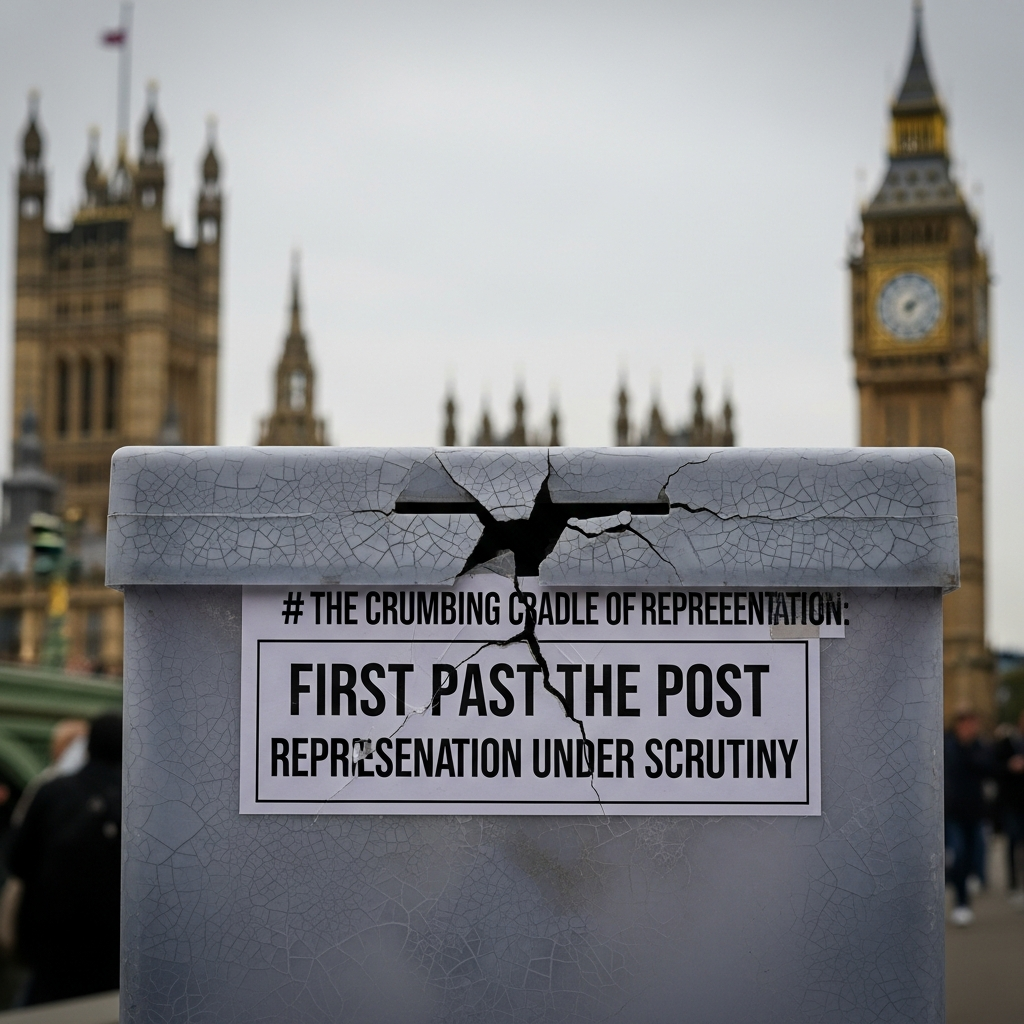
As the UK political landscape continues its dynamic shift, the spotlight often falls on critical moments that challenge the very fabric of our democratic process. One such flashpoint is the upcoming second reading of the Representation of the People Bill on Monday, March 2, 2026. This significant legislative event offers a vital platform to address a fundamental question: Is the First Past the Post (FPTP) electoral system truly fit for purpose in modern, multi-party Britain?
The debate is particularly urgent in constituencies like Gorton and Denton, where voters find themselves navigating what feels less like a fair contest and more like a tactical gamble. The traditional “three-horse race” metaphor, often used in close political contests, rings true here. However, much like a horse race where only the lead matters, this system can obscure the true will of the electorate, making every vote feel like a strategic wager rather than a genuine expression of preference.
Unpacking the Flaws of First Past the Post
The First Past the Post system, a cornerstone of UK elections for centuries, is facing intense scrutiny. Its fundamental premise – the candidate with the most votes wins, regardless of whether they achieve an overall majority – is increasingly seen as outdated in an era of diverse political opinions. Critics argue that FPTP distorts voter representation. It forces electors into difficult tactical choices instead of allowing them to back their true preferred party or candidate.
Consider the recent UK general election of 2024. Despite securing just over one-third of the total votes, the Labour party gained nearly two-thirds of parliamentary seats. This outcome starkly highlights FPTP’s disproportionate nature. It suggests a “broken system” struggling to accurately reflect the nation’s democratic preferences. When multiple strong parties contend, a candidate can easily win with less than a third of the votes. This effectively renders the choices of over two-thirds of the electorate “ignored.”
Gorton & Denton: A Microcosm of a Macro Problem
The upcoming Gorton and Denton by-election offers a vivid illustration of this systemic failure. With Labour, the Green Party, and Reform UK all campaigning strongly, the outcome is highly plausible to see a winner elected with a minority of support. This scenario is not unique. It underscores how FPTP, when applied to multi-party contests, inevitably shifts the electoral debate. Instead of focusing on policies and local representation, voters are pressed into tactical considerations.
Campaigns become less about vision and more about preventing an undesirable outcome. In Gorton and Denton, both Labour and the Green Party have appealed to voters to support them specifically to “stop Reform.” This kind of negative campaigning shortchanges voters. It denies them the chance to genuinely engage with a candidate’s intentions for local representation. Such phenomena, though seen on one side of the political spectrum now, are predicted to occur across different parties in future general elections, for example, Conservatives and Reform UK campaigning to “stop Labour.” A democracy that encourages such unhealthy tactical judgments is, arguably, not in good health.
The “Three-Horse Race” Analogy: Electoral Strategy vs. Genuine Choice
The “three-horse race” metaphor extends beyond mere competition; it illuminates the strategic complexities inherent in FPTP. In real horse racing, like the Grade 2 Woodward Stakes, a three-horse field dramatically alters strategy. Jockey John Velazquez, aboard Locked, described how he anticipated his opponent’s moves. He waited for the perfect moment to “tip to the outside” and gain an advantage. This tactical maneuvering, while brilliant in sport, mirrors the negative tactical voting FPTP forces upon the electorate. Voters are not simply picking their favorite; they are trying to outmaneuver the system or other voters to prevent a disliked outcome.
This constant strategic pressure takes a toll. Just as trainers now prioritize the long-term health of modern thoroughbreds over the grueling Triple Crown schedule—where three demanding races in five weeks are deemed unsustainable—so too must we consider the long-term health of our democratic system. Trainers like Bill Mott withdrawing Kentucky Derby winner Sovereignty from the Preakness Stakes is a “damning indictment” of an outdated schedule. It places a horse’s well-being above tradition. Similarly, the growing clamor for electoral reform highlights that an outdated voting system is not serving the long-term health of our democracy.
The Diminished Value of Contested Fields
The horse racing world offers another poignant analogy for FPTP’s pitfalls: the diminishing quality of races like the Preakness Stakes. With Derby winners increasingly skipping the Preakness to prioritize horse recovery and career longevity, the field’s quality suffers, and casual fan interest plummets. This is because the “allure of a potential Triple Crown winner is a primary driver of casual fan engagement.”
Similarly, when FPTP leads to constant tactical voting, or when voters feel their choices are ignored, it can diminish public engagement in the democratic process. Why enthusiastically participate if the system routinely produces disproportionate results or if your vote feels “wasted” unless it’s cast tactically? The pursuit of a truly representative and engaging democracy, much like a thriving sport, requires systems that encourage genuine participation and reflect true preferences, not just strategic survival.
A Path to Fairer Representation: Proportional Systems
Fortunately, solutions exist to move beyond the limitations of FPTP. Proportional representation systems, such as the Single Transferable Vote (STV), offer a compelling alternative. Used effectively in Scottish local elections, STV allows voters to rank candidates in order of preference. This “preferential voting” system empowers individuals to vote “positively.” They can confidently rank their most preferred candidate as number one, knowing their vote can transfer to their second choice if their first is not elected or doesn’t secure a majority.
The critical benefit of STV is clear: it eliminates the fear of “splitting the vote” and inadvertently helping a disliked party win. It significantly reduces the need for tactical considerations, allowing voters to genuinely focus on who they wish to see elected and what policies they support. Such systems empower people, giving them a much higher likelihood that their vote will contribute to actual parliamentary representation.
The Imperative for Reform in the Representation of the People Bill
The upcoming second reading of the Representation of the People Bill on March 2, 2026, presents a crucial opportunity. It is a moment for MPs to engage in a welcomed and vital discussion about achieving a fairer and more representative democracy for all. The evidence is mounting: the outdated First Past the Post system is struggling to serve a multi-party political landscape effectively. It actively encourages tactical voting, distorts representation, and potentially diminishes voter engagement.
Moving towards a system of proportional representation, like STV, is not just about changing a rule; it’s about reinvigorating our democracy. It’s about empowering citizens across the UK to vote based purely on their genuine preferences. This change would free them from the complexities and distortions of tactical voting. It promises a system where every vote truly counts, contributing to a Parliament that more accurately reflects the diverse voices and choices of the people it serves.
Frequently Asked Questions
What is First Past the Post (FPTP) and why is it criticized in UK elections?
First Past the Post (FPTP) is an electoral system where the candidate with the most votes in a constituency wins, even if they don’t achieve an outright majority. It’s criticized for several reasons, as highlighted by the Electoral Reform Society. FPTP can lead to distorted representation, where a party wins a disproportionate number of seats compared to its national vote share, as seen in the 2024 UK general election. It also often forces voters into “tactical voting,” where they vote for a less preferred candidate to prevent an even less preferred one from winning, rather than expressing their genuine preference. This is particularly problematic in multi-party contests like the Gorton and Denton by-election.
What alternatives to FPTP are being considered for UK elections?
The article advocates for a move to proportional representation, specifically mentioning the Single Transferable Vote (STV) system. STV, already used in Scottish local elections, allows voters to rank candidates in order of preference. This preferential voting ensures that if a voter’s first choice isn’t elected or doesn’t secure a majority, their vote can be transferred to their second choice. This system eliminates the fear of “splitting the vote” and encourages voters to express their genuine preferences, leading to a much higher likelihood that their vote contributes to actual representation. Other proportional systems also exist, but STV is presented as a practical and beneficial alternative.
How might the Representation of the People Bill impact future UK elections?
The second reading of the Representation of the People Bill on March 2, 2026, represents a crucial opportunity for discussion on democratic reform. While the exact proposed changes within the bill are not detailed here, the article frames it as a “welcomed and vital opportunity to discuss a fairer and more representative democracy for all.” This suggests the bill could potentially extend or initiate discussions around electoral system reform, including the potential abolition of FPTP in favor of proportional representation. Should such reforms be enacted, future UK elections could see a dramatic shift towards more accurate voter representation, reduced tactical voting, and potentially increased public engagement, leading to a Parliament that better reflects the national electorate.
Conclusion
The debate surrounding First Past the Post is not merely academic; it’s about the health and vitality of our democracy. As the Representation of the People Bill moves forward, it offers a crucial moment to scrutinize an electoral system that many believe is no longer fit for purpose. The “three-horse race” in Gorton and Denton is more than just a local contest; it’s a powerful symbol of the broader need for reform. By embracing modern, proportional voting systems, the UK can transition from a system of tactical compromise to one of genuine representation, ensuring every vote counts and every voice is heard. This vital discussion on March 2, 2026, is an opportunity to shape a truly fairer, more inclusive, and robust democracy for all.