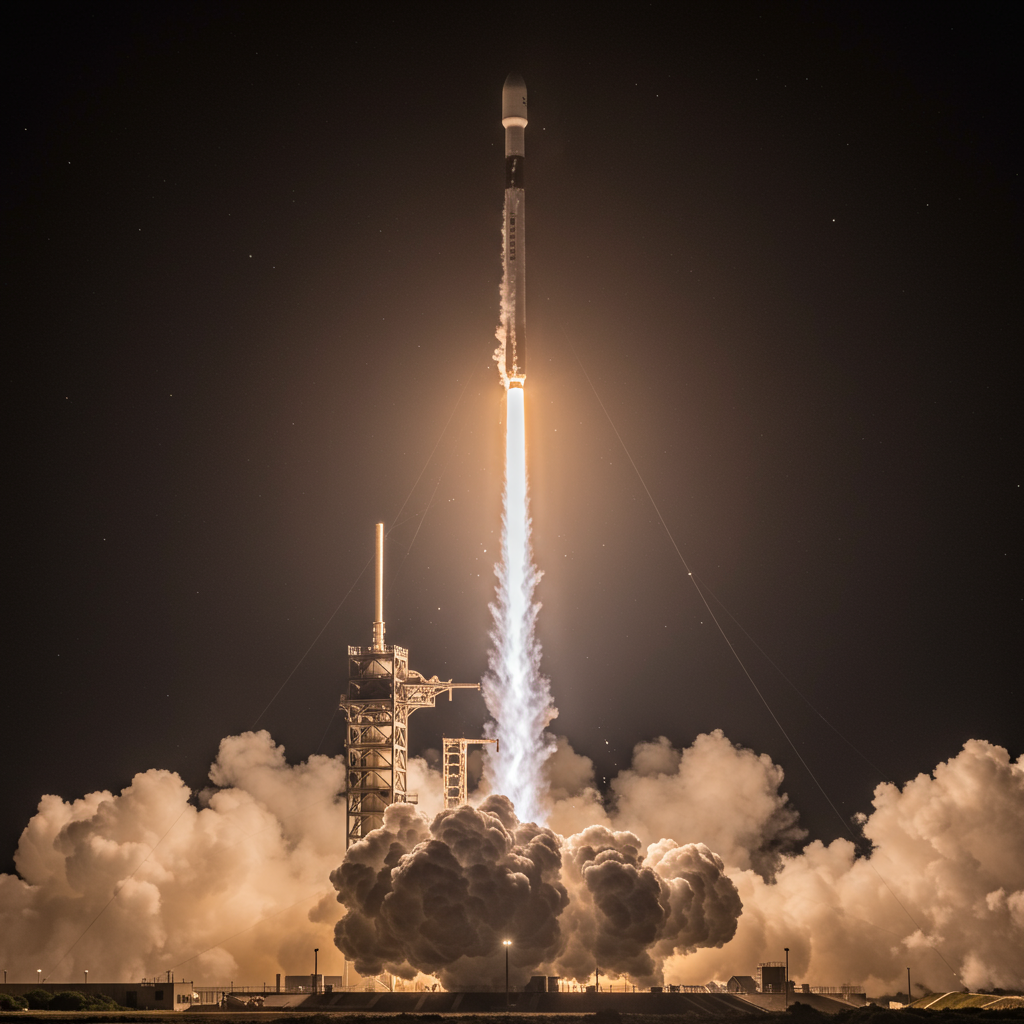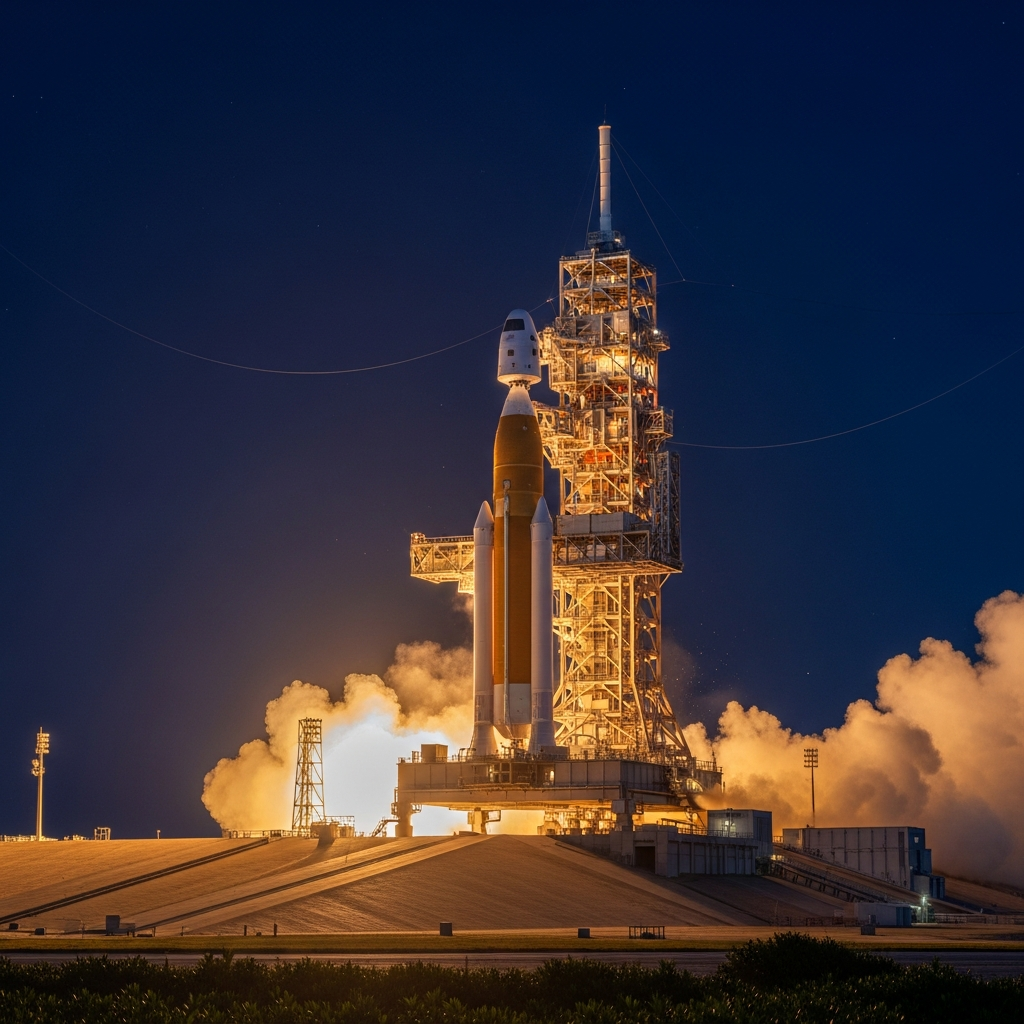
NASA’s ambitious Artemis II mission, set to carry astronauts around the Moon, is making significant strides as its Space Launch System (SLS) rocket and Orion spacecraft undergo a critical wet dress rehearsal (WDR) at Kennedy Space Center in Florida. This complex fueling test, now in its second iteration, is vital for ensuring every system and every team member is prepared for humanity’s return to lunar orbit. As of February 18, 2026, the countdown is progressing steadily, with crucial power-up sequences complete and the massive propellant loading phase imminent, bringing the historic crewed mission closer to reality.
Understanding the Wet Dress Rehearsal
A wet dress rehearsal is an exhaustive, full-scale simulation of launch day operations, stopping just short of actual engine ignition. It’s a make-or-break test designed to rigorously exercise both the rocket’s intricate systems and the highly skilled launch team. During this multi-day process, engineers pump over 700,000 gallons of super-chilled cryogenic propellants—liquid oxygen and liquid hydrogen—into the SLS core stage and interim cryogenic propulsion stage (ICPS). Every step of the launch countdown, including simulated holds and abort procedures, is meticulously practiced. This comprehensive dry run aims to identify any potential issues before the actual crewed flight.
Why This Rehearsal is Crucial
The Artemis II WDR is more than just a fueling exercise; it’s a dress rehearsal for the entire launch sequence. It proves the readiness of the SLS rocket, the Orion spacecraft, and the ground infrastructure at Launch Pad 39B. Importantly, it also allows the entire launch team, including those at Mission Control Center in Houston, to practice complex procedures. They run through everything from propellant loading and recycling the countdown clock to simulating a launch scrub by draining the tanks. This level of preparation is paramount for a mission that will carry astronauts, underscoring NASA’s unwavering commitment to safety.
Lessons Learned from Prior Tests
The current wet dress rehearsal isn’t NASA’s first attempt for Artemis II. The road to this point has involved critical learning opportunities from previous tests.
Navigating Earlier Challenges
The initial wet dress rehearsal for Artemis II began on January 31, 2026, targeting a simulated launch on February 2-3. Despite fully fueling both SLS stages, the rehearsal encountered significant issues. A persistent liquid hydrogen leak was detected at the tail service mast umbilical, reminiscent of similar problems faced during the uncrewed Artemis I wet dress rehearsals in 2022, which caused a six-month delay for that mission. Other problems included issues with Orion’s hatch and a fuel line connector. These complications led to the early termination of the rehearsal at the T-5:15 minute mark on February 3, forcing NASA to re-evaluate.
Pushing Back the Launch Window
The recurring hydrogen leaks and other technical snags made a second wet dress rehearsal unavoidable. This directly impacted the mission’s schedule, pushing the target launch window for Artemis II from its original February dates to no earlier than March 2026, with potential opportunities in March or April. Engineers promptly replaced a suspect filter in ground support equipment at Launch Pad 39B, gathering crucial data. This meticulous approach ensures that every component is thoroughly vetted, even if it means adjusting the timeline for this historic flight.
Current Progress: Countdown to Fueling
The second Artemis II wet dress rehearsal countdown officially began at 6:50 p.m. EST on February 17, initiating a nearly 50-hour sequence toward a simulated launch. Teams at Kennedy Space Center are steadily working through a demanding checklist, bringing the SLS and Orion systems online.
Key Milestones Achieved
In the early hours of February 18, around 3 a.m. EST, teams successfully powered up the rocket’s immense core stage. This critical step precedes the loading of over 700,000 gallons of cryogenic propellants. Overnight, the interim cryogenic propulsion stage also received power, signaling further system readiness. By approximately 11 a.m., marking L-33 hours, 30 minutes in the countdown, operators initiated the charging of Orion’s flight batteries. These actions are vital steps in activating the rocket and spacecraft for the rigorous fueling test ahead.
What’s Next on the Checklist
The intensive schedule continues throughout February 18. Core stage battery charging is slated for the afternoon. Later today, engineers will conduct final preparations of the umbilical arms, which connect the rocket to the mobile launcher. A thorough walkdown at the launch pad will also ensure all systems and infrastructure are secure and ready for propellant loading. The most critical milestone for this second rehearsal is the extensive fueling operation, expected to commence on February 19, demonstrating the launch team’s ability to handle the complex, multi-phase process of filling, topping off, and replenishing the tanks.
The Artemis II Crew and Mission Significance
Artemis II is more than just a test; it’s a mission that will send four astronauts on a landmark journey around the Moon. This 10-day expedition marks the first time humans will venture beyond low Earth orbit since the Apollo era.
Meet the Lunar Trailblazers
The four dedicated astronauts for Artemis II include NASA Commander Reid Wiseman, Pilot Victor Glover, and Mission Specialist Christina Koch, alongside Canadian Space Agency (CSA) Mission Specialist Jeremy Hansen. Although the crew is not physically present in the Orion spacecraft during this wet dress rehearsal, an Artemis closeout crew practices critical operations, including the closing of the Orion crew module and launch abort system hatches. This ensures all procedures are flawless for the actual flight. The crew has been training extensively and remains prepared for their historic flight.
Paving the Way for Lunar Return
Artemis II is a pivotal step in NASA’s broader Artemis program, which aims to establish a sustainable human presence on the Moon. It builds on the success of the uncrewed Artemis I mission, pushing the boundaries of deep space exploration. A successful wet dress rehearsal is absolutely essential to qualify the SLS rocket and its ground systems for this inaugural crewed mission, directly contributing to the long-term goal of sending astronauts back to the lunar surface.
Navigating Launch Windows and Future Outlook
The persistent issues identified in earlier rehearsals have naturally impacted the mission’s launch timeline. While the current wet dress rehearsal aims to validate system readiness, setting a definitive launch date requires thorough data analysis.
The Road to Launch
NASA managers have indicated that the earliest potential launch opportunities for Artemis II are now March 6-9 or March 11, with additional windows available in April 2026. A formal launch date will only be set after this second wet dress rehearsal is successfully completed and all collected data undergoes comprehensive review. This allows sufficient time to prepare the launch pad, rocket, and spacecraft for actual flight operations. The agency prioritizes safety above all, launching only when every system is deemed fully ready for the historic mission.
Staying Connected with NASA
NASA remains committed to transparency, providing the public with ongoing updates. A 24/7 live stream of the SLS and Orion spacecraft at Launch Pad 39B continues online. During the critical tanking activities, NASA plans to offer a separate, dedicated feed with additional camera views, alongside real-time blog post updates on the agency’s Artemis blog. This allows space enthusiasts and the general public to follow every significant step of this crucial pre-launch test.
Frequently Asked Questions
What is a Wet Dress Rehearsal and why is it essential for Artemis II?
A wet dress rehearsal (WDR) is a comprehensive test that simulates every aspect of a rocket launch, including fully fueling the vehicle with cryogenic propellants, but without actually igniting the engines. For Artemis II, the WDR is essential because it is the first crewed mission for the SLS rocket and Orion spacecraft since Artemis I in late 2022. It allows NASA to test all systems, validate procedures, and train the entire launch team under realistic conditions. This rigorous practice helps identify and resolve potential issues, such as the hydrogen leaks encountered in previous rehearsals, ensuring the highest probability of success and safety for the astronauts.
Where can I find live updates and streams for the Artemis II Wet Dress Rehearsal?
NASA is committed to providing real-time information and visuals for the public during the Artemis II wet dress rehearsal. A continuous 24/7 live stream of the SLS rocket and Orion spacecraft at Launch Pad 39B is available online via NASA’s official channels. Additionally, during the critical propellant tanking operations, NASA plans to offer a separate, dedicated live feed with enhanced camera views. Real-time blog updates are also being posted on the agency’s Artemis blog, offering detailed progress reports as the test unfolds.
When could the Artemis II crewed mission realistically launch after this rehearsal?
Following the challenges in the initial wet dress rehearsal, NASA adjusted the potential launch window for Artemis II. A formal launch date will only be set after a successful completion of this second wet dress rehearsal and a thorough review of all collected data. Current estimations point to potential launch opportunities no earlier than March 6-9 or March 11, 2026, with additional windows in April. The decision will depend on ensuring that all technical issues are fully resolved and the rocket, spacecraft, and ground systems are entirely ready for a crewed flight.
The successful progression of the Artemis II wet dress rehearsal is a testament to NASA’s methodical and safety-first approach to space exploration. Every powered system, every gallon of propellant loaded, and every practiced procedure pushes us closer to seeing astronauts return to lunar orbit. This rigorous test is not merely about fueling a rocket; it is about proving the readiness of an entire program dedicated to expanding humanity’s presence in deep space. As the countdown continues, the world watches, anticipating the next monumental step in our journey back to the Moon and beyond.