The global stage of the 2026 Milan Cortina Winter Olympics has become a powerful arena for US Olympians political speech, igniting a fierce debate about athlete activism, freedom of expression, and national representation. Several American athletes, speaking out on critical issues such as tolerance, immigration, and LGBTQ+ rights, have found themselves facing intense online backlash and direct criticism from prominent political figures, including former President Donald Trump. This evolving dynamic highlights a growing trend where athletes leverage their platforms to champion social causes, often at significant personal and professional risk.
The controversy began early in the Games when U.S. skiers addressed the media about domestic turmoil. Questions arose concerning immigration policies, specifically the detention of immigrants by ICE agents and violent clashes with protesters in Minneapolis. Many athletes voiced deep concern, calling for de-escalation, respect, and peace. Alex Ferreira, a veteran medalist, succinctly stated, “The Olympics represent peace, so let’s not only bring world peace but domestic peace within our country.” Svea Irving echoed these sentiments, emphasizing “compassion and love and respect for others” as core values.
Athlete Voices Emerge: From Concern to Criticism
The comments that quickly went viral came from Hunter Hess, a 27-year-old skier from Bend, Oregon. Hess articulated “mixed emotions” about representing the U.S. on the global stage. He pointed out, “There’s obviously a lot going on that I’m not the biggest fan of and I think a lot of people aren’t. Just because I’m wearing the flag doesn’t mean I represent everything that’s going on in the U.S.” This statement, intended to reflect individual conscience amidst national challenges, rapidly caught the attention of conservative leaders.
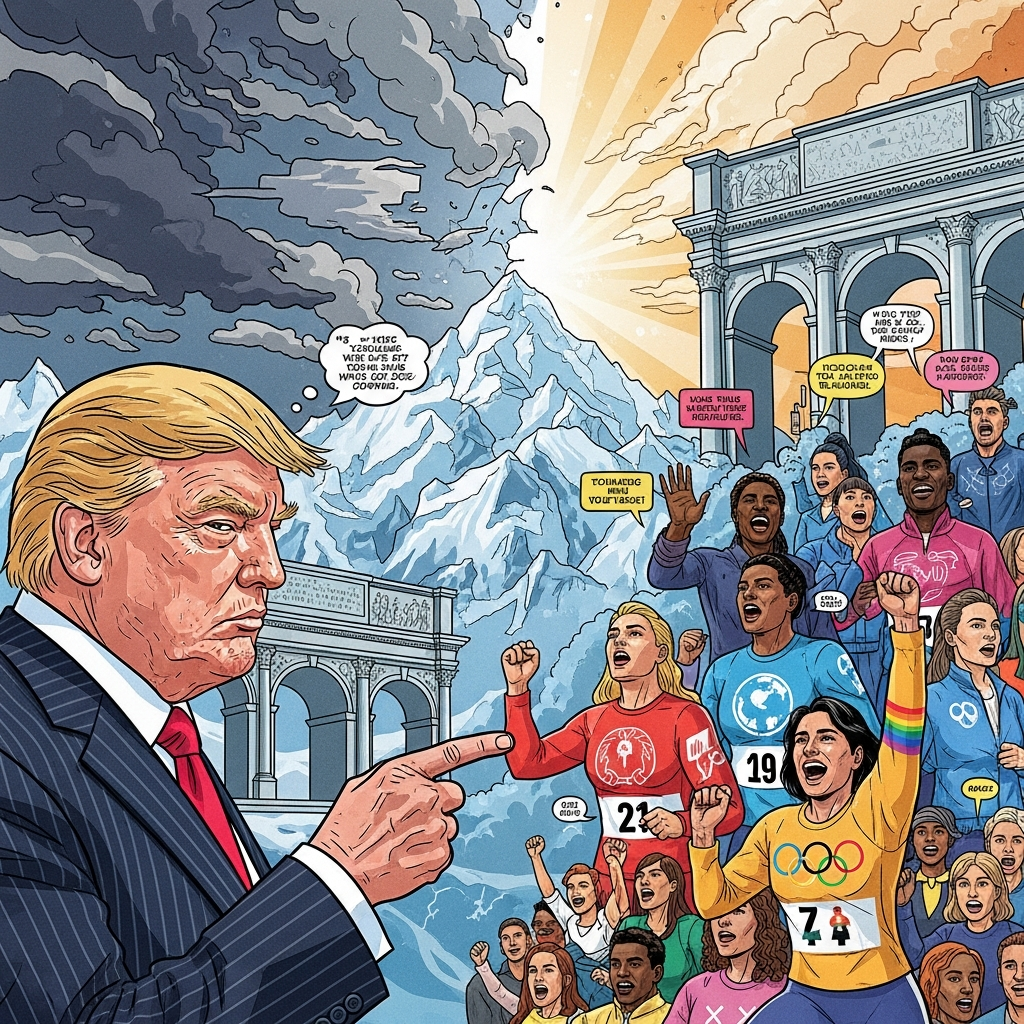
Former President Donald Trump swiftly responded on his Truth Social platform, publicly attacking Hess. Trump labeled Hess a “real Loser” and questioned his presence on the team, stating it was “very hard to root for someone like this.” This direct presidential intervention escalated the online backlash against the athlete. Florida Republican Congressman Byron Donalds amplified the criticism on X, telling Hess, “If that’s too hard for you, then GO HOME.” These attacks underscored the political polarization surrounding US Olympians political speech and national identity.
Standing Firm: Athletes Respond to Political Attacks
Despite the intense scrutiny, Hunter Hess publicly defended his stance on Instagram. He reaffirmed his love for his country, stating, “There is so much that is great about America, but there are always things that could be better.” Hess powerfully asserted the fundamental American freedom to point out areas for improvement, emphasizing the right to free speech. His response resonated with many who champion the right of individuals, even public figures, to hold nuanced views.
Support for Hess also came from fellow athletes. Snowboard superstar Chloe Kim, a two-time Olympic gold medalist whose parents immigrated from South Korea, passionately defended Hess. Kim highlighted the personal resonance of immigration issues, noting, “this one definitely hits pretty close to home.” She urged for unity and compassion, calling on people to “stand up for one another” and “lead with love.” Kim’s statement added significant weight to the argument for athletes’ right to express their views, demonstrating the solidarity within the Olympic community.
Escalating Hate: Amber Glenn’s Stand for LGBTQ+ Rights
Beyond discussions on national policy and identity, figure skater Amber Glenn became another prominent voice facing severe online harassment. Glenn, a vocal supporter of LGBTQ+ rights, used her platform to highlight the “hard times” her community faced. She expressed hope that her voice could encourage people to “stay strong” during these challenging periods. Her brave advocacy, however, resulted in a deluge of hateful messages and threats.
Glenn later revealed to NPR the frightening extent of the online abuse she received. “I’ve never had so many people wish me harm before, just for being me and speaking out about being decent and, like, human rights,” she shared, highlighting the disturbing reality of digital harassment faced by outspoken public figures. This “uptick in abusive and harmful messages,” as noted by the U.S. Olympic and Paralympic Committee (USOPC), represents a concerning trend. The USOPC condemned these threats, pledging to report any “credible” instances to law enforcement, underscoring their commitment to athlete safety amidst rising online backlash.
The Enduring Political Dimension of the Olympic Games
The Milan Cortina Games are hardly the first Olympics to be entwined with politics. Historically, the Games have served as a backdrop for both unity and protest. This year, the ongoing political climate in the U.S., including controversies surrounding the Trump administration’s policies, fueled anti-ICE and anti-Trump protests in Italian cities. Demonstrators clashed with police, and U.S. Vice President Vance was notably jeered during the opening ceremony, further illustrating the international scope of these domestic tensions.
It is important to note that not all U.S. Olympians share the same progressive viewpoints or publicly criticize the administration. Many athletes understandably prioritize their sport, while others, like skier Nick Goepper, expressed pride in representing the U.S. by upholding “classic American values of respect, opportunity and freedom and equality.” The International Olympic Committee (IOC) also maintained a diplomatic stance, with spokesman Mark Adams expressing enthusiasm for U.S. administration engagement, especially with the upcoming Los Angeles Games. This varied landscape demonstrates the complexity of athlete activism and the diverse perspectives within Team USA.
The Broader Implications of Athlete Activism
The incidents at the 2026 Winter Olympics underscore a significant shift in the role of athletes. No longer just symbols of national athletic prowess, many athletes now embrace their platforms as powerful tools for social change. This trend, bolstered by the immediacy of social media, allows their voices to reach millions, sparking global conversations. However, it also exposes them to unprecedented levels of public scrutiny, criticism, and harassment. The tension between an athlete’s individual right to free speech and their public role as a national representative will likely continue to evolve.
The response from official bodies, such as the USOPC’s condemnation of threats, is crucial in navigating this new era. While advocating for freedom of expression, sports organizations must also prioritize the mental and physical well-being of their athletes. The events in Milan highlight the ongoing societal struggle to balance patriotism with dissent, national pride with human rights, and the global spectacle of sport with the pressing realities of political and social issues. This powerful demonstration of US Olympians political speech ensures that the conversations sparked in Milan will resonate far beyond the podium.
Frequently Asked Questions
Why are US Olympians speaking out on political issues?
US Olympians are increasingly using their global platforms to address significant domestic political issues such as immigration policies, calls for tolerance, and LGBTQ+ rights. Their motivations stem from personal values, lived experiences (like Chloe Kim’s immigrant background), and a desire to advocate for social justice. For instance, skier Hunter Hess expressed “mixed emotions” about representing the U.S. due to ongoing political turmoil, while figure skater Amber Glenn spoke out against the challenges faced by the LGBTQ+ community, highlighting a broader trend of athlete activism on moral and ethical concerns.
Which US Olympians faced criticism for their political statements?
Several prominent US Olympians have faced backlash for their outspoken views. Skier Hunter Hess received direct attacks from former President Donald Trump and Republican Congressman Byron Donalds for expressing “mixed emotions” about representing the U.S. Figure skater Amber Glenn experienced a “scary amount of hate/threats” online after advocating for LGBTQ+ rights. In response, snowboarder Chloe Kim voiced support for Hess, emphasizing unity and compassion. These instances demonstrate the significant public and political scrutiny that accompanies US Olympians political speech.
How is the US Olympic Committee addressing online threats against athletes?
The U.S. Olympic and Paralympic Committee (USOPC) has acknowledged and condemned the “uptick in abusive and harmful messages” directed at athletes during recent games. In response to figures like Amber Glenn reporting severe online hate and threats, the USOPC stated they are taking these incidents seriously. Their policy includes reporting any “credible” threats to law enforcement to ensure athlete safety. This commitment highlights the growing need for official sports bodies to protect athletes who choose to engage in athlete activism from digital harassment.
—