Amid alarming measles outbreaks threatening the nation’s measles-free status, Dr. Mehmet Oz, Administrator of the Centers for Medicare & Medicaid Services, has issued an urgent plea: “Take the measles vaccine, please.” This powerful call highlights a critical public health moment as declining vaccination rates fuel the resurgence of a highly contagious, preventable disease. Understanding this urgent message and the science behind the MMR vaccine is now more vital than ever for community protection.
The Alarming Resurgence of Measles
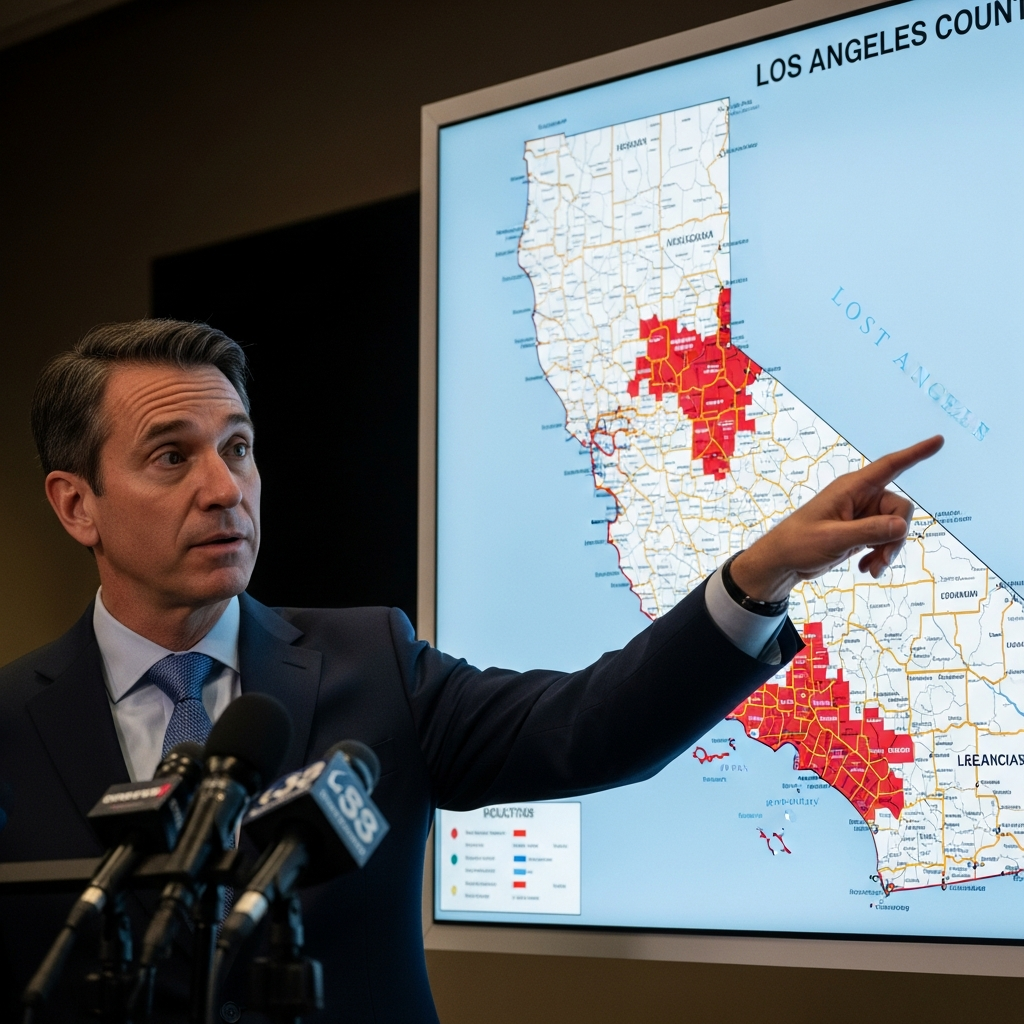
The United States is currently grappling with a concerning and rapid increase in measles cases, jeopardizing a hard-won public health victory. Once declared eliminated in the U.S. by 2000, measles has resurfaced with a vengeance. Since early 2025, over 2,600 people have been infected across all but six U.S. states. This year alone, 20 states have reported confirmed cases as of early February 2026. State health officials report even higher figures, with South Carolina, for instance, documenting 920 cases by early February 2026, marking its largest outbreak to date.
This highly contagious virus can linger in the air for hours after an infected person has left a room, posing a significant risk to unvaccinated individuals. The current outbreaks are predominantly affecting those who have not received the measles vaccine. A staggering one in five unvaccinated people who contract measles in the U.S. require hospitalization, and up to three out of every 1,000 children infected may die. These statistics underscore the severe health risks associated with the disease, moving it far beyond a “mild childhood illness.”
A Nationwide Public Health Challenge
The primary driver behind this resurgence is a concerning decline in vaccination rates. While all U.S. states mandate kindergarten vaccinations for school entry, 47 states offer exemptions based on religious or personal beliefs. These exemptions are on the rise, reaching a record 3.6% in the 2024–2025 school year. This trend is alarming, as vaccination coverage among U.S. kindergartners has dropped from 95.2% during the 2019–2020 school year to 92.5% in 2024–2025. This rate falls below the critical threshold necessary for effective herd immunity, leaving communities vulnerable to outbreaks of vaccine-preventable diseases like measles.
Regions like the Utah-Arizona border are experiencing significant outbreaks, alongside South Carolina which has seen hundreds of cases. Experts widely attribute this return of a previously eradicated disease to growing public skepticism toward vaccines and the resulting drop in protection levels.
Dr. Oz’s Urgent Call to Action
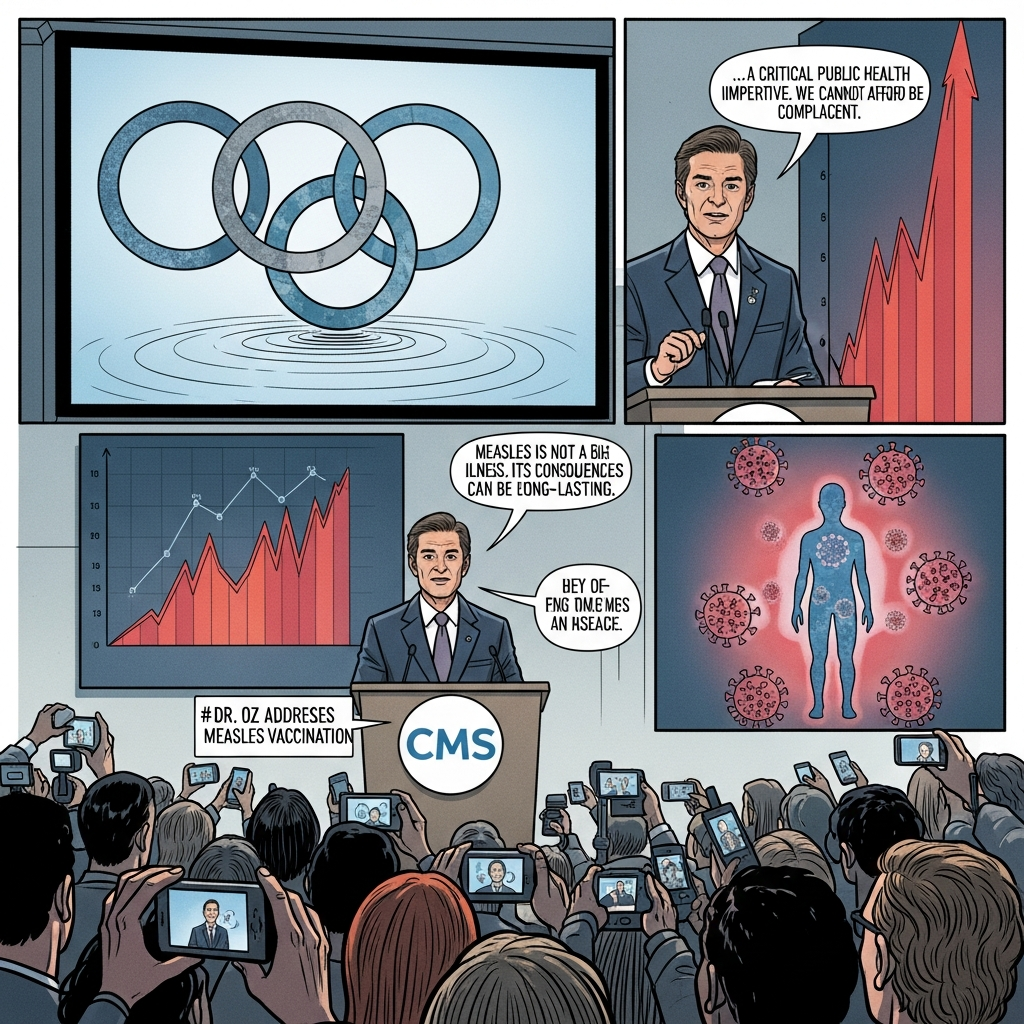
Amidst this escalating public health crisis, Dr. Mehmet Oz, currently serving as the Administrator of the Centers for Medicare & Medicaid Services, has made an unequivocal plea for vaccination. On CNN’s “State of the Union” on February 8, he stated, “Take the vaccine, please. We have a solution for our problem. Not all illnesses are equally dangerous, and not all people are equally susceptible to those illnesses. But measles is one you should get your vaccine (for).”
Dr. Oz, a cardiothoracic surgeon, highlighted that Medicare and Medicaid would continue to cover the MMR vaccine, ensuring no financial barriers prevent Americans from accessing this crucial immunization. This clear endorsement from a prominent federal health official is significant, providing a straightforward directive on vaccination during a period often marked by mixed messaging. His directness underscores the severity of the measles threat and the readily available solution.
Navigating Conflicting Messages on Vaccination
The current administration’s stance on vaccination has been characterized by complexity and sometimes conflicting messages. Dr. Oz’s strong advocacy for the measles vaccine marks a notable shift for him, given his past skepticism regarding other vaccines and his previous alignment with Health Secretary Robert F. Kennedy Jr.’s broader “make America healthy again” (Maha) campaign, which has questioned established scientific research.
Robert F. Kennedy Jr., a longtime vaccine skeptic, has presented a nuanced and often contradictory view. While he encouraged people to get vaccinated against measles in April 2025, stating, “The most effective way to prevent the spread of measles is the MMR vaccine,” his history includes challenging vaccine safety and efficacy. He previously called the measles vaccine “leaky,” suggesting its effectiveness wanes over time. However, medical experts strongly dispute this claim. Dr. Paul Offit, director of the Vaccine Education Center at Children’s Hospital of Philadelphia, firmly stated, “The measles vaccine protects you for the rest of your life. The notion that it’s a leaky vaccine is dead wrong.”
Kennedy’s influence has extended to federal policy, with reports indicating his role in revising traditional vaccine schedules and promoting unproven treatments like Vitamin A for measles, which has led to hospitalizations for toxicity. His past actions, including a controversial 2019 trip to Samoa questioned by officials as bolstering anti-vaccine sentiment before a deadly outbreak, have fueled public confusion. A poll revealed that less than a quarter of the public believed Kennedy recommends the MMR vaccine for children, highlighting widespread uncertainty. This contrasting backdrop makes Dr. Oz’s clear call for the measles vaccine particularly impactful, signaling a unified front on this specific, urgent issue.
Understanding the MMR Vaccine and Measles
The Measles, Mumps, and Rubella (MMR) vaccine is a cornerstone of routine childhood immunizations. Children typically receive two doses: the first between 12 and 15 months of age, and the second between 4 and 6 years. This schedule ensures robust and lasting protection against these three serious diseases. The MMR vaccine is remarkably effective, with one dose providing 93% protection and two doses boosting efficacy to 97%. It has been rigorously tested and confirmed as both safe and highly effective.
Measles itself is far from benign. Initial symptoms, appearing 7 to 14 days after exposure, include a high fever, cough, runny nose, and watery eyes. Distinctive tiny white spots called Koplik’s spots may appear inside the mouth a few days into the illness. The characteristic measles rash typically emerges 3 to 5 days after initial symptoms, starting on the head and spreading downwards. As the rash develops, which can include small raised bumps, a person’s fever can spike to over 104 degrees Fahrenheit. The disease can lead to severe complications, including pneumonia, encephalitis (brain swelling), and even death.
Why Vaccination Matters: Beyond Personal Choice
The concept of herd immunity is critical in controlling diseases like measles. When a high percentage of a population is vaccinated, it creates a protective barrier that prevents the spread of the virus, safeguarding even those who cannot be vaccinated (e.g., infants, immunocompromised individuals). The decline in vaccination rates below the herd immunity threshold directly correlates with the current outbreaks. Choosing the measles vaccine is not merely a personal decision; it is a vital contribution to community health and protection.
Protecting Your Family: What You Need to Know
Given the current measles outbreaks, it is essential for everyone to understand their vaccination status and take appropriate steps. If you are unsure whether you or your children are adequately protected, consult with your healthcare provider immediately. Symptoms like high fever, cough, runny nose, and watery eyes, followed by a rash, warrant immediate medical attention. Be aware of the contagious nature of the virus and follow public health guidelines if you suspect exposure. Getting vaccinated with the MMR vaccine remains the single most effective way to prevent measles infection and protect vulnerable populations.
Frequently Asked Questions
What is contributing to the recent surge in measles cases across the U.S.?
The recent surge in measles cases is primarily driven by a significant decline in childhood vaccination rates, particularly among kindergartners, which has fallen below the necessary threshold for effective herd immunity. This, coupled with the highly contagious nature of the measles virus and its ability to linger in the air, allows the disease to spread rapidly among unvaccinated individuals, threatening the U.S.’s measles-free status. Increased numbers of vaccine exemptions also play a role.
How effective is the MMR vaccine, and when are the recommended doses typically given?
The MMR (Measles, Mumps, and Rubella) vaccine is highly effective. One dose provides 93% protection, while two doses increase efficacy to 97%. Children typically receive their first dose between 12 and 15 months of age as part of routine immunizations. The second dose is recommended between 4 and 6 years of age to ensure lasting, robust protection against these preventable diseases for the rest of their lives.
What are the potential health risks of measles, and why is vaccination so critical now?
Measles poses significant health risks, especially to unvaccinated individuals. Approximately one in five unvaccinated people who contract measles in the U.S. require hospitalization, and as many as three out of every 1,000 infected children may die. The virus can lead to severe complications like pneumonia and encephalitis. Vaccination is critical now because widespread outbreaks are occurring, and falling vaccination rates have eliminated herd immunity, making communities highly vulnerable to this dangerous and potentially deadly, yet preventable, disease.
Conclusion
The urgent call from Dr. Mehmet Oz to “take the measles vaccine, please” underscores a critical moment in American public health. With measles cases surging and vaccination rates declining, the threat to our collective health is undeniable. The MMR vaccine offers proven, lifelong protection against a highly dangerous virus. Understanding the facts, recognizing the risks, and ensuring proper immunization are essential steps each individual can take to protect themselves, their families, and their communities from the resurgence of measles. Prioritizing vaccination is not just a personal choice but a crucial responsibility in safeguarding public health.