The world watched in disbelief as Olympic alpine skiing legend Lindsey Vonn prepared to compete in the Milan Cortina Olympics, just days after rupturing her anterior cruciate ligament (ACL). This isn’t just a remarkable comeback; it’s a medical marvel that defies conventional wisdom. How can an athlete ski downhill at breakneck speeds with such a debilitating injury?
Sports medicine experts, initially surprised, have now peeled back the layers of this extraordinary feat. It’s a “perfect recipe” of Vonn’s unique physiology, the specific demands of downhill skiing, and modern medical advancements. This article decodes the science and unparalleled resilience behind Lindsey Vonn’s return to the slopes.
The Unprecedented Challenge: Vonn’s ACL Tear
An ACL tear is one of the most feared injuries in sports. This crucial ligament connects the thigh bone (femur) to the shin bone (tibia), providing vital stability to the knee joint. For most elite athletes, an ACL rupture means a year-long recovery, often involving surgical reconstruction. Yet, Lindsey Vonn was back on snow within days.
Her decision to compete in the Olympic women’s downhill immediately raised eyebrows. Saturday saw her complete a second training run, with her coach Aksel Lund Svindal expressing confidence she could still medal. However, a slight knee buckle after a jump served as a stark reminder of the immense risks. This is an outrageous endeavor, one few skiers could or would even attempt.
The Severity of an ACL Injury
ACL tears account for over 50% of knee injuries, impacting hundreds of thousands annually. They are particularly common in female athletes, who face a 2.2 times higher risk than men. Differences in body structure, hormones, and knee movement patterns contribute to this disparity. The ACL acts as a “seatbelt” for the knee, essential for preventing the lower leg from sliding forward. Without it, the knee can feel unstable, making activities involving pivoting or cutting nearly impossible.
Initial Shock and Expert Perspectives
Despite the injury’s severity, sports medicine professionals were not as shocked as the public. “We used to have a saying, ‘Don’t operate on the X-ray, operate on the patient,'” noted Bill Mallon, an orthopaedic surgeon. He suggests this principle still applies, emphasizing the individual nature of recovery. Dr. Alexis Colvin, a sports medicine surgeon, stated Vonn is “built differently than the rest of us.” Her case exemplifies “ACL coping,” where athletes use other mechanisms to stabilize the knee.
The “Perfect Recipe”: Why Vonn Can Defy Expectations
Vonn’s ability to ski with a ruptured ACL stems from a confluence of factors. These include her unique physical adaptations, minimal initial swelling, superior muscular strength, and incredible body awareness. Each element plays a critical role in enabling her extraordinary return.
Unique Physiological Adaptations & Past Injuries
Lindsey Vonn is no stranger to knee trauma. This isn’t her first rodeo with an ACL injury; she previously competed on a torn right ACL in 2014. At 41, her body has developed sophisticated coping mechanisms. Dr. Kevin Farmer, a sports medicine specialist, describes Vonn as a “coper”—a rare 5% of athletes who can perform at a high level despite ACL deficiency. Her extensive injury history has molded her body’s “firing patterns,” providing inherent knee stability. It’s also possible this isn’t her first tear in this specific ACL, as subsequent tears often present with less bleeding and swelling.
The Role of Minimal Swelling and “ACL Coping”
A critical factor in Vonn’s immediate return is the lack of significant swelling in her injured knee. Swelling would flood the joint, reducing stability and making movement incredibly painful. Her medical team has successfully managed any present inflammation. Dr. Jordan Metzl, a sports medicine physician, speculated that this might not be her first tear to that specific ACL, as initial tears typically cause the most severe bleeding and swelling. Minimizing this acute inflammatory response is paramount for function.
Unmatched Muscular Support and Body Awareness
Vonn’s Olympic-level conditioning is indispensable. Her quadriceps, hamstrings, and glutes are exceptionally developed. These powerful muscles act as dynamic stabilizers, compensating for the compromised ACL. Dr. Robby Sikka, a sports medicine expert, highlights how these muscle groups help hold the knee in place. Furthermore, her unparalleled body awareness, honed over decades of elite competition, allows her to instinctively adjust her movements. During a training run, she instinctively landed on her uninjured right ski after a jump, a reflex to offload the injured left knee.
Downhill Skiing vs. Other Sports: A Crucial Distinction
The nature of downhill skiing itself is a significant enabler for Vonn’s comeback. Unlike many high-impact sports, the speed events of downhill and super-G require a different type of knee stability, making it uniquely possible to compete with a torn ACL.
“Level II Pivoting Sport”: Reduced Rotational Stress
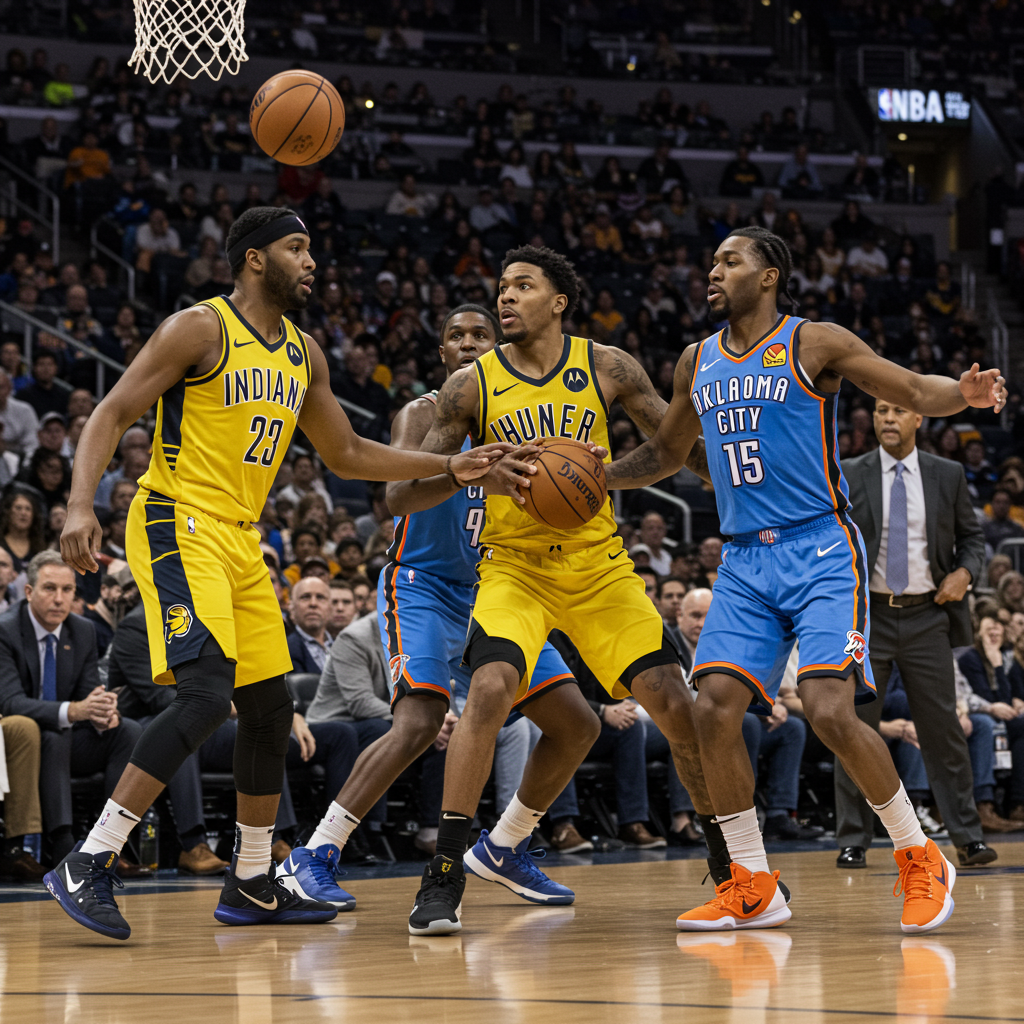
Dr. Karen Sutton, an orthopedic surgeon working with the U.S. ski team, classifies alpine skiing as a “Level II pivoting sport.” This means it involves less quick, sharp pivoting and cutting compared to “Level I” sports like basketball or soccer. In downhill, athletes primarily move forward, engaging muscles that naturally compensate for an ACL injury. The constant, unpredictable changes in direction seen in other sports would be nearly impossible without a functioning ACL.
Equipment as an Ally: Boots, Bindings, and Braces
Specialized equipment provides vital external support. Ski boots limit ankle movement, which in turn reduces stress on the knee. The bindings securely attach the boot to the ski, helping to maintain proper joint alignment. Vonn also utilizes a state-of-the-art knee brace. While braces offer side-to-side stability, they are limited in protecting against rotational forces. However, in combination with her muscular strength, they provide crucial additional support for the straight-line forces of downhill.
Predictable Movements and G-Forces
Downhill skiing involves mostly predictable, forward movements. Leaning forward naturally engages the robust muscle groups that can compensate for a ruptured ACL. Skiers experience immense G-forces, often at speeds between 75-95 mph on steep slopes. To withstand this, they possess “superhuman strength,” as Dr. Sutton describes. This massive muscle recruitment, combined with lightning-fast reaction times and extensive experience, allows athletes like Vonn to navigate the course, even with a compromised ligament.
The Mental Edge: Vonn’s Unwavering Determination
Beyond the physical and biomechanical factors, Lindsey Vonn’s extraordinary mental fortitude is perhaps the most significant ingredient in her “perfect recipe.” Her coach, Aksel Lund Svindal, attributes much of her career success to this unwavering psychological strength.
A Legacy Forged in Resilience
Vonn’s determination to “put the perfect bow” on her illustrious career is deeply personal. Having previously come out of retirement after a partial knee replacement, she seeks to conclude her journey on her own terms. Dr. Jason Zaremski, a sports medicine physician, notes Vonn’s remarkable calmness during training, a testament to her mental adaptation to injury setbacks. This mental resilience allows her to push through pain and engage compensatory muscles, a feat many athletes cannot achieve.
The Public’s Perception vs. Athletic Reality
Vonn’s public display of resilience also highlights a broader issue. Fellow Team USA skier Breezy Johnson, who also attempted to ski without an ACL, revealed that many athletes compete with significant knee damage. However, they often hide it due to fear of media and public judgment. Vonn’s transparency, while inspiring, underscores the incredible pressure elite athletes face and the extraordinary lengths they go to compete. For Lindsey Vonn, her Olympic dream isn’t just about medals; it’s about proving what’s possible.
Frequently Asked Questions
How is it medically possible for Lindsey Vonn to ski on a torn ACL?
Lindsey Vonn’s ability to ski on a torn ACL is attributed to a unique combination of factors. This includes her incredible muscular development (quads, hamstrings, glutes) that dynamically stabilize her knee, minimal swelling in the injured joint, and her body’s learned “coping mechanisms” from previous injuries. The specific demands of downhill skiing, which is less reliant on quick pivots than other sports, also play a key role. Medical experts note her unparalleled body awareness and robust medical support system.
How does downhill skiing with an ACL tear differ from other sports like basketball or soccer?
Downhill skiing is classified as a “Level II pivoting sport,” meaning it involves fewer sudden, sharp changes in direction compared to “Level I” sports like basketball or soccer. Downhill races primarily involve predictable, forward movements. Sports requiring constant cutting, planting, and pivoting place immense rotational stress on the knee, making a functioning ACL almost indispensable. In downhill, Vonn can leverage her strong muscles and the protective nature of ski boots and bindings to compensate for the ACL’s absence more effectively.
What role do mental fortitude and specialized equipment play in Lindsey Vonn’s ability to compete with this injury?
Mental fortitude is crucial; Vonn’s unwavering determination allows her to push through pain and maintain focus, enabling her body to engage compensatory muscles. Experts like Dr. Jason Zaremski highlight her remarkable calmness and mental adaptation to injury. Specialized equipment, including stiff ski boots that limit ankle movement (reducing knee stress) and bindings that maintain joint alignment, provide critical external support. While a knee brace offers side-to-side stability, her internal strength and mental resilience are paramount for handling the rotational forces and G-forces of downhill.
Conclusion
Lindsey Vonn’s return to the Olympic downhill course with a torn ACL is more than just a testament to her athletic prowess. It’s a masterclass in biomechanical adaptation, a nuanced understanding of sports medicine, and an unwavering demonstration of human spirit. Her case illustrates how a unique blend of exceptional physiology, specific sport demands, advanced medical management, and unparalleled mental toughness can defy even the most daunting physical setbacks. Lindsey Vonn continues to redefine the limits of what’s possible, solidifying her legacy as one of the most resilient athletes in history.