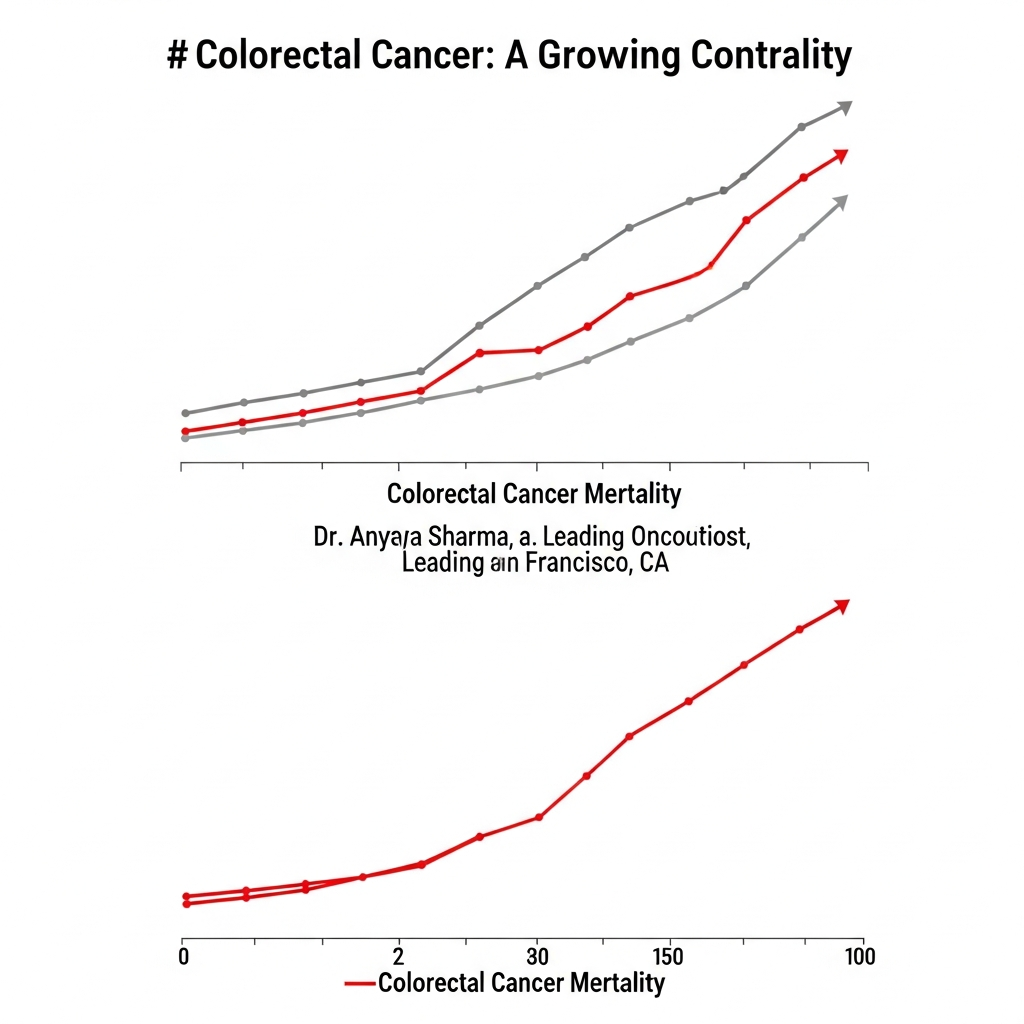
A groundbreaking new study delivers a mix of hopeful news and a stark warning for young Americans. While overall cancer deaths among individuals under 50 have plummeted by a remarkable 44% over the past three decades, one alarming exception casts a shadow: colorectal cancer mortality rates are on the rise. This concerning trend highlights an urgent need for increased awareness, earlier screening, and a closer look at lifestyle factors. Understanding these shifts is crucial for public health and individual well-being.
Significant Progress in Fighting Cancer for Younger Generations
For years, cancer has been a daunting health challenge. However, recent data from a comprehensive American Cancer Society (ACS) study, published in the peer-reviewed journal JAMA, shows significant progress in the battle against many cancer types among younger adults in the United States. Analyzing over 1.2 million cancer deaths between 1990 and 2023, researchers identified a substantial 44% decrease in overall cancer mortality for people under 50. This impressive decline offers a beacon of hope, demonstrating the impact of medical advancements and public health initiatives.
Dr. William Dahut, Chief Science Officer of the American Cancer Society, credits much of this improvement to better therapies, estimating that “more than half” of the gains are due to treatment breakthroughs. This means that for many forms of cancer, patients now have access to more effective and targeted treatments, leading to longer survival rates.
Declines in Major Cancer Deaths
Several once-leading causes of cancer death in younger populations have seen substantial drops:
Lung Cancer: Once the primary cause of cancer death for Americans under 50 in 1990, lung cancer now ranks fourth. Deaths from lung cancer have decreased by an impressive 5.7% annually. This positive change is largely attributed to decreased tobacco use and the success of anti-smoking campaigns. The CDC reports that despite this progress, lung cancer remains a significant concern, with 218,893 new cases in the U.S. in 2022 and 131,584 deaths in 2023, emphasizing the need for continued vigilance and screening, especially for high-risk individuals.
Breast Cancer: Despite an increase in diagnoses during the study period, breast cancer deaths for younger women have fallen by an average of 1.4% per year. However, it still holds the unfortunate distinction of being the leading cause of cancer death among younger women. Regular screening exams play a vital role in early detection, contributing to improved outcomes.
Leukemia and Cervical Cancer: Deaths from leukemia and cervical cancer have also seen declines. Cervical cancer deaths specifically decreased by about 0.5% annually, now ranking as the third leading cause of cancer-related death in young women. The availability of screening exams and the Human Papillomavirus (HPV) vaccination since 2006 are key drivers behind this positive trend. Experts predict even “dramatic decreases” in cervical cancer deaths if HPV vaccination rates continue to rise.
The Alarming Rise of Colorectal Cancer in Young Adults
Amidst the good news, the stark reality of rising colorectal cancer deaths stands out as a critical public health concern. The ACS study reveals that colorectal cancer fatalities increased by a little over 1% annually between 1990 and 2023, making it the top cause of cancer death for men and women combined under age 50. This unexpected acceleration has oncologists and public health experts deeply concerned.
Dr. Dahut noted that while the trend wasn’t entirely surprising, its speed was faster than anticipated. The exact reasons for this increase remain unclear, but researchers strongly suspect a link to environmental factors or modern lifestyle choices. This aligns with findings from The Cancer Atlas, which highlights that incidence rates for colorectal cancer are increasing among young adults in many high-income countries, potentially linked to the global obesity epidemic and unhealthy dietary patterns.
The Critical Challenge of Late Diagnoses
A major contributor to the rising death toll from colorectal cancer in younger individuals is the frequency of late diagnoses. The study found that more than 75% of new colorectal cancer diagnoses in younger patients are made in later stages. At these advanced stages, treatment options are considerably less effective, severely impacting survival rates.
One significant barrier to early detection is the lack of consistent screening recommendations. Dr. Dahut points out that “lots of folks in their 40s do not necessarily have a primary care doctor telling them to get the screening – men in particular.” This gap in preventive care means valuable time is lost, allowing cancer to progress unchecked.
The Power of Prevention: Modifiable Risk Factors and Early Detection
The broader scientific consensus strongly emphasizes the role of modifiable risk factors in cancer development. Multiple studies, including those published in CA: A Cancer Journal for Clinicians and Healio, reveal that a significant proportion of cancer cases and deaths in the U.S.—around 40% of cases and 44% of deaths—are attributable to factors within our control.
Key Modifiable Risk Factors:
Cigarette Smoking: Remains the leading preventable cause of cancer, accounting for nearly one-fifth of all cancer cases. Despite declining prevalence, its impact is still substantial, particularly for lung cancer.
Excess Body Weight/Obesity: The second-largest contributor, linked to 7.6% of cancer cases and 7.3% of deaths. Its rise is a major concern for increasing rates of weight-associated cancers, including colorectal cancer in younger individuals.
Alcohol Consumption: Contributes to 5.4% of cases and 4.1% of deaths.
Unhealthy Diet: Low intake of fruits/vegetables, inadequate fiber/calcium, and high consumption of red/processed meats are significant factors.
Physical Inactivity: Accounts for 3.1% of cases.
UV Radiation Exposure: Primarily linked to skin cancers.
Carcinogenic Infections: Viruses like HPV (cervical, anogenital, oropharyngeal cancers) and Hepatitis B/C (liver cancer) are highly preventable through vaccination and safer practices.
These findings underscore a substantial opportunity for cancer reduction through public health interventions and individual lifestyle changes.
Actionable Steps for Prevention and Early Detection:
Colorectal Cancer Screening: The American Cancer Society recommends that individuals at average risk begin screening at age 45. Those with a family history or other elevated risk factors should discuss earlier screening with their doctor. Regular follow-up on any unusual symptoms is also vital.
Vaccinations: Ensure full vaccination against HPV (for cervical and other related cancers) and Hepatitis B (for liver cancer). Despite their proven efficacy, vaccination uptake, especially for HPV, remains suboptimal in the U.S.
Healthy Lifestyle Choices: Prioritize maintaining a healthy body weight, adopting a balanced diet rich in fruits and vegetables, limiting red and processed meats, reducing alcohol consumption, and engaging in regular physical activity.
Tobacco Cessation: Avoid all tobacco products and exposure to secondhand smoke. Comprehensive tobacco control policies and increased lung cancer screening (for high-risk individuals) are crucial.
Global Context and Inequalities
The Cancer Atlas, 4th Edition, from the American Cancer Society and the International Agency for Research on Cancer (IARC), provides a global perspective, noting that nearly 50% of all cancer deaths worldwide are attributable to potentially modifiable risk factors. Globally, lung, colorectal, and breast cancers are increasing in many lower-income nations due to risk factors associated with economic development. The Atlas emphasizes that substantial cancer prevention is possible through resource-stratified prevention and control measures, highlighting the critical role of political will and equitable access to healthcare.
Frequently Asked Questions
What are the main reasons for the overall decline in cancer deaths among young Americans, and why is colorectal cancer an exception?
The significant 44% overall decline in cancer deaths among Americans under 50 over the past three decades is primarily due to advancements in medical therapies and improved public health efforts. Decreased tobacco use has dramatically reduced lung cancer deaths, while screenings and the HPV vaccine have lowered cervical cancer mortality. Colorectal cancer, however, is a notable exception, with deaths increasing by 1% annually. Experts link this rise to environmental factors and modern lifestyle changes, such as the obesity epidemic and unhealthy diets, compounded by late diagnoses when treatment is less effective.
What are the current screening recommendations for young adults to prevent cancer, particularly colorectal cancer?
For individuals at average risk of colorectal cancer, the American Cancer Society recommends starting screening at age 45. Those with a family history of colorectal cancer or other elevated risk factors should consult their doctor about beginning screening even earlier. Beyond colorectal cancer, regular screening exams are also crucial for breast and cervical cancers, contributing to their declining mortality rates in younger women. Discussing your family history and any persistent symptoms with your primary care provider is always a wise preventive step.
How can lifestyle changes and vaccinations significantly reduce an individual’s personal cancer risk?
A substantial portion of cancer cases and deaths are linked to modifiable risk factors, offering significant opportunities for prevention. Adopting a healthy lifestyle is key: maintaining a healthy weight, eating a balanced diet rich in fruits and vegetables, limiting red and processed meats, and engaging in regular physical activity can dramatically lower risk. Avoiding tobacco and excessive alcohol consumption are also critical. Furthermore, vaccinations for HPV (which prevents cervical, anogenital, and oropharyngeal cancers) and Hepatitis B (to prevent liver cancer) are highly effective tools that can significantly reduce the risk of infection-related cancers.
A Balanced Outlook: Hope and Call to Action
The overall reduction in cancer deaths among Americans under 50 is undeniably “overall good news” and a “remarkable number,” as Dr. Dahut describes it. It reflects incredible progress in medical science and public health. However, the alarming increase in colorectal cancer deaths in this age group serves as a powerful reminder that the fight against cancer is dynamic and ongoing.
It underscores the critical need for continued research into the causes of this specific rise, alongside stronger emphasis on preventive measures. Empowering individuals with knowledge about modifiable risk factors, promoting consistent screening, and ensuring widespread access to vaccinations are vital steps. By addressing these challenges proactively, we can strive for a future where even more lives are saved, and the trajectory of cancer mortality continues its downward trend for all.