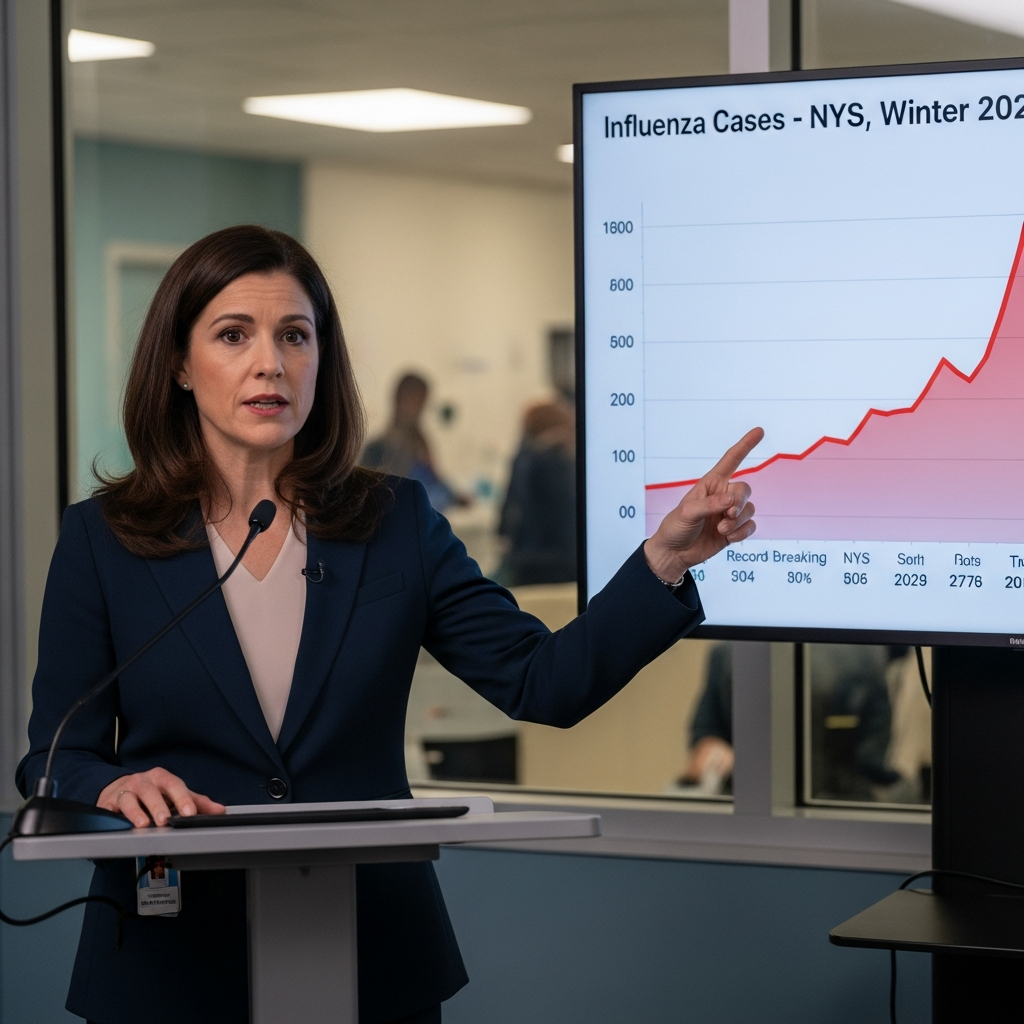
New York State is grappling with an unprecedented influenza outbreak, shattering previous records for weekly flu cases. This urgent public health situation has prompted officials to issue a statewide alert, emphasizing the critical need for vaccination and stringent preventive measures. As hospitalizations for respiratory illnesses climb, understanding the factors driving this surge and how to protect yourself and your community is more important than ever. This guide provides essential insights into New York’s current flu crisis, expert recommendations, and actionable steps to navigate a challenging flu season.
The Unprecedented Flu Outbreak: Decoding New York’s Record Surge
New York State has recorded an alarming and historic surge in influenza cases, marking the highest weekly total since comprehensive data tracking began in 2004. For the seven-day period ending December 20, state health officials confirmed a staggering 71,123 positive flu cases. This figure represents a substantial 38% increase from the previous week, underscoring the rapid escalation of the current flu season. Cumulatively, New York has already seen 189,312 positive flu cases reported to date for the current season.
Dr. James McDonald, New York State Health Commissioner, confirmed the record-breaking numbers, noting the agency’s vigilant monitoring of hospital bed capacity. This oversight aims to understand the impact of these viral infections and guide appropriate public health responses. The sheer volume of cases highlights a severe flu season impacting significantly more people compared to recent years.
Why This Season is Different: Analyzing the Drivers Behind the Spike
The current record-setting flu season in New York isn’t an isolated event; it’s the result of several converging factors, creating a potent environment for widespread transmission.
Alarmingly Low Vaccination Rates Fueling the Crisis
A primary contributor to the explosive increase in New York flu cases is a dramatic drop in seasonal flu vaccination rates. As of December 24, only a mere 23.9% of New York state residents had received their influenza vaccine. This figure stands in stark contrast to typical vaccination trends, where federal data suggests over half of Americans usually get their flu shots. Local variations further emphasize this decline:
Onondaga County: 29.9%
Essex County: Just over 32% (one of the higher rates)
Nassau County: 24%
Suffolk County: 20%
Franklin and Clinton Counties: Both below 30%
Dr. Kathryn Anderson, Onondaga County’s health commissioner, pointed out that more than 40% of county residents typically receive their shots by early December. Experts attribute this decline, both nationally and locally, to increased skepticism over vaccines in the wake of the COVID-19 pandemic. This has resulted in nearly 4 million fewer New Yorkers getting their flu shots compared to recent years, leaving a large portion of the population vulnerable.
The Role of New Variants and Seasonal Trends
Beyond low vaccination rates, experts also point to the emergence of a “surprise flu variant” after the current vaccine was formulated, as a potential factor in the season’s severity. While the current vaccine may not be a perfect match, it still offers substantial protection against severe outcomes. Additionally, the typical seasonal patterns of respiratory illnesses play a significant role. The health department warns that infections are likely to continue escalating, especially as families gathered for holiday celebrations. Colder weather months historically drive increased indoor activity, facilitating virus transmission. New York’s flu season traditionally peaks in January, suggesting the worst may still be ahead.
Impact on Local Communities: A Closer Look at Hotspots
The surge in New York flu cases has not spared any region, but some areas have been particularly hard hit. Long Island, for instance, experienced a significant impact, reporting over 15,000 lab-confirmed cases in the single record-breaking week ending December 20. Specifically, Nassau County saw 7,924 cases, while Suffolk County reported 7,571. Infectious disease doctors caution that these lab-confirmed numbers likely underestimate the actual prevalence, as many sick individuals may not seek medical help or get tested. This suggests the true extent of the flu spread could be far greater.
Straining Healthcare: Hospitalizations Soar Across the State
The record-breaking increase in NY flu cases has placed immense strain on the state’s healthcare system. Hospitalizations due to influenza climbed dramatically by 63% in the week ending December 20, rising from 2,251 to 3,666 across the state. This surge in patients highlights the severity of illness and the pressure on medical facilities.
State Health Commissioner Dr. James McDonald reiterated the department’s close monitoring of hospital bed capacity. This is crucial for understanding hospitalization trends and guiding responses to the growing number of respiratory viral infections. Local reports further illustrate this strain. Experts at Champlain Valley Physicians Hospital (CVPH) in Plattsburgh reported that positive flu cases have nearly tripled in the past three weeks. Approximately 8% of individuals diagnosed with the flu at CVPH have required hospital admission, a significant burden on their resources.
The broader public health context also includes warnings about a potential “tripledemic” involving flu, RSV, and COVID-19. In response to the elevated flu activity, the state declared the flu “prevalent” in December. This declaration mandated that unvaccinated healthcare personnel wear masks when in patient-facing areas, a critical measure to protect vulnerable patients. Erica Moore, the infection prevention manager at CVPH, further advised individuals exhibiting respiratory symptoms to wear a mask upon entering the emergency department (ED). This prevents the spread of respiratory illnesses, even if a specific pathogen test is negative.
Your Essential Guide to Protection: Vaccines, Prevention, and Treatment
In the face of this severe flu season, adopting proactive measures is paramount. Public health officials are strongly urging all New Yorkers to protect themselves and others through vaccination, diligent hygiene, and responsible behavior.
The Power of the Flu Vaccine: Why It Still Matters
Despite concerns about a potential variant mismatch, the seasonal influenza vaccine remains the most effective protection against serious illness and death from the flu. Dr. Bruce Farber, chief of public health and epidemiology at Northwell Health, emphasized that while the vaccine may not be “as good at preventing flu per se,” it is “very good at preventing hospitalizations and deaths.” Vaccinated individuals who contract the flu are likely to experience significantly less severe illness compared to those who are unvaccinated. Both the State Health Department and the U.S. Centers for Disease Control and Prevention (CDC) recommend the flu vaccine for everyone over six months of age.
The vaccine is widely available and accessible. It is “not too late to get vaccinated,” officials stress, as the flu season typically peaks in January. Flu shots are accessible at healthcare providers’ offices and participating pharmacies for individuals aged 2 and older, while children 6 months and older can receive the vaccine at a healthcare provider’s office.
Everyday Habits to Halt the Spread
Beyond vaccination, consistent preventive hygiene practices are crucial in mitigating the spread of respiratory viruses. These simple yet effective actions can significantly reduce your risk of infection:
Frequent handwashing: Use soap and water for at least 20 seconds. If not available, use an alcohol-based hand sanitizer with at least 60% alcohol.
Avoid touching your face: Minimize contact with your eyes, nose, and mouth with unwashed hands, as this is a common pathway for germs.
Minimize close contact: Maintain distance from individuals who are sick.
Stay home when ill: If you experience flu-like symptoms, stay home from work, school, and social gatherings to prevent further transmission.
Cover coughs or sneezes: Use a tissue to cover your mouth and nose, then immediately dispose of the tissue and wash your hands. If no tissue is available, cough or sneeze into your elbow.
Clean and disinfect: Regularly clean and disinfect frequently touched objects and surfaces, such as doorknobs, light switches, and phones.
Antiviral Medications: A Crucial Option for High-Risk Individuals
For high-risk individuals, antiviral medications can be a life-saving treatment option. These medicines, such as Tamiflu, can treat influenza effectively if taken within 48 hours of symptom onset. High-risk groups particularly vulnerable to serious flu complications include:
Young children (especially under 5)
Pregnant women
People with certain chronic medical conditions (e.g., asthma, diabetes, heart disease)
- Individuals aged 65 and older
- www.syracuse.com
- www.wcax.com
- www.fingerlakesdailynews.com
- www.newsday.com
- www.cbsnews.com
If you fall into one of these categories and experience flu symptoms, contact your healthcare provider immediately to discuss potential antiviral treatment.
Frequently Asked Questions
What factors are driving New York’s record flu surge this season?
Several critical factors are contributing to New York’s unprecedented flu surge. Primarily, alarmingly low vaccination rates, with only about 23.9% of eligible New Yorkers vaccinated as of December 24, have left a large portion of the population vulnerable. This decline is partly attributed to increased vaccine skepticism post-COVID-19. Additionally, the emergence of a “surprise flu variant” after the current vaccine’s formulation may be contributing to higher case numbers. Seasonal trends, including colder weather driving indoor gatherings and holiday celebrations, also facilitate greater virus transmission, pushing the flu season towards an intense peak, historically seen in January.
Where can New Yorkers find and receive a flu vaccination?
New Yorkers aged six months and older can readily access the flu vaccine across the state. For children aged six months and older, vaccinations are available at their healthcare provider’s office. Individuals aged two and older can receive their flu shot at various participating pharmacies and clinics in addition to their doctor’s office. Public health officials emphasize that it is “not too late to get vaccinated,” as the vaccine remains the most effective defense against severe illness and death, even late into the flu season.
When should high-risk individuals consider antiviral medication for flu symptoms?
High-risk individuals, including young children, pregnant women, people with chronic medical conditions, and those aged 65 and older, should consider antiviral medication immediately upon symptom onset. Antivirals like Tamiflu are most effective when administered within 48 hours of symptoms appearing. These medications can reduce the severity and duration of the flu and prevent serious complications. If you are in a high-risk group and suspect you have the flu, contact your healthcare provider promptly to discuss whether antiviral treatment is appropriate for your situation.
Conclusion: Navigating a Challenging Flu Season
New York State is facing an exceptionally active and challenging flu season, marked by record-breaking case numbers and significant increases in hospitalizations. The data clearly indicates that lower vaccination rates, coupled with seasonal factors and potentially a new variant, have created a precarious public health situation. However, the fight against the flu is far from over. By understanding the risks, embracing preventive measures, and seeking timely medical attention when needed, New Yorkers can collectively mitigate the impact of this season. Get your flu shot if you haven’t already, practice diligent hygiene, and stay home if you’re feeling unwell. Your actions not only protect your health but also the well-being of your entire community.