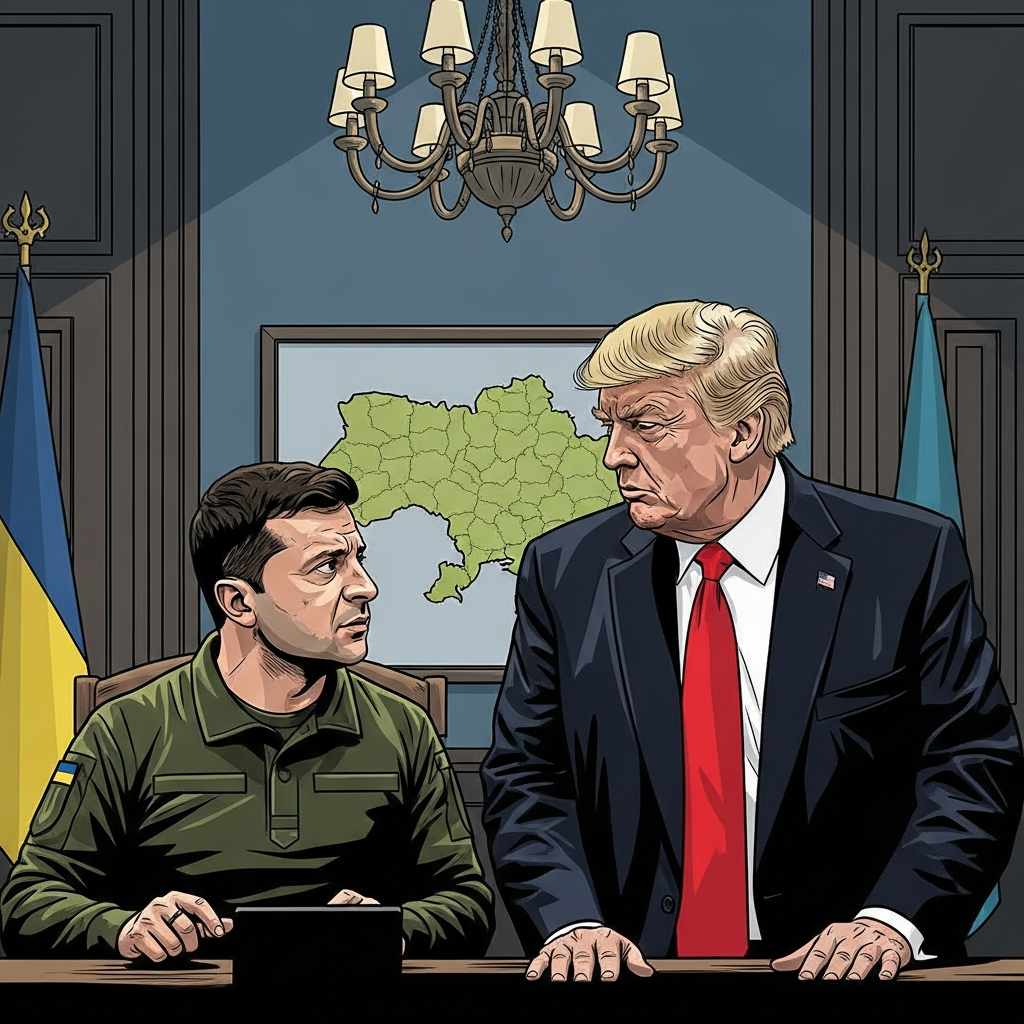
The global spotlight fixates on Florida as Ukrainian President Volodymyr Zelensky holds critical discussions with former US President Donald Trump. These pivotal talks aim to forge a path toward peace, marking a potential turning point in the nearly four-year conflict with Russia. This high-stakes diplomatic engagement unfolds amidst intensified Russian aggression, raising profound questions about the feasibility of a lasting resolution and the future of regional stability.
Hours before the scheduled meeting, Ukraine’s capital, Kyiv, endured a relentless barrage of Russian missiles and drones. This almost 10-hour bombardment, described by residents as “awful,” left a third of the city without heating in freezing temperatures. President Zelensky starkly characterized these attacks as “Russia’s answer to our peace efforts,” underscoring Moscow’s apparent unwillingness to engage in peaceful dialogue without significant concessions. The world watches closely to see if this crucial face-to-face encounter can defy the shadow of ongoing violence and pave the way for a genuine ceasefire.
Zelensky’s Bold Push for a 20-Point Peace Plan
President Zelensky arrives in Florida armed with a revised 20-point peace proposal, a testament to weeks of intensive US-Ukraine negotiations. This updated plan, refined from an earlier 28-point document, aims to secure crucial American backing to end the prolonged conflict. While the specifics are complex, several core tenets form the backbone of Ukraine’s diplomatic outreach.
Key elements of Zelensky’s peace framework include:
Future of Donbas: A central focus is the future of the Donbas region. Ukraine proposes transforming it into a “free economic zone” or a demilitarized zone, insisting it must remain policed by Ukrainian authorities. Zelensky has indicated willingness for reciprocal troop withdrawals, suggesting distances such as five, 10, or 40 kilometers. Any territorial adjustments or economic zone establishment would necessitate a national referendum in Ukraine.
Robust Security Guarantees: Emphasizing security as paramount, Zelensky seeks “strong” guarantees akin to NATO’s Article 5. These assurances are deemed vital for Ukraine’s long-term protection against future aggression. The US is reportedly open to offering NATO-like security guarantees for an eventual ceasefire. Zelensky has even signaled a readiness to forgo NATO membership ambitions in exchange for ironclad security commitments.
Referendum and Elections: Ukrainian elections, suspended since the February 2022 invasion due to martial law, have been a point of concern for some international figures, including Trump. Zelensky counters this, affirming Ukraine’s readiness for elections within 60-90 days, provided robust security guarantees from the US and its allies can be established.
Rehabilitation and Reconstruction: Looking beyond the immediate conflict, the plan addresses Ukraine’s monumental recovery. Discussions with Trump are expected to cover a joint US-Ukraine recovery roadmap extending to 2040. This initiative projects a staggering $700-800 billion need for reconstruction, prioritizing refugee return, economic prosperity, and eventual EU accession.
Continued Military Support: Amidst persistent Russian attacks, Zelensky’s call for “more missiles because Russia is attacking more” remains a crucial component, highlighting Ukraine’s immediate defensive needs even as diplomatic efforts intensify.
This comprehensive plan underscores Ukraine’s desire for a just and lasting peace, meticulously outlining conditions for territorial integrity, security, and future prosperity.
Moscow’s Unyielding Stance Amid Escalating Conflict
The backdrop to these peace talks is a dramatically escalating conflict, marked by Russia’s uncompromising position. Russian President Vladimir Putin has repeatedly stated that Ukraine is “not in a hurry” to end the war peacefully. He maintains that if Kyiv remains unwilling to resolve the conflict diplomatically, Moscow will achieve its objectives “through a special military operation by force.”
Adding to the aggressive rhetoric, Russian Foreign Minister Sergei Lavrov issued a stark warning. He declared that any European troop contingents deployed to Ukraine would be considered “legitimate targets” for Russia’s armed forces. Lavrov also accused European politicians of being driven by “ambitions” rather than genuine concern for the Ukrainian or European people.
Recent Military Developments:
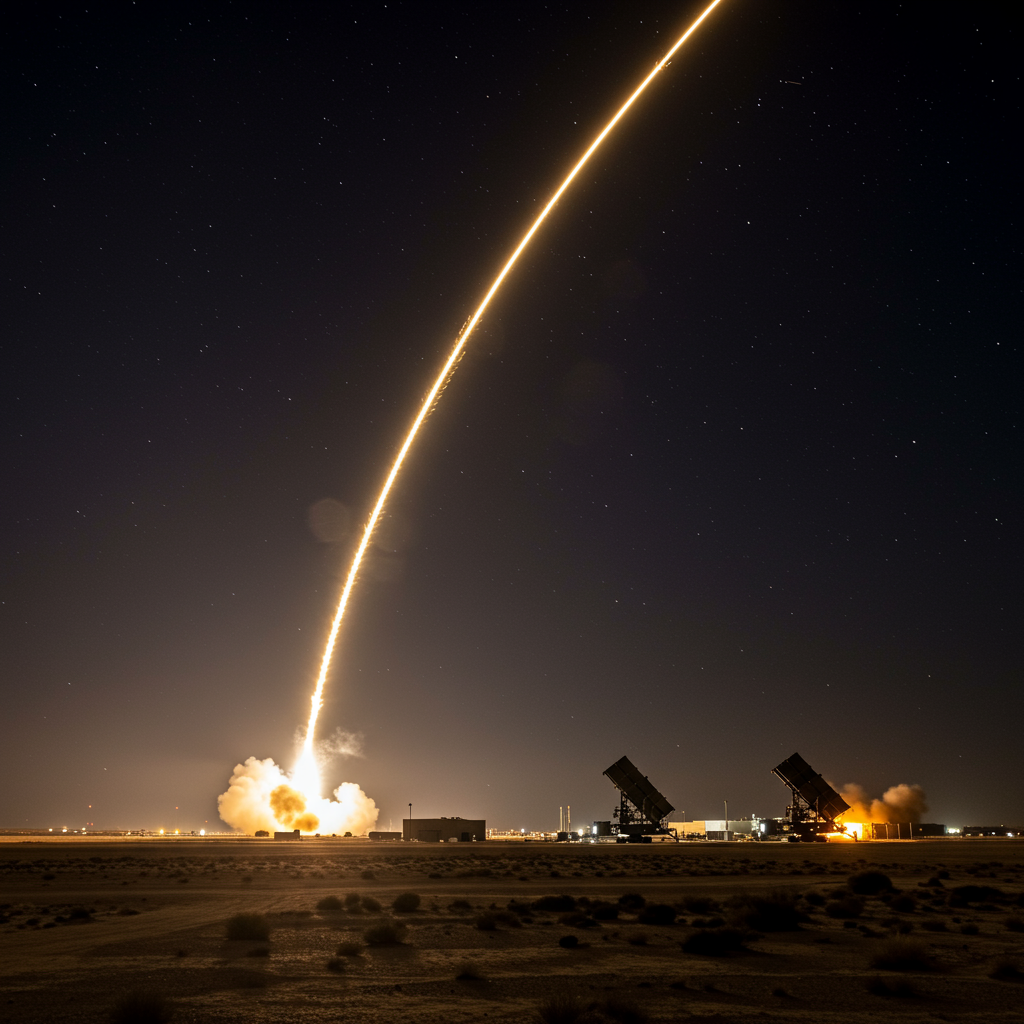
Massive Air Assaults: Hours before the Zelensky-Trump meeting, Russia launched one of its most significant drone and missile attacks, deploying nearly 500 drones (primarily Shaheds) and 40 missiles. These strikes targeted Kyiv and other regions, causing widespread damage and power outages.
Territorial Claims: Russia claims recent gains, with commanders reporting the capture of towns including Myrnohrad, Rodynske, and Artemivka in the Donetsk region, and Huliaipole and Stepnohirsk in the Zaporizhzhia region. However, Ukraine’s military refutes some of these claims, particularly for Huliaipole and Myrnohrad, asserting that fierce fighting continues and Ukrainian forces retain substantial control.
Hypersonic Missile Deployment: US researchers and intelligence sources indicate that Russia is likely deploying new hypersonic Oreshnik ballistic missiles in Belarus. With an estimated range of up to 5,500 km, this deployment is described by Belarus’s defense minister as a “response” to “Western aggression,” further escalating regional tensions.
These actions and statements from Moscow signal a deeply entrenched position, suggesting a challenging path for any mediated peace agreement. Russia’s continued use of force strongly implies a lack of genuine interest in peaceful resolution without significant Ukrainian concessions.
Trump’s Unique Position as Potential Peace Broker
Donald Trump’s engagement in these Zelensky Trump peace talks introduces a unique and unpredictable dynamic. Widely seen as a figure who “could broker peace” between Kyiv and Moscow, his direct involvement marks a shift from previous US negotiations primarily conducted by senior officials. However, Trump’s stance has been complex. In October, he famously refused Zelensky’s request for long-range Tomahawk missiles. More recently, he adopted a dominant tone regarding the peace plan, stating that Zelensky “doesn’t have anything until I approve it.”
This statement highlights the potential for Trump to significantly influence the outcome, either by endorsing Ukraine’s plan or by pushing for alternatives. His past neutrality and concerns about Ukraine’s suspended elections further complicate the expectations surrounding his mediation. European leaders, including Poland’s PM Donald Tusk, have noted Russia’s continued aggression despite Zelensky’s readiness for concessions, indicating a difficult path even for a high-profile mediator. The world watches to see if Trump will leverage his influence to facilitate a breakthrough or if his involvement will add another layer of complexity to an already intricate conflict.
International Solidarity and Coordinated Diplomacy
Despite the challenges, Ukraine continues to receive strong international backing. Ahead of the Zelensky Trump peace talks, President Zelensky made a crucial stop in Canada. There, Prime Minister Mark Carney (as per the provided source) pledged an additional C$2.5 billion in economic aid, condemning the “barbarism” of recent Russian attacks. Carney emphasized that establishing a lasting peace in Ukraine fundamentally “requires a willing Russia.”
European leaders have also reiterated their unwavering commitment. European Commission President Ursula von der Leyen affirmed that Europe’s objective remains “a just and lasting peace” that safeguards Ukraine’s sovereignty and territorial integrity while bolstering its security and defense capabilities. Zelensky plans to engage with European allies, including leaders from France, Germany, the UK, Italy, and the EU, after his meeting with Trump. This coordinated diplomatic effort aims to solidify international support and strengthen Ukraine’s bargaining position. Crucially, European leaders insist that any ceasefire must include international monitoring, a condition Russia reportedly opposes. This unified front underscores the global recognition of the severity of the conflict and the urgent need for a peaceful resolution.
The Formidable Hurdles to a Lasting Peace
The road to peace for Ukraine remains fraught with immense challenges. The simultaneous escalation of Russian military aggression and diplomatic efforts underscores the profound disconnect between the warring parties. Ukraine’s revised 20-point peace plan offers a detailed framework for resolution, focusing on territorial integrity, robust security guarantees, and future reconstruction. However, Russia’s demands for significant territorial concessions and its unwavering resolve to achieve objectives “by force” present a formidable obstacle.
The involvement of Donald Trump, while offering a potential avenue for breakthrough, also introduces an element of unpredictability. His unique leverage and past pronouncements mean that the trajectory of these Zelensky Trump peace talks could significantly shape the conflict’s future. For a just and lasting peace to emerge, not only must a “willing Russia” be present, but international pressure and steadfast support for Ukraine must remain unyielding. The success of these discussions hinges on overcoming deep-seated mistrust and finding common ground on fundamentally divergent objectives, particularly regarding territorial sovereignty and security.
Frequently Asked Questions
What are the main points of Zelensky’s proposed 20-point peace plan?
Zelensky’s revised 20-point peace plan focuses on several key areas. These include proposals for the Donbas region, such as creating a “free economic zone” or demilitarized zone under Ukrainian policing, and requiring a national referendum for any territorial adjustments. The plan also prioritizes securing robust “NATO-like” security guarantees for Ukraine’s future, outlines conditions for holding elections (suspended since 2022) within 60-90 days if security permits, and addresses long-term rehabilitation and reconstruction efforts, estimating a need for $700-800 billion. Additionally, it emphasizes the need for continued military support, particularly more missiles, given ongoing Russian attacks.
Why is Donald Trump seen as a pivotal figure in these peace talks?
Donald Trump is considered a pivotal figure due to his unique position and past interactions with both Ukraine and Russia. Unlike previous US negotiations handled by senior officials, Trump’s direct involvement offers a distinct dynamic. He is perceived by some as potentially capable of brokering peace between Kyiv and Moscow, given his past diplomatic approaches. However, his stance has been complex, including a prior refusal to grant long-range missiles to Ukraine and a recent declaration that Zelensky’s plan “doesn’t have anything until I approve it.” This indicates his significant influence over any potential US endorsement or counter-proposal, making his role central to the future direction of the conflict.
How has Russia responded to Ukraine’s peace efforts and the ongoing diplomacy?
Russia has responded to Ukraine’s peace efforts with continued military aggression and an unyielding diplomatic stance. Hours before the Zelensky-Trump talks, Russia launched a massive missile and drone attack on Kyiv, which President Zelensky described as “Russia’s answer to our peace efforts.” Russian President Vladimir Putin has stated that Ukraine is “not in a hurry” for peace and threatens to resolve the conflict “by force” if necessary. Furthermore, Foreign Minister Sergei Lavrov declared that any European troops in Ukraine would be “legitimate targets,” and Russia continues to claim territorial gains. These actions and statements consistently underscore Russia’s unwillingness to compromise without significant Ukrainian concessions, making a peaceful resolution extremely challenging.
Conclusion
The high-stakes meeting between President Zelensky and Donald Trump in Florida represents a crucial moment in the long-running Ukraine-Russia conflict. Against a backdrop of intensified Russian attacks and firm demands from Moscow, Zelensky’s 20-point peace plan offers a comprehensive vision for a just and lasting resolution. While the global community rallies in support of Ukraine’s sovereignty, the path to peace remains complex and fraught with formidable hurdles. The outcome of these discussions, particularly Trump’s response to Ukraine’s proposals, will undoubtedly shape the future trajectory of the war, influencing not only regional stability but also broader international relations. All eyes are on Florida, as diplomacy navigates the turbulent waters of ongoing aggression and deeply entrenched positions, hoping to chart a course toward an end to the nearly four-year conflict.