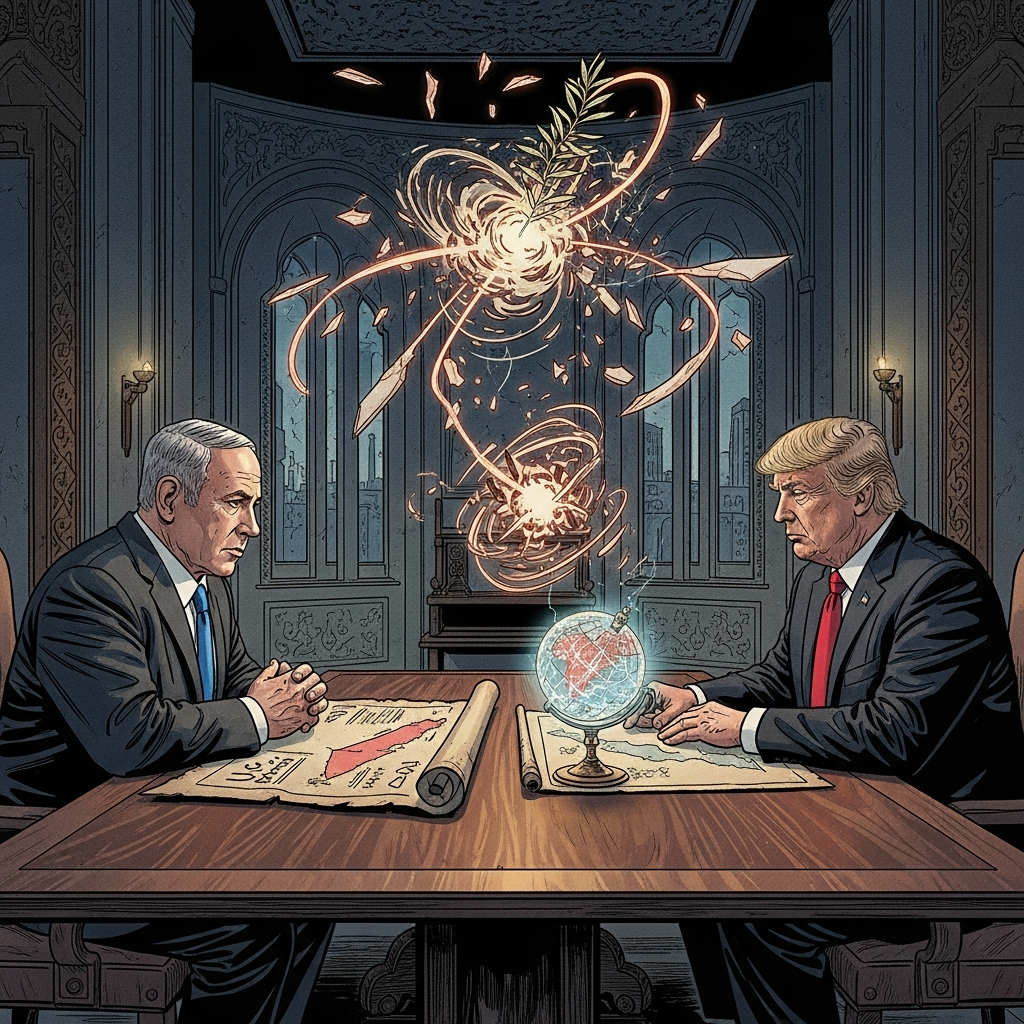
In a rapidly evolving geopolitical landscape, the prospect of Israeli Prime Minister Benjamin Netanyahu meeting with former U.S. President Donald Trump to discuss the “next phase of Gaza plan” signals a pivotal moment for Middle East diplomacy. Such a high-stakes discussion would inevitably explore critical strategies for stability, humanitarian concerns, and long-term regional security. This article delves into the complexities surrounding potential strategies for Gaza, the historical context of US-Israel relations, and the intricate web of challenges and opportunities these two influential leaders might address. Understanding the nuances of their past collaborations and divergent approaches is crucial for grasping the future trajectory of the Gaza Strip and broader Middle Eastern peace efforts.
The Geopolitical Chessboard: Understanding the Gaza Context
The Gaza Strip remains one of the world’s most densely populated and politically volatile regions, grappling with decades of conflict, blockade, and humanitarian crises. Its strategic location and control by Hamas since 2007 have made it a focal point for international concern and a significant challenge for both Israeli security and Palestinian aspirations. Any “next phase of Gaza plan” must contend with the deeply entrenched issues of governance, economic development, security, and the welfare of its over two million residents. The involvement of powerful figures like Netanyahu and Trump underscores the global significance attached to finding a viable path forward.
A Legacy of Conflict: Gaza’s Complex History
Gaza’s history is marked by cycles of conflict, occupation, and failed peace initiatives. From its Egyptian administration before 1967, through Israeli occupation, and eventually to limited Palestinian self-rule under the Palestinian Authority (PA), its political status has always been contested. The subsequent rise and consolidation of Hamas power introduced a new dimension, creating a de facto split between Gaza and the Fatah-led PA in the West Bank. This historical backdrop highlights the immense difficulty in formulating a comprehensive, sustainable plan that addresses both Israeli security needs and Palestinian rights and aspirations. A true resolution demands a deep understanding of these historical grievances and current realities.
Key Players and Their Stakes in Gaza
Beyond Israel and the Palestinian factions, numerous regional and international actors hold significant stakes in Gaza’s future. Egypt, bordering Gaza, plays a crucial role in mediating ceasefires and controlling border crossings. Qatar provides substantial financial aid, influencing reconstruction efforts. The United States, as Israel’s primary ally, has historically been a key broker in peace negotiations, albeit with varying degrees of success. Turkey and Iran also exert influence through their support for different Palestinian groups. Each player brings their own interests, ideologies, and diplomatic leverage to the table, making any consensual “Gaza plan” a formidable challenge requiring extensive diplomacy.
The Trump Administration’s Middle East Vision: A Precedent
During his presidency, Donald Trump pursued a distinct and often unconventional approach to Middle East peace, marked by close alignment with Israeli policies and a focus on regional realignments. His administration’s initiatives, particularly the “Deal of the Century” and the Abraham Accords, fundamentally reshaped the diplomatic landscape and provide important context for any renewed discussions about Gaza. Understanding these past efforts is key to anticipating the potential contours of a future plan involving his influence.
The “Deal of the Century” and Its Reception
Trump’s “Deal of the Century,” unveiled in 2020, aimed to resolve the Israeli-Palestinian conflict with a comprehensive framework. It proposed an independent Palestinian state with significant territorial concessions, but notably recognized Israeli sovereignty over major settlement blocs and a unified Jerusalem as Israel’s capital. While lauded by Israel, the plan was overwhelmingly rejected by Palestinians for failing to meet their minimum demands for statehood and self-determination. The “Deal” offered a glimpse into the Trump administration’s preference for direct negotiations and an emphasis on Israeli security perspectives, potentially bypassing traditional international consensus. This historical proposal serves as a crucial reference point for understanding Trump’s potential contribution to a “next phase of Gaza plan.”
Shifting Alliances: The Abraham Accords’ Impact
A more successful diplomatic achievement of the Trump era was the Abraham Accords, which normalized relations between Israel and several Arab nations, including the UAE, Bahrain, Sudan, and Morocco. These agreements bypassed traditional Palestinian demands for statehood as a prerequisite for normalization, focusing instead on shared security concerns and economic cooperation against Iran. While not directly addressing Gaza, the Accords demonstrated a new regional paradigm, suggesting that future peace initiatives might prioritize broader regional stability and economic incentives over solely focusing on the Israeli-Palestinian conflict. This could influence how a “next phase of Gaza plan” is framed, perhaps integrating it into a wider regional security or economic framework.
What a “Next Phase of Gaza Plan” Could Entail
Discussions between Netanyahu and Trump on a “next phase of Gaza plan” would likely focus on several critical pillars: security, humanitarian aid, economic development, and future governance. The goal would be to move beyond the reactive cycle of conflict and crisis management towards a more proactive, potentially long-term strategy. The scale of the challenges, however, means any plan must be multi-faceted and resilient.
Security Concerns vs. Humanitarian Imperatives
At the heart of any Gaza plan lies the perennial tension between Israel’s legitimate security concerns and the urgent humanitarian needs of the Palestinian population. Israel seeks to prevent rocket fire, terror tunnels, and arms smuggling, viewing robust security measures as paramount. Simultaneously, international bodies and aid organizations stress the critical need for unrestricted entry of goods, freedom of movement, and access to essential services like healthcare and education for Gaza’s residents. A successful “next phase” would need to innovate solutions that genuinely address both dimensions without compromising either. This could involve enhanced border technologies, demilitarization agreements, alongside significant international investment in infrastructure and basic services to foster long-term stability in the Gaza Strip.
Political Futures: From Reconstruction to Governance
Beyond immediate crisis management, a long-term Gaza plan must tackle the complex issue of governance. Who will administer Gaza? Will Hamas retain power, or will alternatives be sought? Options could range from a reformed Palestinian Authority returning to Gaza, to an interim international administration, or even a regional consortium involving Arab states. Each option presents immense political and logistical hurdles. Furthermore, substantial international funding will be essential for reconstruction following repeated conflicts and for stimulating economic growth, creating jobs, and improving living conditions. Without a clear and legitimate governance structure and a viable economic horizon, any peace plan remains fragile.
The Role of International Partners
The success of any “next phase of Gaza plan” heavily relies on the engagement and sustained commitment of international partners. The United Nations, European Union, and key Arab states would be crucial for providing financial aid, monitoring agreements, and lending diplomatic weight to implementation efforts. Their involvement could help ensure accountability, provide essential humanitarian support, and create a broader consensus for peace. Discussions between Netanyahu and Trump would undoubtedly touch upon how to galvanize this international support and streamline coordination to maximize impact and overcome potential resistance from various factions.
Decoding the Netanyahu-Trump Dynamic
The relationship between Benjamin Netanyahu and Donald Trump has been characterized by a unique blend of personal rapport and strategic alignment. Their past collaborations offer insights into how they might approach a future “Gaza plan,” highlighting both potential synergies and points of emphasis.
A History of Close Alignment
Throughout Trump’s presidency, Netanyahu found a staunch ally in the White House. This alignment manifested in several significant policy shifts, including the U.S. recognition of Jerusalem as Israel’s capital, the relocation of the U.S. embassy, and the recognition of Israeli sovereignty over the Golan Heights. This history suggests that any “Gaza plan” emerging from their discussions would likely prioritize Israeli security concerns and strategic interests, potentially reflecting a more unilateral approach to resolving complex issues. Their strong personal relationship allowed for direct communication and a perceived shared vision for regional stability, often diverging from traditional diplomatic norms.
Potential Agendas and Diplomatic Leverage
In a potential meeting, Netanyahu would likely seek U.S. backing for Israeli security imperatives in Gaza, perhaps pushing for further demilitarization or stricter controls on aid to prevent it from reaching Hamas. He might also explore ways to isolate Hamas politically and economically. Trump, from his perspective, could leverage his past “Deal of the Century” framework, emphasizing regional normalization and economic incentives, while potentially seeking to reassert American leadership in Middle East peacemaking. Both leaders understand the power of diplomatic leverage and public messaging, making any joint declaration or strategy highly significant for the future of the Gaza Strip and broader Israeli-Palestinian relations.
Looking Ahead: Challenges and Opportunities for Peace
The path to a durable solution for Gaza is fraught with formidable challenges, yet also presents opportunities for innovative diplomacy and a genuine shift towards sustainable peace.
Navigating Regional Instability
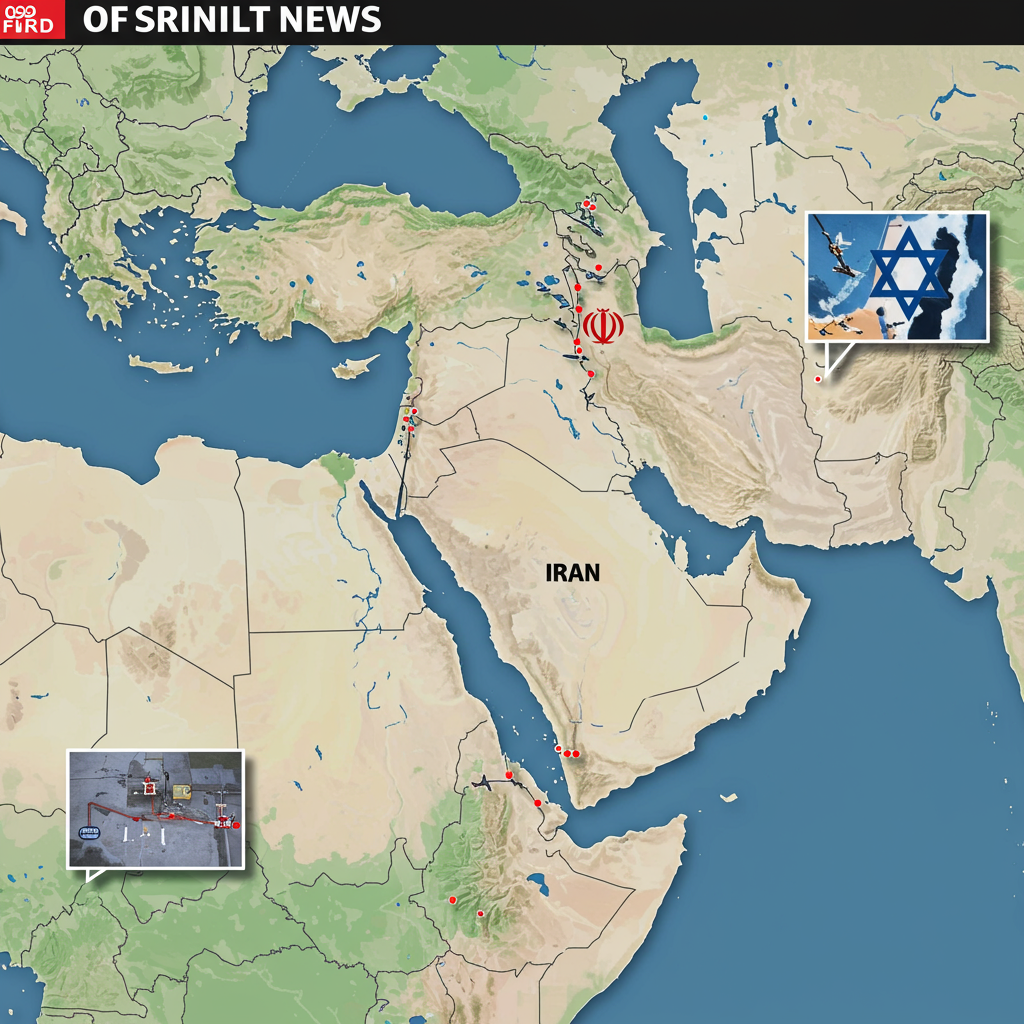
The broader Middle East remains a hotbed of regional rivalries and proxy conflicts, which inevitably impact the prospects for peace in Gaza. The ongoing tensions with Iran, the conflict in Syria, and political shifts within Arab nations all contribute to a complex environment. Any “Gaza plan” must be robust enough to withstand these regional pressures and ideally contribute to overall de-escalation rather than exacerbating existing conflicts. Integrating Gaza into a larger framework of regional economic cooperation and security dialogue could offer a more resilient solution.
The Path to Sustainable Peace
Achieving sustainable peace in Gaza requires more than just military solutions or temporary ceasefires. It demands a holistic approach that addresses the root causes of conflict: political disenfranchisement, economic despair, and lack of future prospects for its youth. A truly effective “next phase of Gaza plan” would ideally encompass robust governance, significant economic investment, freedom of movement, and a credible political horizon for Palestinians. While difficult, the potential for a new framework involving powerful leaders like Netanyahu and Trump could open doors to exploring solutions that have historically seemed out of reach, provided they are inclusive and balanced.
Frequently Asked Questions
What are the key objectives for a “next phase of Gaza plan” discussed by leaders like Netanyahu and Trump?
A “next phase of Gaza plan” would primarily aim to achieve lasting security for Israel, prevent future conflicts originating from the Gaza Strip, and address the severe humanitarian and economic conditions faced by Gazan residents. Discussions between leaders like Netanyahu and Trump would likely focus on strategies for demilitarization, establishing stable governance, facilitating reconstruction and economic development, and ensuring the effective delivery of humanitarian aid while preventing its diversion by militant groups. The overarching goal would be to break the cycle of violence and instability.
How do historical diplomatic efforts, such as the “Deal of the Century” and Abraham Accords, inform current discussions on Gaza?
The “Deal of the Century” (Trump’s 2020 peace proposal) provides a precedent for specific policy stances, such as U.S. recognition of Israeli sovereignty over certain territories and a focus on Israeli security. While rejected by Palestinians, it outlines a potential ideological framework. The Abraham Accords, which normalized relations between Israel and several Arab nations, demonstrate a shift towards regional cooperation and economic incentives, potentially influencing a “next phase” to integrate Gaza into broader regional stability initiatives rather than solely focusing on a bilateral Israeli-Palestinian peace.
What are the main challenges in implementing a long-term solution for the Gaza Strip?
Implementing a long-term solution for Gaza faces immense challenges, including the deeply entrenched security concerns of Israel, the need to find a legitimate and effective governance structure for the Palestinian population, and overcoming the political divisions between Palestinian factions (Hamas in Gaza, Palestinian Authority in the West Bank). Additionally, securing sustained international funding for reconstruction and economic development, ensuring humanitarian access, and navigating the complex regional geopolitical landscape with various external actors all contribute to the difficulty of achieving lasting peace and stability in the Gaza Strip.
Conclusion
The potential for a meeting between Benjamin Netanyahu and Donald Trump to deliberate on the “next phase of Gaza plan” underscores the critical need for renewed, high-level strategic thinking concerning this volatile region. While the challenges are profound, the opportunity for influential leaders to forge a new path remains. Any viable plan must delicately balance robust Israeli security requirements with the urgent humanitarian and political aspirations of the Palestinian people in Gaza. It requires an understanding of historical grievances, the complexities of regional dynamics, and a commitment to innovative solutions. The discussions, whether formal or informal, could set a significant precedent for future engagement, shaping the destiny of millions and influencing the broader trajectory of peace and stability in the Middle East.