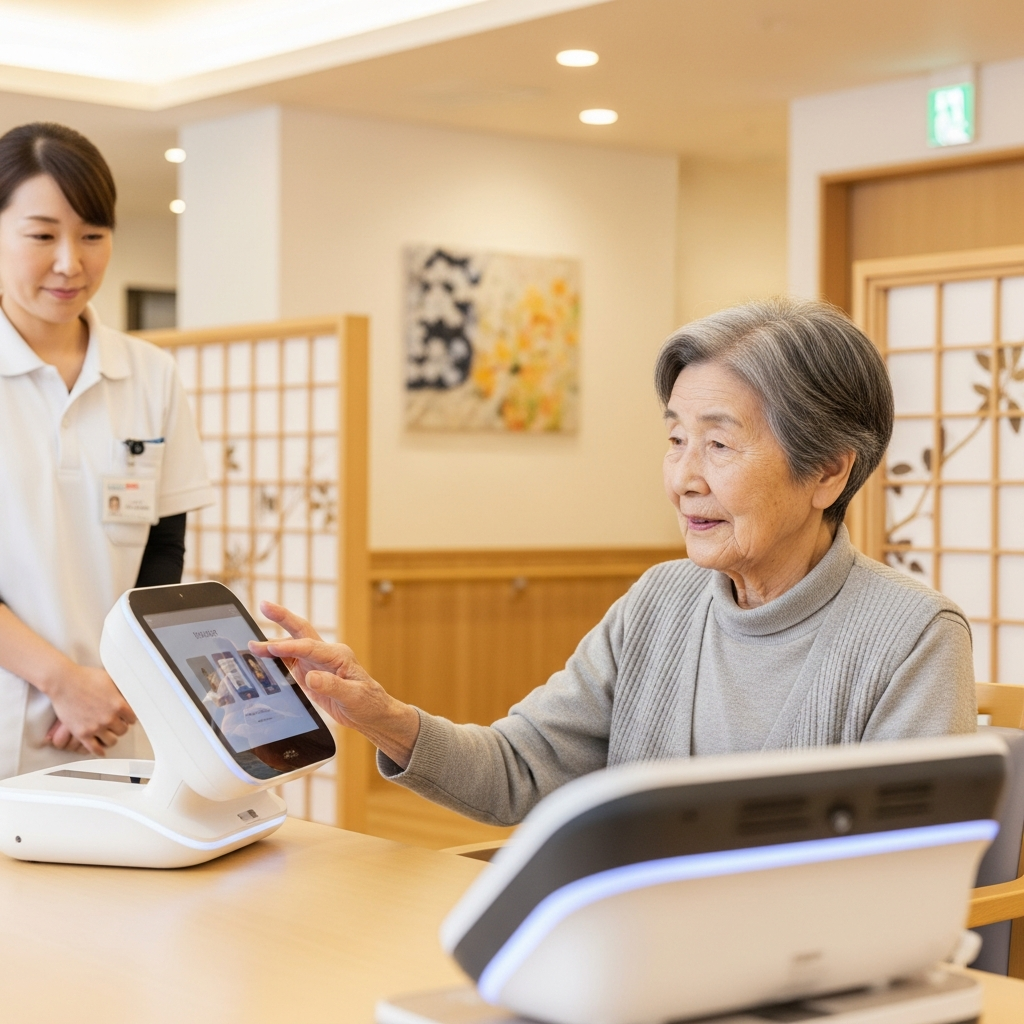
Japan faces an unprecedented demographic challenge: a rapidly aging population alongside declining birth rates. This unique scenario has fueled a profound dementia crisis, placing immense strain on healthcare systems and families alike. As the number of individuals living with cognitive decline escalates, the search for sustainable and compassionate solutions becomes more urgent. Fortunately, innovative technology is emerging as a critical ally, offering new pathways to enhance care, support caregivers, and improve the quality of life for those affected. This article explores the scale of Japan’s dementia challenge and unveils how cutting-edge technological advancements are providing hope.
The Alarming Scale of Japan’s Dementia Crisis
Japan stands at the forefront of global aging. Over 28% of its population is aged 65 or older. This demographic shift inevitably leads to a higher prevalence of age-related conditions, including dementia. Experts project that by 2025, one in five Japanese people over 65 will be living with dementia. This staggering figure translates to millions of individuals requiring complex care. The human cost is immense, impacting patients, families, and the broader society. Caregiver burnout is a significant concern, often leading to mental and physical health issues. Traditional care models are simply overwhelmed by this growing demand, necessitating a paradigm shift.
Understanding Japan’s Unique Demographic Challenge
The “super-aging” society in Japan is a result of several decades of low birth rates and extended life expectancies. While longevity is a triumph, it also brings complex societal issues. A shrinking younger workforce struggles to support a burgeoning elderly population. This imbalance is particularly acute in the healthcare sector. There is a critical shortage of professional caregivers. Families often bear the brunt of care responsibilities. The cultural emphasis on filial piety means many adult children feel obliged to care for their elderly parents. This often comes at a high personal and professional cost.
Technology as a Beacon of Hope for Dementia Care
In response to the escalating Japan dementia crisis, the nation has turned its innovative spirit towards technological solutions. These advancements are not merely gadgets. They are designed to create safer environments, foster independence, and alleviate caregiver burdens. From sophisticated robotics to intelligent monitoring systems, technology is transforming how dementia care is delivered. The goal is to provide dignified support while optimizing available resources. This proactive approach highlights Japan’s commitment to tackling its demographic challenges head-on.
Robotics and AI: Intelligent Companions and Care Support
Robotics and Artificial Intelligence (AI) are perhaps the most visible technological contributions. Companion robots, like Paro the seal, offer emotional support and reduce agitation in patients. These therapeutic robots engage users with interactive features. Other robots assist with physical tasks, such as lifting or mobility aid.
AI-powered systems are revolutionizing cognitive assessment and monitoring. Algorithms can analyze speech patterns, gait, and daily routines to detect subtle changes indicative of cognitive decline. Early detection is crucial for intervention. These systems also provide personalized cognitive stimulation exercises. They adapt to an individual’s progress and needs. AI also helps optimize care schedules and allocates resources more efficiently within care facilities.
Smart Homes and Wearable Devices: Enhancing Safety and Independence
Smart home technology is pivotal for allowing individuals with dementia to live independently longer. Sensors placed around the home can monitor movement, sleep patterns, and appliance usage. They can detect anomalies, such as a patient wandering out of bed at an unusual time or leaving the stove on. Alerts are then sent to caregivers or family members. These systems offer peace of mind. They also provide a discreet layer of safety.
Wearable devices, like smartwatches and GPS trackers, enhance personal safety. They can monitor vital signs, track location, and even detect falls. For individuals prone to wandering, a GPS tracker can be invaluable. It ensures their safety while maintaining a degree of freedom. These devices are often designed to be unobtrusive and user-friendly.
Virtual Reality (VR) and Digital Platforms: Cognitive Engagement and Training
Virtual Reality (VR) is increasingly used for cognitive stimulation and reminiscence therapy. VR experiences can transport individuals to familiar places from their past. They can also provide calming nature scenes. This technology helps stimulate memory and reduce anxiety. It offers a safe and controlled environment for engagement.
Digital platforms and apps also provide structured cognitive exercises. These platforms are often gamified to keep users engaged. They help maintain cognitive function and delay decline. Telemedicine platforms further facilitate remote consultations and support groups. They connect patients and caregivers with healthcare professionals, especially in remote areas.
Addressing Challenges and Ensuring Ethical Implementation
While technology offers significant promise, its widespread adoption faces challenges. The initial cost of advanced technology can be high. Ensuring accessibility and affordability for all is crucial. There is also a need for adequate training for both caregivers and patients. Digital literacy can vary significantly among older adults.
Ethical considerations are paramount. Privacy concerns regarding data collection from smart devices must be addressed. Striking the right balance between monitoring for safety and respecting personal autonomy is vital. Japan’s healthcare system and policymakers are actively working on regulations. They aim to guide the responsible and ethical integration of these technologies. Public acceptance and trust are essential for success.
The Role of Caregivers and Community Support
Technology is a tool, not a replacement for human connection. Caregivers remain the cornerstone of dementia support. Technology can free up their time from routine tasks. This allows them to focus on personalized interaction and emotional support. Community initiatives that combine technological solutions with human touch are most effective. Support groups and educational programs are essential. They help families navigate the complexities of dementia care. They also ensure they can leverage available technological aids effectively.
Frequently Asked Questions
What defines Japan’s severe dementia crisis?
Japan’s dementia crisis is characterized by an exceptionally high and rapidly increasing number of older adults living with cognitive decline, driven by its leading “super-aging” population globally. Over 28% of the population is 65 or older, with projections indicating one in five people over 65 will have dementia by 2025. This situation strains healthcare resources and caregiver capacity, making it a critical societal challenge requiring innovative solutions beyond traditional care models.
Which key technologies are transforming dementia care in Japan?
Several innovative technologies are transforming dementia care in Japan. These include robotics (e.g., companion robots like Paro for emotional support), AI-powered systems for early detection and personalized cognitive stimulation, smart home technology (sensors for safety monitoring), and wearable devices (GPS trackers, vital sign monitors). Additionally, Virtual Reality (VR) is used for reminiscence therapy and cognitive engagement, while digital platforms offer cognitive exercises and telemedicine.
How can these technological solutions support caregivers and families in Japan?
Technological solutions offer significant support to caregivers and families by enhancing patient safety and reducing caregiver burden. Smart homes and wearables provide peace of mind through constant monitoring and fall detection. Robotics and AI assist with routine tasks and provide cognitive engagement for patients. This allows caregivers more time for direct emotional interaction. Telemedicine connects families with professionals. Overall, technology aims to sustain patients’ independence and alleviate the demanding aspects of care, improving the overall quality of life for both patients and their support networks.
The Path Forward: A Synergistic Approach
The Japan dementia crisis demands a multi-faceted response. Technology offers powerful tools, but they must be integrated thoughtfully. A synergistic approach combining cutting-edge innovations with compassionate human care is the optimal path forward. Continued research and development in areas like AI diagnostics, personalized digital therapies, and more intuitive robotics will be crucial. By embracing these technological advancements responsibly, Japan can not only navigate its current crisis but also set a global example for future-proofing elder care in an aging world. This proactive stance promises a future where individuals with dementia can live with greater dignity, safety, and connection.