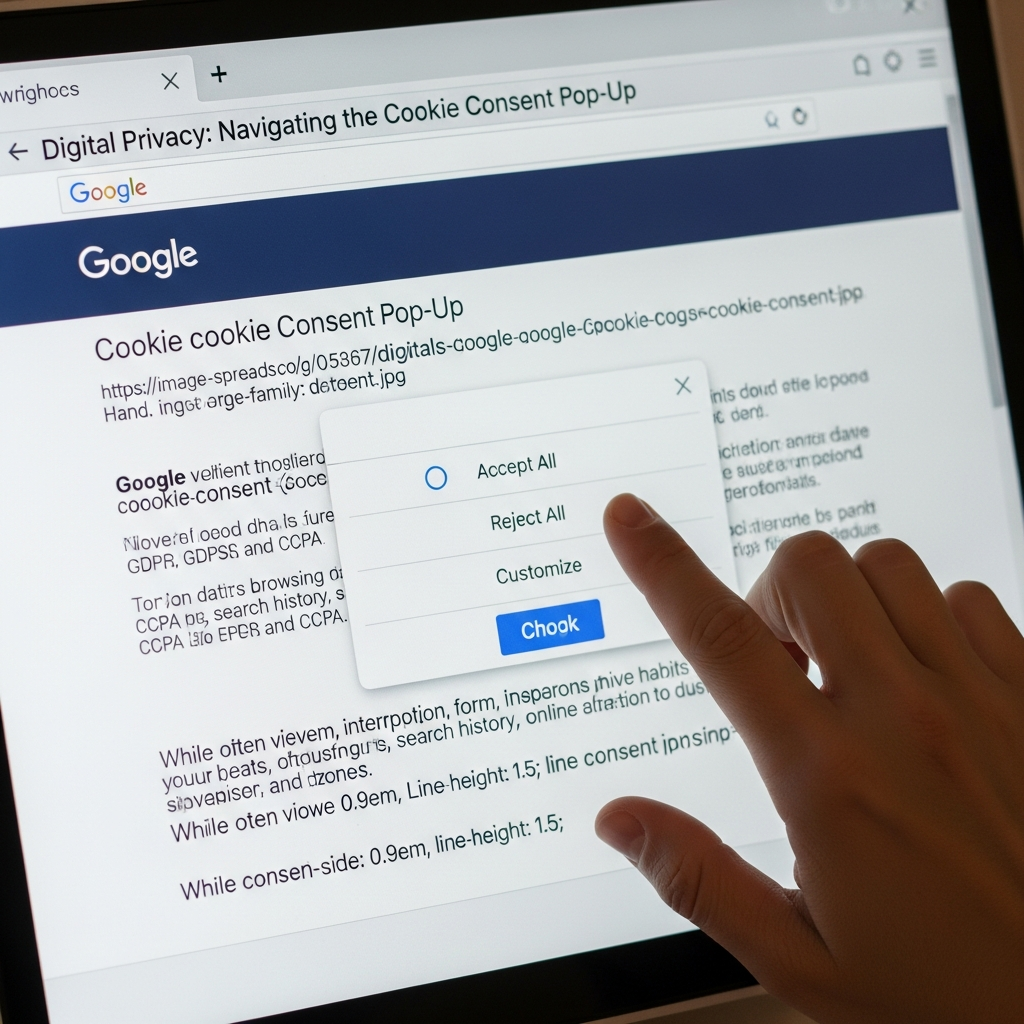
Have you ever encountered the ubiquitous “Before you continue to Google” screen, prompting you to make a choice about cookies and data? This digital gatekeeper is more than just a pop-up; it’s a critical touchpoint for your online privacy and how you experience the vast world of Google services, from searching for information to catching up on the latest headlines and perspectives. Understanding what you’re consenting to is essential in today’s data-driven landscape, empowering you to control your digital footprint. This comprehensive guide will demystify Google’s privacy settings and cookie consent, helping you make informed decisions that align with your personal preferences for data sharing and content personalization.
The Digital Gatekeeper: Why Google Asks for Your Consent
In a rapidly evolving digital world, the way companies handle user data has come under intense scrutiny. Regulations like the General Data Protection Regulation (GDPR) in Europe and the California Consumer Privacy Act (CCPA) in the United States have ushered in an era where user consent is paramount. Google, as a global leader in online services, implements these consent mechanisms to comply with these laws and build user trust. When you see that “Before you continue” prompt, it’s Google fulfilling its legal and ethical obligations to inform you about data collection and give you a choice.
This initial interaction isn’t merely a formality; it’s a foundational step in your online journey. It serves as an opportunity for you to actively participate in managing your personal data, influencing everything from the ads you see to the news stories presented to you. At its core, Google’s cookie consent dialog is a testament to the growing emphasis on user rights and transparency in the digital realm. It ensures that the use of your data is based on your explicit permission, empowering you rather than merely collecting information passively.
Beyond Just Cookies: Understanding Google’s Data Usage
While “cookies” often take center stage in privacy discussions, Google’s data collection extends far beyond these small text files. Google collects various types of data to deliver, maintain, and enhance its extensive suite of services. This data encompasses your interactions across platforms like Search, YouTube, Maps, and Gmail. Understanding the full scope of this data is key to grasping the implications of your consent choices.
The primary stated purposes for data collection are multifaceted. Firstly, it’s crucial for delivering and maintaining Google services. This includes ensuring that search results are relevant, emails are delivered efficiently, and maps provide accurate directions. Secondly, data helps track outages and protect against spam, fraud, and abuse, safeguarding both the platform and its users. Finally, Google utilizes data to measure audience engagement and site statistics. This analytical data allows them to understand how services are used, identify areas for improvement, and ultimately enhance the quality of those services for everyone. This ensures a more stable, secure, and user-friendly experience across all Google platforms.
Decoding Your Choices: “Accept All” vs. “Reject All”
The cookie consent screen typically presents you with clear options: “Accept all” or “Reject all.” Each choice has distinct implications for your Google experience and the extent of data collection. Understanding these differences is vital for making an informed decision that aligns with your comfort level regarding data privacy and content personalization.
When you select “Accept all,” you grant Google broader permission to use cookies and data for additional purposes. Beyond the core functions of service delivery and security, accepting all enables Google to develop and improve new services. This means your aggregated usage patterns can contribute to future innovations. Crucially, it also allows Google to deliver and measure the effectiveness of ads, leading to potentially more relevant advertisements. Most significantly for many users, “Accept all” means Google can show personalized content and personalized ads based on your settings and past activity. This might include tailored news feeds, recommended videos, or products advertised based on your search history.
Conversely, choosing “Reject all” limits Google’s use of cookies and data to only the essential purposes required to deliver services, protect against abuse, and measure basic site statistics. Under this option, Google will not use cookies for developing new services or for personalizing content and ads. Instead, you will receive non-personalized content influenced by factors like the content you’re currently viewing, activity in your active search session, and your general location. Similarly, non-personalized ads will be influenced by the content on the page you’re viewing and your broader geographical area, rather than your individual browsing habits or search history. While this offers a higher degree of privacy, it may result in a less tailored online experience.
The Power of “More Options”: Fine-Tuning Your Privacy
For users who desire a more granular approach to their data privacy, the “More options” button is your gateway to detailed controls. This often overlooked link leads you to a comprehensive suite of privacy settings where you can customize your preferences beyond a simple accept or reject. Here, you can delve into specific categories of data usage and make choices that reflect your individual comfort level.
Within “More options,” you can typically find controls for:
Ad Personalization: Toggle on or off the use of your data to show you personalized advertisements.
Activity Controls: Manage what types of activity Google saves to your account (e.g., Web & App Activity, Location History, YouTube History). You can often pause these or set auto-delete options.
Ad Settings: Review the categories Google has identified as interests for you and remove any you don’t want associated with your profile.
Personalized Results: Control whether your past activity influences search results and recommendations.
Exploring these controls allows you to strike a balance between a personalized experience and your privacy concerns. It’s an empowering step towards truly owning your digital data, ensuring that Google’s services adapt to your specific choices rather than a broad, default setting. This flexibility ensures that you can enjoy the benefits of Google’s extensive services while maintaining a level of privacy that suits your individual needs.
The Impact on Your Content Experience
The choices you make regarding Google’s privacy settings and cookie consent directly shape your content experience, especially when seeking “headlines and perspectives.” For platforms like Google News, YouTube, and even general search results, personalization plays a significant role in what information is presented to you. This can be a double-edged sword, offering both immense convenience and potential drawbacks.
If you opt for “Accept all” and allow personalized content, Google’s algorithms will leverage your search history, viewing habits, and other data to curate a feed of news stories, articles, and videos that are highly relevant to your interests. This means you’re more likely to see headlines about topics you care about, perspectives from sources you’ve previously engaged with, and recommendations that align with your established preferences. While this can make discovering content incredibly efficient and engaging, it can also lead to what’s known as a “filter bubble” or “echo chamber,” potentially limiting your exposure to diverse viewpoints and challenging information.
Conversely, if you choose “Reject all,” your content experience will be less personalized. While you can still access all of Google’s services, the recommendations and news feeds you encounter will be based on broader trends, popular topics, or what’s generally relevant to your location, rather than your individual digital footprint. This approach might require more active searching to find specific information, but it offers the advantage of potentially exposing you to a wider array of perspectives, helping you break out of algorithmic suggestions and fostering a more varied information diet.
Google’s Global Approach to Privacy
The multi-language support visible in Google’s consent dialogs (from Afrikaans to Japanese, Arabic to Ukrainian) underscores the company’s global reach and its commitment to navigating a complex patchwork of international privacy regulations. This global approach means adapting its data handling practices to comply with diverse legal frameworks across different jurisdictions.
For instance, the stringent requirements of the GDPR in the European Union have significantly influenced how Google implements consent mechanisms worldwide, often setting a higher standard for user control. Similarly, specific data residency laws or consumer protection acts in countries like India, Brazil, or Australia also play a role in shaping localized privacy experiences. Google’s extensive language offerings reflect not just a user-friendly interface but a proactive effort to communicate its policies and options clearly to a global audience, respecting cultural and legal nuances related to personal data. This intricate balance ensures that while core services remain consistent, privacy features can be tailored to meet regional compliance and user expectations.
Protecting Your Digital Footprint: Best Practices
Taking control of your Google privacy settings isn’t a one-time event; it’s an ongoing process. Implementing a few best practices can help ensure your digital footprint remains aligned with your preferences long after the initial cookie consent screen. Regularly reviewing and adjusting these settings is crucial in a dynamic online environment.
First, make it a habit to periodically visit g.co/privacytools. This centralized hub for Google’s privacy settings allows you to review your activity controls, manage ad personalization, and explore other privacy dashboards. Set a reminder, perhaps quarterly, to audit your choices and ensure they still reflect your comfort level. Second, understand the implications of logged-in versus logged-out browsing. While Google can still track some activity when you’re logged out (via IP address, device info, non-personalized cookies), being logged into your Google Account offers more granular control over what data is saved and used. Finally, consider using privacy-focused browser extensions or alternative browsers if you wish to further minimize tracking beyond Google’s internal controls. These tools can block third-party cookies and trackers, offering an additional layer of protection. Empowering yourself with knowledge and proactive management is the best way to safeguard your digital privacy.
Frequently Asked Questions
What specific data does Google collect and why is it used?
Google collects various types of data, including your search queries, browsing history, location information (if enabled), voice and audio activity, YouTube watch history, and app usage data. This data is primarily used to deliver and maintain Google services, track outages, protect against spam and fraud, and measure audience engagement. When you accept all cookies, it also allows Google to develop new services, measure ad effectiveness, and provide personalized content and ads based on your past activity and settings.
Where can I manage my Google privacy settings after the initial consent screen?
You can manage your Google privacy settings at any time by visiting g.co/privacytools. This comprehensive portal allows you to review and adjust your activity controls (e.g., Web & App Activity, Location History, YouTube History), manage ad personalization settings, and control other aspects of your data. Additionally, when you encounter the “Before you continue” screen, selecting “More options” provides immediate access to these granular controls before proceeding to Google services.
Should I accept all cookies for a better Google experience?
Accepting all cookies generally leads to a more personalized and streamlined Google experience, with content and ads tailored to your interests, search history, and activity. This can be convenient for discovering relevant news, products, and services. However, it means Google collects and uses more of your data. If data privacy is a primary concern, rejecting all cookies or using the “More options” to customize settings provides greater control over your information, albeit with potentially less personalized content and ads. The choice depends entirely on your personal balance between convenience and privacy.
Conclusion
Navigating Google’s cookie consent and privacy settings is a fundamental aspect of managing your online experience in today’s digital age. Far from being a mere inconvenience, these dialogs represent an important opportunity for you to understand and control how your data is used. By taking the time to decode the choices presented – whether it’s opting for “Accept all” for a highly personalized journey or choosing “Reject all” for increased privacy – you empower yourself to shape your digital footprint. Regularly engaging with tools like g.co/privacytools ensures that your preferences remain up-to-date and consistent with your comfort level. Ultimately, an informed user is an empowered user, capable of making deliberate choices that enhance their online experience while safeguarding their personal information. Take control of your digital privacy today and browse with confidence.