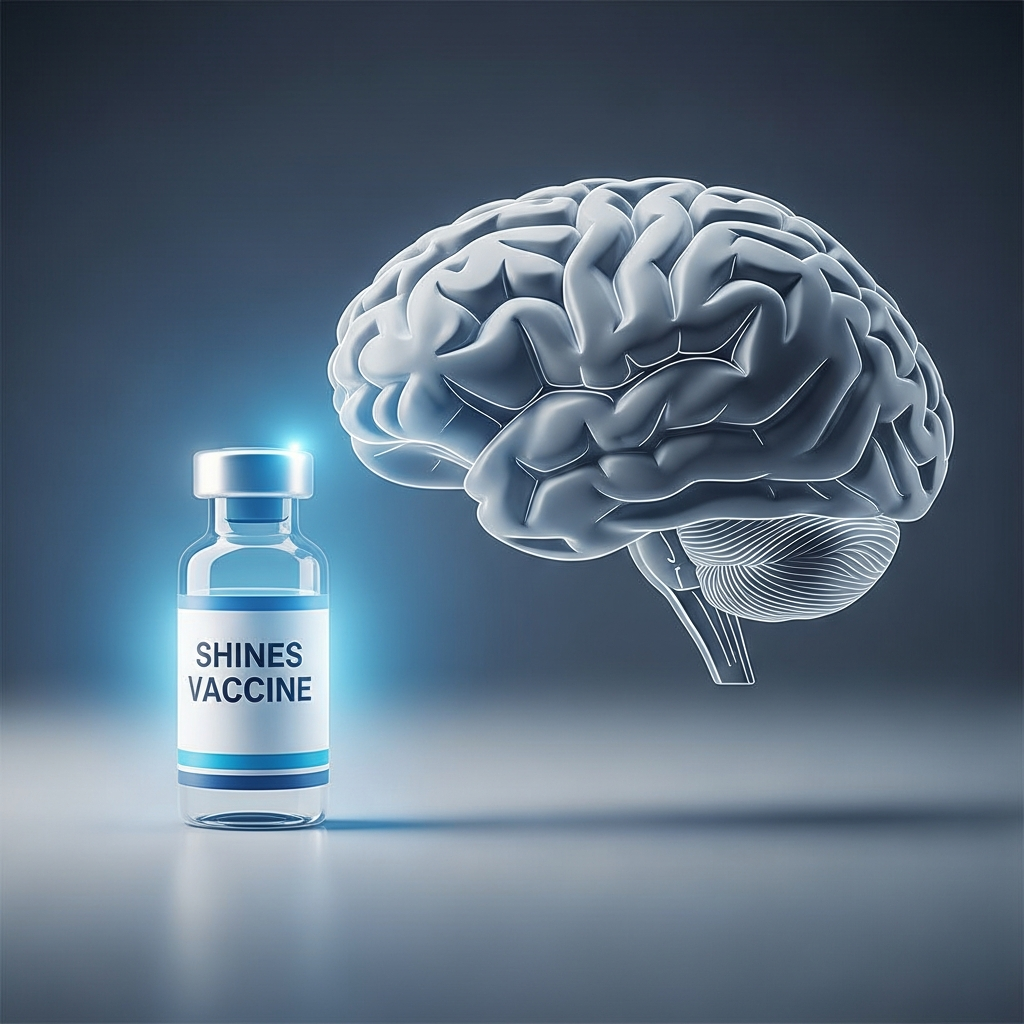
Emerging research has unveiled a potentially groundbreaking link between the shingles vaccine and a reduced risk of dementia progression, offering a beacon of new hope in the fight against cognitive decline. This exciting development suggests that protecting yourself against shingles might offer an unexpected benefit: safeguarding your brain health. As scientists delve deeper into this connection, understanding the implications for public health and individual well-being becomes crucial. This article explores the latest findings, potential mechanisms, and what this could mean for preventing one of the most challenging conditions of our time.
The Emerging Link: Shingles Vaccine and Dementia Protection
For years, the shingles vaccine has been recommended to prevent herpes zoster, the painful rash caused by the varicella-zoster virus (VZV). However, recent observational studies are painting a broader picture, hinting at neuroprotective benefits that extend beyond preventing the rash itself. Researchers are investigating whether vaccination against VZV could indirectly impact the onset or progression of dementia, including Alzheimer’s disease. These initial findings are sparking considerable interest within the medical community and among those concerned about long-term cognitive health.
Understanding Shingles and the Varicella-Zoster Virus
Shingles, or herpes zoster, results from the reactivation of the VZV, the same virus that causes chickenpox. After a person recovers from chickenpox, the virus lies dormant in nerve cells. Years or even decades later, it can reactivate, often due to a weakened immune system, causing a painful rash, blisters, and sometimes severe nerve pain (postherpetic neuralgia) that can last for months or years. The primary purpose of the shingles vaccine is to bolster the immune system against VZV, preventing its reactivation or significantly reducing the severity of the disease and its complications. This protection is vital, especially for older adults whose immune systems naturally weaken with age.
The Mechanisms: How Could a Vaccine Help Dementia?
The idea that a shingles vaccine might influence dementia progression might seem surprising at first. However, scientific hypotheses point to several potential mechanisms:
Reducing Systemic Inflammation: Chronic inflammation is increasingly recognized as a significant contributor to neurodegenerative diseases like Alzheimer’s. Shingles, being an acute inflammatory event, can trigger a widespread inflammatory response. By preventing shingles, the vaccine could reduce episodes of systemic inflammation, potentially lessening the burden on the brain over time.
Preventing Viral Reactivation: Some theories suggest that VZV, even when dormant, might contribute to neural damage or inflammation in the brain. Preventing its reactivation through vaccination could mitigate these subtle, ongoing detrimental effects.
Immune System Modulation: A robust immune response is essential for clearing pathogens and maintaining brain health. The vaccine stimulates a specific immune response to VZV, which might have broader, beneficial effects on overall immune surveillance within the central nervous system.
Vascular Health: Shingles can sometimes affect blood vessels, potentially increasing the risk of stroke or other vascular events. Since vascular issues are known risk factors for certain types of dementia, preventing shingles might indirectly protect cognitive function by maintaining vascular integrity.
Key Findings from Recent Research
While direct, randomized controlled trials are still needed, preliminary evidence from large-scale observational studies is compelling. For instance, some research groups analyzing extensive patient databases have observed a statistically significant lower incidence of dementia diagnoses among vaccinated individuals compared to unvaccinated control groups, even after accounting for various confounding factors like age, sex, and comorbidities. These studies suggest a correlation, indicating that people who received the shingles vaccine appeared to have a reduced likelihood of developing cognitive decline over several years.
Interpreting the Study Results: What Does “May Help” Mean?
It’s crucial to understand that “may help slow” signifies that the research shows a potential association, not a definitive cause-and-effect relationship yet. Observational studies, while valuable for identifying potential links and guiding further research, cannot definitively prove that the vaccine causes the reduction in dementia risk. Many factors influence dementia progression, and isolating the precise impact of the shingles vaccine requires rigorous clinical trials. However, these findings provide a strong impetus for continued investigation, potentially opening new avenues for dementia prevention strategies. They offer a hopeful direction rather than a guaranteed outcome.
Who Should Consider the Shingles Vaccine?
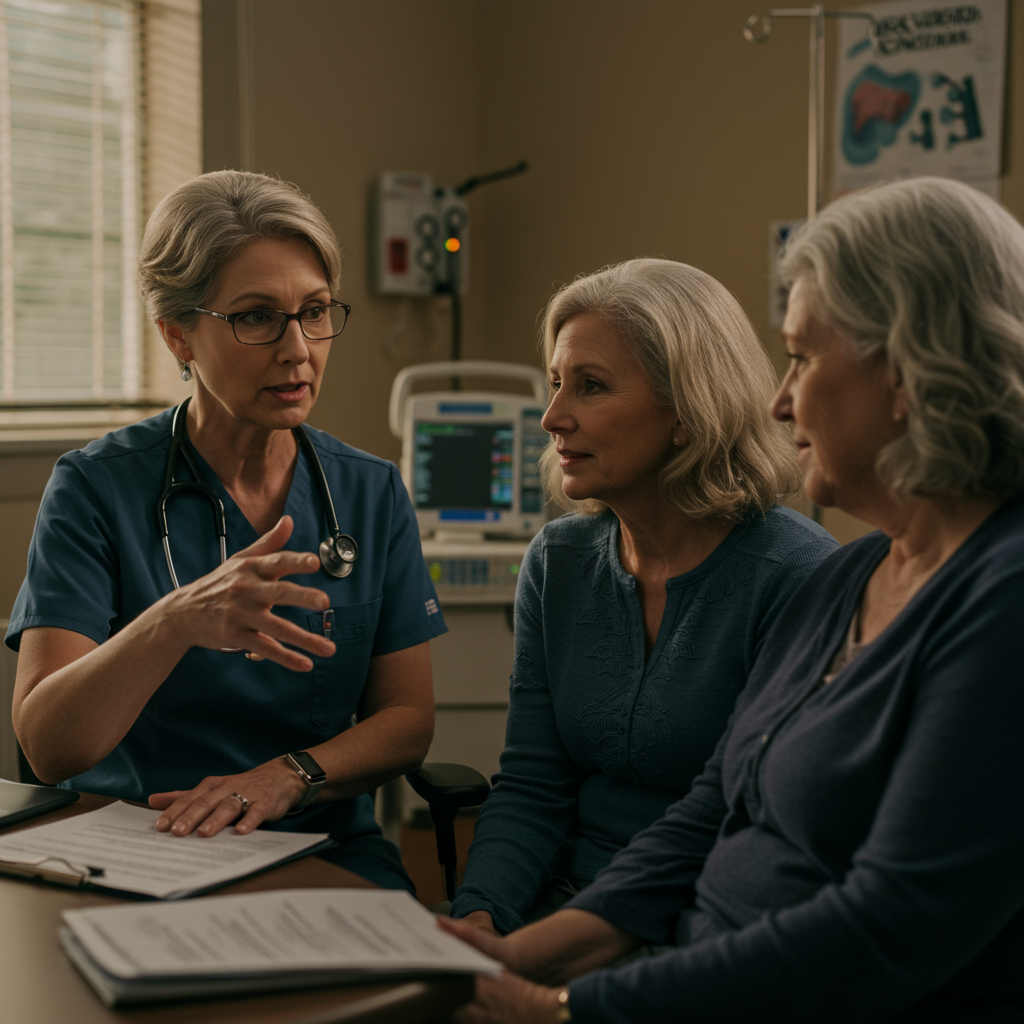
Current recommendations generally advise adults aged 50 and older to get the shingles vaccine, typically a two-dose series. This recommendation is primarily based on the vaccine’s effectiveness in preventing shingles and its debilitating complications, such as postherpetic neuralgia. Given the emerging research on its potential link to dementia protection, the existing recommendation gains an additional layer of importance. Consulting with your healthcare provider is essential to determine if the shingles vaccine is appropriate for you, considering your personal health history and risk factors.
Beyond Shingles: The Broader Impact of Vaccination
This research highlights a broader concept in public health: the far-reaching benefits of vaccination. Vaccines are designed to prevent specific diseases, but their impact often extends to overall health and well-being. By preventing an illness like shingles, which can be profoundly stressful and debilitating, the vaccine reduces physiological stress, inflammation, and potential neurological complications that could indirectly affect long-term brain health. This underscores the value of adhering to recommended immunization schedules not just for immediate protection but for potential lifelong health advantages. This concept of interconnected health outcomes is a crucial area for future public health initiatives.
Limitations and Future Directions in Research
Despite the promising signals, several limitations in current research need to be addressed. Observational studies, by nature, can be influenced by unmeasured confounding factors, making it difficult to establish direct causality. Future research must focus on designing randomized controlled trials (RCTs) to definitively assess if the shingles vaccine directly impacts dementia progression. Researchers also need to explore the specific populations that might benefit most, the long-term efficacy of this potential neuroprotective effect, and the exact biological mechanisms at play. Unraveling these complexities will be vital for translating these hopeful findings into concrete prevention strategies.
Frequently Asked Questions
What is the connection between the shingles vaccine and dementia progression?
Recent observational studies suggest a potential link between receiving the shingles vaccine and a reduced risk or slowed progression of dementia. While not yet a proven cause-and-effect, researchers hypothesize that preventing shingles may reduce chronic inflammation, limit viral reactivation’s impact on neural tissue, and positively modulate the immune system, all factors believed to influence brain health and cognitive decline. These findings offer a new and exciting avenue for dementia research.
Who is recommended to get the shingles vaccine, and how can it be accessed?
The Shingrix vaccine, the currently recommended shingles vaccine, is advised for healthy adults aged 50 and older. It is typically administered as a two-dose series. You can discuss getting the vaccine with your primary care physician, who can provide a prescription or administer it in their office. Many pharmacies also offer the vaccine, often covered by insurance plans. Always consult your doctor to ensure it’s appropriate for your health profile.
Should I get the shingles vaccine primarily to reduce my dementia risk?
While the emerging research on the shingles vaccine and dementia progression is highly promising, the primary reason to get the shingles vaccine remains its proven effectiveness in preventing shingles and its severe complications like postherpetic neuralgia. The potential dementia protection is an additional, hopeful benefit currently under investigation. You should discuss your personal risk factors for both shingles and dementia with your doctor to make an informed decision about vaccination, considering all potential advantages.
Conclusion
The potential link between the shingles vaccine and slowing dementia progression represents an exciting new frontier in medical research. While preliminary, these findings offer a compelling reason to consider the shingles vaccine not only for its established benefits in preventing painful shingles but also for its broader implications for long-term brain health. As science continues to uncover the intricate connections between viral infections, inflammation, and neurodegeneration, the importance of robust public health measures, including vaccination, becomes ever clearer. Staying informed and consulting with healthcare professionals are key steps toward leveraging these discoveries for a healthier future.