The sudden loss of an 18-year-old student in Pontypool to Meningitis B has sparked urgent calls for increased vaccination awareness across communities. This heartbreaking incident serves as a stark reminder of the rapid and devastating impact this disease can have, particularly on young people. As parents, students, and educators grapple with the news, the focus shifts to understanding this serious illness and the crucial protective role of the Meningitis B vaccination. Ensuring young adults, especially those transitioning to college or university, are fully protected is now more vital than ever.
Understanding Meningitis B: A Silent Threat to Young Adults
Meningitis B is a severe and life-threatening infection caused by the Neisseria meningitidis bacteria, specifically group B. It primarily affects the membranes surrounding the brain and spinal cord (meningitis) and can also lead to blood poisoning (septicaemia). This aggressive form of bacterial meningitis can progress incredibly fast, often within hours, making early detection and prevention absolutely critical.
Why Young People Are More Vulnerable
Teenagers and young adults are particularly susceptible to Meningitis B. Close living conditions, like those found in university halls, dormitories, or even shared homes, facilitate the spread of the bacteria. While many people carry the bacteria in their nose and throat without becoming ill, they can still transmit it to others who may not have immunity. The body’s immune system in this age group may also be less robust against new strains, increasing their risk if unvaccinated.
Recognizing the Warning Signs: Act Fast, Save Lives
Identifying the symptoms of Meningitis B can be challenging because early signs often mimic common illnesses like the flu. However, vigilance is key. If you suspect meningitis, seek urgent medical attention immediately. Delay can be fatal.
Key Symptoms to Watch For:
Fever: Often accompanied by cold hands and feet.
Headache: Severe and persistent.
Stiff Neck: Inability to touch chin to chest.
Sensitivity to Light (Photophobia): Discomfort in bright conditions.
Rash: A distinctive rash of small red or purple spots that do not fade when a glass is rolled over them (non-blanching rash). This is a late sign and indicates septicaemia.
Drowsiness or Confusion: Lethargy, difficulty waking up, or altered mental state.
Joint Pain: Aching muscles or joints.
Vomiting and Diarrhoea: More common in younger children but can occur in all ages.
Not all symptoms may appear, and they can develop in any order. Trust your instincts; if someone seems unusually unwell and you are concerned, get help quickly.
The Call for Urgent Vaccination: Protecting Our Communities
The tragic death of an 18-year-old student in Pontypool has understandably heightened concerns and reinforced the urgent need for comprehensive Meningitis B vaccination. Public health bodies and local communities are actively advocating for individuals, especially those in at-risk age groups, to ensure their vaccination status is up to date. This proactive approach aims to prevent future tragedies and build a healthier, safer community.
Who Should Get the Meningitis B Vaccine?
The Meningitis B vaccine is a cornerstone of public health strategy against this disease. In the UK, the vaccine is routinely offered as part of the childhood immunisation programme for infants. However, it’s equally important for other vulnerable groups.
Infants and Young Children: The primary target group for routine vaccination.
Teenagers and Young Adults: Especially those aged 13-25, particularly before starting college or university. This demographic faces increased risk due to communal living and social interaction.
Individuals with Certain Medical Conditions: Those with compromised immune systems or missing spleens.
Healthcare Workers: Or laboratory staff who may be exposed to the bacteria.
If you are unsure about your or your child’s vaccination status, contact your GP or local health clinic without delay. They can provide accurate information and arrange for vaccination if needed.
The Meningitis B Vaccine: Your Strongest Defense
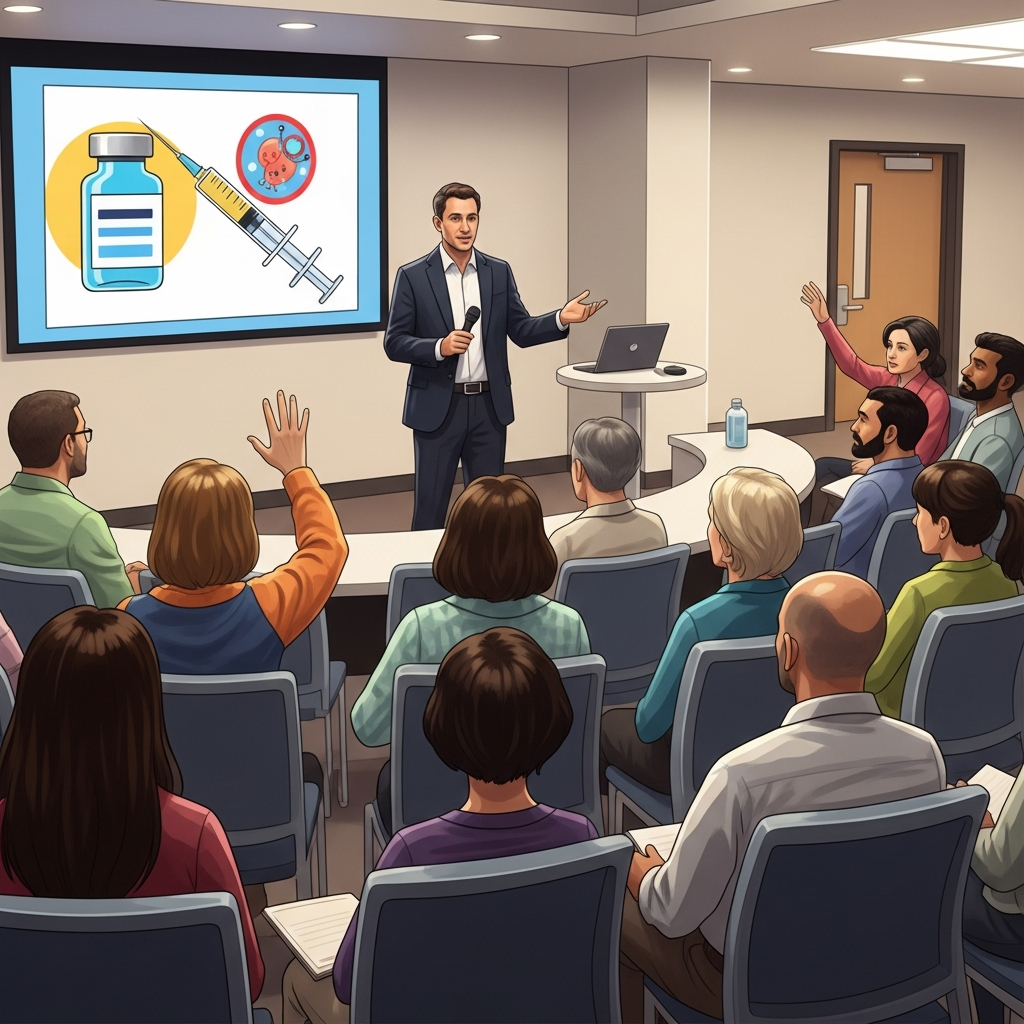
The Meningitis B vaccine represents our most effective tool against this particular strain of meningococcal disease. It works by stimulating the body’s immune system to produce antibodies that can fight off the bacteria if exposed.
How the Vaccine Provides Protection
The Meningitis B vaccine (commonly known as Bexsero or Trumenba in different regions) contains purified proteins from the Meningitis B bacteria. These proteins are not live bacteria and cannot cause the disease. Instead, they teach the immune system to recognize and attack the bacteria, providing robust protection against infection. While no vaccine offers 100% protection, it significantly reduces the risk of contracting the disease and, importantly, drastically lessens the severity of illness if an infection does occur.
Vaccine Safety and Efficacy
Millions of doses of Meningitis B vaccines have been administered worldwide, demonstrating a strong safety record. Common side effects are usually mild and temporary, including soreness, redness, or swelling at the injection site, fever, irritability, and headache. Serious side effects are extremely rare. The vaccine has proven highly effective in real-world settings, leading to substantial reductions in Meningitis B cases in vaccinated populations. The benefits of vaccination far outweigh the minimal risks associated with the vaccine.
Navigating Public Health Advice and Support
In the wake of a tragic incident like the one in Pontypool, public health authorities work swiftly to assess the situation, identify any potential close contacts, and provide targeted advice. It’s crucial for individuals to follow guidance from official health channels.
What to Do If You’re Concerned
If you or a loved one have been in close contact with someone diagnosed with Meningitis B, public health officials will typically reach out and offer preventative antibiotics. If you suspect meningitis, do not wait for a rash to appear. Contact your doctor immediately or go to the nearest emergency department. Describe your symptoms clearly and mention your concerns about meningitis. Early diagnosis and treatment with antibiotics are critical for survival and to minimize long-term complications.
Staying informed through trusted sources like the NHS, Public Health Wales, or Meningitis Research Foundation can help you understand the risks and protective measures available.
Frequently Asked Questions
What are the key symptoms of Meningitis B, and how quickly do they develop?
Meningitis B symptoms can include fever, severe headache, a stiff neck, sensitivity to light, confusion, and a distinctive non-blanching rash (meaning it doesn’t fade when pressed). These symptoms can appear very rapidly, often within a few hours, making immediate medical attention crucial. Early signs can mimic the flu, but a rapid decline in health or the appearance of a rash warrants urgent action.
Where can teenagers and young adults in the UK get the Meningitis B vaccine, and what is the typical schedule?
In the UK, the Meningitis B vaccine is part of the routine childhood immunisation program. For teenagers and young adults (up to age 25) who have not been vaccinated or are unsure, it’s best to consult your GP. While not routinely funded for all older age groups, GPs can advise on eligibility, private vaccination options, and recommend the appropriate schedule, which typically involves two doses given a few months apart.
Should I be concerned about Meningitis B if I or a family member is going to university, and what steps should we take?
Yes, you should be concerned as university students are at increased risk due to communal living. The most crucial step is to ensure that you or your family member has received the Meningitis B vaccination before starting university. Additionally, be aware of the symptoms and encourage open communication about health concerns with housemates. If symptoms arise, seek immediate medical help, and ensure you know how to access local health services.
Conclusion
The tragic loss of a young student in Pontypool underscores the devastating reality of Meningitis B and the pressing need for awareness and vaccination. While such news is profoundly upsetting, it also serves as a critical call to action. Meningitis B vaccination offers powerful protection against this severe disease, particularly for vulnerable age groups like teenagers and young adults. We urge everyone to understand the symptoms, check their vaccination status, and speak with their healthcare provider about getting protected. By taking proactive steps, we can collectively safeguard our communities and prevent further heartache.