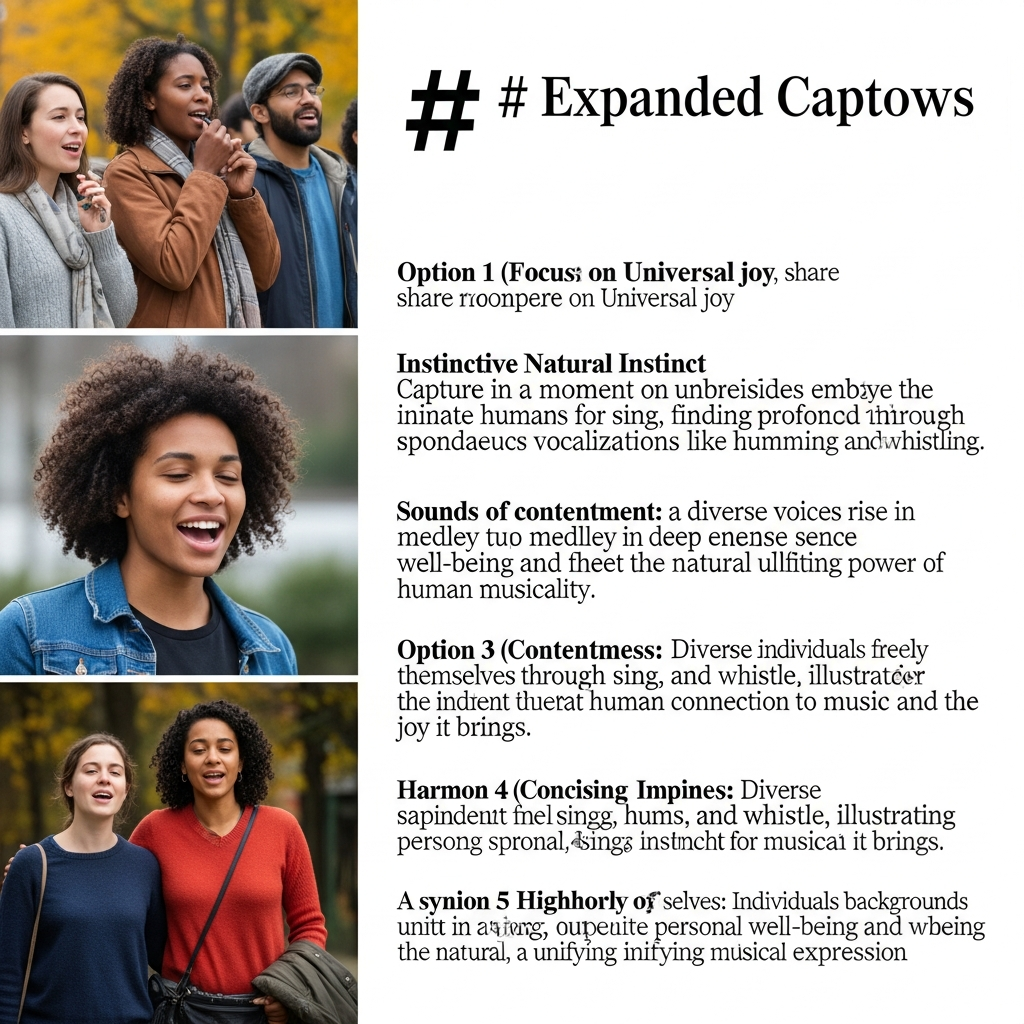
Ever feel an irresistible urge to hum a tune, whistle a melody, or belt out your favorite song, even when no one’s listening? That impulse isn’t just a random whim; it’s a deep-seated human instinct. Scientific research increasingly confirms that humans are inherently hardwired to sing, and this ancient form of expression offers a surprising array of profound benefits of singing for both our physical and mental health. From boosting mood to strengthening social bonds, embracing your voice can unlock significant improvements in your overall well-being.
The Innate Urge: Why Humans Are Hardwired to Sing
Singing transcends cultures and generations, suggesting its roots are deeply embedded in our evolutionary history. Unlike learned behaviors, the capacity and inclination to produce musical vocalizations appear universal. This suggests that singing isn’t merely an art form; it’s a fundamental human function.
A Primitive Form of Communication and Connection
Before spoken language developed its complex structures, our ancestors likely used vocalizations for a variety of critical purposes. Singing, in its most basic form, provided a powerful means for early humans to communicate across distances, alert others to danger, or soothe infants with lullabies. It also played a crucial role in group cohesion, solidifying social bonds within communities. Imagine tribal gatherings around a fire, where communal singing fostered a sense of belonging and shared identity, reinforcing the importance of collective harmony. This ancient practice of unified vocal expression helped to forge strong social ties, critical for survival and cooperation.
Brain Chemistry and the Joy of Sound
The sheer joy many people derive from singing is not purely psychological; it’s deeply rooted in our neurobiology. When we sing, our brains release a cocktail of powerful neurochemicals. Endorphins, natural pain relievers and mood elevators, flood our system, producing feelings of euphoria. Oxytocin, often called the “love hormone,” is also released, promoting feelings of trust, bonding, and connection, especially when singing with others.
Conversely, singing has been shown to reduce levels of cortisol, the body’s primary stress hormone. This biochemical regulation helps calm the nervous system, leading to a profound sense of relaxation and peace. The act of sustained vocalization, particularly deep breathing exercises associated with singing, stimulates the vagus nerve, which plays a central role in controlling our heart rate and promoting a “rest and digest” state. This intricate interplay of brain chemistry provides a compelling scientific explanation for why singing often feels so intrinsically good.
Unveiling the Science-Backed Benefits of Singing
Beyond its evolutionary origins, a growing body of scientific evidence highlights the therapeutic power of singing. The benefits of singing extend far beyond mere entertainment, offering tangible improvements across various aspects of health.
Mental Health & Emotional Regulation
Singing is a powerful antidote to modern stressors. Engaging in vocal expression provides a healthy outlet for emotions, allowing individuals to process feelings of joy, sorrow, anger, or frustration in a constructive way. Many studies indicate that regular singing can significantly alleviate symptoms of anxiety and depression. It acts as a form of mindfulness, requiring focus on breath, rhythm, and tone, which pulls attention away from troubling thoughts and redirects it to the present moment. This focused engagement can quiet an overactive mind, fostering a sense of calm. Furthermore, mastering a song or improving one’s vocal ability can dramatically boost self-esteem and confidence, empowering individuals to take on other challenges in their lives.
Physical Health Boosts
The physical act of singing offers a surprising range of health advantages. Deep breathing, a core component of proper vocal technique, enhances lung capacity and strengthens the diaphragm, improving overall respiratory function. This can be particularly beneficial for individuals with respiratory conditions like asthma or COPD. Singing also acts as a gentle cardio workout, increasing oxygen circulation throughout the body.
There’s evidence to suggest that singing can even bolster the immune system. Research has indicated that choir members show increased levels of immunoglobulin A (IgA), an antibody that plays a crucial role in preventing infections. Additionally, regular singing can improve posture as singers naturally stand or sit taller to support their breath. For some, strengthening the throat muscles through singing has even been reported to reduce snoring.
Social Connection & Community Building
Perhaps one of the most celebrated benefits of singing comes from its unparalleled ability to foster social connection. Singing together in a group, whether in a choir, a church group, or even a casual karaoke session, creates a unique bond among participants. The synchronized effort and shared emotional experience dissolve barriers, reduce feelings of loneliness, and build a strong sense of community. This shared activity often leads to new friendships and a supportive network, combating social isolation which is a significant risk factor for various health issues. The collective resonance of voices merging into a single, harmonious sound can be incredibly uplifting and affirming, making participants feel part of something larger than themselves.
Cognitive Enhancement
Singing is not just good for the heart and soul; it’s also excellent for the brain. The act of learning lyrics, melodies, and harmonies engages multiple cognitive functions simultaneously. This complex mental workout can enhance memory recall, improve focus, and sharpen rhythmic awareness. For older adults, participation in singing groups has been linked to improved cognitive function and may even help delay the onset of age-related cognitive decline. The coordination required to sing while often reading music or following a conductor further refines motor skills and multitasking abilities.
How to Harness the Power of Your Voice
Given the extensive benefits of singing, it makes sense to integrate more vocal expression into your daily life. You don’t need to be a professional vocalist or even “good” at singing to reap these rewards. The act of singing itself is what matters.
Finding Your Singing Outlet
There are countless ways to incorporate more singing into your routine, regardless of your experience level. Consider joining a local community choir, a church or temple choir, or even an online singing group. Many organizations offer “no-audition” choirs specifically designed for beginners and those who just want to sing for fun. Karaoke nights provide a low-pressure, social environment to let loose. If public singing isn’t your preference, simply singing along to your favorite songs in the car, shower, or while doing chores at home can be incredibly therapeutic. The goal is participation, not perfection.
Simple Daily Vocal Exercises
You can start incorporating simple vocal exercises into your day to warm up your voice and activate the physical benefits. Begin with gentle humming, focusing on producing a smooth, resonant sound. Practice deep breathing exercises, inhaling slowly through your nose, feeling your diaphragm expand, and exhaling steadily as you hum or vocalize a simple “ah” sound. Even five minutes of these exercises can help relax your vocal cords, improve breath control, and set a positive tone for your day. Don’t judge your voice; simply enjoy the sensation of producing sound and feeling the vibrations within your body.
Frequently Asked Questions
Why is singing considered an innate human behavior?
Singing is believed to be innate due to its evolutionary role in human development. Our ancestors likely used vocalizations for communication, social bonding, and emotional expression long before complex language fully formed. From a biological perspective, the brain’s reward system responds positively to singing, releasing endorphins and oxytocin, which reinforce the behavior. Across diverse cultures and age groups, the impulse to sing is universal, suggesting it’s a fundamental aspect of human experience rather than solely a learned skill. This deep-seated connection explains why the benefits of singing are so profound.
Where can I find opportunities to sing, even if I’m a complete beginner?
Finding beginner-friendly singing opportunities is easier than you might think. Look for local community choirs or non-auditioned groups at community centers, churches, or cultural organizations. Many offer programs specifically for adults who are new to singing or simply want to participate for enjoyment. Online platforms and apps also provide vocal lessons, karaoke-style singing, or virtual choir experiences. Don’t overlook informal settings like karaoke nights with friends, singing along to music in your car, or simply belting out tunes in the shower. The key is to find a comfortable environment where you feel free to express yourself without judgment.
What’s the most effective way to use singing for stress relief?
To effectively use singing for stress relief, focus on consistent, mindful practice. Start by choosing songs that uplift you or allow you to process emotions. Integrate deep breathing exercises before and during your singing, as this calms the nervous system and stimulates the vagus nerve. If possible, sing with a group; the social connection and synchronized effort enhance the stress-reducing effects through oxytocin release. Most importantly, embrace singing without judgment of your vocal ability. The act of vocal expression itself, the release of tension, and the focus on the present moment are what truly contribute to stress reduction and unlock the full benefits of singing.
Embrace Your Voice, Enhance Your Life
The evidence is clear: humans are indeed hardwired to sing, and embracing this natural inclination offers a powerful, accessible pathway to enhanced well-being. From boosting mental health and sharpening cognitive functions to strengthening social bonds and even improving physical health, the benefits of singing are vast and transformative. So, the next time you feel the urge to hum, croon, or belt out a tune, don’t hold back. Give yourself permission to sing, knowing you’re tapping into an ancient, biologically beneficial practice that can enrich your life in countless ways. Your voice is a gift; use it to feel better, connect more, and live more fully.