A bombshell report has unveiled a significant geopolitical controversy: Hungary, a nation typically seen as an ally of Israel and the West, allegedly offered intelligence assistance to Iran following the devastating September 2024 pager attacks targeting Hezbollah. This revelation has ignited questions about Budapest’s complex foreign policy, its alignment with global powers, and the inner workings of Prime Minister Viktor Orbán’s government. Leaked transcripts suggest Hungarian Foreign Minister Péter Szijjártó made the offer directly to his Iranian counterpart, drawing immediate scrutiny from Western intelligence and diplomatic circles.
Unveiling the Controversial Allegation
The core of the controversy centers on an alleged intelligence offer from Hungary to Iran. This diplomatic overture came in the immediate aftermath of a highly sophisticated and deadly operation. The incident caused thousands of communication devices used by Hezbollah operatives to explode, primarily in Lebanon, but also in Syria and Iraq.
The Pager Attack: A Regional Shockwave
On September 17, 2024, a coordinated series of explosions ripped through pagers and walkie-talkies carried by Hezbollah members. This unprecedented attack resulted in at least 12 fatalities, including civilians and children, and wounded an estimated 2,800 to 3,600 individuals. Lebanese authorities and Hezbollah swiftly attributed the sophisticated operation to Israel, a claim later confirmed by Israeli Prime Minister Benjamin Netanyahu. The incident sent shockwaves across the Middle East, highlighting the escalating tensions in the region.
Hungary became an unexpected focal point when a Taiwanese manufacturer, Gold Apollo, stated that the specific pager model involved was produced under license by BAC Consulting Ltd., a Budapest-based company. Hungarian officials, however, quickly denied any direct involvement, clarifying that BAC Consulting was merely a trading intermediary. They maintained that the devices were neither manufactured nor physically present in Hungary. This clarification aimed to distance Hungary from the attack itself.
Hungary’s Alleged Outreach to Tehran
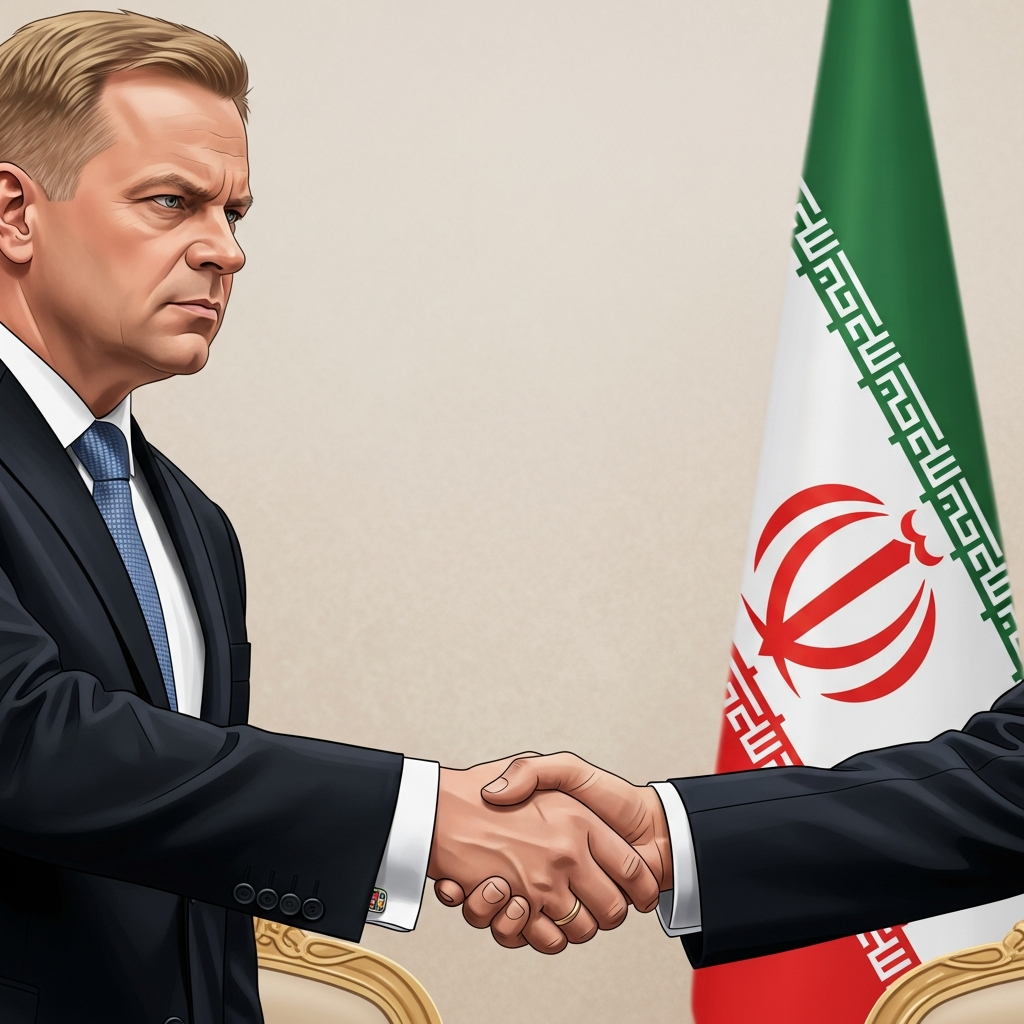
Despite public denials of involvement in the pager production, an alleged transcript reviewed by The Washington Post revealed a different narrative regarding Hungary’s post-attack actions. According to the report, Hungarian Foreign Minister Péter Szijjártó reportedly contacted Iranian Foreign Minister Abbas Araghchi on September 30, 2024. During this phone call, Szijjártó allegedly extended an offer of intelligence cooperation. This move immediately raised eyebrows among Western allies, given the established hostilities between Israel and Iran, a key backer of Hezbollah.
The Intelligence Transcript: What it Reveals
The purported transcript, obtained and authenticated by a Western intelligence service, offers a glimpse into high-level diplomatic exchanges. It suggests a proactive approach by Hungary to engage with Iran on the matter.
Szijjártó’s Direct Communication
During the September 30, 2024, phone call, Szijjártó reportedly informed Araghchi that Hungarian intelligence services were already in contact with their Iranian counterparts. He allegedly committed to sharing “all the information we have gathered during the investigation” into the pager attacks. Furthermore, the Hungarian foreign minister purportedly stated that “every possible document will be shared with your services.” This offer of comprehensive intelligence exchange paints a picture of deeper cooperation than publicly acknowledged. Szijjártó also reportedly reiterated Hungary’s willingness to mediate between Israel and Iran if both parties requested it, a stance he had previously expressed publicly.
The Elusive Hungarian Connection to the Pagers
The initial implication of BAC Consulting Ltd. stirred confusion. While the Taiwanese manufacturer confirmed a licensing agreement, Hungarian government spokesman Zoltán Kovács clarified that BAC Consulting was “only Hungarian on paper.” It functioned as a trading intermediary with no manufacturing or operational facilities within Hungary. This means the pagers never physically entered Hungarian territory. This distinction is vital; while Hungary denied manufacturing or storing the devices, the alleged offer of intelligence assistance still raises questions about its broader geopolitical intentions and the underlying foreign policy strategy.
Hungary’s Complex Geopolitical Balancing Act
The alleged intelligence offer to Iran profoundly contradicts Hungary’s stated foreign policy positions. It underscores a multifaceted approach to international relations under Prime Minister Viktor Orbán. This approach often prioritizes national interests and strategic partnerships over traditional Western alliances.
Public Support for Israel vs. Private Overtures to Iran
Hungary has consistently presented itself as one of Israel’s staunchest allies within the European Union. Orbán’s government has provided diplomatic support for Israel in international forums. It maintains close ties with Israeli Prime Minister Benjamin Netanyahu. Hungary even announced its withdrawal from the International Criminal Court (ICC) in April 2025 during a visit by Netanyahu. This public posture of unwavering support for Israel makes the alleged private offer of intelligence to Iran particularly perplexing. Iran, after all, is the primary sponsor of Hezbollah. This apparent contradiction raises concerns about the sincerity of Hungary’s stated alliances and its long-term strategic goals.
Deepening Ties with Russia and US Political Alignments
Hungary’s complex geopolitical alignment extends beyond the Middle East. Under Orbán, Hungary has actively cultivated relations with Russia, often challenging EU consensus on sanctions and foreign policy. Leaked recordings, reportedly of Szijjártó’s calls with Russian Foreign Minister Sergei Lavrov, suggest “sustained and deep coordination.” These recordings allegedly detail Hungary sharing sensitive EU documents with Moscow and discussing the removal of sanctioned Russian individuals from EU lists.
Furthermore, Hungary has positioned itself as an ally of former U.S. President Donald Trump’s political movement, the MAGA movement. This alignment was highlighted by US Vice President JD Vance’s visit to Hungary, where he praised Orbán as a “civilizational ally.” These parallel relationships – with Israel, Iran, Russia, and the Trump-aligned US – paint a picture of a foreign policy driven by pragmatic self-interest and a willingness to engage with diverse, often conflicting, global actors. This strategy allows Hungary to navigate a complex international landscape, but it also creates friction with its traditional Western partners.
An “Information War” Ahead of Hungarian Elections
The timing of these revelations is anything but coincidental. The Washington Post report, penned by British journalist Catherine Belton, emerged just ahead of a high-stakes Hungarian election on April 12, 2026. This period also coincided with JD Vance’s visit to Budapest.
A Pattern of Strategic Leaks
The alleged intelligence offer to Iran is not an isolated incident. It appears to be part of a broader “information war” targeting Orbán’s government. This campaign involves a series of intelligence-linked disclosures published by Western and Hungarian media outlets. On the same day as the Iran story, European investigative outlets released audio recordings of Szijjártó’s calls with Lavrov. These recordings reportedly detailed Hungarian-Russian coordination on Ukraine, energy policy, and sanctions. Just a day earlier, Bloomberg published transcripts of an October 2025 call between Orbán and Russian President Vladimir Putin. In this call, Orbán allegedly offered to host a Trump-Putin meeting.
These leaks suggest a concerted effort by unnamed intelligence services or consortiums of journalists to expose Hungary’s controversial foreign policy maneuvers. The goal appears to be to influence public opinion, strain relations between the Orbán government and its international partners, and potentially impact the upcoming election results.
Impact on Domestic Politics and International Relations
The Hungarian government has vehemently rejected all accusations of wrongdoing, characterizing the situation as “the most severe, serious and most disgraceful foreign intelligence intervention” in the country’s history. This defiant stance underscores the political intensity surrounding the elections. Domestically, these revelations could mobilize voters either for or against Orbán’s Fidesz party. Internationally, they risk further eroding trust between Hungary and its EU and NATO allies. The ongoing disclosures highlight deep divisions within Europe and complicate efforts for a united front on critical issues like Russia and the Middle East.
Broader Implications for Western Alliances
Hungary’s alleged intelligence offer to Iran carries significant implications for Western alliances. Such an action, if confirmed, could damage Hungary’s credibility within the European Union and NATO. It could also strain its relationship with the United States, particularly with an administration that emphasizes solidarity against states like Iran. The perception that an EU and NATO member is providing assistance to a U.S.-designated terrorist sponsor through its primary state backer undermines collective security efforts. This situation forces Western officials to reassess Hungary’s commitment to shared values and strategic objectives. It adds another layer of complexity to the already fragile geopolitical landscape.
Frequently Asked Questions
What was the September 2024 Hezbollah pager attack?
The September 2024 Hezbollah pager attack was a coordinated operation that caused thousands of pagers and walkie-talkies used by Hezbollah members to explode. It occurred primarily on September 17, 2024, across Lebanon, Syria, and Iraq. The attacks killed at least 12 people and injured thousands more. Israel later confirmed its responsibility for the sophisticated operation, which targeted the communication infrastructure of the Iran-backed militant group.
Why is Hungary’s alleged intelligence offer to Iran considered controversial?
Hungary’s alleged intelligence offer to Iran is controversial because it seemingly contradicts the country’s public foreign policy. Hungary, under Prime Minister Viktor Orbán, has consistently presented itself as a strong ally of Israel within the European Union, maintaining close diplomatic ties. Offering intelligence assistance to Iran, a key sponsor of Hezbollah and an adversary of Israel, is seen as a significant deviation that undermines Hungary’s stated alliances and raises concerns among its Western partners.
What are the potential international ramifications for Hungary following these revelations?
The potential international ramifications for Hungary are significant. The alleged intelligence offer to Iran, alongside other reported leaks about cooperation with Russia, could severely damage Hungary’s credibility and trust within the European Union and NATO. It risks straining relations with the United States and other Western allies who view Iran as a hostile actor. Such actions could lead to diplomatic repercussions, increased scrutiny, and potentially isolate Hungary within its traditional alliances, impacting its ability to influence regional and international policy.
Conclusion
The alleged offer of intelligence by Hungary to Iran following the Hezbollah pager attacks presents a challenging narrative for Budapest. It highlights the intricate and often contradictory nature of Hungary’s foreign policy under Viktor Orbán. Balancing public support for Israel with alleged private overtures to Iran, alongside deepening ties with Russia, creates a complex web of alliances. As an “information war” unfolds around Hungary’s elections, these revelations demand a closer examination of loyalty, trust, and strategic alignment within the international community. The long-term implications for Hungary’s position in Europe and its relationships with global powers remain a critical point of focus.