A daring, multi-day US airman rescue mission deep within Iranian territory unfolded with an unprecedented display of military might, advanced intelligence, and sophisticated deception. In April 2026, the world learned of the incredible story of two American F-15E Strike Eagle crew members, whose survival and extraction from hostile ground relied on dozens of aircraft, hundreds of personnel, and “exquisite technologies” deployed by the CIA. President Donald Trump, along with his top defense officials, publicly detailed the high-stakes operation. This intricate saga highlights both the perils faced by aviators in conflict zones and the extraordinary lengths undertaken by the United States to leave no one behind.
The F-15E Downed: A “Lucky Hit” in Hostile Skies
The harrowing incident began late on a Thursday in April 2026 when an American F-15E Strike Eagle fighter jet was struck and downed over Iran. President Trump, speaking at a White House news conference, characterized the shootdown as “a lucky hit” by Iranian forces. This immediate threat plunged the two-man crew, the pilot (call sign “Dude-44 Alpha”) and the weapons systems officer (WSO, call sign “Dude-44 Bravo”), into a desperate survival situation. Iran’s state media later depicted the aircraft’s wreckage, a stark reminder of the dangerous terrain from which they needed extraction.
A Rapid Response Under Fire
Immediately following the F-15E crash, U.S. forces initiated a monumental US rescue mission Iran. Within hours of the pilot’s location being confirmed, a surge of military assets, including helicopters, midair refuelers, and fighter aircraft, penetrated deep into Iranian airspace. This daylight operation involved low-flying aircraft for an intense seven hours, constantly facing “very, very heavy enemy fire,” according to President Trump. The swift action was critical to retrieve “Dude-44 Alpha” before Iranian forces could organize a comprehensive search.
During this intense initial phase, an A-10 Warthog attack aircraft, critical for maintaining contact with the downed pilot, sustained enemy fire while engaging Iranian forces. General Dan Caine, Chairman of the Joint Chiefs of Staff, confirmed the A-10 was “not landable.” Yet, its courageous pilot continued fighting, flew to a friendly nation, ejected, and was rescued without significant injury. HH-60 Jolly Green II helicopters also faced heavy small-arms fire; one aircraft took multiple hits, causing minor crew injuries, who fortunately recovered.
The Long Search: Evasion and the Distress Signal
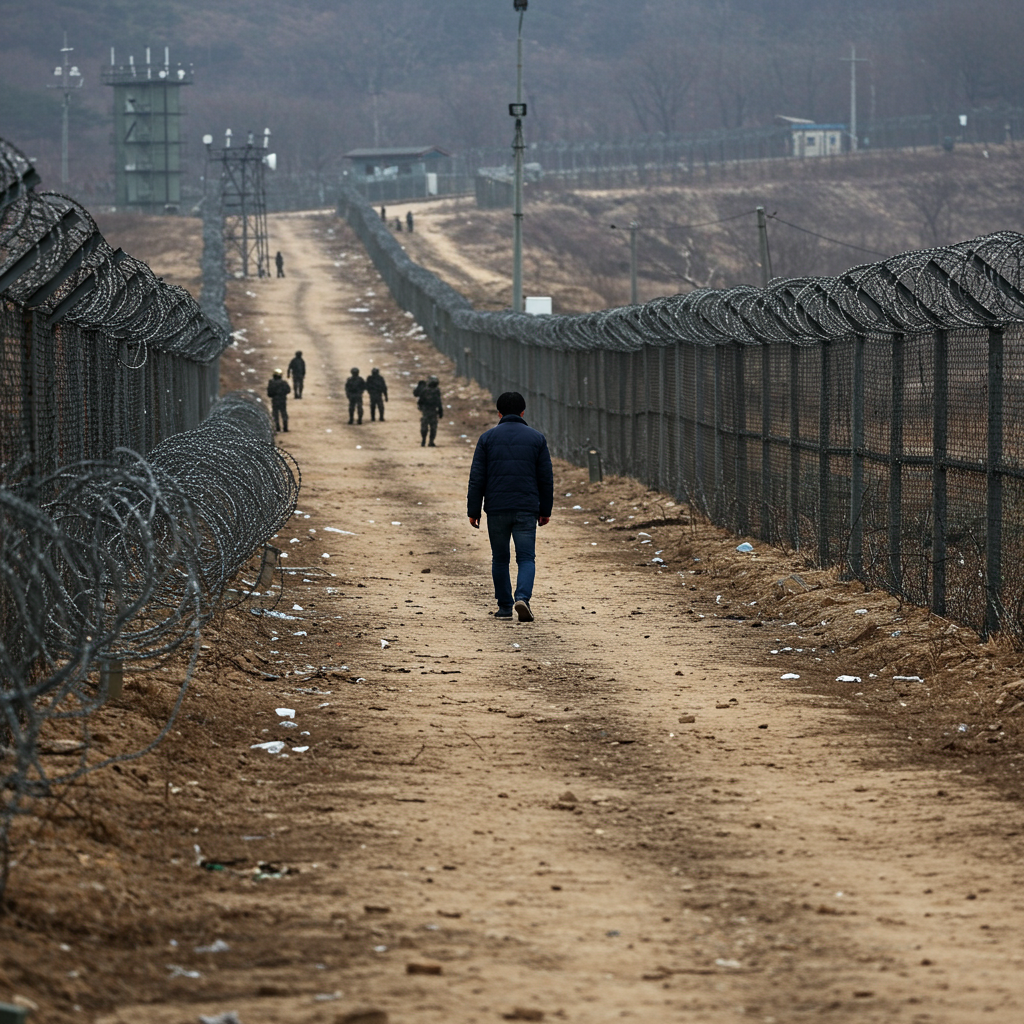
While the F-15 pilot’s rescue was swift, locating the weapons systems officer, “Dude-44 Bravo,” became a two-day ordeal. Injured and “bleeding profusely,” the WSO diligently followed his advanced survival training. He moved far from the crash site into the rugged mountains of southwest Iran to evade capture.
By Saturday, despite his wounds and the harsh terrain, “Dude-44 Bravo” activated a “very sophisticated beeper-type apparatus” to call for help. This crucial signal became a beacon in a desperate situation. Meanwhile, Iranian state television urged local residents to capture any “enemy pilot” for a reward, intensifying the pressure on U.S. search efforts.
CIA’s Covert Role: Exquisite Technologies and Strategic Deception
The Central Intelligence Agency (CIA) played a pivotal role, pinpointing the WSO’s location amidst Iran’s vast mountains. CIA Director John Ratcliffe confirmed the agency deployed “exquisite technologies that no other intelligence service” possesses. These advanced capabilities were crucial, as Ratcliffe vividly described the task as “hunting for a single grain of sand in the middle of a desert.”
President Trump shared insights into the secretive intelligence gathering. Officials, monitoring the mountainous region at night, observed a moving object. After 45 minutes of stillness, they briefly doubted their lead. However, the object suddenly moved again, revealing itself as “the head of a human being,” confirming “Dude-44 Bravo’s” exact position. Concurrently, the CIA orchestrated a sophisticated deception operation, deliberately misleading Iranian search efforts and diverting their attention. This multi-layered strategy, combining advanced surveillance and strategic misdirection, proved critical for the covert rescue operation, showcasing seamless military and intelligence integration.
Final Extraction: Airborne Logistics and Strategic Sacrifice
The culmination of “Dude-44 Bravo’s” rescue unfolded on Sunday, protected by an “air armada” of drones, strike aircraft, and other aerial assets. Cargo planes delivered three small helicopters, assembling them near the WSO’s hiding spot—a cave or crevice. A critical logistical challenge soon arose: the heavy cargo planes, weighed down by equipment and personnel, could not lift off from the sandy terrain.
Rescuers swiftly adapted. Three “lighter, faster aircraft” extracted the downed airman and his team. In a final act of strategic denial, all remaining equipment on the ground was destroyed, preventing sensitive technology from falling into Iranian hands and preserving future operational capabilities.
An Unblinking Mission: Unprecedented Coordination
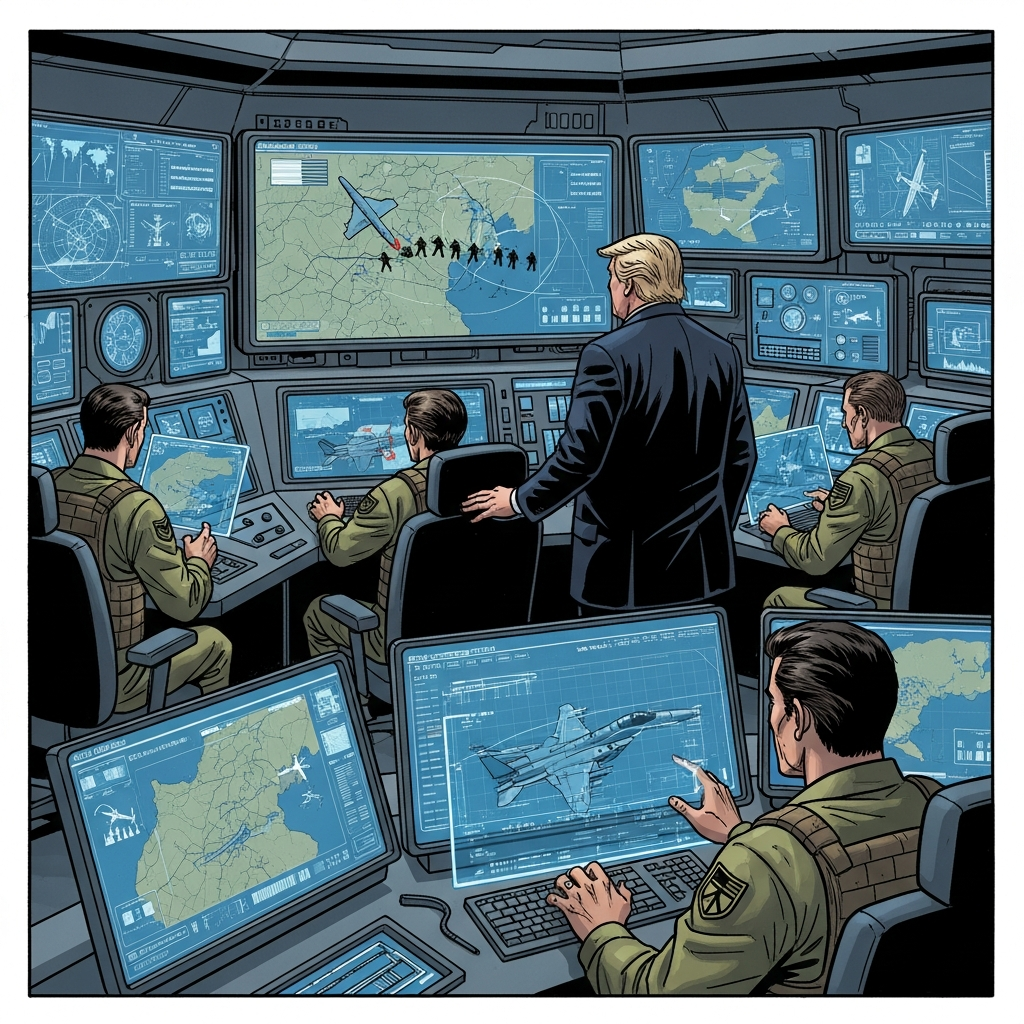
The two-day ordeal showcased extraordinary inter-agency coordination. National security officials in Washington maintained an open conference call for nearly 48 hours straight. Defense Secretary Pete Hegseth emphasized the mission’s “unblinking” nature: “The call never dropped. The meeting never stopped, the planning never ceased.” This continuous, synchronized effort across military and intelligence agencies proved paramount.
Trump boasted “hundreds” of personnel were involved, a scale Gen. Caine preferred to keep classified, highlighting the massive human commitment behind this audacious US rescue mission Iran. Many dozens of aircraft were integral to the extensive subterfuge, specifically deployed to mislead Iranian forces about the airman’s true location, further demonstrating profound strategic planning.
Geopolitical Ramifications and Strategic Deterrence
This highly detailed public disclosure of a covert rescue operation in Iran is notable. It serves as a powerful testament to the U.S. military and intelligence community’s capabilities. By revealing the intricate layers of technology, manpower, and deception, the United States celebrated a successful rescue. It also sent a clear message of unwavering commitment to its personnel and formidable reach, even in hostile environments. This public revelation acts as a strategic deterrent, emphasizing that attempts to capture U.S. service members will face an overwhelming, multi-faceted response.
Frequently Asked Questions
How did US forces manage such a complex rescue deep inside Iran?
The US airman rescue was a marvel of combined military and intelligence operations. It relied on meticulous planning and a massive deployment of aerial assets, including fighter jets, midair refuelers, and specialized helicopters. Hundreds of personnel were involved. Crucially, the CIA employed “exquisite technologies” for pinpointing locations and executed a sophisticated deception operation to mislead Iranian search efforts. This multi-agency coordination, with national security officials maintaining an open call for nearly two days, ensured a synchronized and agile response to rapidly evolving threats in hostile territory.
What specialized aircraft and technologies were critical to the Iran airman rescue?
Several key assets were vital to the mission. An F-15E Strike Eagle was downed, triggering the mission. An A-10 Warthog played a brave role in maintaining contact with the first downed pilot while engaging enemy forces. HH-60 Jolly Green II helicopters were essential for extraction, despite taking hits. For the second airman, the WSO, a “very sophisticated beeper-type apparatus” allowed him to call for help. Furthermore, the CIA’s unspecified “exquisite technologies” were instrumental in locating him. The final extraction involved cargo planes for deployment and “lighter, faster aircraft” for pickup, all protected by an “air armada” of drones and strike aircraft.
What challenges do downed aviators face in hostile territory, and how do they prepare?
Downed aviators in hostile territory face extreme dangers, including immediate capture, injury, and exposure to unforgiving environments. They prepare through rigorous survival, evasion, resistance, and escape (SERE) training. Key challenges include evading enemy patrols, enduring physical injuries, navigating unfamiliar terrain (like the mountainous region of southwest Iran), and establishing covert communication. The F-15E WSO, “Dude-44 Bravo,” exemplified this training by moving away from the crash site despite being “bleeding profusely,” climbing mountains, and using a special distress beacon to signal for rescue, all while avoiding Iranian capture.
Conclusion
The Iran airman rescue stands as a compelling testament to America’s unyielding commitment to its service members and the extraordinary capabilities of its defense and intelligence apparatus. This detailed account of a covert rescue operation, involving strategic deception, advanced technology, and immense human courage, paints a vivid picture of the complex, high-stakes world of military rescue missions. From the initial “lucky hit” to the final, daring extraction, this operation underscores the seamless integration and unwavering dedication required to prevail against formidable odds and bring every American home.