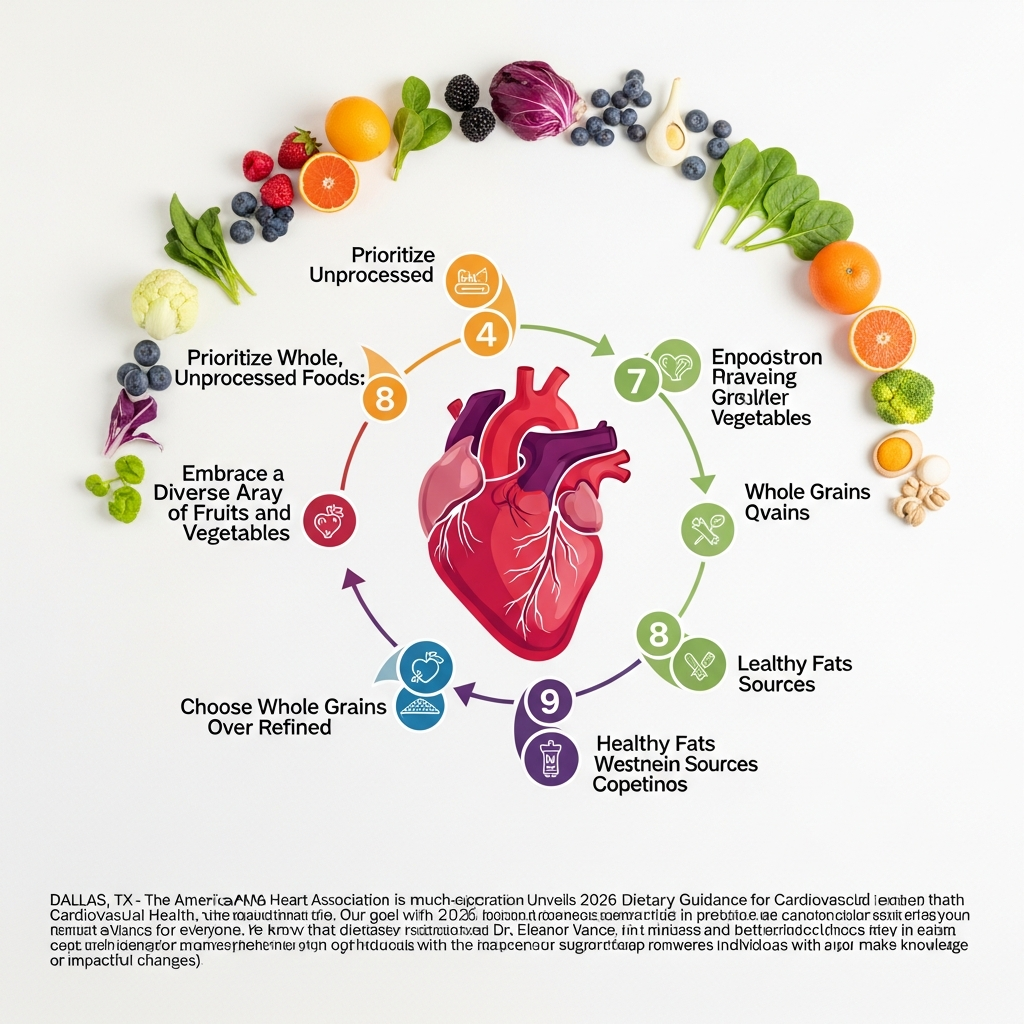
Heart disease remains a leading health challenge in the United States, impacting millions of adults and children. With alarming rates of high blood pressure, obesity, and diabetes on the rise, the American Heart Association (AHA) has released its updated 2026 Dietary Guidance to Improve Cardiovascular Health. This crucial scientific statement offers a clear roadmap of nine essential steps for cultivating heart-healthy eating patterns that can significantly reduce your risk of cardiovascular disease (CVD) and promote overall well-being throughout your life. It’s an urgent call to action, offering flexible, evidence-based advice for sustainable dietary changes.
The Critical Need for Healthier Eating Habits
Current statistics paint a concerning picture: over half of all U.S. adults are grappling with some form of cardiovascular disease. Projections suggest this number could rise to six in ten by 2050. These escalating figures are largely fueled by prevalent health factors like high blood pressure, diabetes, and obesity. Critically, these conditions are often linked directly to lifestyle behaviors, particularly poor dietary choices and insufficient physical activity.
The AHA emphasizes that as much as 80% of heart disease and stroke cases are preventable. Adopting and consistently following heart-healthy eating habits, alongside other positive lifestyle changes, offers a powerful defense. This new guidance from the AHA, published in Circulation, reinforces the profound impact that intentional food choices can have on preventing chronic conditions and improving quality of life.
AHA’s 9 Pillars for a Heart-Healthy Diet
The 2026 Dietary Guidance distills the latest science into nine actionable steps, designed to be adaptable to individual preferences, cultural practices, and budgets. This approach focuses on an overall eating pattern rather than restrictive rules, making lifelong adherence more achievable.
- Maintain a Healthy Weight Balance: Strive to align your calorie intake with your physical activity level. Balancing what you eat with how active you are helps achieve and sustain a healthy body weight.
- Embrace Diverse Fruits and Vegetables: Incorporate a wide array of produce in various colors and textures. Remember, nutrient-rich frozen and canned options are both convenient and affordable choices.
- Choose Whole Grains Over Refined: Prioritize foods made with whole grains, such as whole-wheat bread, brown rice, and oatmeal. These are superior to refined grains like white bread or white rice.
- Select Healthy Protein Sources: Shift your protein focus towards plant-based options. Include legumes (beans, peas, lentils), nuts, and seeds regularly. Also, enjoy fish and seafood, opt for low-fat or fat-free dairy, and if consuming red meat, choose lean cuts and limit portion sizes.
- Favor Unsaturated Fats: Replace sources of saturated fat with healthy unsaturated fats. Excellent sources include nuts, seeds, avocados, and non-tropical plant oils like olive or canola oil.
- Minimize Ultra-Processed Foods: Choose foods closest to their natural state with minimal added commercial ingredients. Limit highly processed items often packed with additives.
- Limit Added Sugars: Significantly reduce your intake of sugar-sweetened beverages and foods containing added sugars. Be mindful of hidden sugars in many packaged products.
- Control Sodium Intake: Opt for foods naturally low in sodium and season your meals with herbs, spices, or lemon instead of excessive salt. Be aware of the high sodium content in many commercially prepared items.
- Limit or Avoid Alcohol: If you don’t drink alcohol, do not start. If you consume alcohol, limit your intake, as it can increase the risk of high blood pressure and other health issues.
Deep Dive: Nuanced Updates and Stronger Evidence
While the core principles of heart-healthy eating remain consistent, the 2026 guidance refines previous recommendations based on strengthened scientific evidence.
Redefining Protein Choices
The updated guidance recognizes that many people consume more protein from meat than from plants. It actively supports a wider range of healthy protein choices, with a clear emphasis on plant-rich sources. This includes encouraging the exchange of red meat for diverse plant and animal protein-rich alternatives, promoting a more balanced and sustainable approach to protein consumption.
The Power of Unsaturated Fats
Previous advice often focused on specific fat types. The 2026 update broadens this, encouraging a general swap of food sources of saturated fat for unsaturated fat sources. This aligns with the understanding that a diet rich in unsaturated fats, such as those found in avocados, nuts, and olive oil, can help reduce inflammation in the body. Chronic inflammation is a significant contributor to many diseases, including heart disease, making this shift particularly impactful. The guidance also notes that adhering to the nine features makes it unlikely to exceed 10% of total daily calories from saturated fat, aligning with broader federal recommendations.
Dairy: The Ongoing Discussion
While still recommending low-fat and fat-free dairy products to manage calories and fat, the AHA acknowledges ongoing discussions about the potential health benefits of full-fat dairy. This reflects a nuanced view, allowing for individual consideration within an overall healthy pattern.
Tackling Ultra-Processed Foods
The link between ultra-processed foods (UPFs) and poor health outcomes is increasingly clear. These items, often high in salt, added sugars, and unhealthy fats, can alter gut bacteria, damage the gut lining, and activate inflammatory genes. This guidance strongly encourages choosing minimally processed foods, aiming to shift the marketplace towards healthier, more natural options. Reducing UPFs is a key step in fighting inflammation and supporting overall well-being.
Sodium: More Than Just the Salt Shaker
The new guidance places increased emphasis on choosing foods inherently low in sodium and preparing meals with minimal or no added salt. It highlights the often-hidden sources of sodium in packaged foods. Furthermore, it incorporates current information on the beneficial role of potassium-rich foods in blood pressure control, offering a more holistic approach to managing sodium levels.
Alcohol’s Impact on the Heart
The AHA’s latest advice on alcohol consumption reinforces the understanding that there is no safe level when it comes to the risk of developing certain cancers, aligning with broader health organizations. For cardiovascular health, the guidance supports not initiating alcohol consumption, and for those who do drink, limiting intake due to its association with increased blood pressure and other health risks.
Progress Over Perfection: A Lifelong Mindset
Adopting these heart-healthy eating patterns doesn’t demand immediate perfection. The AHA advocates for “progress over perfection,” emphasizing flexibility and gradual, sustainable changes. This approach allows for customization based on personal preferences, cultural backgrounds, and budgetary considerations. Every time you choose a healthier alternative, you’re taking a positive step toward better health.
This philosophy is powerfully demonstrated by real-life transformations, such as Sandra’s story. Despite a history of unhealthy habits, she completely overhauled her lifestyle at 47, becoming fitter than ever and effectively reversing her biological age. Her journey underscores that it is “never too late” to begin. The concept of “health span” – the duration of a healthy life – is highlighted, with lifestyle choices accounting for a remarkable 80% of longevity, far outweighing genetic predispositions.
Starting Young: Heart Health Across the Lifespan
Cardiovascular disease processes can begin early in life, even influenced by prenatal factors. Therefore, the AHA strongly recommends that children begin following a heart-healthy dietary pattern from one year of age and continue throughout their lives. Families play a pivotal role; when adults model healthy eating choices, children are far more likely to adopt them. The guidance is designed to adapt to varying dietary needs throughout different life stages, encouraging individuals to work with healthcare providers to tailor recommendations.
Beyond the Heart: Comprehensive Health Benefits
The advantages of embracing heart-healthy eating extend far beyond cardiovascular well-being. This dietary pattern typically provides a wealth of essential nutrients, vitamins, and minerals, often eliminating the need for dietary supplements for most individuals (with exceptions for specific groups like pregnant women or those on restricted diets).
These dietary patterns are rich in healthy fiber from vegetables, fruits, whole grains, nuts, seeds, and legumes. They naturally limit dietary cholesterol by encouraging plant-based and lean protein sources and low-fat dairy. They also help maintain saturated fat intake at 10% or less of total daily calories. Importantly, the AHA’s guidance is broadly consistent with dietary recommendations for managing other chronic conditions such as type 2 diabetes, kidney disease, certain cancers, and even supporting brain health. This synergy arises because many of these conditions share common risk factors—like high blood pressure, cholesterol, blood sugar, and excess weight—all of which are significantly influenced by diet.
Addressing Systemic Challenges for Equitable Health
The American Heart Association understands that individual choices exist within a broader societal context. They are actively engaged in addressing the root causes of poor diets, including food insecurity, through robust policy advocacy and community investment. This includes efforts to:
Inform the definition of ultra-processed foods in public policy.
Advocate for front-of-pack nutrition labeling and a “healthy” icon on food packaging.
Support federal, state, and local initiatives to enhance access to healthy foods and discourage the consumption of sugary drinks.
Champion increased funding for nutrition science research, including “food is medicine” initiatives.
Invest in local organizations through programs like the Bernard J. Tyson Impact Fund, to improve access to affordable, nutritious foods in underserved communities.
These comprehensive efforts complement the dietary guidance, aiming to ensure that more people have the opportunity and resources to consistently choose and benefit from heart-healthy foods.
Frequently Asked Questions
What are the primary reasons the AHA updated its dietary guidance in 2026?
The American Heart Association updated its dietary guidance in 2026 due to continuously high rates of cardiovascular disease (CVD) and related risk factors like high blood pressure, obesity, and diabetes, particularly among U.S. adults and children. The update, published in Circulation*, strengthens the evidence from prior recommendations, incorporating the latest science to emphasize sustainable, lifelong eating patterns that can prevent up to 80% of heart disease and stroke. It also refines advice on proteins, fats, ultra-processed foods, sodium, and alcohol based on emerging research and an understanding of their impact on overall health.
How can I practically start implementing these 9 heart-healthy eating steps in my daily life?
Starting small and focusing on “progress over perfection” is key. Begin by making gradual swaps, such as replacing refined grains with whole grains like brown rice or whole-wheat bread. Prioritize adding more diverse fruits and vegetables to every meal, remembering that frozen options are perfectly nutritious. Experiment with plant-based protein sources like lentils and beans, and use healthy unsaturated fats (e.g., olive oil, avocados) instead of saturated fats. Pay attention to food labels to identify and minimize hidden added sugars and sodium in packaged goods. Each small, consistent choice builds towards a healthier overall eating pattern.
Does the AHA’s 2026 guidance offer benefits beyond just heart health?
Absolutely. While specifically designed to improve cardiovascular health, the AHA’s 2026 dietary guidance provides extensive benefits across your entire body. A heart-healthy eating pattern naturally supplies essential nutrients, vitamins, and minerals, supports healthy gut function with high fiber content, and helps manage weight. This approach aligns with recommendations for preventing and managing various other chronic conditions, including type 2 diabetes, kidney disease, certain cancers, and even brain health, due to shared risk factors impacted by dietary intake. It supports overall lifelong health and well-being.
Your Path to a Healthier Future
The American Heart Association’s 2026 Dietary Guidance provides a powerful, evidence-based framework for prioritizing your heart health. By integrating these nine essential steps into your everyday life, you embark on a journey that not only reduces the risk of heart disease and stroke but also cultivates a lifetime of enhanced well-being. Remember, small, consistent changes lead to significant, lasting results. Take the first step today; visit heart.org/healthydiet or consult with your healthcare provider to tailor these recommendations to your individual needs and start building a healthier future for yourself and your family.