The United States once declared measles eliminated, a triumph of public health achieved through widespread vaccination. Yet, this highly contagious disease is making a troubling comeback, nowhere more acutely felt than in South Carolina. The state, particularly Spartanburg County, has become the epicenter of a significant measles outbreak, revealing deep-seated divisions among neighbors on the critical issue of childhood immunizations. This resurgence threatens decades of progress, highlighting a complex interplay of post-pandemic distrust, rampant misinformation, and the erosion of community immunity. Understanding this unfolding crisis is crucial for every parent and community leader.
The Alarming Resurgence of Measles in South Carolina
South Carolina has recently faced one of the most severe measles outbreaks in the U.S. in years. This situation underscores the fragility of public health achievements when vaccination rates decline. The highly infectious nature of measles means even small pockets of unvaccinated individuals can trigger widespread transmission.
Spartanburg: Epicenter of a Public Health Battle
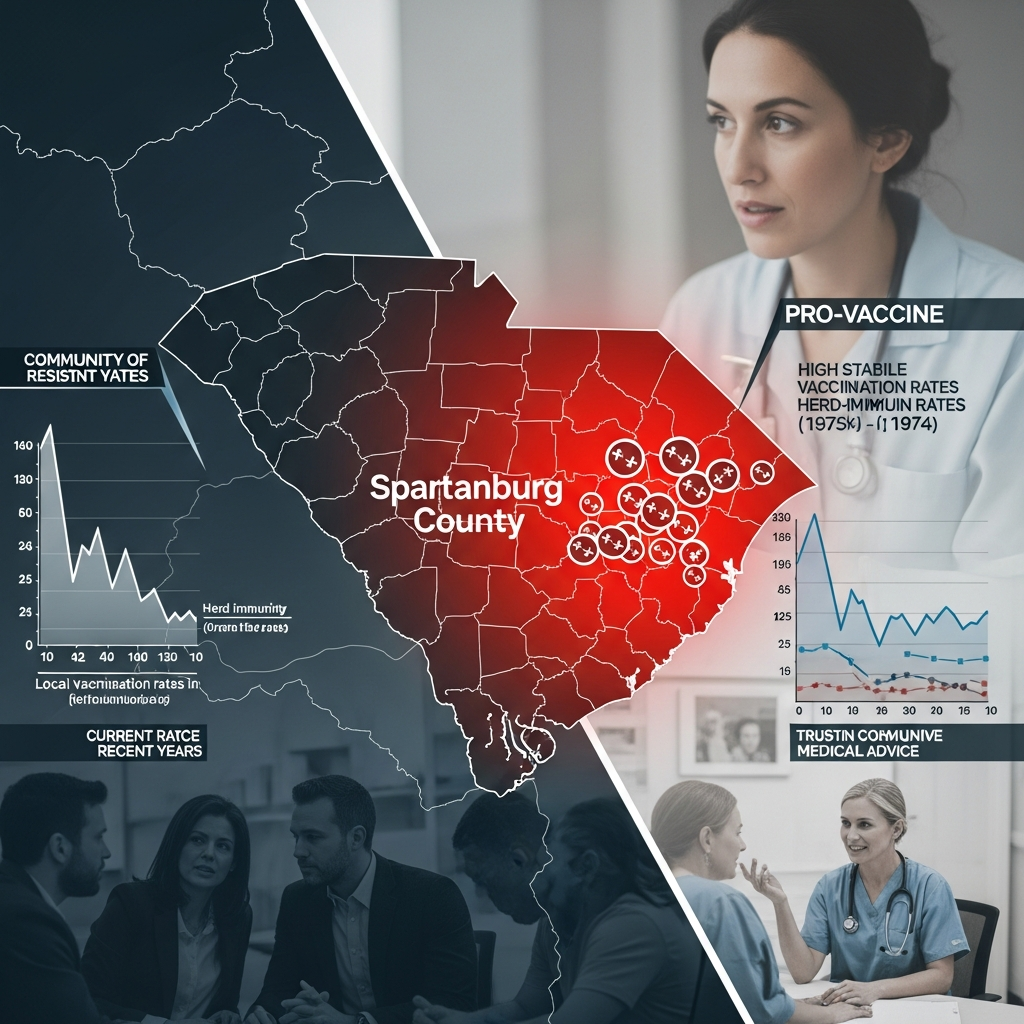
From October 2025 to March 2026, Spartanburg County recorded nearly 1,000 confirmed measles cases. This dramatic surge marks one of the largest outbreaks in the U.S. in over three decades. For families like Kate Morrow’s, whose premature twins have compromised immune systems, this outbreak has been a source of profound anxiety. Morrow had always relied on community immunity to protect her vulnerable children.
The critical threshold for community (or herd) immunity against measles is 95% vaccination coverage. In Spartanburg County, school vaccination rates have plummeted to under 89%. Shockingly, one public charter school saw its rate drop to a mere 21%, a prime example of how vulnerable communities become. Experts warn that many other areas nationwide are similarly at risk.
A National Warning Sign
This isn’t an isolated incident. The U.S. recorded over 2,200 measles infections in 2025, the highest number in over 30 years. This total included tragic fatalities, such as two unvaccinated children in West Texas, an area that experienced a large outbreak of its own. Michael Osterholm, director of the University of Minnesota’s Center for Infectious Disease Research and Policy, cautions that “there are a lot more South Carolinas waiting to happen.” This escalating threat puts the U.S. at risk of losing its hard-won measles elimination status, achieved in 2000.
Unpacking the Vaccine Divide: Why Trust Eroded
The growing divide over vaccination is complex. It stems from a mix of factors that have eroded public trust in established medical guidelines. Parents, grappling with overwhelming information, often find themselves questioning long-held scientific consensus.
Lingering Shadows of COVID-19
For many, the COVID-19 pandemic acted as a catalyst for vaccine hesitancy. The rapid development of new vaccines and the implementation of public health mandates stirred significant resentment. Margarita DeLuca, a mother from neighboring Greenville County, voiced concerns about the speed of vaccine development and felt mandates were an overreach. This sentiment, particularly in conservative areas like South Carolina, escalated into a general feeling of “don’t tell me what to do.” Dr. Martha Edwards, president of the SC chapter of the American Academy of Pediatrics, notes this shift contributed to widespread questioning of routine childhood vaccinations.
The Misinformation Avalanche
Social media platforms have become fertile ground for overwhelming and often unscientific information. Parents, like DeLuca, express feeling lost and unsure what to believe. “I don’t trust anything anymore,” she admits. A significant contributor to this confusion is the thoroughly debunked claim linking vaccines to autism. Despite extensive research disproving this connection, it continues to circulate widely. Even high-profile figures, such as Robert F. Kennedy Jr., have promoted these discredited claims, further muddling public perception. Tracy Hobbs, a mother who initially delayed her twins’ MMR vaccine due to autism fears, illustrates the struggle many parents face. Her decision changed only after both her unvaccinated twins, and her older vaccinated child, were diagnosed with autism, leading her to realize the misinformation was not worth the risk of measles.
The Challenge of Nonmedical Exemptions
Spartanburg County, with its rural communities and conservative faith groups, has seen a dramatic rise in nonmedical vaccine exemptions. These exemptions, often obtained for religious or philosophical reasons, have surged since the pandemic. In Spartanburg, religious exemptions for students jumped from 3.4% at the start of the 2020-21 school year to nearly 10% recently. Republican State Senator Josh Kimbrell, a lifelong Spartanburg resident, acknowledges the ease with which these exemptions are secured. Parents can simply download a form and have it notarized, without needing to state a genuine religious reason. Kimbrell says he knows people who haven’t been to church in years suddenly claiming religious exemptions. Efforts to restrict these nonmedical exemptions in South Carolina have been unsuccessful, reflecting a deep-seated opposition to government mandates.
The Real Dangers of Measles: Beyond a Rash
Measles is far more than just a childhood rash. It is one of the world’s most contagious diseases, capable of causing severe and life-threatening complications. Understanding these dangers is paramount for informed decisions.
Severe Complications and Immune Amnesia
Measles spreads incredibly easily through airborne respiratory droplets, lingering in the air for hours. Unvaccinated individuals face significant risks: approximately 1 in 5 will be hospitalized. Complications can include brain swelling (encephalitis), pneumonia, and deafness. Pediatrician Stuart Simko of Prisma Health in Greer, S.C., emphasizes that younger children are particularly vulnerable to these severe outcomes.
Crucially, measles can cause “immune amnesia,” a phenomenon where the virus wipes out parts of the immune system. This leaves children susceptible to other infections for several years after recovering from measles. Before vaccines, measles killed hundreds of U.S. children annually. The MMR vaccine effectively prevents these serious health complications and protects children from a potentially deadly disease.
Historical Context
The elimination of measles in the U.S. in 2000 was a monumental public health achievement. It was a direct result of widespread vaccination programs and school immunization requirements. The current resurgence serves as a stark reminder that public health victories are not permanent. Without sustained vigilance and high vaccination rates, once-eliminated diseases can quickly re-establish community transmission.
Bridging the Gap: Stories of Reconsideration and Hope
Despite the challenges, there are encouraging signs that awareness and understanding are growing. Individual stories highlight how direct experience with the disease can shift perspectives and rebuild trust.
Changing Hearts and Minds
Gene Zakharov, a member of Spartanburg’s large Slavic community, initially chose not to vaccinate his two youngest children due to distrust in government. However, his perspective changed dramatically after his 13-year-old daughter was exposed to measles and quarantined. “It doesn’t hit you until you actually come in contact with something like this,” he reflected. Similarly, Tracy Hobbs, who initially feared a link between vaccines and autism, decided to vaccinate her twins when measles began spreading rapidly. She concluded that “the measles aren’t really something to play with.” These firsthand experiences underscore the power of real-world impact in overcoming misinformation.
Pediatricians on the Front Lines
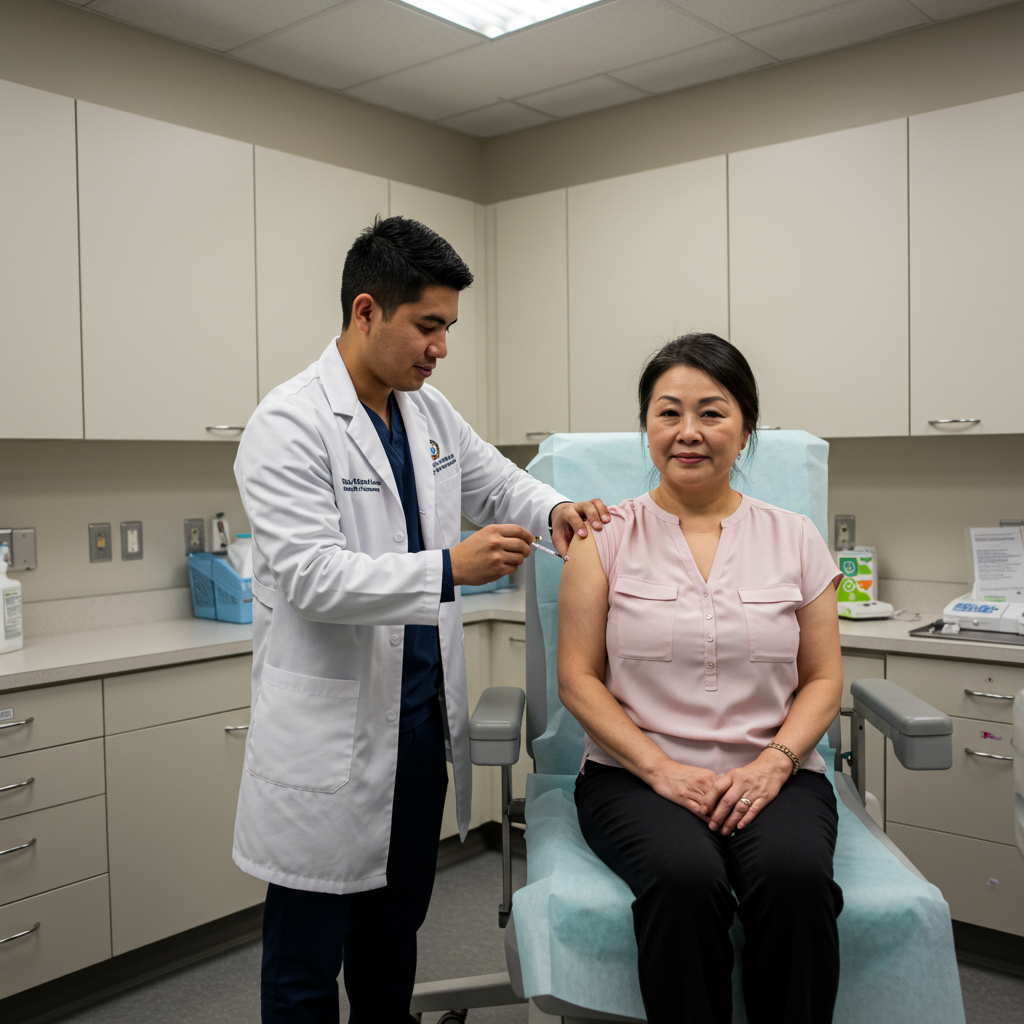
Pediatricians like Stuart Simko are crucial in bridging the communication gap. Simko prioritizes listening to parents’ fears without judgment. He explains the risks clearly, focusing on the developmental stage where children are most vulnerable to vaccine-preventable diseases. As the Spartanburg outbreak exploded in January, Simko observed a significant change. His phone began ringing with calls from parents who had previously declined vaccinations, now asking about the MMR vaccine. He notes that “a lot of people are changing their minds.”
Community Action and Positive Trends
Community leaders and advocates are also working to rebuild trust. Kate Morrow, the mother of premature twins, has become a fierce advocate for vaccination. She is helping to launch “South Carolina Families for Vaccines,” a pro-vaccine advocacy group. Her goal is to support parents feeling lost and scared amidst conflicting information. These outreach efforts appear to be yielding results. State epidemiologist Linda Bell reported a substantial increase in vaccination rates in Spartanburg County. In February, vaccination rates were up by an impressive 133% compared to the previous year, contributing to a significant slowdown in new measles cases.
The Path Forward: Sustaining Public Health Defenses
The South Carolina measles outbreak serves as a powerful reminder that public health is a collective responsibility. While the immediate crisis may be slowing, the underlying vulnerabilities remain. Sustained effort is required to prevent future outbreaks.
Reinforcing Herd Immunity
Maintaining a community vaccination rate of at least 95% is essential to protect everyone, especially the most vulnerable members of society. This high threshold creates a protective barrier, preventing the widespread transmission of highly contagious diseases like measles. Without it, even a single imported case can quickly lead to an outbreak.
Addressing Misinformation with Trust
Combating vaccine hesitancy requires more than just facts; it demands trust. Healthcare providers, public health officials, and community leaders must engage in open, respectful dialogue. Transparent communication, accurate information, and empathetic listening are vital to building confidence in vaccines. Empowering parents to discuss their fears with trusted medical professionals, rather than relying solely on unverified online sources, is a critical step.
The Enduring Threat
While South Carolina has seen a slowdown in new cases, the danger has not disappeared. Scott Thorpe, executive director of the Southern Alliance for Public Health Leadership, warns that Spartanburg is “not an outlier.” Many other counties across the U.S., particularly in neighboring states, still have dangerously low vaccination rates. Measles continues to “percolate” in these vulnerable areas. Thorpe predicts that without ongoing efforts to raise vaccination rates, outbreaks will continue to occur, threatening the health and safety of communities nationwide. The South Carolina experience is a stark lesson in the continuous need for vigilance and cooperation to safeguard public health.
Frequently Asked Questions
What makes measles so dangerous, especially for children?
Measles is one of the most contagious diseases, capable of causing severe complications beyond just a rash. For children, especially those under five, risks include pneumonia, brain swelling (encephalitis), and hospitalization. Critically, measles can lead to “immune amnesia,” where the virus temporarily weakens the immune system, leaving children vulnerable to other infections for years after recovery. Before the MMR vaccine, measles caused hundreds of deaths annually in the U.S., highlighting its potential for serious harm.
Where can South Carolina residents find reliable information about measles vaccinations?
South Carolina residents can access reliable, evidence-based information on measles vaccinations through several trusted sources. Your primary pediatrician is an excellent resource for personalized advice and to address specific concerns. The South Carolina Department of Public Health (DPH) also provides official health advisories, vaccination schedules, and clinic locations. Additionally, advocacy groups like “South Carolina Families for Vaccines,” mentioned in the article, offer community support and promote accurate information from medical experts.
Should parents in areas with low vaccination rates reconsider their children’s MMR vaccine status?
Yes, parents in areas with low vaccination rates, like Spartanburg County, should strongly reconsider their children’s MMR vaccine status. When community vaccination rates fall below the 95% threshold, the risk of a measles outbreak significantly increases for everyone, including infants too young to be vaccinated and immunocompromised individuals. As highlighted in the article, delaying vaccinations leaves children vulnerable to severe complications. Discussing any fears or questions with a trusted pediatrician is crucial to making an informed decision that prioritizes the child’s health and contributes to broader community protection.