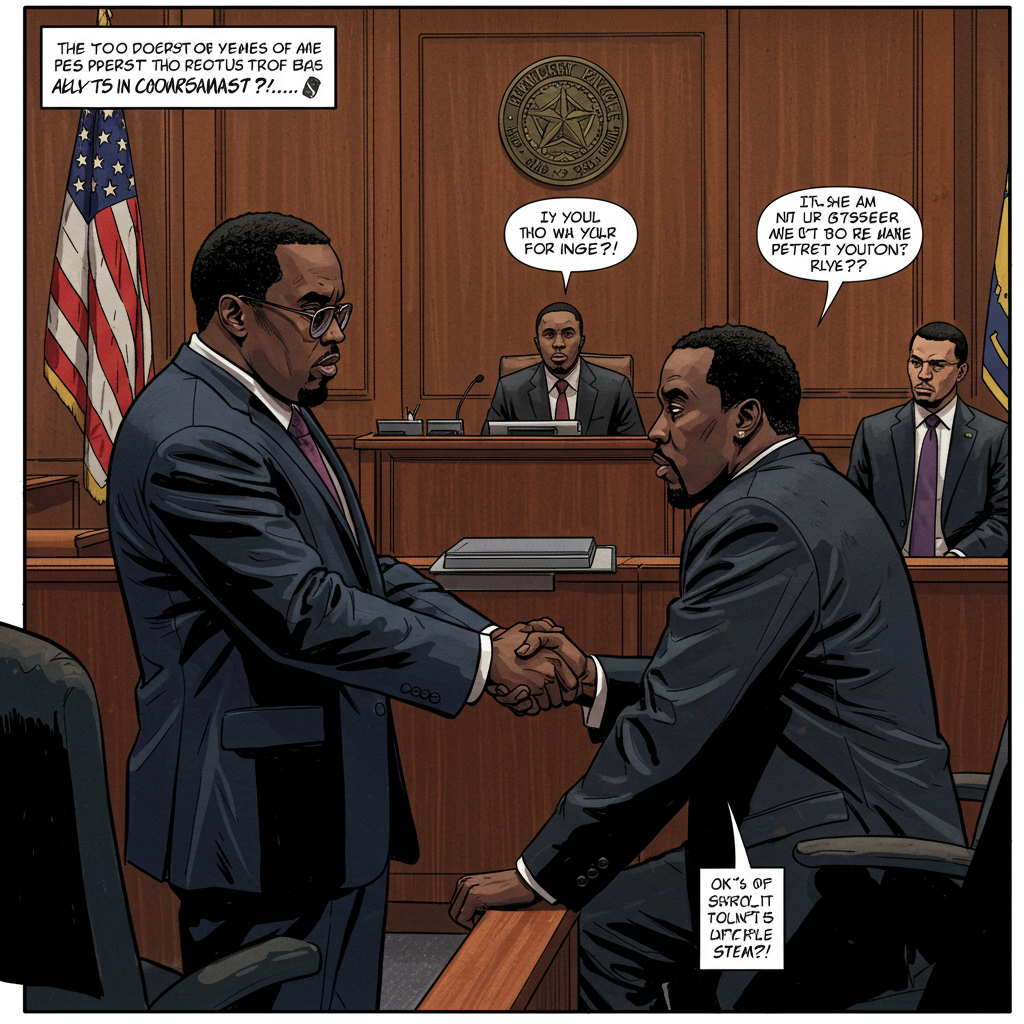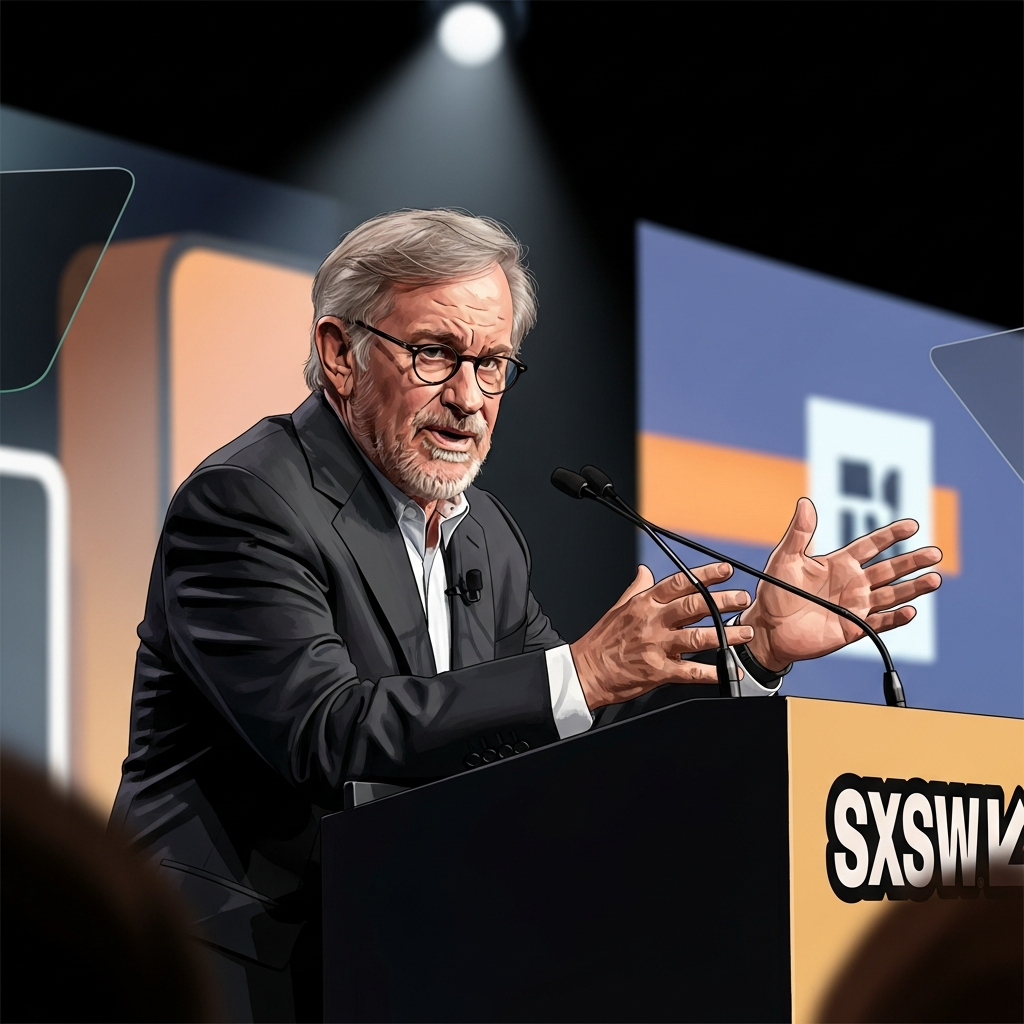
In a significant cultural moment, legendary filmmaker Steven Spielberg has weighed in on the fervent debate ignited by actor Timothée Chalamet’s recent comments about ballet and opera. Speaking at a SXSW keynote on March 13, 2026, Spielberg passionately asserted the enduring value of communal artistic experiences, subtly but definitively countering Chalamet’s suggestion that these classical art forms are waning. This exchange highlights a broader conversation about the future of shared cultural journeys, from blockbuster movies to live performing arts, and what it truly means to keep them alive for generations to come.
Spielberg’s SXSW Stance: The Enduring Power of Shared Experiences
Steven Spielberg, a titan of cinema, used his platform at the SXSW keynote to champion the irreplaceable magic of gathering in a darkened space to experience art collectively. While acknowledging the convenience and value of streaming platforms like Netflix, with which he enjoys working, Spielberg emphasized a distinct and profound difference in the shared theatrical experience. He eloquently described how communities converge as strangers in a cinema, only to emerge united by a spectrum of shared emotions and feelings.
Unpacking Spielberg’s Vision for Communal Art
“For me, the real experience comes when we can influence a community to congregate in a strange, dark space where all of us are strangers,” Spielberg stated. He continued, “At the end of a really good movie experience, we are all united with a whole bunch of feelings that we walk into the daylight with, or into the nighttime with.” His sentiment underscores the unique human connection fostered by such gatherings. Crucially, Spielberg extended this powerful observation beyond the realm of film. With a knowing grin that drew laughter and cheers from the audience, he declared, “It happens in movies, and in concerts. And it happens in ballet and opera, by the way.” He concluded his remarks with a plea for the future: “And we want that to be sustained. We want that to go forever.” This direct inclusion of ballet and opera was widely interpreted as a gentle yet firm rebuttal to the preceding controversy.
The Spark: Timothée Chalamet’s Controversial Comments
The impetus for Spielberg’s intervention stemmed from remarks made by acclaimed actor Timothée Chalamet during a Variety and CNN town hall with Matthew McConaughey on February 24, 2026. Chalamet’s comments, made while promoting his film Marty Supreme, quickly went viral, drawing sharp criticism and sparking a heated discussion across the arts community.
What Chalamet Actually Said
During the town hall, Chalamet expressed admiration for efforts to preserve movie theaters and specific film genres. However, he then drew a controversial comparison. “I don’t want to be working in ballet or opera where it’s like, ‘Hey, keep this thing alive, even though no one cares about this anymore’ — all respect to the ballet and opera people out there,” he stated. He added, with a laugh, that he was “taking shots for no reason” and would lose “14 cents in viewership” for dissing these art forms. While intended as a joke, his words ignited a firestorm, raising questions about the perceived relevance and longevity of traditional performing arts in the modern entertainment landscape.
The Outcry and the Defense: Industry Reacts to Chalamet
Chalamet’s statements prompted immediate and widespread backlash from various public figures and members of the performing arts community, underscoring the deep passion and dedication tied to ballet and opera. Yet, he also found some journalistic defense, highlighting the complexity of the debate.
Celebrity Condemnations
Among the most vocal critics was Whoopi Goldberg, who on “The View” called Chalamet “vapid and shallow.” Ballerina Misty Copeland, a principal dancer with the American Ballet Theatre, publicly challenged Chalamet. She highlighted his previous request for her involvement in the marketing campaign for his film Marty Supreme, contrasting it with his subsequent dismissal of her art form. Copeland, along with New York City Ballet principal dancer Tiler Peck, emphasized the unwavering dedication of countless artists, musicians, and crews who commit their lives to ballet and opera. She pointed out that while ballet and opera might not dominate pop culture, their cultural impact has endured for centuries, having survived “over 400 years.” Other notable detractors included Juliette Binoche, opera singer Andrea Bocelli, and three-time Grammy-winning opera singer Isabel Leonard, who called Chalamet’s views “so ineloquent and narrow-minded.” Berlin-based opera performer Dean Murphy also challenged Chalamet’s claims, noting opera’s resilience since the 16th century. Even Doja Cat initially criticized Chalamet, though she later retracted her comments, admitting her motive was to gain attention.
Voices in Chalamet’s Defense
Despite the criticism, Chalamet was not without his defenders. Essays published in prestigious outlets like the New York Times and Vanity Fair acknowledged that while his tone may have been “callous,” his underlying point held some validity. Journalists and even a former opera singer pointed out that declining audiences and ticket sales for opera and ballet are a genuine concern. These defenders argued that Chalamet was perhaps issuing a stark warning to Hollywood, suggesting the film industry should take heed to avoid a similar fate of diminishing public engagement. It’s also noteworthy that Chalamet himself has a deep family history in ballet, with his mother, sister, and grandmother all being ballerinas. He even drew comparisons between table tennis and ballet for his Marty Supreme role, incorporating his family’s dance background. This personal connection adds a layer of irony and complexity to his public remarks.
Beyond the Headlines: The Enduring Value of Performing Arts
The Spielberg-Chalamet exchange extends beyond a simple celebrity spat. It taps into a fundamental question about the contemporary relevance and historical significance of various art forms. It highlights the tension between mainstream popularity and profound cultural impact.
Historical Relevance and Modern Engagement
Ballet and opera, with their centuries-long traditions, have profoundly influenced countless artistic expressions, including cinema itself. They offer a unique blend of storytelling, music, movement, and visual artistry that resonates deeply with audiences prepared to engage. The challenge for these art forms today is not necessarily a lack of inherent value, but rather adapting to a rapidly changing media landscape and attracting new generations of patrons. Efforts to innovate, make performances more accessible, and engage diverse communities are crucial for their continued vitality. The debate underscores that “popularity” as measured by fleeting trends does not equate to “meaningfulness” or “impact,” as Misty Copeland wisely observed.
The Future of Shared Cultural Journeys
Both Spielberg’s staunch defense and Chalamet’s provocative comments, despite their contrasting tones, ultimately serve to spark a necessary dialogue. They prompt reflection on what makes an art form truly “alive” and how communities can continue to gather for these essential shared experiences. The future of cultural engagement, whether in a packed movie theater, a grand opera house, or a vibrant concert hall, depends on a collective commitment to valuing communal connection and artistic expression. Ultimately, the desire, as Spielberg articulated, is for these unique gatherings to be “sustained” and “go forever.”
Frequently Asked Questions
What was Steven Spielberg’s main argument at SXSW regarding the arts?
At SXSW on March 13, 2026, Steven Spielberg passionately argued for the irreplaceable value of communal artistic experiences. He stated that the “real experience” comes when a community gathers in a shared, dark space, uniting strangers through shared emotions. Crucially, he extended this sentiment beyond movies to include concerts, ballet, and opera, emphasizing that these experiences should be “sustained” and “go forever.”
Who were the key figures involved in the Timothée Chalamet ballet/opera controversy?
The controversy originated with Timothée Chalamet’s comments at a February 24, 2026, Variety and CNN town hall. Key critics included Whoopi Goldberg, ballerina Misty Copeland, New York City Ballet’s Tiler Peck, opera singers Isabel Leonard and Andrea Bocelli, and Juliette Binoche. Steven Spielberg later offered a subtle but direct counter-perspective at SXSW. Chalamet also received some defense from journalists and former opera singers.
Why is the debate about traditional arts versus popular entertainment significant for the future of culture?
This debate is significant because it highlights the ongoing challenge of maintaining the relevance and audience engagement for traditional art forms like ballet and opera in a rapidly evolving entertainment landscape dominated by pop culture and digital media. It prompts critical questions about funding, accessibility, innovation, and how societies value and preserve centuries of artistic heritage, ultimately influencing the diversity and richness of future cultural experiences for everyone.