Kharg Island, a small landmass nestled in the Persian Gulf, stands as Iran’s undisputed heart of crude oil exports. It is a critical node in global energy supply chains and a barometer of geopolitical tensions in the Middle East. Recent data reveals an unprecedented surge in oil loading activity at this vital terminal, a strategic move by Tehran that coincides with the United States’ significant military buildup in the region. This accelerated pace of shipments isn’t just an economic maneuver; it reflects a calculated gamble by Iran to fortify its financial position amidst escalating international pressures.
The Strategic Nexus: Kharg Island’s Role in Iran’s Economy
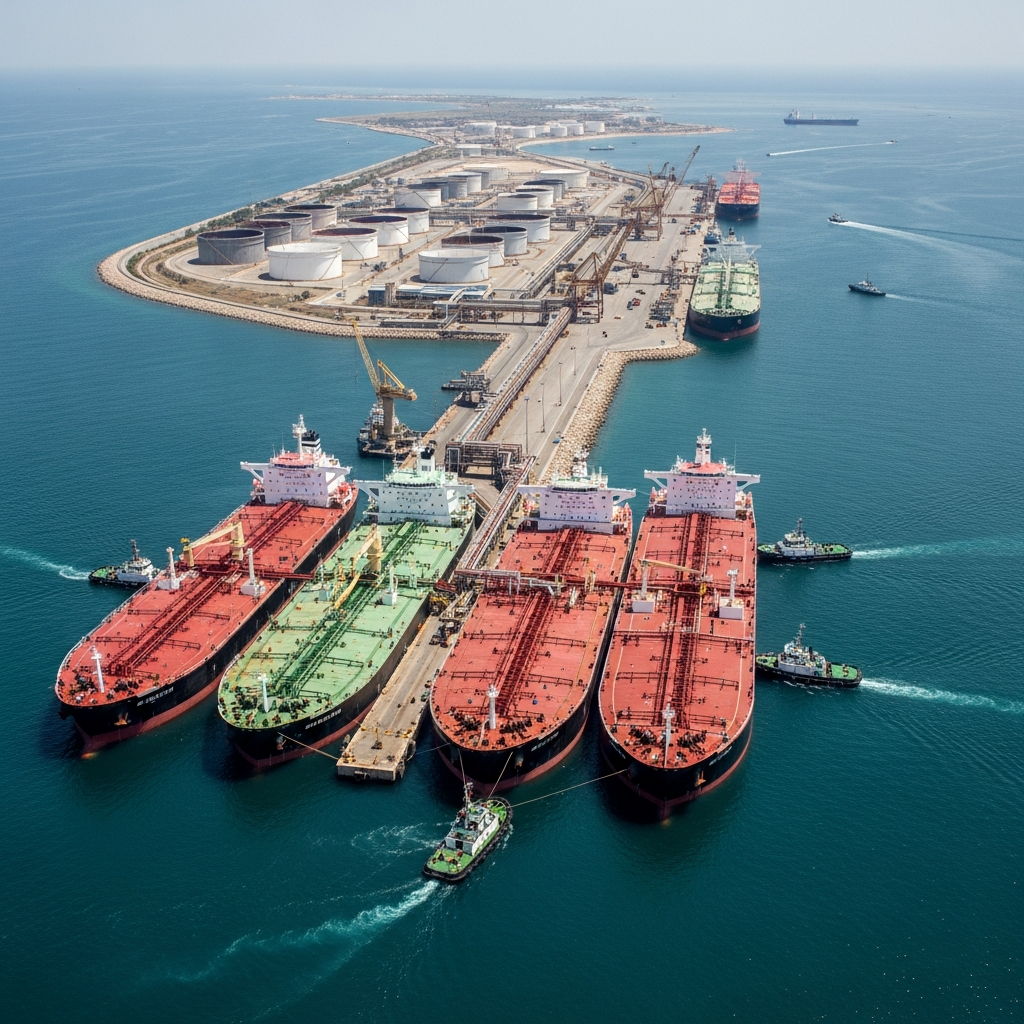
Kharg Island is far more than just a port; it is Iran’s primary oil export terminal. Situated approximately 25 kilometers (16 miles) off the Iranian coast, it acts as the central hub for nearly all of the country’s crude oil shipments. Its strategic importance cannot be overstated. For an economy heavily reliant on oil revenues, the uninterrupted flow of crude from Kharg is an economic lifeline, directly funding government operations and national development. Any disruption to this flow carries profound economic consequences for the nation. Historically, the island has been a focal point during conflicts and political crises, underscoring its enduring geopolitical significance.
Unpacking the Recent Surge in Oil Exports
The current situation on Kharg Island signals a dramatic acceleration in Iran’s oil export strategy. Between February 15th and 20th, the terminal processed an astounding 20.1 million barrels of oil. This figure is nearly three times the volume loaded during the same period in January, painting a clear picture of intensified activity. These statistics, compiled by reputable energy analytics firm Kpler, indicate an export rate exceeding 3 million barrels per day. This rate is substantially higher than Iran’s typical daily export volume, highlighting an aggressive push to move crude oil onto international markets.
A Proactive Strategy Amidst Escalating Tensions
This surge in oil exports is not a coincidence. It directly aligns with the United States’ recent deployment of its largest fighting force to the Middle East since the 2003 Second Gulf War. Tehran’s rapid acceleration of oil loading appears to be a preemptive economic measure. The aim is to maximize its shipments and secure crucial revenue before any potential disruptions arise from the increased US military presence or renewed sanctions. This pattern is not new; similar accelerations have been observed previously, notably last year before American air strikes and earlier in 2024 during other periods of heightened tensions. Such actions suggest a well-rehearsed strategy to mitigate economic impact during times of uncertainty.
Evidence on the Water: Satellite Imagery and Tanker Activity
Further supporting the reports of accelerated loading, satellite imagery provides compelling visual evidence. Analysis by Bloomberg revealed a significant increase in tanker activity southeast of Kharg Island. The number of tankers in this specific area jumped from eight to 18 between February 15th and 20th. Even days later, on February 22nd, nine tankers remained visible in partial images, confirming sustained operations. This heightened maritime traffic directly corresponds with a discernible decline in crude oil inventories on the island itself. On February 15th, at least seven massive storage tanks were full; by February 20th, six of these tanks clearly showed signs of being emptier, indicating a rapid draw-down of stored crude.
Navigating Risks: The Strait of Hormuz and Evasion Tactics
Samir Madani, co-founder of TankerTrackers.com, affirmed that Iran has been loading “as much oil as possible.” His expert assessment underscores the urgency of these operations. Madani further speculated that these tankers would likely disperse rapidly should any air strikes occur, highlighting the precarious nature of these shipments. Most of the oil departing Kharg Island must traverse the Strait of Hormuz, one of the world’s most critical maritime chokepoints. To minimize risks and circumvent potential detection, many tankers employ sophisticated measures to avoid surveillance as they navigate this geopolitically sensitive waterway. This constant maneuvering adds layers of complexity and risk to Iran’s export endeavors.
Broader Implications: Geopolitics and Global Energy Markets
The dramatic acceleration of oil exports from Kharg Island carries significant broader implications. For Iran, it signifies a determined effort to bolster its economy against external pressures. Success in these high-stakes shipments directly impacts Iran’s ability to fund its domestic programs and project its influence regionally. For the global energy markets, such activity contributes to overall supply, potentially influencing oil prices. However, the underlying tensions that drive this acceleration also introduce instability, creating uncertainty in an already volatile region. The confluence of accelerated exports and increased military presence underscores a delicate balance of power, with Kharg Island at its very center. This situation requires close monitoring by international observers and energy analysts alike.
Frequently Asked Questions
Why is Kharg Island so vital to Iran’s economy and global oil supply?
Kharg Island is Iran’s primary and virtually exclusive crude oil export terminal, making it indispensable to the nation’s economy. Oil revenues are the backbone of Iran’s financial stability, funding government operations and essential services. From a global perspective, Kharg Island is crucial because it facilitates the movement of significant quantities of Iranian oil onto international markets. Any disruption at this terminal can have ripple effects on global supply and oil prices, impacting economies worldwide due to its strategic position in the Persian Gulf.
What recent developments suggest Iran is accelerating oil exports from Kharg Island?
Recent data from February 15th to 20th, 2024, indicates a significant acceleration. Kpler data shows 20.1 million barrels of oil were loaded from Kharg Island during this period, nearly triple the volume from the same time in January. This translates to an export rate exceeding 3 million barrels per day. Further evidence comes from Bloomberg’s satellite imagery, which revealed an increase in tanker activity (from 8 to 18 vessels) southeast of the island, coupled with a rapid draw-down of crude oil from storage tanks. Expert Samir Madani also confirmed that Iran is loading “as much oil as possible.”
How does the increased US military presence in the Middle East influence Iran’s oil export strategy?
The increased US military presence acts as a significant catalyst for Iran’s accelerated oil export strategy. Tehran views this buildup as a potential precursor to heightened pressure, sanctions, or even military action. Consequently, Iran is proactively maximizing its oil shipments to secure as much revenue as possible before any potential disruptions or blockades materialize. This preemptive measure aims to insulate its economy against future financial shocks, a strategy observed historically during previous periods of elevated geopolitical tensions in the region.
Conclusion: A Glimpse into Iran’s Strategic Energy Maneuvers
Kharg Island remains an enduring symbol of Iran’s economic resilience and its strategic maneuvering on the global stage. The recent surge in oil exports from this vital terminal underscores not only the island’s paramount importance but also the complex interplay of economics and geopolitics in the Middle East. As regional tensions simmer and international forces eye each other warily, the activities on Kharg Island offer a critical barometer of Iran’s strategic calculations. Understanding these dynamics is essential for anyone tracking global energy markets, regional security, or the future trajectory of Iran itself.