The tranquil waters off Sri Lanka’s coast recently became the flashpoint for a dramatic escalation in global tensions, as a U.S. submarine torpedoed and sank an Iranian warship. This explosive event, occurring on March 4, 2026, profoundly tested the island nation’s long-standing neutrality. Just two days later, Sri Lanka faced another critical decision when a second Iranian naval vessel, the IRINS Bushehr, sought humanitarian assistance in its waters. The nation’s swift, principled response to both incidents underscored its commitment to international law and humanitarian values, even as it found itself caught in the crosscurrents of a widening Middle East conflict between the U.S., Israel, and Iran. This complex scenario highlights Sri Lanka’s delicate balancing act on the global stage.
The Sinking of the IRIS Dena: A Major Escalation
The sinking of the IRIS Dena marked a significant and deadly turning point in the ongoing military campaign against Iran. This incident, reportedly the first time a U.S. submarine has successfully torpedoed an enemy surface ship since World War II, reverberated across international waters and diplomatic circles.
The Attack Details
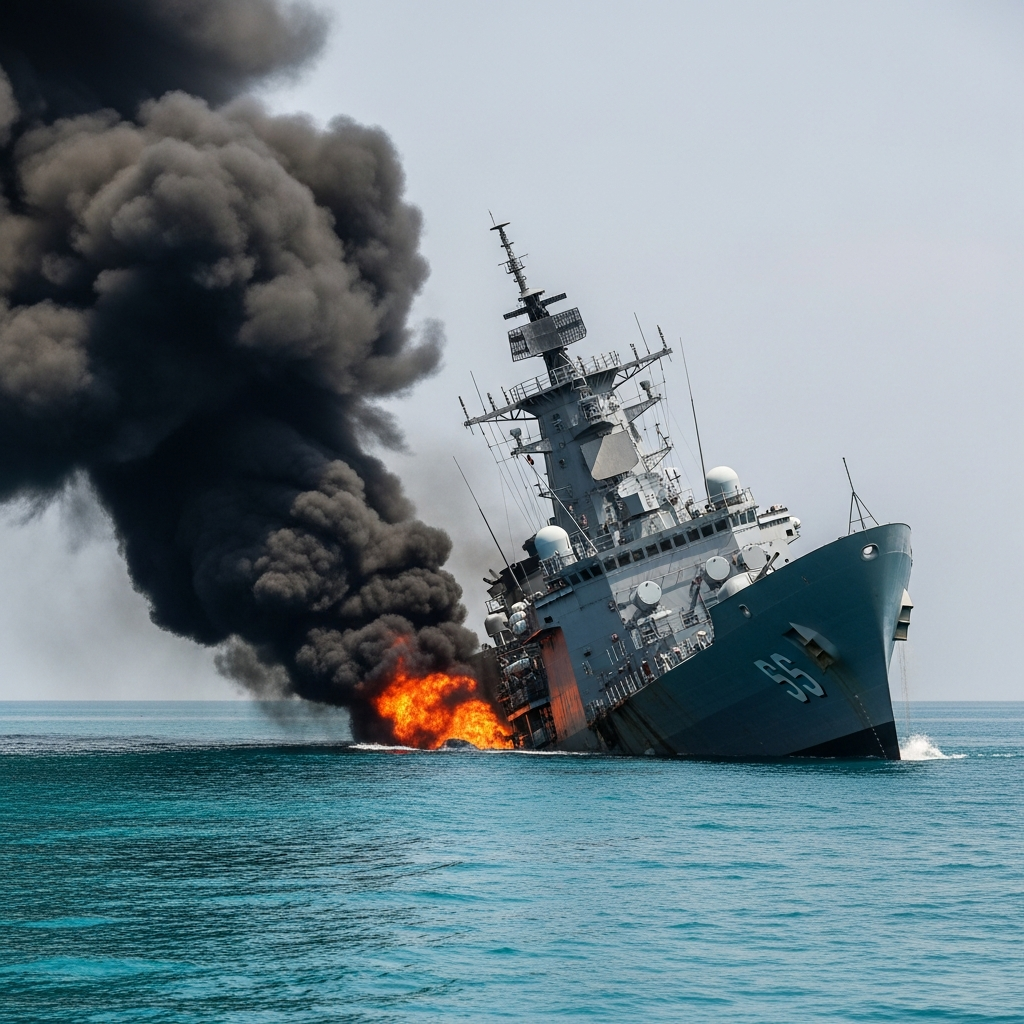
On March 4, 2026, an American submarine launched a torpedo strike on the IRIS Dena, an Iranian frigate, approximately 44 nautical miles (81 km) off Sri Lanka’s southern coast. The Iranian warship, characterized as one of Iran’s newest and most heavily armed vessels, was reportedly returning from a multinational naval exercise in India. U.S. Defense Secretary Pete Hegseth publicly confirmed the sinking, labeling the Dena as Iran’s “prize ship” and praising the “quiet death” it met in international waters. Pentagon footage allegedly showed the vessel breaking apart after an underwater explosion. Notably, the U.S. Treasury Department had previously sanctioned the IRIS Dena in February 2023 for its links to an Iranian drone manufacturer. The U.S. military’s Central Command leader, Adm. Brad Cooper, confirmed this was part of a larger campaign, stating that at least 17 Iranian naval vessels had been destroyed during the ongoing conflict.
Casualties and Rescue Efforts
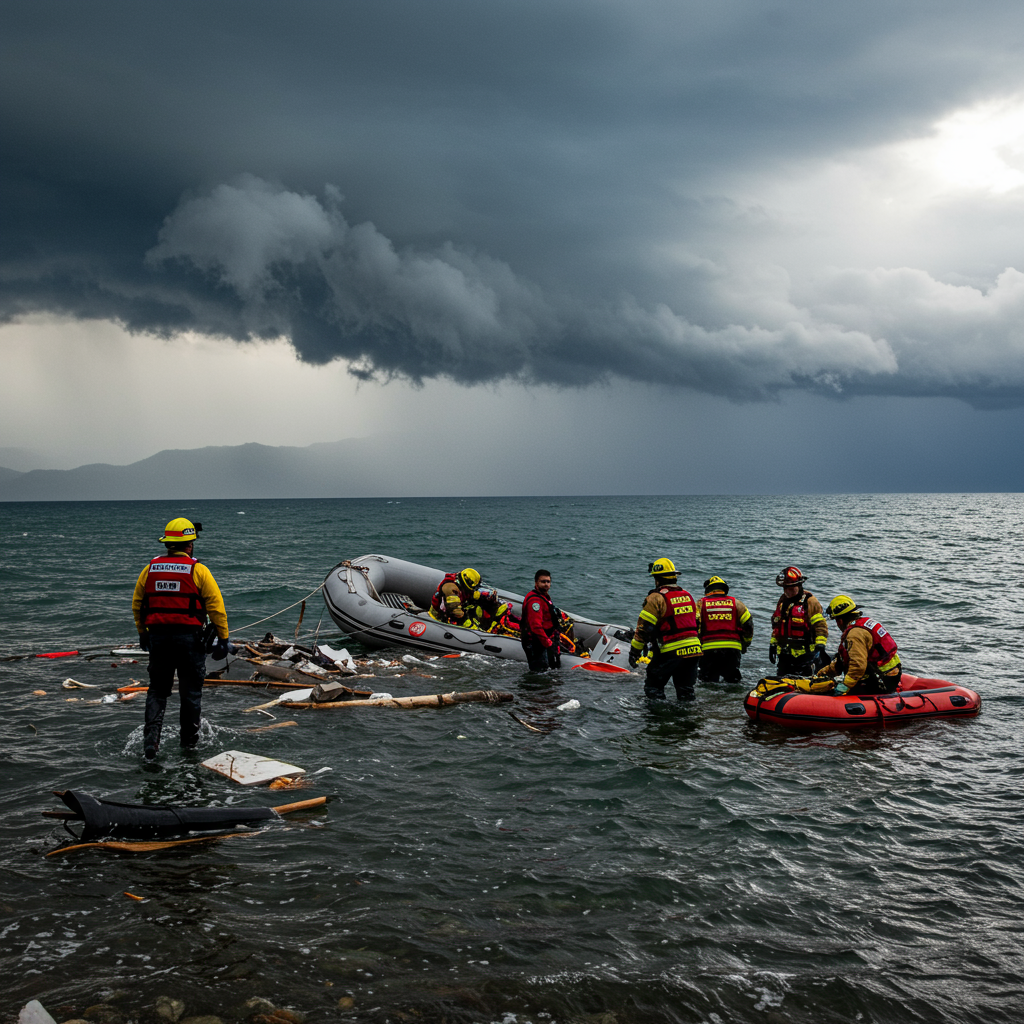
The attack had devastating human consequences. The IRIS Dena was reported to carry between 130 and 180 crew members. Upon receiving a distress signal, the Sri Lankan navy and coastguard initiated a rapid rescue mission. Rescuers, however, found only oil patches, life rafts, and survivors in the water, with no trace of the frigate itself. A grim tally emerged: 87 bodies were recovered, and 32 sailors were rescued, many suffering from burns and fractures. These survivors received urgent medical attention at a hospital in Galle, Sri Lanka, under tight security. The morgue in Galle was overwhelmed, necessitating the use of refrigerated shipping containers for body preservation, a stark reminder of the incident’s severe impact.
International Reactions and Geopolitical Fallout
Reactions to the sinking were sharply divided. Iran’s Foreign Minister, Abbas Araghchi, vehemently condemned the attack as an “atrocity at sea,” warning the U.S. would “bitterly regret” its actions and the precedent it set. He emphasized that the Dena was an “unarmed guest” of India’s navy when attacked without warning. Conversely, U.S. Defense Secretary Hegseth lauded the strike as a demonstration of America’s military strength. The incident further escalated tensions, with Iran’s Islamic Revolutionary Guard Corps (IRGC) later claiming responsibility for hitting a U.S. tanker in the Gulf and threatening to control passage through the Strait of Hormuz in times of war. Australia’s government also confirmed that three of its citizens, participating in a trilateral training program under the AUKUS security pact, were aboard the U.S. submarine involved, though an Australian was not responsible for firing the torpedo.
Sri Lanka’s Crucial Role: The IRINS Bushehr Incident
Amidst the fallout from the Dena sinking, Sri Lanka found itself at the heart of another unfolding maritime crisis, involving a second Iranian naval vessel. The nation’s response solidified its international reputation for neutrality and humanitarianism.
Distress Call and Humanitarian Response
Just a day after the Dena attack, on March 6, 2026, the IRINS Bushehr, an Iranian navy logistics ship with a helicopter pad, requested permission to dock in a Sri Lankan port. The vessel reported an engine malfunction, leading to hours of careful deliberation by the Sri Lankan government. President Anura Kumara Dissanayake ultimately authorized the vessel to dock at Trincomalee, a north-eastern port, rather than the main commercial port of Colombo. This decision aimed to mitigate any adverse impact on Sri Lanka’s crucial maritime industry. All 208 crew members, including officers and sailors, were evacuated and brought ashore for border control procedures and medical assessments, with no health issues reported. Approximately 15 crew members remained aboard the Bushehr, assisted by Sri Lankan naval personnel, as the ship remained in Sri Lankan custody.
Upholding Neutrality Amidst Conflict
President Dissanayake emphatically articulated Sri Lanka’s principled stance throughout these events. “Our position has been to safeguard our neutrality while demonstrating our humanitarian values,” he stated, adding, “No civilian should die in wars. Our approach is that every single life is as precious as our own.” This intervention, he noted, “demonstrated our commitment to international conventions, protecting the reputation and dignity of our country, and protecting human lives.” By offering assistance based on international maritime law and humanitarian principles, Sri Lanka navigated the immediate crisis without taking sides in the broader conflict. This proactive approach underscored the nation’s unwavering commitment to non-alignment, a policy it has maintained since gaining independence in 1948.
Strategic Location and International Obligations
Sri Lanka’s geographical position in the Indian Ocean, southeast of India, makes it a critical maritime hub. This strategic location often places it at the crossroads of international events. Former Foreign Secretary H.M.G.S. Palihakkara affirmed that, as a party to the Law of the Sea and The Hague Convention, Sri Lanka had a clear obligation to respond to a distress call and provide humanitarian aid. This adherence to international treaties, even when politically sensitive, showcased the nation’s responsible global citizenship. The U.N. resident coordinator in Sri Lanka, Marc-André Franche, commended the intervention, seeing it as a reflection of Sri Lanka’s commitment to “multilateralism, maintaining neutrality, and underscoring its dedication to peace.”
Wider Implications: The Expanding US-Iran Conflict
The naval incidents off Sri Lanka highlight the alarming expansion of the US-Iran conflict and its potential to destabilize key international waterways.
Historical Context of US-Iran Tensions
The U.S. and Iran have a long, complex history of antagonism, rooted in the 1979 Iranian Revolution and subsequent geopolitical shifts. Decades of sanctions, proxy conflicts, and naval confrontations have characterized this relationship. While overt military clashes have been rare, covert operations and targeted actions have been common. The declared objective of U.S. President Donald Trump in the ongoing conflict to dismantle Iran’s navy suggests a significant shift towards more direct and aggressive military engagements, pushing the conflict beyond its traditional Middle Eastern borders into vital global shipping lanes.
Sri Lanka’s Diplomatic Balancing Act
Sri Lanka maintains crucial economic and diplomatic ties with both Iran and the U.S., necessitating a delicate balancing act. The nation purchases significant crude oil from Iran, settling payments through tea exports. Simultaneously, the U.S. is the primary destination for Sri Lankan garment exports. This intricate economic interdependence means Sri Lanka cannot afford to alienate either power. President Dissanayake’s statements reflect this precarious position: safeguarding neutrality while upholding humanitarian values and international obligations ensures the nation’s standing with both global powers, mitigating the risk of being drawn into the conflict.
Future of Maritime Security in the Indian Ocean
The Indian Ocean, a critical artery for global trade and energy supply, is increasingly becoming a zone of strategic competition. Incidents like the sinking of the IRIS Dena raise serious concerns about the militarization of these waters and the potential for miscalculation. Maritime security, traditionally focused on piracy and illegal fishing, now encompasses complex geopolitical naval confrontations. The expansion of the US-Iran conflict into this region could disrupt shipping, increase insurance costs, and force neutral nations to re-evaluate their defense strategies. The need for robust international dialogue and adherence to maritime laws becomes paramount to prevent further escalation and maintain stability in this vital global commons.
Frequently Asked Questions
What happened to the Iranian warships near Sri Lanka?
On March 4, 2026, the Iranian frigate IRIS Dena was torpedoed and sunk by a U.S. submarine off Sri Lanka’s southern coast, resulting in 87 deaths and 32 rescued. Two days later, a second Iranian naval vessel, the IRINS Bushehr, sought emergency docking in Sri Lanka due to engine trouble. Sri Lanka granted humanitarian assistance to the Bushehr, evacuating its 208 crew members and taking custody of the vessel in Trincomalee port.
How did Sri Lanka uphold its neutrality during the naval incidents?
Sri Lanka demonstrated its neutrality by adhering strictly to international maritime law and humanitarian principles. President Anura Kumara Dissanayake emphasized that Sri Lanka would not take sides but would prioritize saving lives and upholding international conventions. The decision to grant humanitarian port entry to the IRINS Bushehr, evacuate its crew, and provide medical aid to survivors of the IRIS Dena sinking reflects its long-standing policy of non-alignment, balancing its economic ties with both Iran and the U.S.
What are the broader geopolitical implications of these naval incidents in the Indian Ocean?
These incidents signify a significant escalation and geographical expansion of the US-Iran conflict, bringing it into the strategically vital Indian Ocean. They raise concerns about maritime security, potential disruptions to global trade routes, and the challenges faced by neutral nations like Sri Lanka. The events could reshape naval power dynamics in the region, intensifying strategic competition and underscoring the critical need for international cooperation to prevent further destabilization in key global waterways.
Conclusion
The recent naval incidents off Sri Lanka’s coast serve as a stark reminder of the volatile geopolitical landscape and the increasing interconnectedness of global conflicts. The sinking of the IRIS Dena by a U.S. submarine represents a significant escalation in the ongoing tensions between the U.S., Israel, and Iran. Amidst this high-stakes confrontation, Sri Lanka’s unwavering commitment to neutrality and humanitarian principles, particularly in its handling of the distressed IRINS Bushehr, stands out. The island nation successfully navigated a complex diplomatic and operational challenge, upholding international law and demonstrating its dedication to peace and human life. As the Indian Ocean continues to grow in strategic importance, Sri Lanka’s actions provide a crucial example of responsible statecraft in an increasingly uncertain world, urging continued vigilance and dialogue to maintain regional stability.